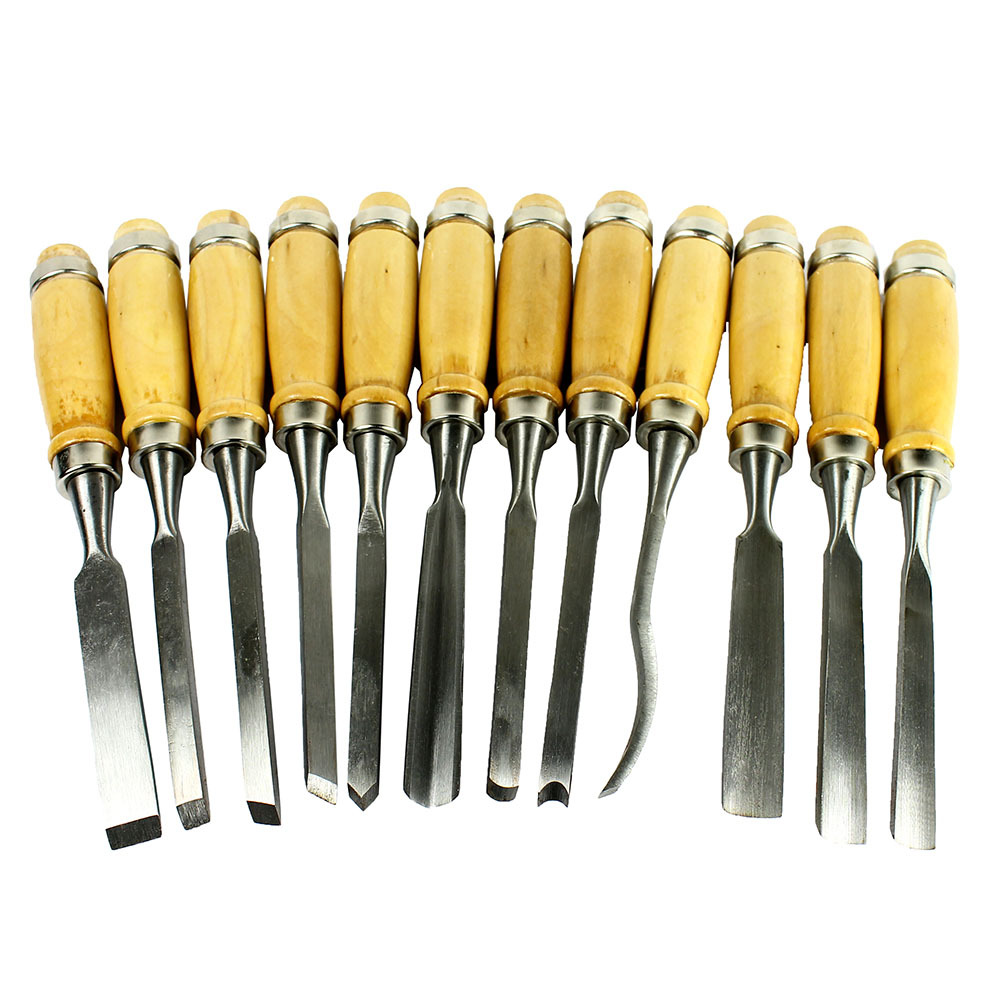

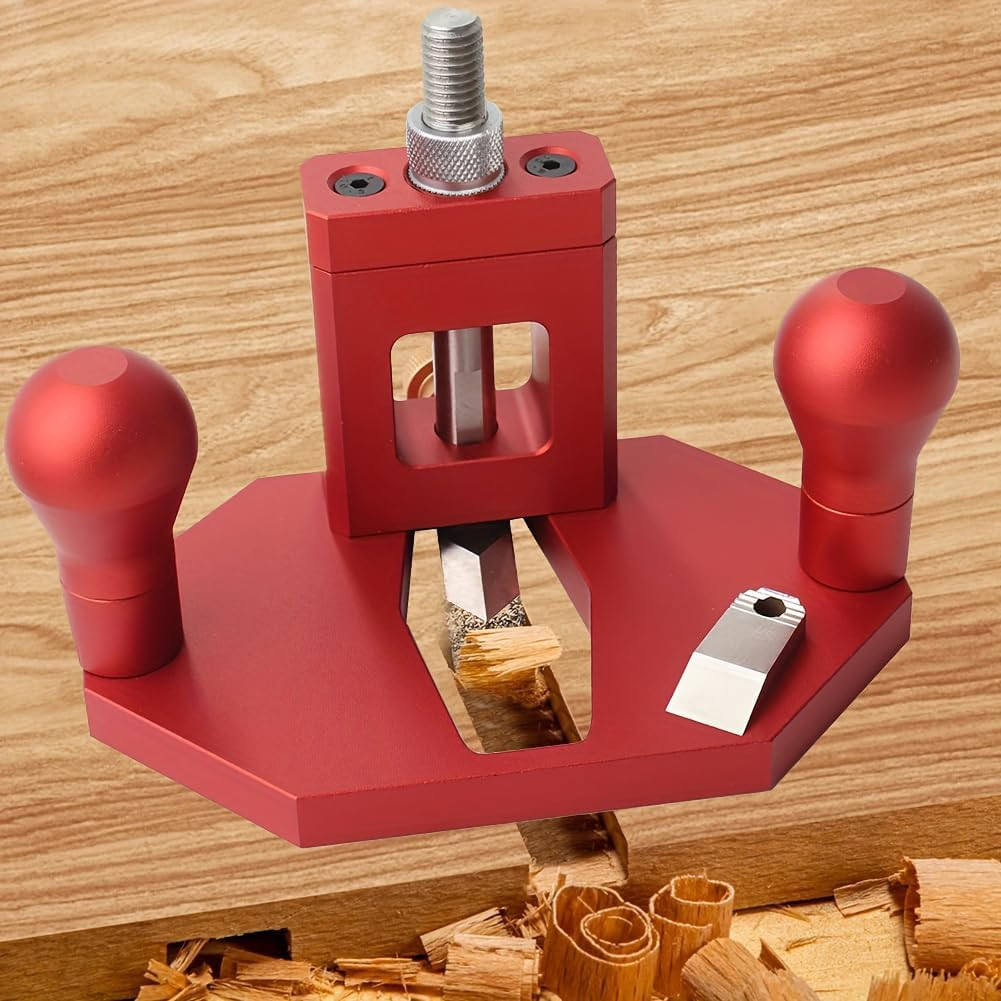
Photos from current listings. Actual item, color, and included accessories may vary.
Woodworking Hand Tool Buying Guide
Woodworking hand tools are edge-cutting, shaping, and stock-removal tools driven by manual force, where the decisive trade-off is steel grade and bevel geometry against handle ergonomics and corrosion resistance. The clear rule: buy high-carbon or A2/O1 tool steel with a defined bevel angle and hardwood handles for durable edges; skip stainless or mystery-alloy blades that cannot hold a honed edge under mallet or paring loads.


At a glance
- Category
- Woodworking Hand Tools & Chisels
- Data updated
- Nov 20, 2026
Current offers
Highlights
- High-carbon steel (0.8-1.2% carbon) and A2/O1 tool steels take a keener edge and hold it longer than 420/440 stainless, which rolls under chopping and paring loads.
- Chisel bevel angle governs durability: 25° for paring and light trimming, 30-35° for chopping and mortising in hardwoods; a 20° bevel belongs only in softwood specialty work.
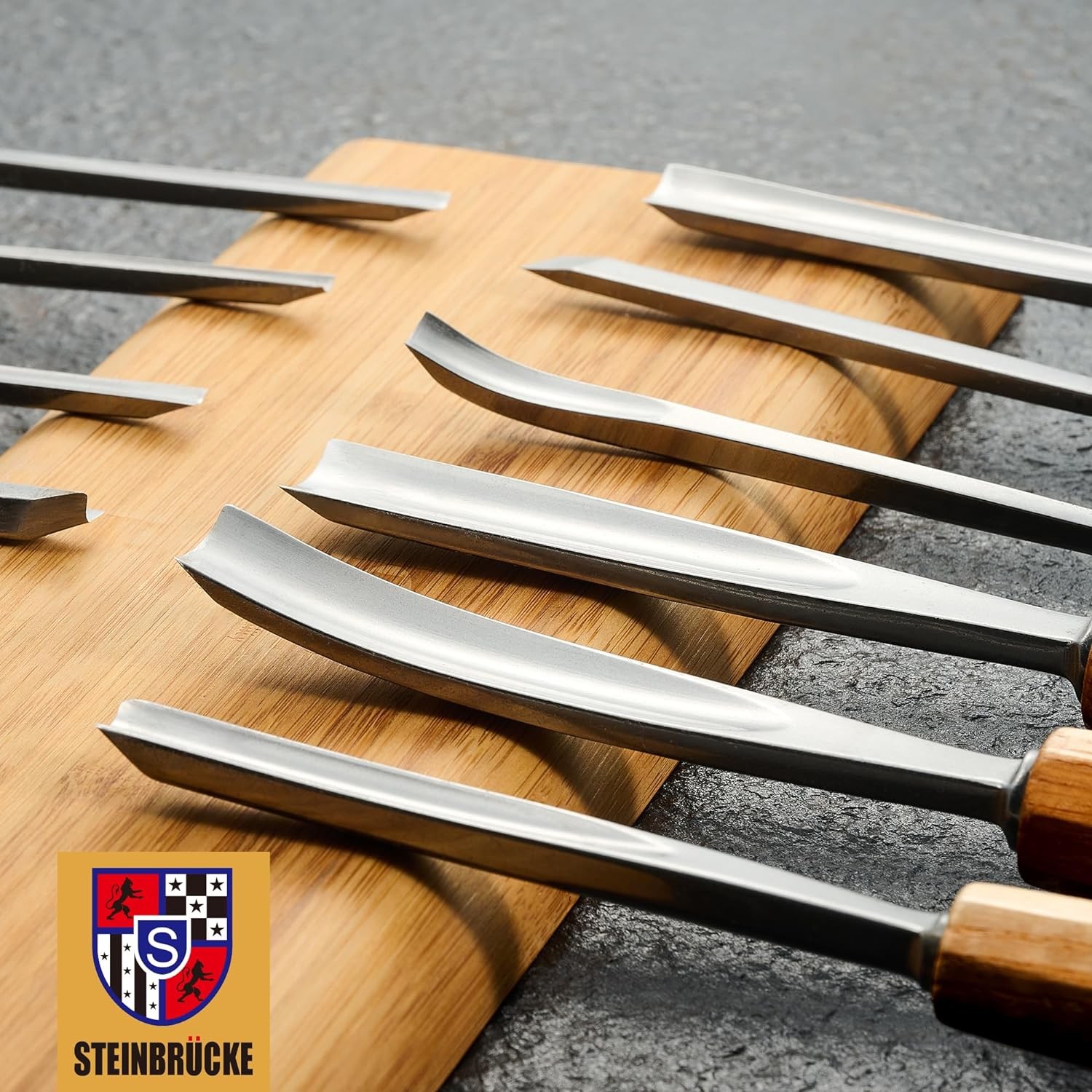
- Gouge sweep numbers define carving profile: #3-#5 shallow, #6-#8 medium, #9-#11 deep U-shape; a 12-piece set spanning multiple sweeps covers roughing through detail.
- Handle-to-tang construction matters: full-tang or hooped ash/beech handles survive mallet strikes, while short tangs in soft plastic handles loosen and split under repeated impact.
Best use cases
- Furniture joinery and mortising: pick bench chisels with 30-35° bevels, hooped hardwood handles, and blade widths from 1/4 to 1 inch; skip carving gouges and flexible paring blades.
- Decorative carving and relief work: choose a 12-piece gouge set spanning #3-#11 sweeps in high-carbon steel with a canvas roll; skip flat bench chisels and stainless blades.
- Inlay and fine paring: select short-blade paring chisels at 20-25° bevels with octagonal handles for control; skip heavy mortise chisels and long-tang chopping designs.
Buying tips
- Match bevel to task: 25° paring chisels for clean end-grain shaving, 30-35° bench chisels for mallet-driven chopping; a single 25° blade used for mortising will chip in hardwood.
- Verify steel before purchase: high-carbon (0.8%+ carbon) or A2/O1 tool steel holds an edge; 420/440 stainless is for kitchen cutlery, not mallet work.
- Size the set to your work: 1/4, 1/2, 3/4, and 1 inch cover most joinery; add 1/8 and 3/8 for detail, and 1-1/2 to 2 inch for timber framing.
- Check handle construction: hooped ash or beech with a full tang resists splitting under mallet blows; plastic or short-tang handles loosen after repeated impact.
Specs
| Steel Grade | High-carbon / A2 / O1 vs stainless |
|---|---|
| Bevel Angle | 25° paring / 30-35° chopping |
| Handle Build | Hooped hardwood full-tang vs plastic |
| Gouge Sweep Range | #3-#11 (shallow to deep U) |
Related searches
What to check before buying
- Measure your workbench vise jaw opening and bench height: chisel handles 4-6 inches long need clearance for paring strokes and mallet swing.
- Confirm sharpening setup: water stones (1000/6000 grit) or diamond plates are required to establish and maintain 25° and 30° bevels; a honing guide keeps angles consistent.
- Check mallet compatibility: hooped handles accept wooden or rubber mallets; unhooped and short-tang handles require light brass or dead-blow mallets only.
- Verify storage: a canvas roll or wooden rack protects edges from chipping and keeps gouge sweeps organized by number for quick selection.
FAQ
Data sources: eBay / Amazon listings and product attribute feeds Data updated Nov 20, 2026.
Some links on this page are affiliate links. If you buy after clicking one, we may earn a commission at no extra cost to you. This does not change which products appear here or their order. Affiliate disclosure.