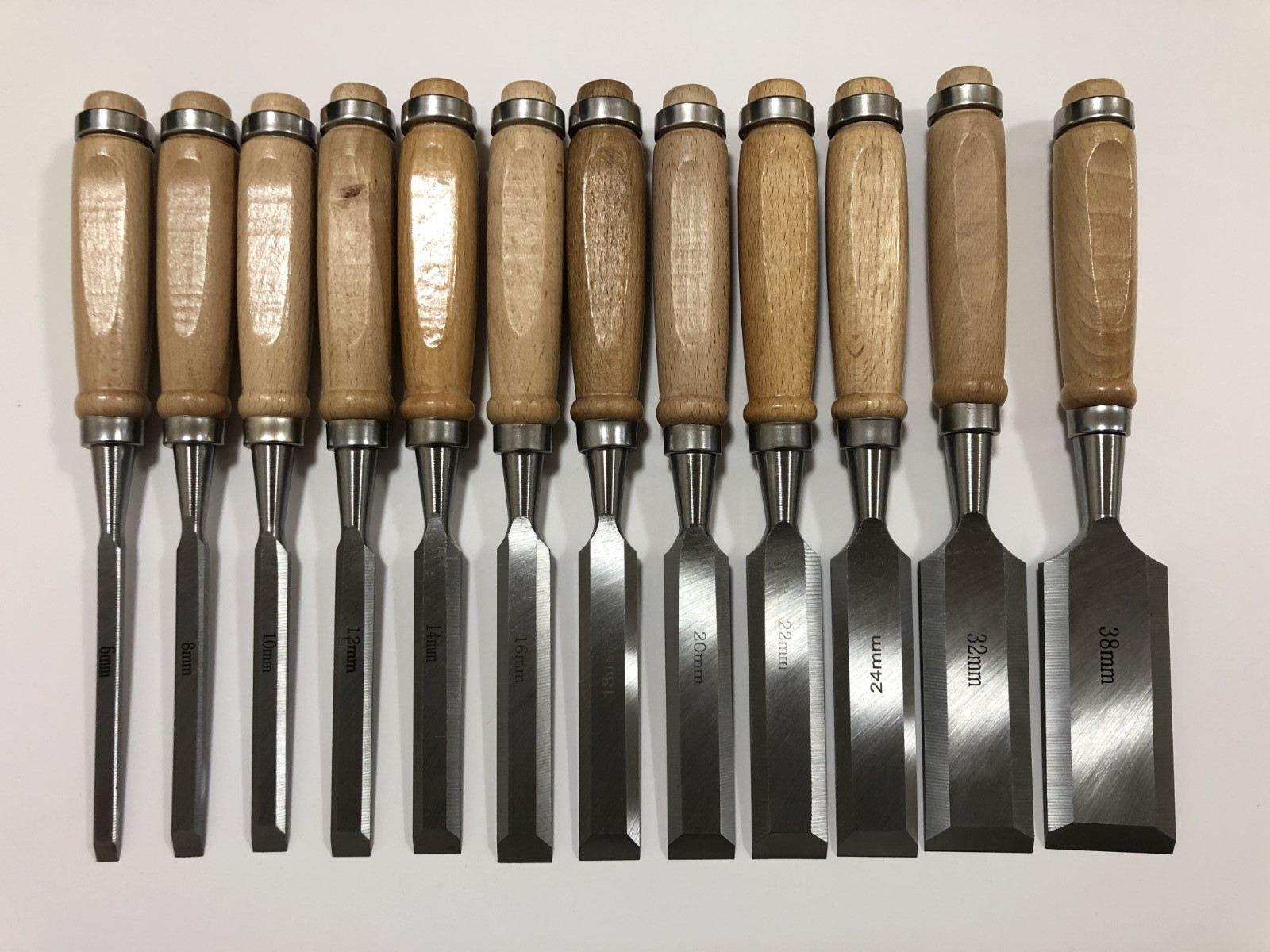

Photos from current listings. Actual item, color, and included accessories may vary.
Japanese Chisel Set Buying Guide
Japanese chisel sets (nomi) are distinguished by laminated high-carbon steel blades forge-welded to soft iron bodies, cutting cleaner than Western chisels but demanding different care and setup. The core trade-off is steel hardness versus toughness: white paper steel takes a keener edge but chips, while blue paper steel holds up to harder woods and mortising. Buy a set whose blade steel and hoop construction match your wood species and striking method—skip decorative boxed sets with unknown steel.


At a glance
- Category
- Woodworking Hand Tools & Chisels
- Data updated
- Nov 20, 2026
Current offers
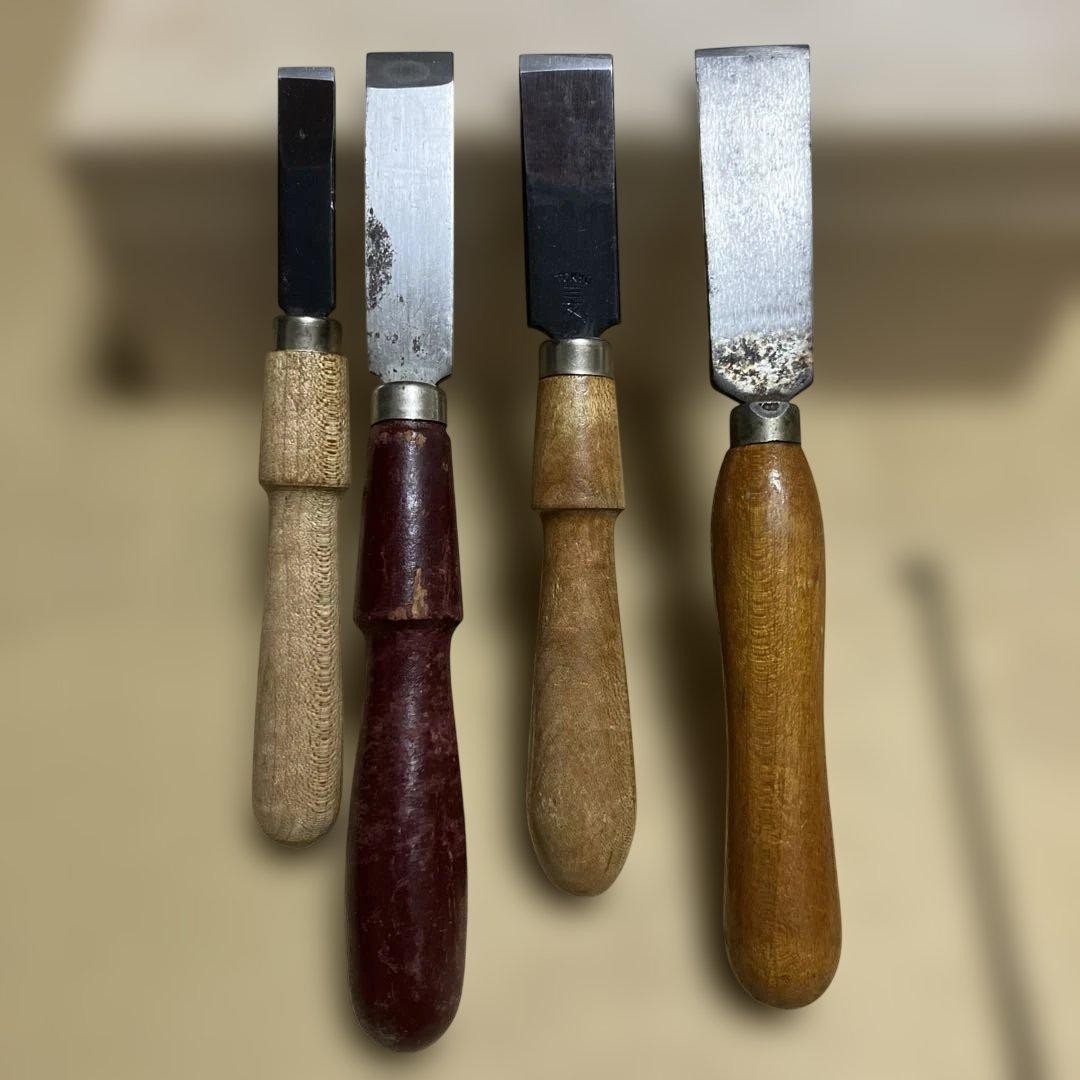
Highlights
- Blade steel grades: White Paper (Shirogami) takes the sharpest edge but is brittle; Blue Paper (Aogami) adds chromium/tungsten for toughness in hardwoods and mortising.
- Lamination: a hard steel cutting layer forge-welded to a soft iron body lets the bevel be honed thin while the body absorbs shock—look for a visible lamination line.
- Handle construction: hooped oak or red oak handles with a steel ring (katsura) resist mushrooming under a genno; hoopless handles are for paring and hand pressure only.
- Set composition: 3-piece (10/20/30mm), 4-piece (6/12/18/24mm), and 7/10-piece oire sets cover paring through mortising; oire sets are sized for finish work.
Best use cases
- Furniture joinery and dovetails: pick a 3- or 4-piece set of bench chisels in 6–24mm with blue paper steel for edge retention; skip 7+ piece sets unless you cut many mortises.
- Timber framing and mortising: choose heavy hooped chisels in 12–30mm with blue paper steel and strike with a wooden genno; white paper steel will chip under mallet blows.
- Fine paring and kumiko: select hoopless or short-handled oire paring chisels in 3–9mm white paper steel for controlled hand pressure; do not strike these with a hammer.
- Mixed Western/Japanese bench: buy a 4-piece set (6, 12, 18, 24mm) rather than a 10-piece oire set—most Western workflows need only those widths.
Buying tips
- Match steel to wood: white paper for softwoods and fine paring, blue paper for hardwoods (oak, maple, exotic) and any mallet work.
- Check the ura (hollow back): a shallow, even hollow grind is correct; a deep or uneven ura means excessive flattening work before first use.
- Verify hoop fit: the steel ring should sit tight against the handle shoulder with no gap—loose hoops cause splitting under repeated strikes.
- Size to your work: 6–24mm covers joinery; add 30mm+ only for timber framing or deep mortising, and avoid sets with duplicated widths.
Specs
| Blade Steel | White Paper vs Blue Paper |
|---|---|
| Handle Type | Hooped (strike) vs hoopless (pare) |
| Set Size | 3, 4, 7, or 10 piece |
| Blade Width Range | 3–30mm (6–24mm typical joinery) |
Related searches
What to check before buying
- Confirm you have a sharpening setup: water stones (1000/6000 grit) and a flattening plate are required—Japanese chisels arrive with a rough bevel.
- Choose a mallet: a wooden genno for hooped chisels; never use a steel hammer, which splits handles and mushrooms hoops.
- Measure your joinery widths so the set covers your common mortise and dovetail sizes without buying single chisels later.
- Plan storage: chisels need a roll or rack that protects edges; loose storage in a toolbox invites chipping.
FAQ
Data sources: eBay / Amazon listings and product attribute feeds Data updated Nov 20, 2026.
Some links on this page are affiliate links. If you buy after clicking one, we may earn a commission at no extra cost to you. This does not change which products appear here or their order. Affiliate disclosure.