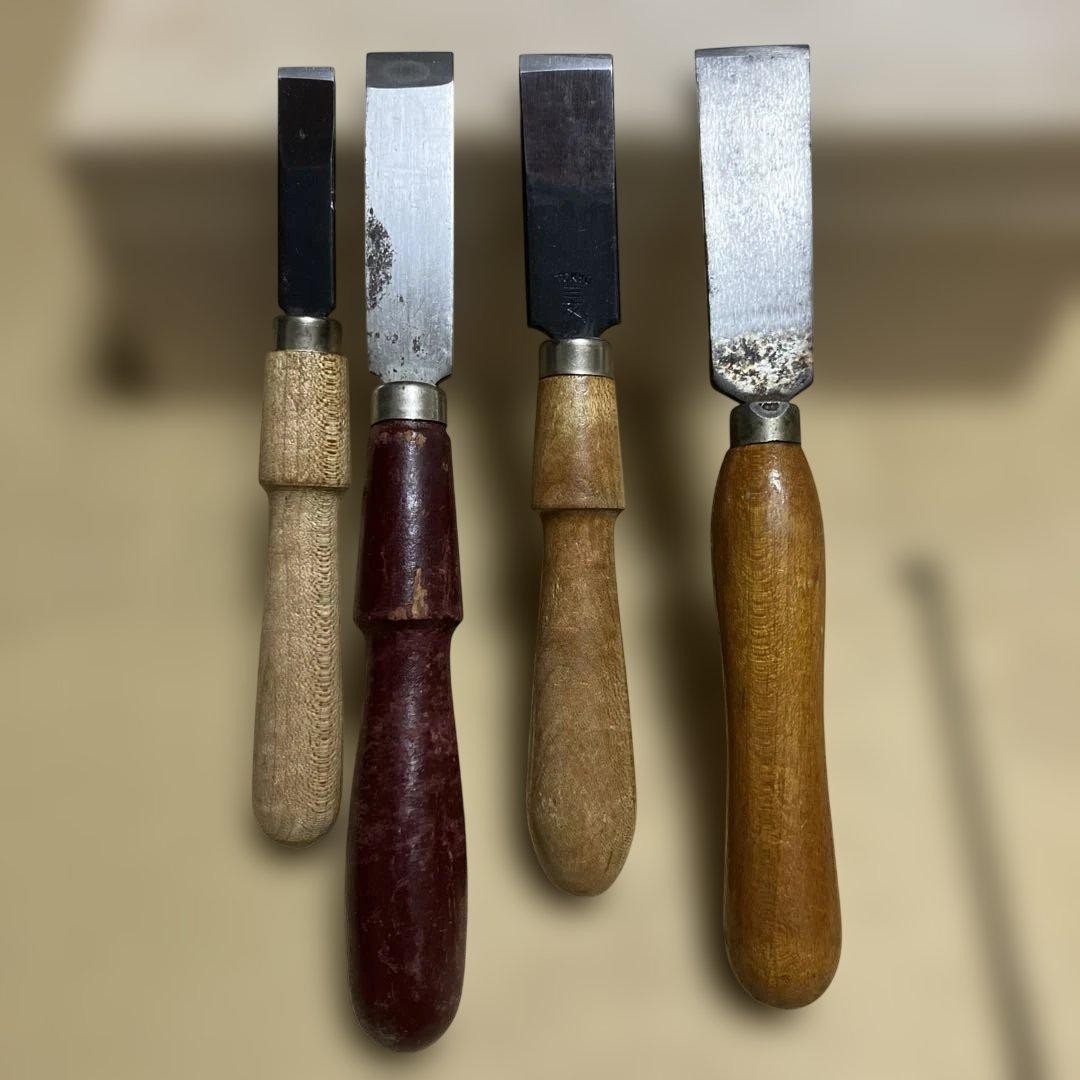

Photos from current listings. Actual item, color, and included accessories may vary.
Japanese Woodworking Chisel Buying Guide
Japanese woodworking chisels (nomi) are forged high-carbon steel blades laminated to a soft iron body, tuned for paring and joinery in soft and hard woods. The core trade-off is steel hardness versus toughness: white paper steel takes a keener edge but chips, while blue paper steel resists abrasion and impact. Choose by task and handle type—oire-nomi for heavy mortising, chu-nomi for general bench work, and usunomi for clean paring—and avoid any set with a hollow-ground bevel or plastic ferrule.


At a glance
- Category
- Woodworking Hand Tools & Chisels
- Data updated
- Nov 20, 2026
Current offers
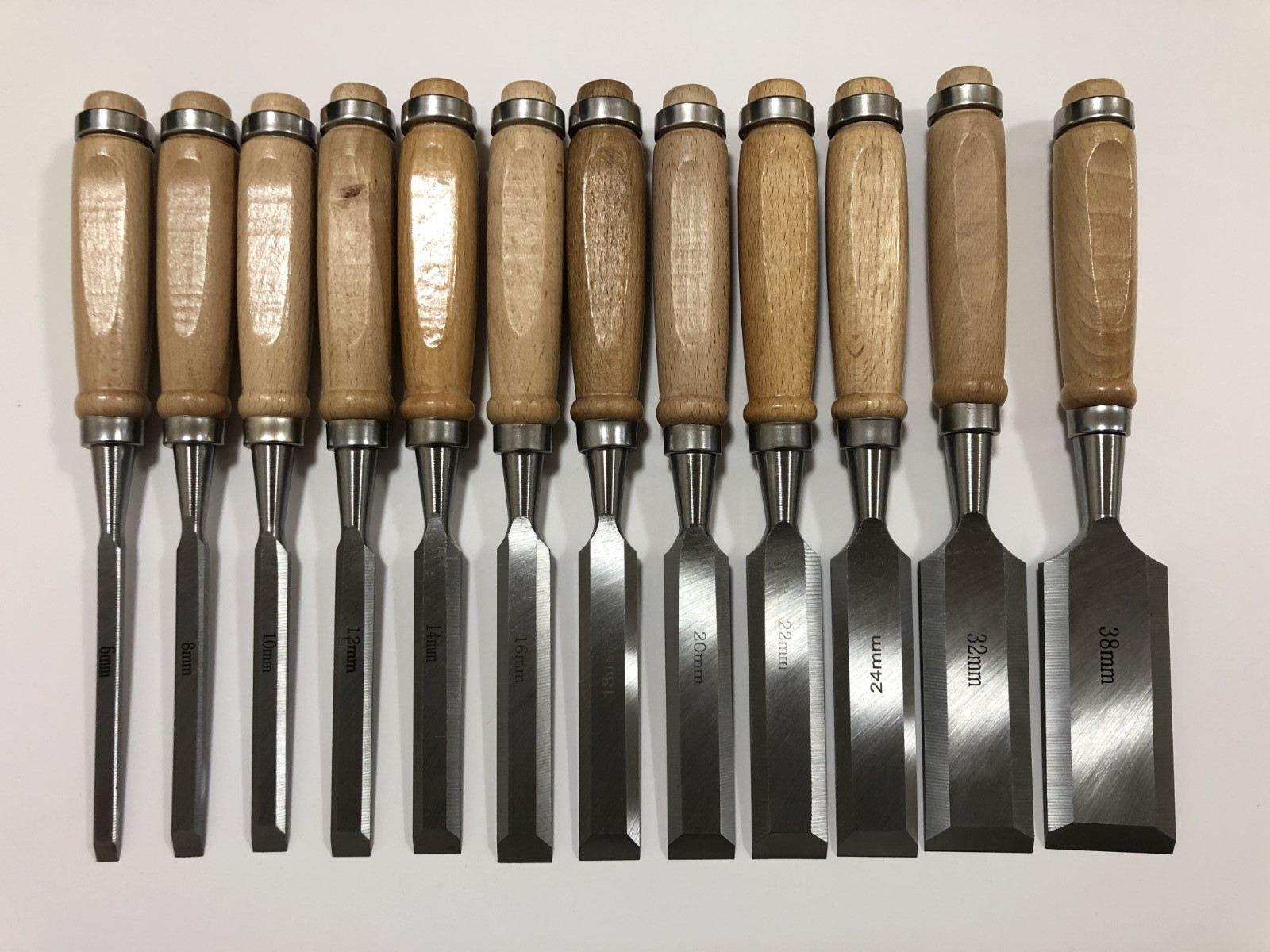
Highlights
- Steel grade: White paper (shirogami) takes the sharpest edge but is brittle; blue paper (aogami) adds chromium/tungsten for edge retention and impact resistance.
- Blade construction: Laminated hagane (hard steel) to jigane (soft iron) absorbs shock and eases sharpening; a single-steel blade is a durability downgrade.
- Handle & hoop: Ho wood or red oak with a steel hoop (katsura) and no plastic ferrule—plastic ferrules split under mallet blows.
- Set configuration: Oire-nomi (bench chisels) cover general work; usunomi (paring) and shinogi (mentori) serve joinery—4- to 12-piece sets differ by task coverage, not quality.
Best use cases
- Best fit: 4-piece oire-nomi set (6, 9, 12, 15 mm or 1/4–5/8 in) for furniture joinery and dovetails—skip 12-piece sets unless you cut mortises daily.
- Best fit: Blue paper steel chu-nomi for hardwoods and mallet work; white paper usunomi for fine paring in softwoods—never use a paring chisel with a steel hammer.
- Wrong fit: Western-style bench chisels with a 25° primary bevel for Japanese joinery; nomi are ground at 30° for hardwood and 25–30° for softwood—match bevel to wood.
- Wrong fit: Any set with a hollow-ground back or epoxy-filled ferrule; Japanese chisels require a flat back for registration against a sharpening stone.
Buying tips
- Match blade width to joinery: 6 mm for 1/4 in mortises, 12 mm for 1/2 in, 15 mm for 5/8 in—a 3-piece set of 6/12/15 mm covers most furniture work before adding 9 mm and 18–24 mm.
- Choose blue paper steel (aogami) for oak, maple, and ash; white paper (shirogami) only for softwood paring where edge keenness beats durability.
- Verify the katsura (hoop) is steel, not brass or plastic, and the handle is ho wood or red oak—ho wood is the traditional shock-absorbing standard.
- Check the ura (back hollow) is ground shallow and even; a deep or off-center hollow makes flattening the back impossible on a waterstone.
Specs
| Steel Type | White paper / Blue paper carbon steel |
|---|---|
| Blade Construction | Laminated hard steel to soft iron |
| Handle & Hoop | Ho wood or red oak / steel katsura |
| Set Configuration | Oire-nomi 3–12 pc / usunomi paring |
Related searches
What to check before buying
- Measure your sharpening setup: nomi require waterstones (1000/6000 grit) and a flattening plate—oilstones cut too slowly for hard steel.
- Confirm handle diameter fits your grip and mallet: oire-nomi handles run 25–30 mm; a genno (hammer) under 500 g suits 6–15 mm chisels.
- Check bevel angle against your wood: 30° for hardwoods, 25–30° for softwoods; a 25° bevel on oak will chip.
- Verify the set includes a steel hoop and no plastic ferrule—plastic ferrules fail under repeated mallet strikes.
FAQ
Data sources: eBay / Amazon listings and product attribute feeds Data updated Nov 20, 2026.
Some links on this page are affiliate links. If you buy after clicking one, we may earn a commission at no extra cost to you. This does not change which products appear here or their order. Affiliate disclosure.