Photos from current listings. Actual item, color, and included accessories may vary.
Woodworking Plane Buying Guide
A woodworking plane is a precision edge-cutting tool that controls shaving thickness through a rigid body, adjustable blade, and stable sole. The primary trade-off is between traditional cast-iron or infill construction with hand-tuned adjustment and modern ductile or machined bodies with tight manufacturing tolerances. The decision rule is simple: buy a plane whose sole flatness and blade-bed stability match your intended cut depth and wood hardness; avoid any plane with a warped sole, cracked casting, or missing adjustment hardware regardless of brand mystique.


At a glance
- Category
- Woodworking Hand Tools & Chisels
- Data updated
- Nov 20, 2026
Current offers
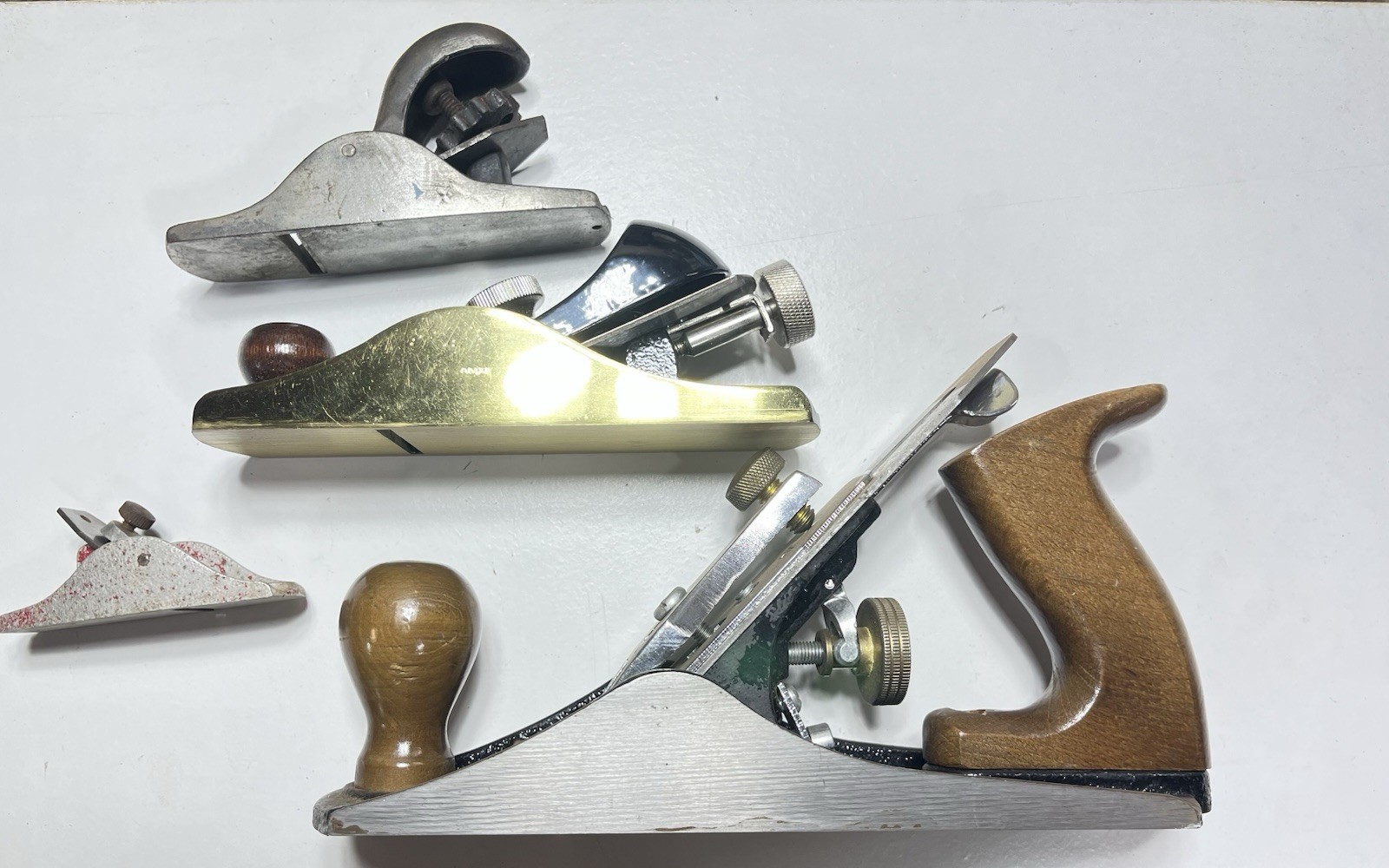 4 Woodworking Planes Used$40.00
 View on eBay
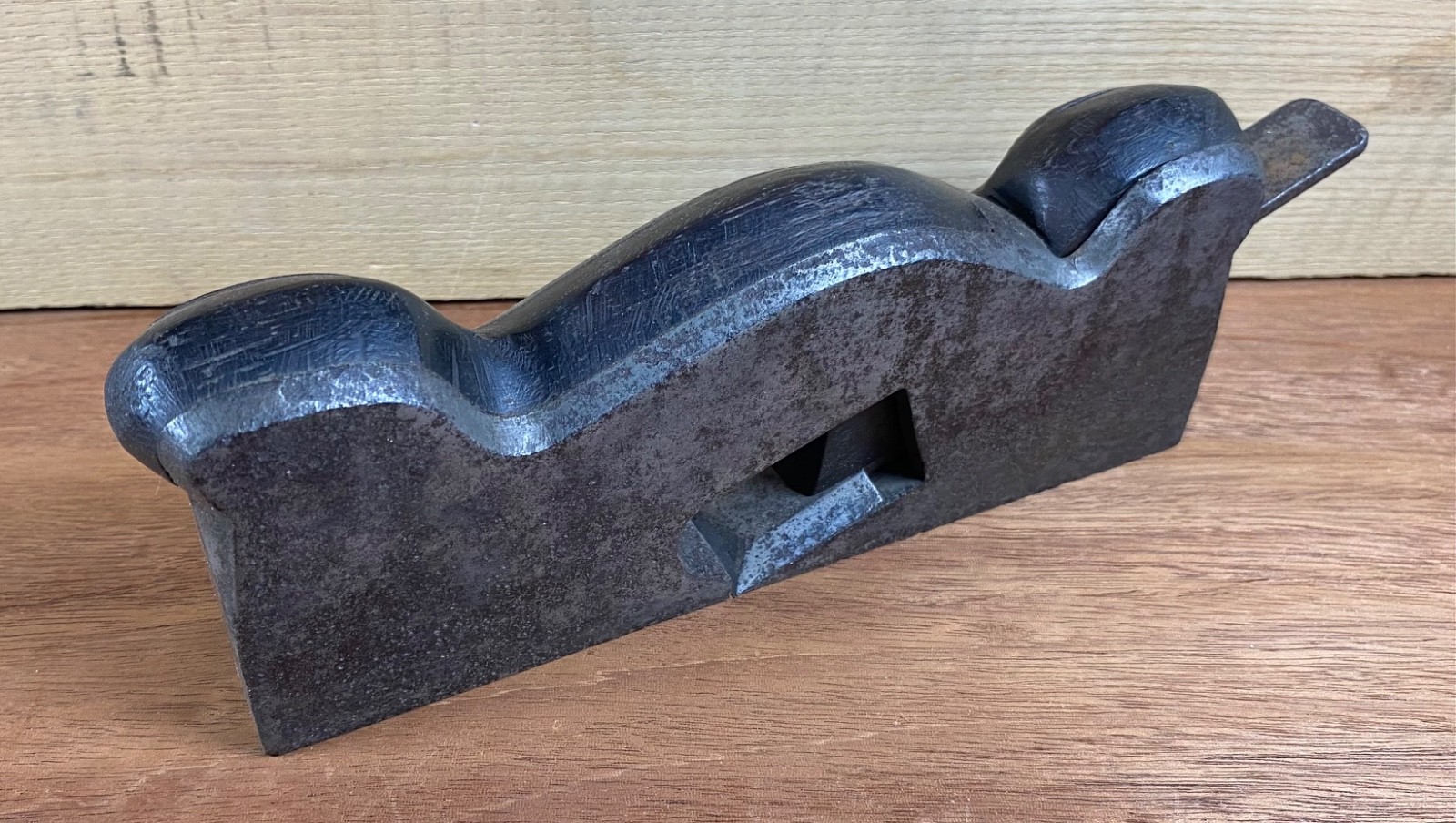 1 1/4” Infill Shoulder Plane Handplane Old Woodworking Tools$60.00View on eBay
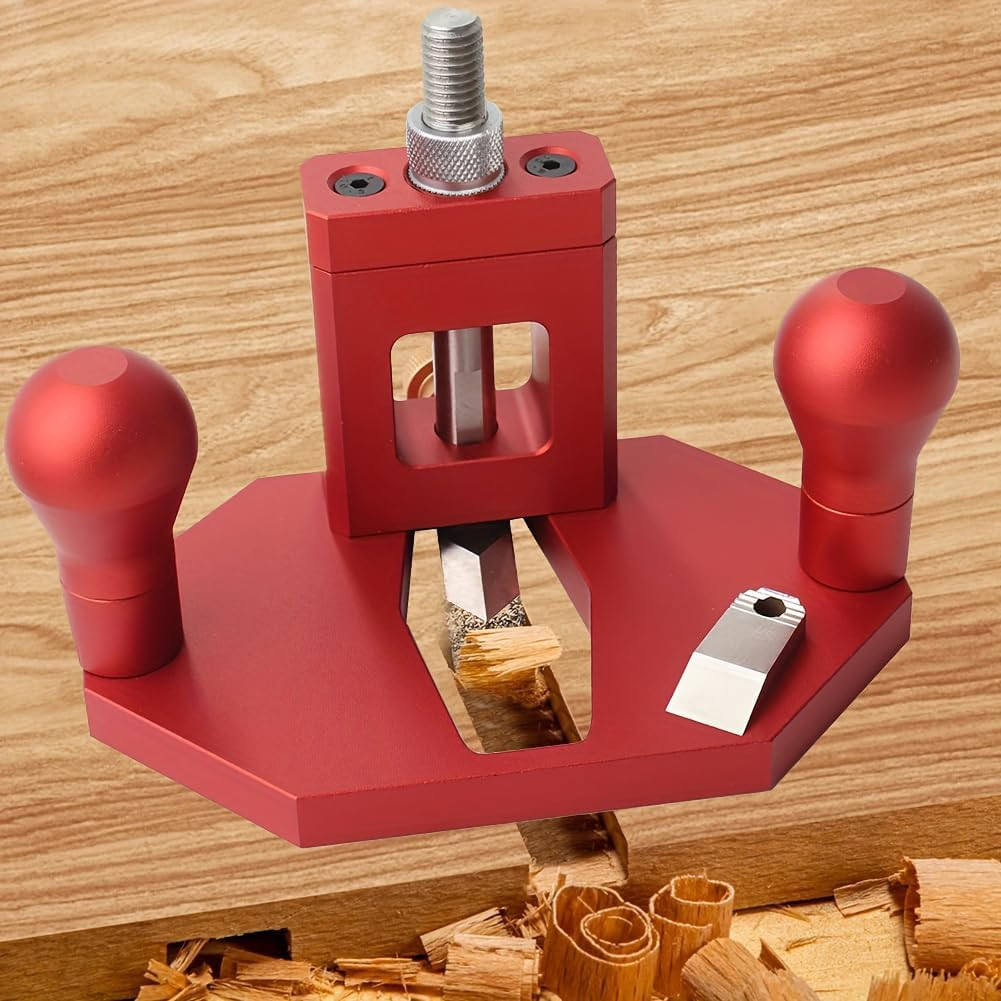 Router Plane Hand Wood Planer, Handheld Woodworking Tool, Woodworking Carpenter$65.95View on eBay
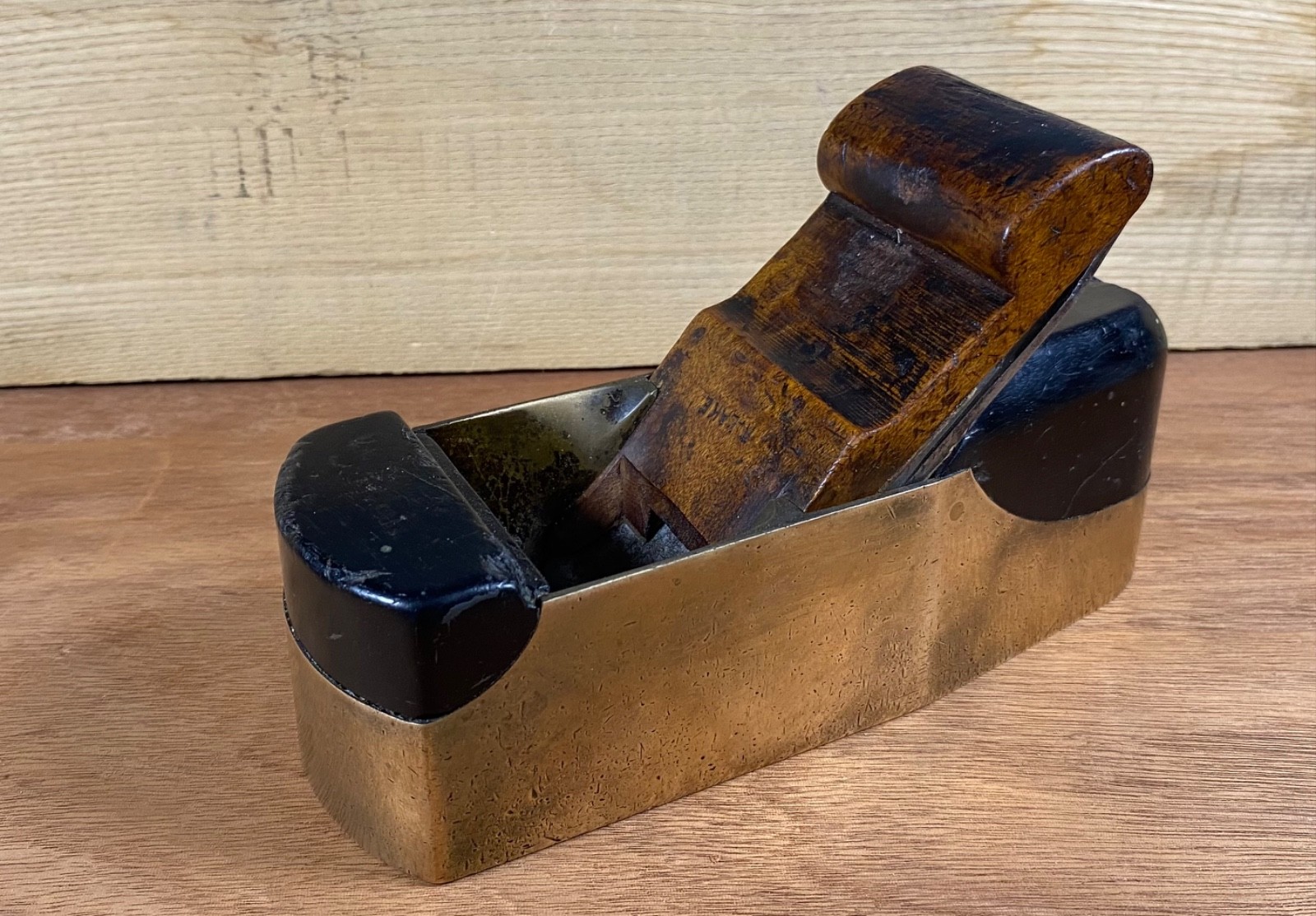 Brass and Ebony Infill Smoothing Plane Early Old Woodworking Tools$175.00View on eBay
Highlights
- Bench plane bodies are cast gray iron (classic Stanley/Record) or ductile iron (modern Veritas/Lie-Nielsen); ductile resists cracking if dropped, gray iron is more brittle but easier to flatten by hand.
- Sole flatness tolerance separates working planes from decoration: quality bench planes hold 0.001–0.003 in across the sole length, while economy planes often exceed 0.010 in and cannot take fine smoothing shavings.
- Blade steel grade drives edge retention: O1 tool steel takes a keen edge fast but dulls quicker; A2 and PM-V11 hold an edge 2–4x longer in hardwoods but sharpen slower on waterstones.
- Infill planes (brass/ebony, steel/rosewood) use a solid wood or metal wedge and thick blade bed for chatter-free cuts; they are collectible and functional but offer no micrometer depth adjustment.
Best use cases
- Best fit: a No. 4 or No. 4½ smooth plane with a 2–2⅜ in blade for final surface preparation on furniture panels—skip if you mostly dimension rough lumber, where a No. 5 jack plane is faster.
- Best fit: a low-angle block plane with 12° bed for end-grain trimming and chamfering—wrong fit for heavy stock removal, where a bevel-down jack plane removes far more material per pass.
- Best fit: a router plane for cleaning dados, hinge mortises, and tenon cheeks to a flat bottom—skip if you only need edge trimming, since a shoulder plane reaches edges a router plane cannot.
- Best fit: an infill smoothing plane for collectors and traditional finishers working figured hardwoods—wrong fit for site work or shared shops where a ductile adjustable plane survives drops and loan-outs.
Buying tips
- Match sole length to task: 5½–8 in block planes for trimming, 9–10 in No. 4 for smoothing, 14–15 in No. 5 for jointing and stock removal; longer soles flatten edges but cannot reach into corners.
- Check blade width and thickness: 2 in blades suit standard No. 4 planes, 2⅜ in blades add rigidity for heavy cuts; blades under 0.100 in thick chatter in hardwoods unless the frog is tightly seated.
- For vintage Stanley/Record planes, confirm the frog adjustment screw and lateral lever are present—missing frog hardware makes depth adjustment unreliable and replacement parts vary by generation.
- Infill and shoulder planes need a flat blade bed and tight wedge fit; a wedge that rocks or a bed with visible gaps causes chatter no sharpening can fix.
Specs
| Plane Type | Bench / Block / Router / Shoulder |
|---|---|
| Sole Material | Gray iron / Ductile iron / Brass |
| Blade Steel | O1 / A2 / PM-V11 / High-carbon |
| Sole Length | 6–24 in by plane class |
Related searches
What to check before buying
- Measure your bench height and workholding: a 14–15 in jack plane needs clear travel past your vise; a 9–10 in smoother works on smaller benches and benchtop appliances.
- Confirm blade availability before buying an odd-width or infill plane; standard 2 in and 2⅜ in blades are widely stocked, while vintage odd sizes require custom orders.
- Check sole flatness with a straightedge and feeler gauge on arrival—return any bench plane with gaps over 0.005 in that cannot be flattened with lapping on 80-grit paper.
- For vintage planes, inspect the mouth for chipping and the tote for cracks at the screw holes; cracked totes and chipped mouths are repairable but add cost and time.
FAQ
Data sources: eBay / Amazon listings and product attribute feeds Data updated Nov 20, 2026.
Some links on this page are affiliate links. If you buy after clicking one, we may earn a commission at no extra cost to you. This does not change which products appear here or their order. Affiliate disclosure.