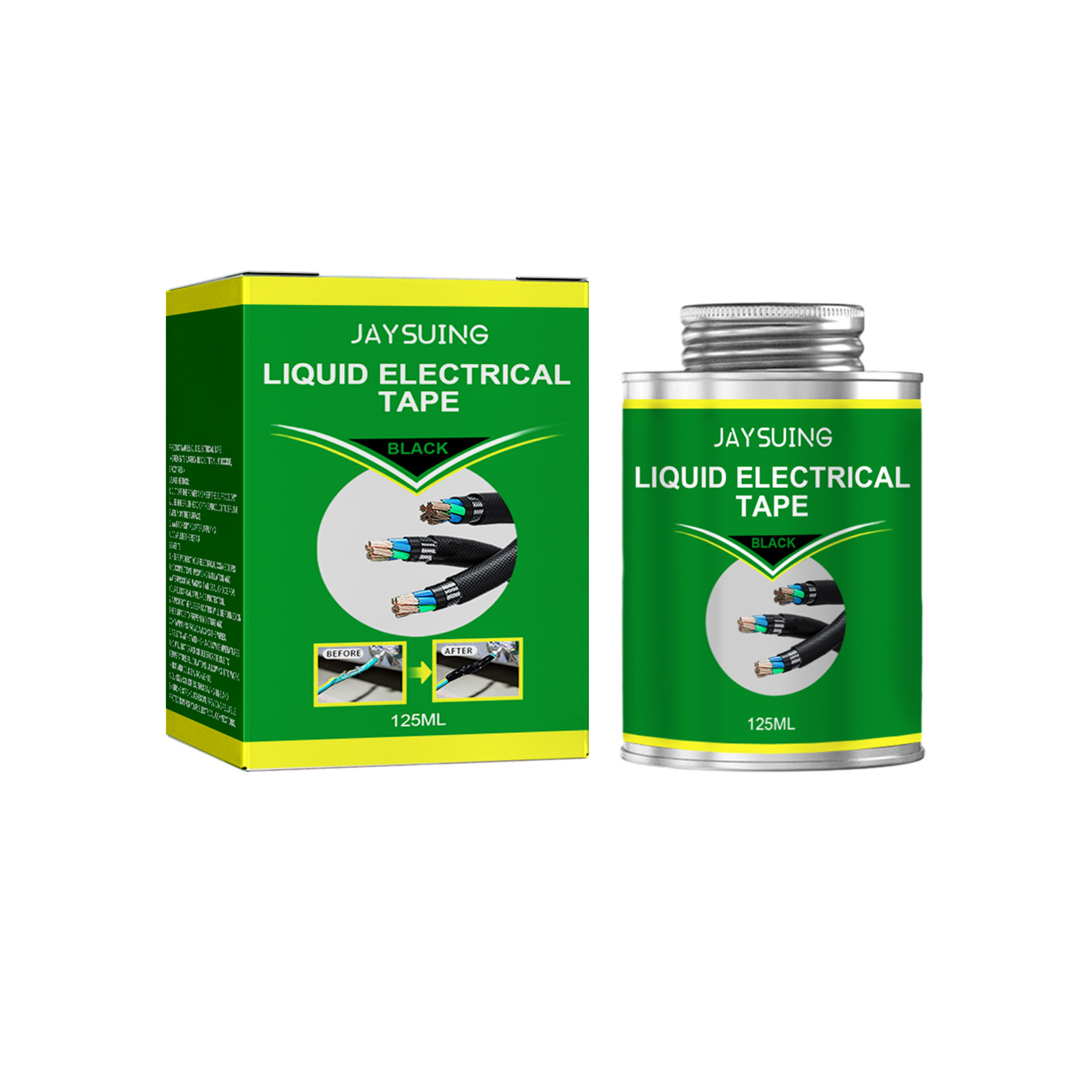

Photos from current listings. Actual item, color, and included accessories may vary.
Heat Tape Buying Guide
Heat tape is a self-regulating or fixed-resistance electrical cable used to prevent pipe freeze or maintain process temperature. The primary trade-off is between self-regulating (safe, energy-efficient, longer runs) and fixed-resistance (cheaper, must be thermostatically controlled). Choose self-regulating tape with a UL/ETL listing and a braided or polyolefin jacket for any outdoor or concealed pipe; skip unlisted plastic-jacketed liquid tape for freeze protection.


At a glance
- Category
- Home Repair
- Data updated
- Nov 20, 2026
Current offers
Highlights
- Self-regulating tape varies watt output per foot with temperature (typically 3–8 W/ft), eliminating hot spots and allowing overlap without burnout.
- Fixed-resistance tape delivers constant wattage (5–15 W/ft) and requires a thermostat or controller to avoid overheating and jacket damage.
- UL 2043 or ETL listing to UL 498/UL 758 separates freeze-protection grade tape from unlisted adhesive liquid tape sold for electrical joint sealing.
- Jacket construction: polyolefin or PVC over tinned-copper braid provides abrasion, UV, and moisture resistance for outdoor and wet-location runs.
Best use cases
- Best fit: outdoor hose bib or exposed water line — pick self-regulating tape rated for wet locations with a GFCI-protected circuit and pipe insulation wrap.
- Best fit: interior drain or supply pipe in unheated crawlspace — fixed-resistance tape plus a plug-in thermostat works for short, straight runs under 30 ft.
- Wrong fit: sealing electrical joints or low-voltage wiring — use liquid electrical tape or heat-shrink, not pipe heat cable.
- Wrong fit: long branch runs over 100 ft or shared circuits — self-regulating tape voltage drop and breaker load require a dedicated circuit; fixed-resistance tape cannot be overlapped.
Buying tips
- Match tape length to pipe length plus 10–15% for spiraling and connections; never coil excess tape on itself — self-regulating only tolerates overlap.
- Size the circuit: total watts divided by 120 V gives amps; keep load under 80% of breaker rating (e.g., 12 A max on a 15 A breaker).
- For freeze protection select a tape with a minimum 3 W/ft output at 0°F and a braided jacket; for roof/gutter de-icing choose higher-output (5–8 W/ft) UV-rated tape.
- Confirm the tape is listed to UL 2043 (pipe freeze protection) or UL 515 (roof/gutter) and includes a ground braid; unlisted plastic adhesive tape is not a substitute.
Specs
| Tape Type | Self-regulating vs fixed-resistance |
|---|---|
| Power Output | 3–8 W/ft self-reg; 5–15 W/ft fixed |
| Jacket & Braid | Polyolefin/PVC + tinned copper braid |
| Listing Standard | UL 2043 / UL 515 / ETL |
Related searches
What to check before buying
- Measure pipe diameter and total run length; add 10–15% for spiraling and 1 ft per connection.
- Check available voltage (120 V vs 240 V) and whether the circuit is GFCI-protected for wet locations.
- Verify pipe insulation type and thickness (closed-cell foam) compatible with tape jacket and temperature rating.
- Confirm outdoor rating (UV/sunlight, wet location) and that a thermostat or controller is included or required.
FAQ
Data sources: eBay / Amazon listings and product attribute feeds Data updated Nov 20, 2026.
Some links on this page are affiliate links. If you buy after clicking one, we may earn a commission at no extra cost to you. This does not change which products appear here or their order. Affiliate disclosure.