Photos from current listings. Actual item, color, and included accessories may vary.
Home Tool Kit Buying Guide
A home tool kit bundles the essential hand tools for household repairs into one case or bag. The main trade-off is piece count versus steel quality: high-count kits often use low-grade carbon steel and soft plastic cases, while mid-count kits from reputable brands use hardened chrome-vanadium steel and better handles. Buy by the tools you will actually use and the steel grade, not by the largest advertised piece count.

At a glance
- Category
- Home Repair
- Data updated
- Nov 20, 2026
Current offers
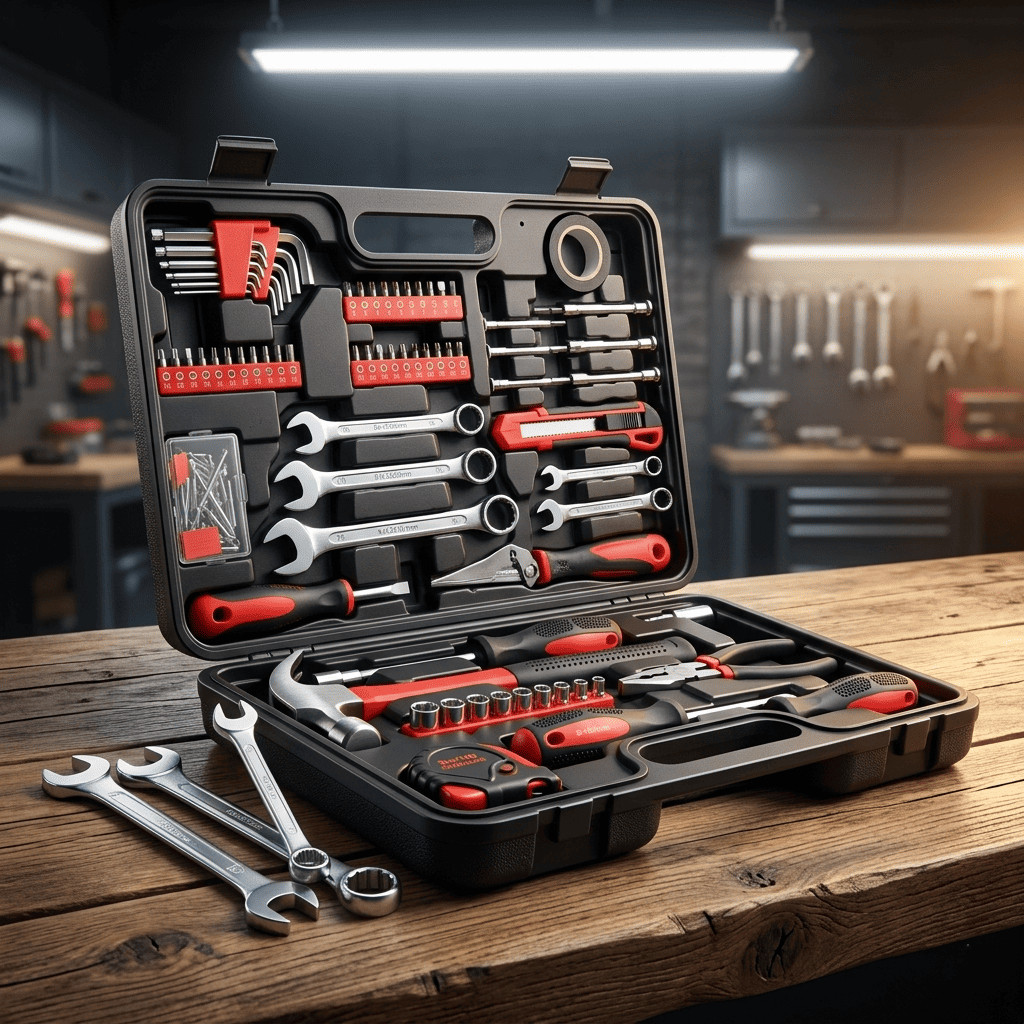 148Pcs Home Tool Kit Set General Household Repair Hand Tools Case Mechanical Red$19.58
 View on eBay
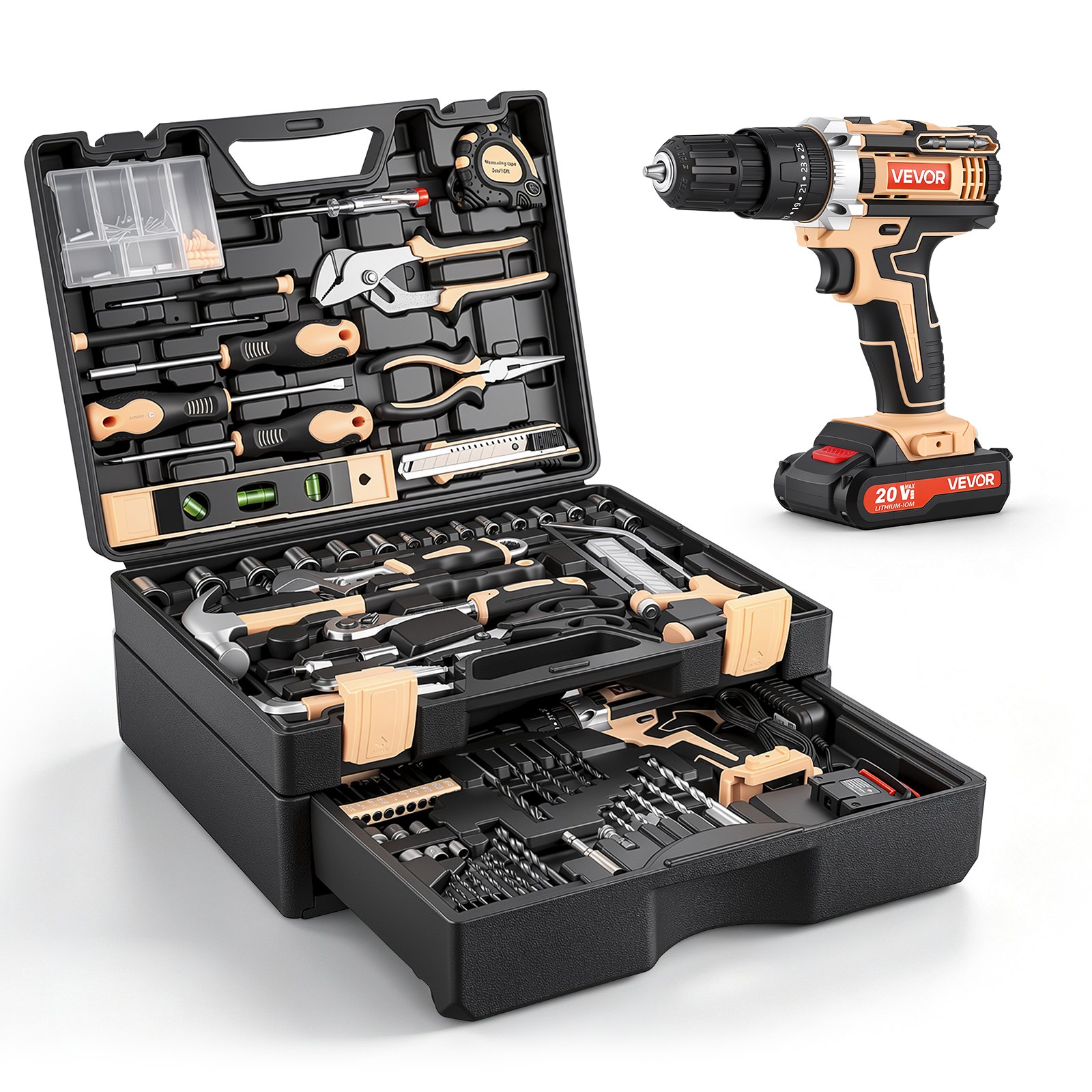 Tool Kit 318-Piece General Household Kit for Home Maintenance, For Everyday House Repairs, DIY Projects, with Portable Storage Case, High-Quality Steel, Cordless Drill, Bits, Hammer$98.99
 View on Mallflare
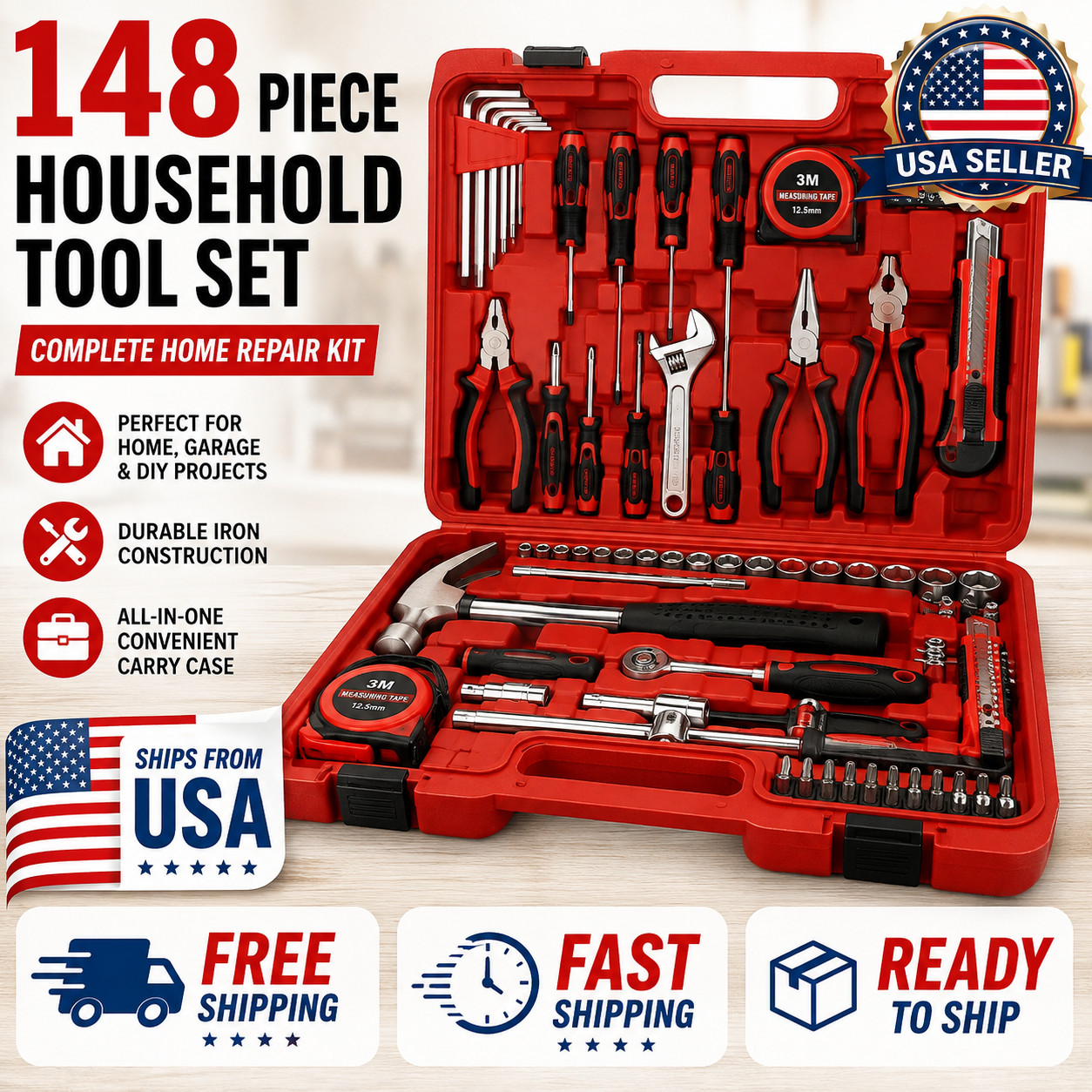 148pc Home Repair Tool Kit Household Hand Tools Set Maintenance DIY Red$18.00View on eBay
 205 Pieces Home Repair Tool Kit, General Household Tool Set with Plastic Toolbox$66.49Last checked Nov 18, 2026View on eBay
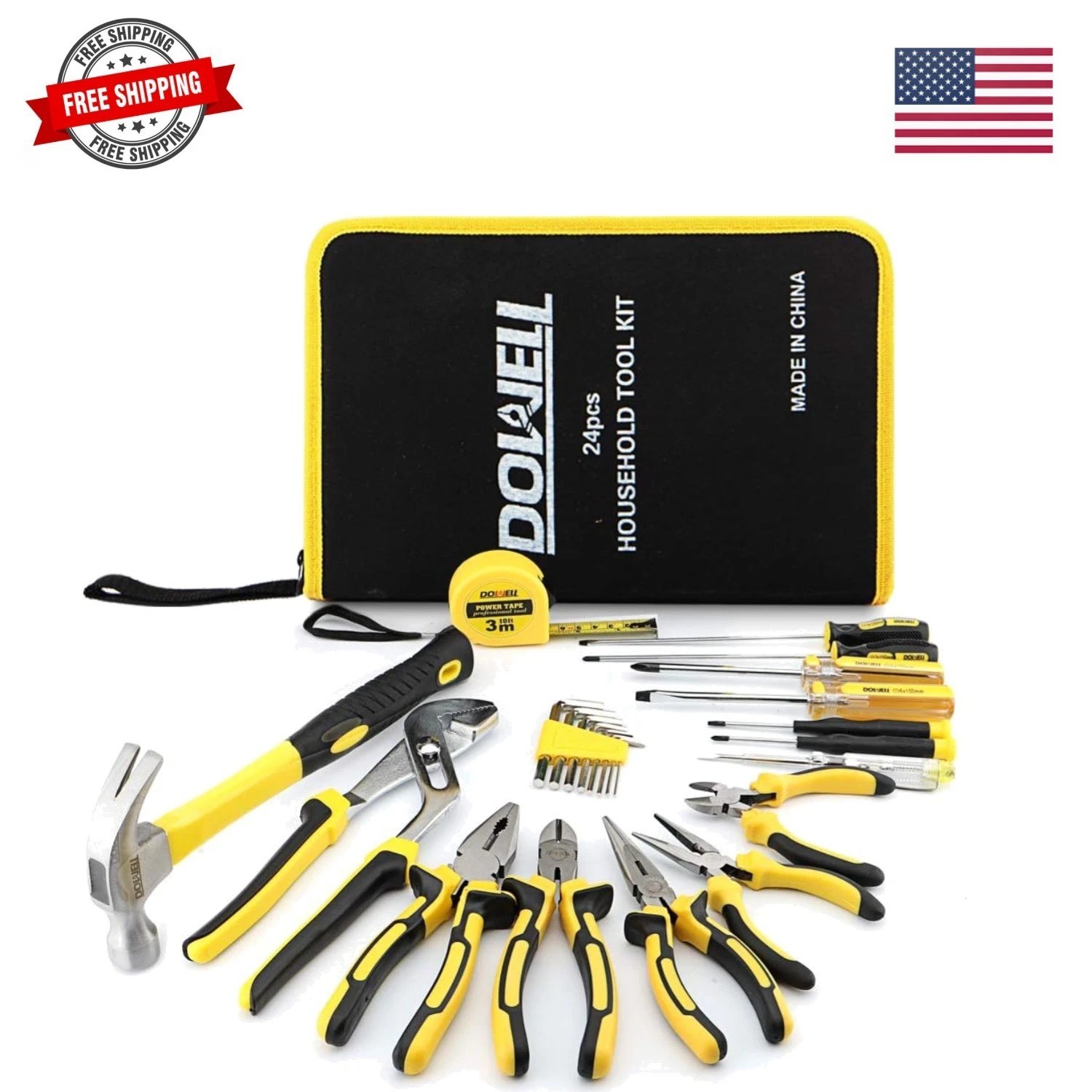 24 Pieces Homeowner Tool Set, Home Repair Hand Tool Kit with Portable Tool Bag$69.20View on eBay
- 205 Pieces Home Repair Tool Kit, General Household Tool Set with Plastic Toolbox$69.34View on eBay
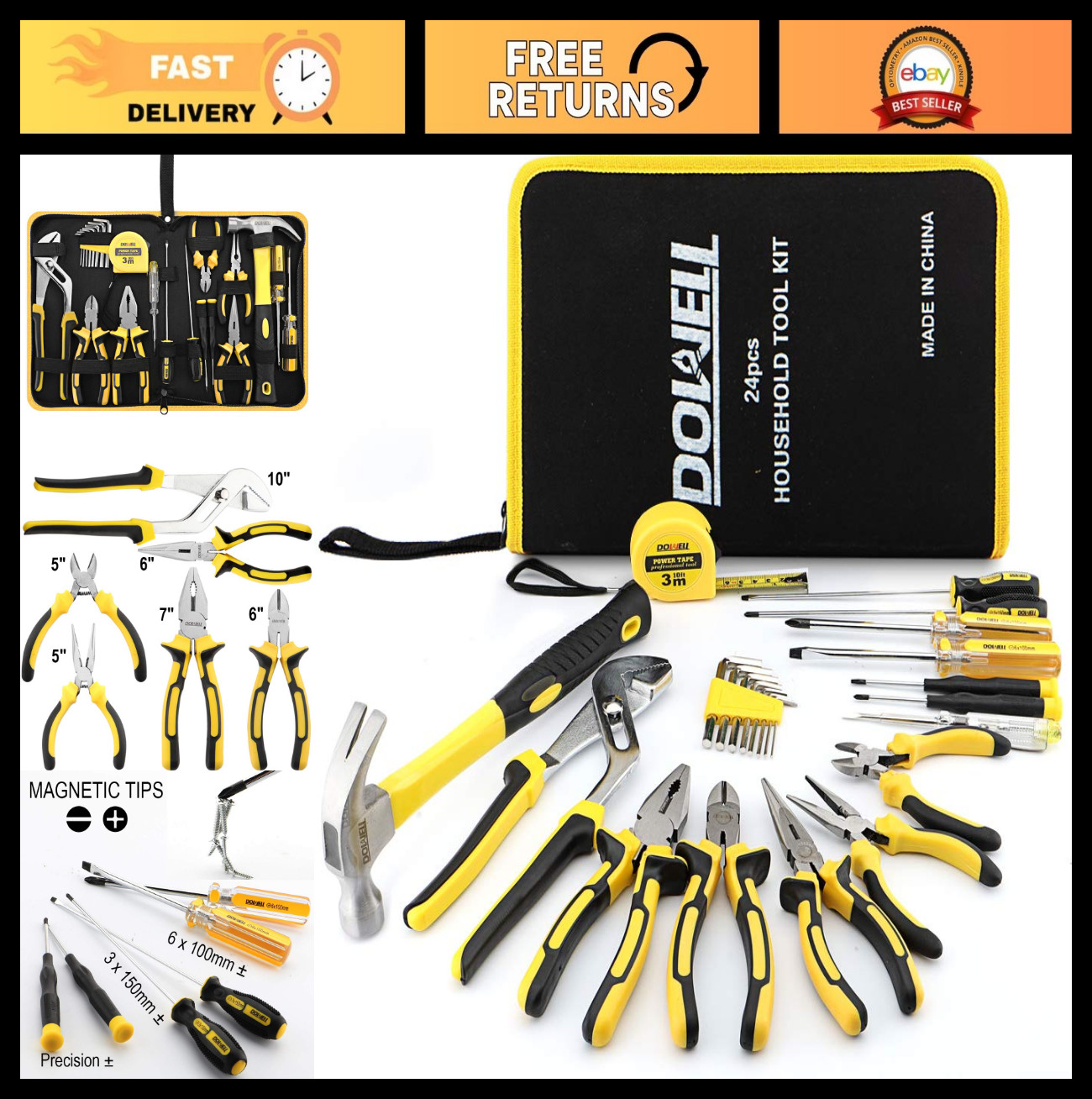 24-Piece Home Repair Tool Set with Portable Bag - Essential Hand Tools Kit$69.99View on eBay
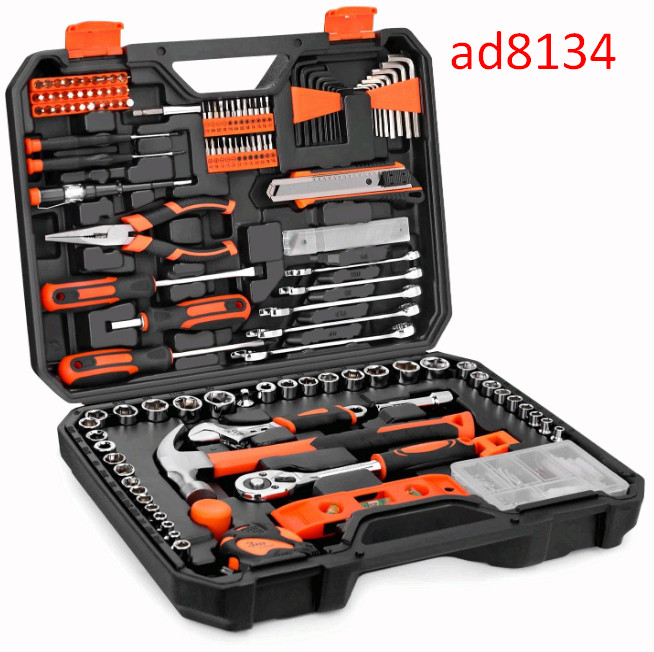 248-Piece Tool Set with Toolbox, Household Hand Tool Kit for Home Repair & DIY$69.99View on eBay
Highlights
- Steel grade separates durable from disposable: chrome-vanadium (CrV) holds edges and resists rust; cheap carbon steel strips and rounds under load.
- Piece count is inflated by bits and fasteners: a 200+ piece kit may contain only 40-60 actual tools, so compare the tool list, not the total.
- Case build matters: blow-molded hard cases protect and organize; thin plastic trays and soft bags wear through at hinge and handle stress points.
- Handle ergonomics decide comfort: dual-material rubberized grips reduce hand fatigue; hard glossy plastic slips and blisters during sustained use.
Best use cases
- Apartment or first-home starter: pick a 24-40 piece kit with hammer, screwdrivers, pliers, tape measure, and utility knife; skip 200+ piece kits full of duplicate bits.
- General homeowner with furniture and fixtures: choose a 100-150 piece kit with CrV steel, a 16 oz claw hammer, and 8-10 inch adjustable wrench; avoid kits that omit a level or hex keys.
- Dedicated DIYer or fixer-upper: skip all-in-one kits and buy a rolling tool chest plus individual CrV tools; kits underdeliver on torque and warranty for repeated heavy use.
Buying tips
- Count actual tools, not pieces: a usable starter kit needs at least 10 hand tools (hammer, 4 screwdrivers, 2 pliers, tape, knife, wrench, level).
- Verify steel: look for CrV or S2 steel markings on bits and sockets; unmarked carbon steel is a durability compromise.
- Match case to storage: hard blow-molded cases suit garages and vehicles; soft bags suit closet storage but offer less impact protection.
- Check bit and socket sizing: 1/4-inch hex bits and 3/8-inch sockets cover most home tasks; skip kits locked to proprietary bit sizes.
Specs
| Steel Grade | Chrome-vanadium (CrV) vs carbon steel |
|---|---|
| Piece Count | 24-40 starter / 100-150 general / 200+ bits-heavy |
| Case Type | Blow-molded hard case vs soft bag |
| Handle Material | Rubberized dual-material vs hard plastic |
Related searches
What to check before buying
- Measure your storage spot: a typical 150-piece hard case runs 16-20 inches wide; confirm shelf or closet depth before buying.
- Confirm handle material: rubber-over-mold grips are safer for wet or oily hands than smooth plastic.
- Check voltage and battery compatibility if the kit includes a cordless drill or power tool; bare-tool kits need a matching battery platform.
- Verify household fastener sizes: most home screws are #1/#2 Phillips and 1/4-inch hex; ensure the kit includes those bits.
FAQ
Data sources: eBay / Amazon listings and product attribute feeds Data updated Nov 20, 2026.
Some links on this page are affiliate links. If you buy after clicking one, we may earn a commission at no extra cost to you. This does not change which products appear here or their order. Affiliate disclosure.