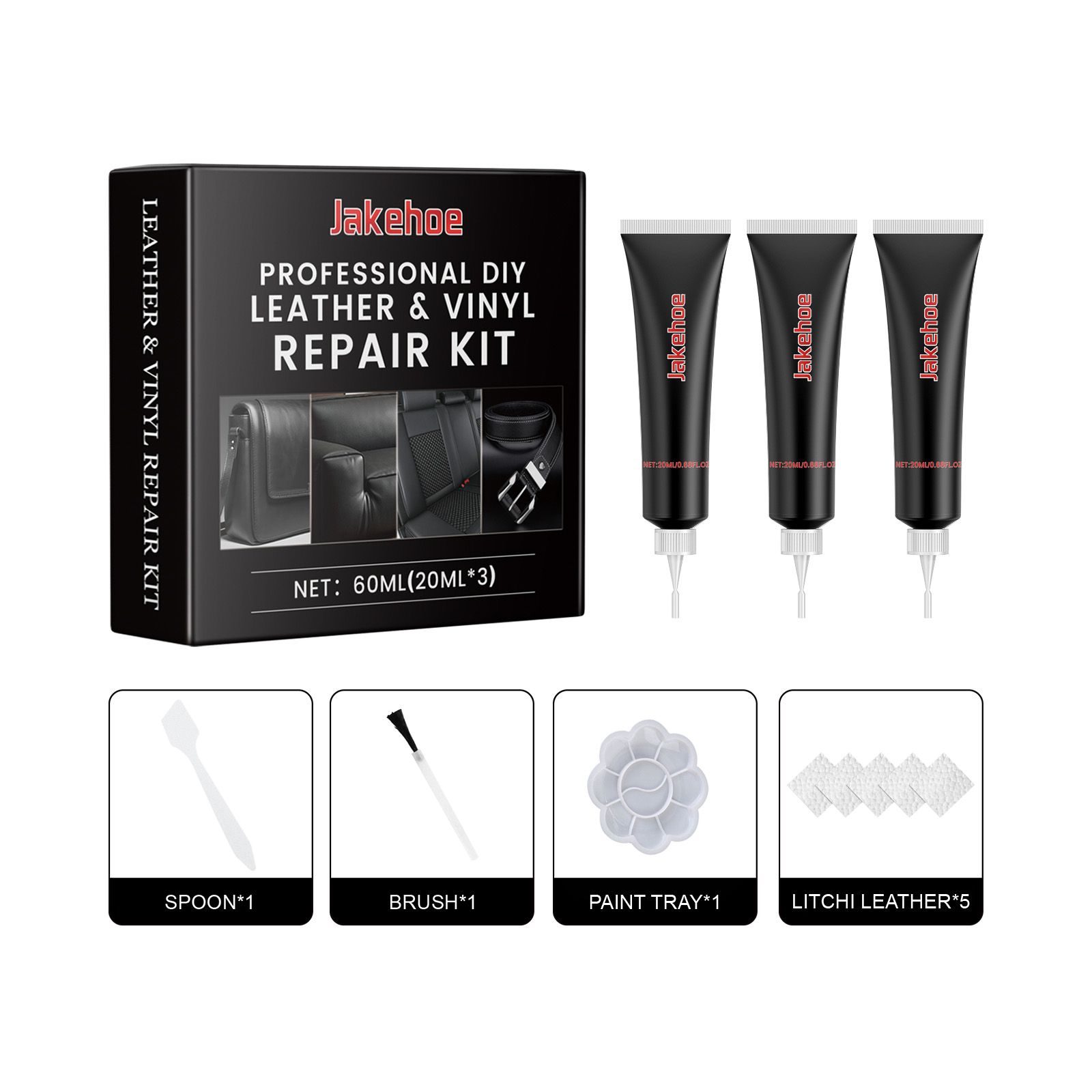

Photos from current listings. Actual item, color, and included accessories may vary.
Leather Repair Patch Buying Guide
Leather repair patches are adhesive-backed or heat-activated sheets used to cover holes, tears, and worn spots on furniture, auto upholstery, and jackets. The primary trade-off is between thin vinyl films that peel in months and thick, leather-fiber or genuine-leather patches with high-tack adhesive that hold under flex and cleaning. The decision rule: buy a patch whose backing is at least 0.8 mm thick and whose adhesive is labeled permanent, and skip any patch that is under 0.5 mm or sold without a backing release liner.


At a glance
- Category
- Home Repair
- Data updated
- Nov 20, 2026
Current offers
Highlights
- Thickness separates durable from disposable: 0.8–1.2 mm leather-fiber or bonded-leather patches resist edge curl; 0.3–0.5 mm vinyl films lift within weeks on curved seats.
- Adhesive type determines bond life: permanent solvent-acrylic or heat-activated glue holds through 60–80 °C furniture cleaning; removable glue or plain pressure-sensitive film fails at 40 °C.
- Backing construction matters: woven fabric or non-woven felt backing distributes stress and prevents tear propagation, while solid vinyl backing cracks at fold lines.
- Surface prep is a spec, not a suggestion: patches bond best to clean, dry, degreased leather or vinyl; silicone- or oil-contaminated surfaces reduce peel strength by half or more.
Best use cases
- Best fit: sofa and chair seat tears up to 4 inches — choose a 0.8–1.2 mm leather-fiber patch with permanent acrylic adhesive and a fabric backing; wrong fit: thin 0.3 mm decorative vinyl film, which will peel at seat flex points.
- Best fit: car seat side bolster wear — pick a flexible 1.0 mm patch with heat-activated adhesive and rounded corners; wrong fit: rigid plastic-backed patch, which will crack and lift under sun and body weight.
- Best fit: jacket or bag repair — choose a supple 0.6–0.8 mm genuine or bonded leather patch with a low-profile edge; wrong fit: thick 1.5 mm furniture-grade patch, which creates a stiff, visible lump on wearable items.
- Best fit: vinyl upholstery in humid or outdoor settings — select a patch rated for vinyl and PVC with solvent-acrylic adhesive; wrong fit: untreated leather patch, which can stain or mold in damp environments.
Buying tips
- Measure the tear and add 1 inch on each side: a 4-inch tear needs at least a 6-inch patch; patches cut to exact tear size peel from the edges within weeks.
- Match patch material to substrate: leather-fiber or bonded leather for leather goods; vinyl or PVC film for vinyl upholstery; cross-material bonds fail at the interface.
- Require a release liner and permanent adhesive on the label: liner-backed patches apply without stretching, and permanent acrylic holds through repeated cleaning and flexing.
- For heat-activated patches, confirm an iron or heat-press temperature range of 120–160 °C and a 30–60 second press time; unactivated heat glue never reaches full bond strength.
Specs
| Patch Material | Leather-fiber / bonded / vinyl film |
|---|---|
| Thickness Range | 0.6–1.2 mm durable; <0.5 mm fails |
| Adhesive Type | Permanent acrylic / heat-activated |
| Backing | Fabric / felt / solid vinyl |
Related searches
What to check before buying
- Measure the repair area including 1 inch of overlap on all sides, and confirm the patch sheet is at least that large in both dimensions.
- Identify the substrate as leather, bonded leather, or vinyl/PVC; pick a patch labeled for that material, and test adhesive on a hidden spot first.
- Check surface condition: clean, dry, and free of silicone, oil, or conditioner; degrease with isopropyl alcohol and let dry fully before applying.
- Confirm application method matches your tools: self-adhesive needs only pressure; heat-activated needs an iron or heat press capable of 120–160 °C.
FAQ
Data sources: eBay / Amazon listings and product attribute feeds Data updated Nov 20, 2026.
Some links on this page are affiliate links. If you buy after clicking one, we may earn a commission at no extra cost to you. This does not change which products appear here or their order. Affiliate disclosure.