Photos from current listings. Actual item, color, and included accessories may vary.
Under Door Draft Stopper Buying Guide
An under-door draft stopper is a low-cost barrier that seals the gap between the door bottom and the floor to block air, noise, dust, and insects. The core trade-off is adjustability versus sealing force: foam or fabric sleeves slide on easily but wear and leak at large gaps, while weighted or dual-sided units press harder and last longer. The decision rule is simple: measure the door gap and width first; pick a weighted or dual-blade design rated for that gap height, and skip thin single-foam strips for gaps over 0.75 inch.


At a glance
- Category
- Home Repair
- Data updated
- Nov 20, 2026
Current offers
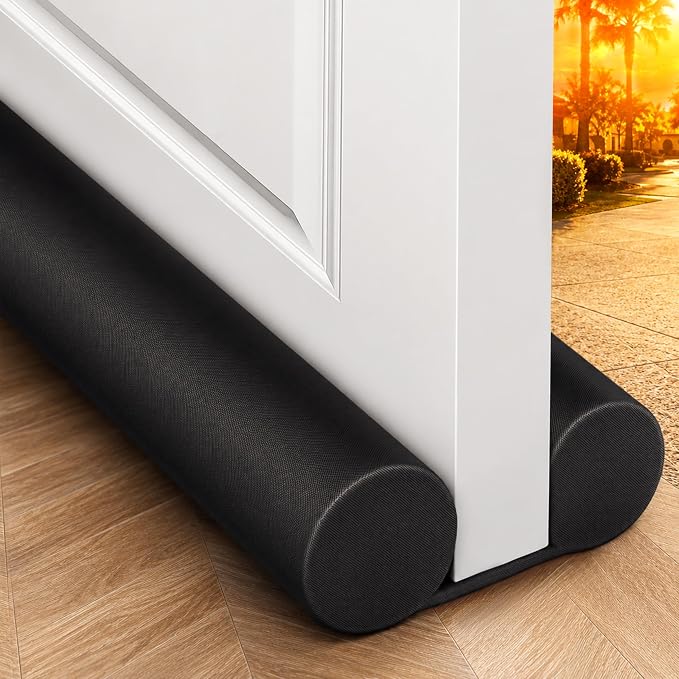 38-Inch Under Door Draft Stopper, Black Wind Blocker And Bottom Seal For Noise And Cold Air Reduction$60.99
 View on Mallflare
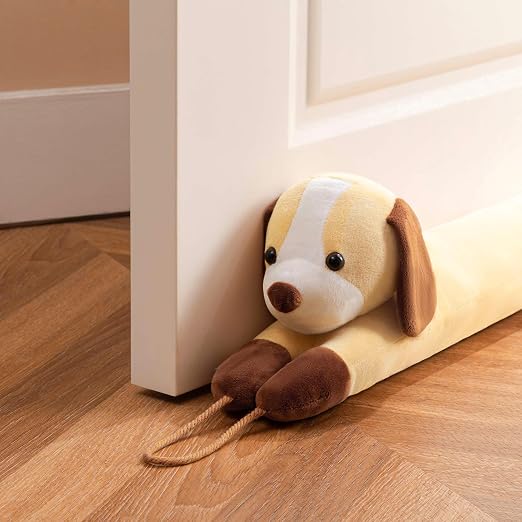 38-Inch Yellow Dog Door Draft Stopper, Under Air Blocker For Hot And Cold Air, Wind And Noise Reduction$68.99View on Mallflare
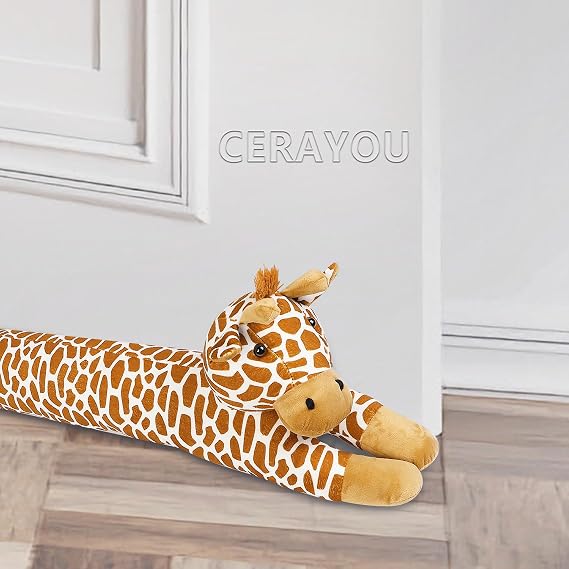 36-Inch Heavy-Duty Giraffe Door Draft Stopper, Decorative Weighted Under & Window Insulation Guard For Wind, Dust And Noise$73.99View on Mallflare
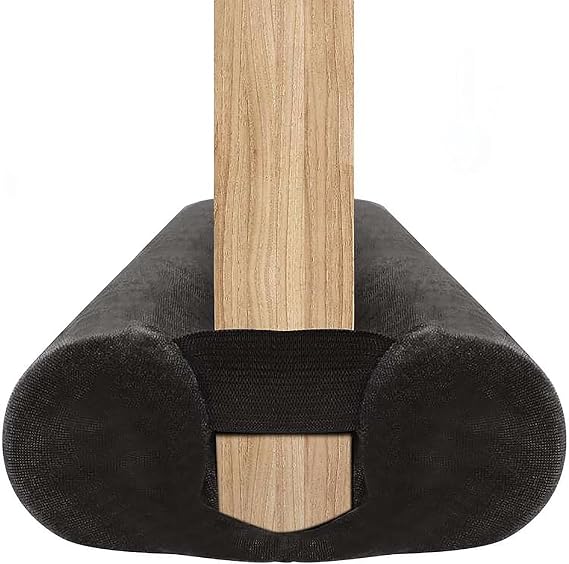 Door Draft Stopper, No-Adhesive Under Wind Blocker And Noise Reduction Draught Excluder For Bottom$81.99View on Mallflare
Highlights
- Dual-sided (sandwich) stoppers seal both faces of the door and stay centered; single-sided sleeves can drag and shift during use.
- Weighted cores (sand, steel shot, or dense foam) maintain floor contact on tile and hardwood; unweighted foam lifts at high-clearance thresholds.
- Length must match or slightly exceed door width: a 36-38 inch unit fits standard 32-36 inch interior doors with trim clearance.
- Fabric covers are removable and washable; bare foam and open-cell cores absorb moisture and compress permanently over time.
Best use cases
- Best fit: interior bedroom or living-room doors with 0.25-0.75 inch gaps — choose a weighted dual-sided fabric unit for noise and cold-air blocking.
- Best fit: exterior or garage-entry doors with gaps up to 1 inch — choose a heavy-duty weighted stopper or a dual-blade design; skip thin adhesive foam strips.
- Wrong fit: sliding closet or pocket doors — a bottom sleeve interferes with the track; use a brush-style or threshold seal instead.
- Wrong fit: doors with less than 0.25 inch clearance or deep-pile carpet — a thick stopper will drag; use a thin sweep or brush seal.
Buying tips
- Measure gap height at the widest point with the door closed; choose a stopper rated at or above that height — foam compresses, so a 0.75 inch gap needs a 1 inch rated unit.
- Measure door width including trim; a 36-38 inch stopper covers standard 32-36 inch doors, while 30-32 inch units suit narrow closets and bathrooms.
- Prefer removable, machine-washable fabric covers over glued foam; covers restore sealing performance after dust and pet hair buildup.
- For noise reduction, weight matters more than thickness: a filled or weighted core dampens sound better than a hollow foam tube.
Specs
| Seal Type | Dual-sided sleeve / single foam / brush |
|---|---|
| Core Weight | Weighted (sand/shot) vs unweighted foam |
| Length Fit | 30-38 in for 28-36 in doors |
| Gap Rating | 0.25-1.0 in floor clearance |
Related searches
What to check before buying
- Door gap: measure floor clearance at the hinge, center, and latch side with the door closed — gaps vary and the largest value governs fit.
- Floor surface: smooth tile and hardwood suit weighted sleeves; deep carpet or rugs require a low-profile or brush-style seal to avoid dragging.
- Door swing clearance: confirm the stopper does not bind on the threshold or frame when the door opens fully.
- Companion parts: for gaps over 1 inch or uneven floors, pair a bottom stopper with a door-frame weatherstrip kit for a complete seal.
FAQ
Data sources: eBay / Amazon listings and product attribute feeds Data updated Nov 20, 2026.
Some links on this page are affiliate links. If you buy after clicking one, we may earn a commission at no extra cost to you. This does not change which products appear here or their order. Affiliate disclosure.