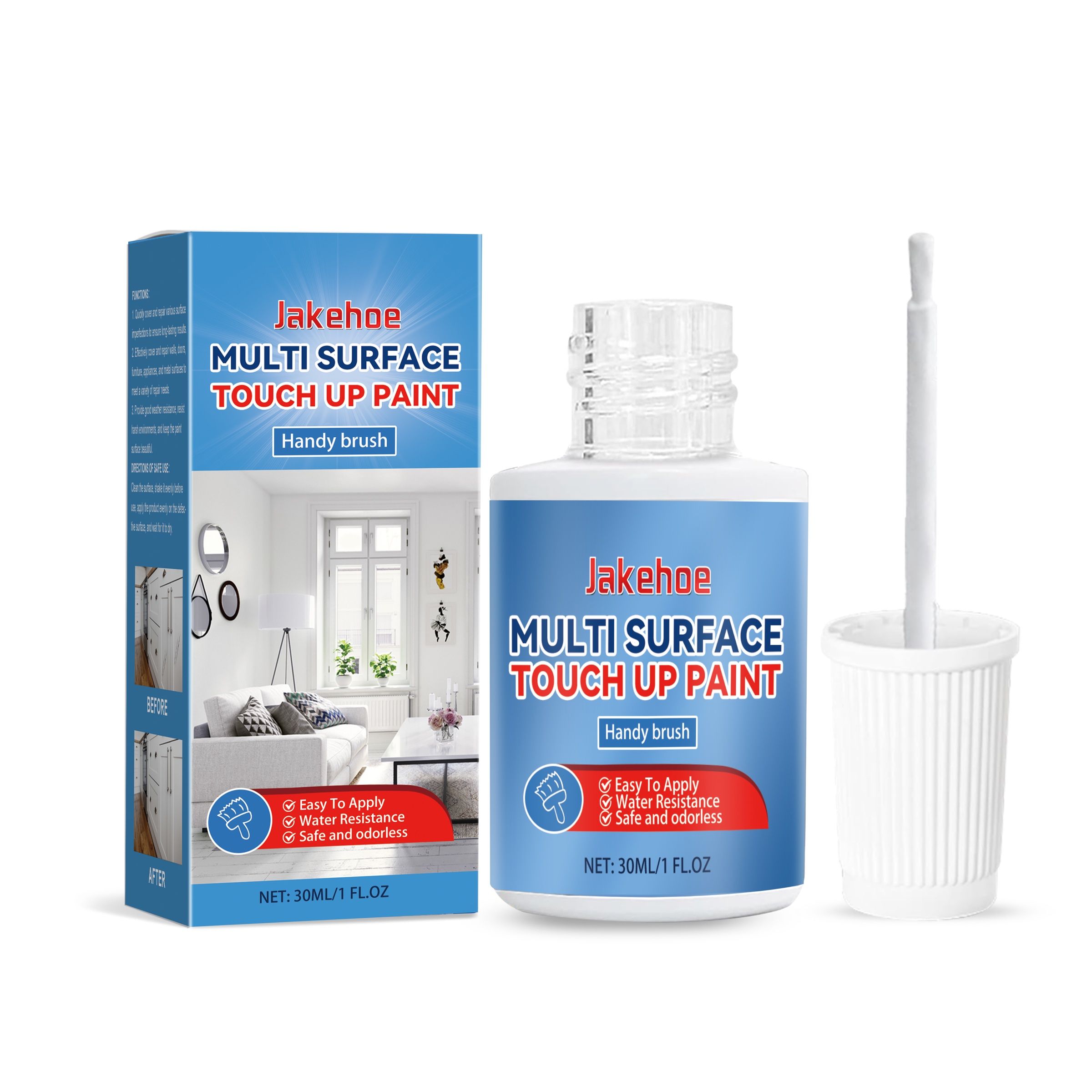

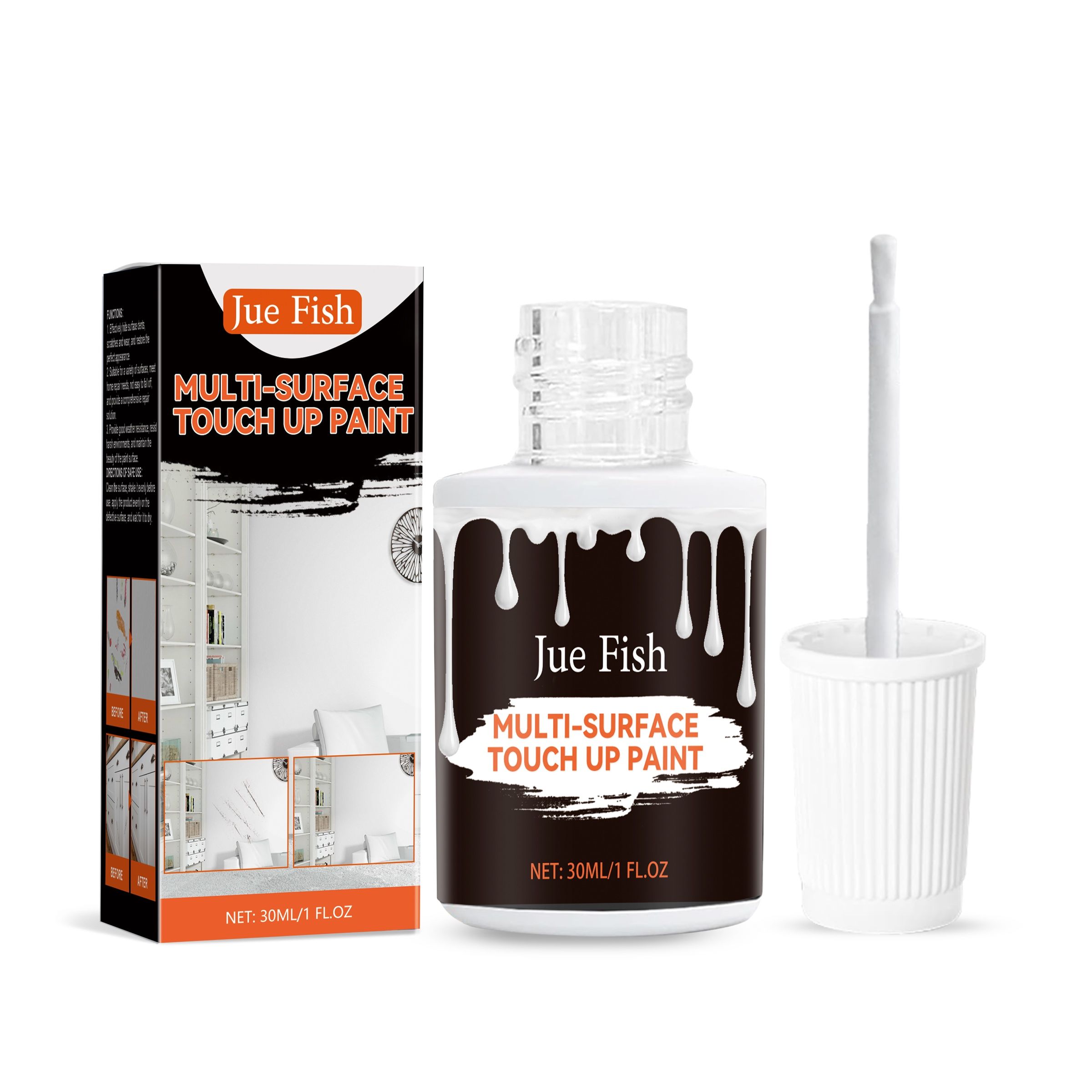
Photos from current listings. Actual item, color, and included accessories may vary.
Touch Up Paint Buying Guide
Touch-up paint is a small-format repair coating designed to conceal chips, scratches, and scuffs on vehicle panels or painted household surfaces. The core trade-off is color-match method versus durability: factory-matched OEM codes and 2K clear-topcoat systems deliver invisible, long-lasting repairs, while universal brush bottles rely on approximate blending and softer resin that fades or washes out. Choose by application — vehicle OEM code match for cars, multi-surface enamel for furniture and trim — and treat generic 30 ml brush bottles as temporary cosmetic fixes, not structural panel repair.


At a glance
- Category
- Painting & Finishing Supplies
- Data updated
- Nov 20, 2026
Current offers
Highlights
- Vehicle touch-up comes in three architectures: OEM aerosol (largest coverage), OEM pen/brush (small chips), and universal brush bottle (approximate match).
- Durability tiers are resin-based: acrylic lacquer is easiest to apply but least chemical-resistant; urethane and 2K clear-coat systems resist UV, fuel, and car washes far longer.
- True color match requires the factory paint code (door jamb or VIN lookup), not the marketing color name — same-name blues vary by model year and plant.
- Multi-surface 30 ml brush bottles suit interior trim, metal furniture, and crafts but lack UV stabilizers for long-term exterior automotive use.
Best use cases
- Chip and scratch repair on a modern clear-coated car: pick an OEM-code-matched pen or aerosol with a separate 2K clear step; skip universal brush bottles.
- Restoring painted metal furniture, gates, or radiators: a multi-surface enamel brush bottle in 30 ml is sufficient; skip automotive clear-coat products.
- Small DIY cosmetics on a leased or older vehicle: a matched brush pen handles door-edge chips without spray equipment; skip aerosol on adjacent panels without blending.
- Large scuffed bumper or panel: use matched aerosol plus primer and clear; single 30 ml brush bottles are wrong for areas beyond a coin-sized patch.
Buying tips
- Match by factory paint code from the door jamb or VIN, not by color name — the same 'blue' can differ across model years and assembly plants.
- For exterior car panels, require a system with primer, base, and clear (2K or urethane) layers; single-layer lacquer pens fade within a season.
- Coverage math: a 30 ml brush bottle covers roughly a coin-sized chip cluster per application; plan one bottle per panel of scattered chips.
- Verify compatibility with the substrate (clear coat, single-stage, plastic bumper, powder coat) — enamel over lacquer or bare plastic can lift or flake.
Specs
| Match Method | OEM code vs universal color name |
|---|---|
| Resin Type | Lacquer / urethane / 2K clear |
| Format | Pen, brush bottle, aerosol |
| Volume | 30 ml brush / aerosol can |
Related searches
What to check before buying
- Locate the factory paint code on the driver door jamb, glovebox sticker, or VIN decode before ordering any vehicle touch-up.
- Confirm the surface is a cured clear coat or OEM paint, not a wrap, vinyl, or aftermarket respray with unknown chemistry.
- Check application temperature and cure window — most touch-up paints need above 10 °C / 50 °F and 24 hours dry time.
- Have the companion steps ready: abrasive prep, primer if down to metal/plastic, and clear-coat pen for a lasting repair.
FAQ
Data sources: eBay / Amazon listings and product attribute feeds Data updated Nov 20, 2026.
Some links on this page are affiliate links. If you buy after clicking one, we may earn a commission at no extra cost to you. This does not change which products appear here or their order. Affiliate disclosure.