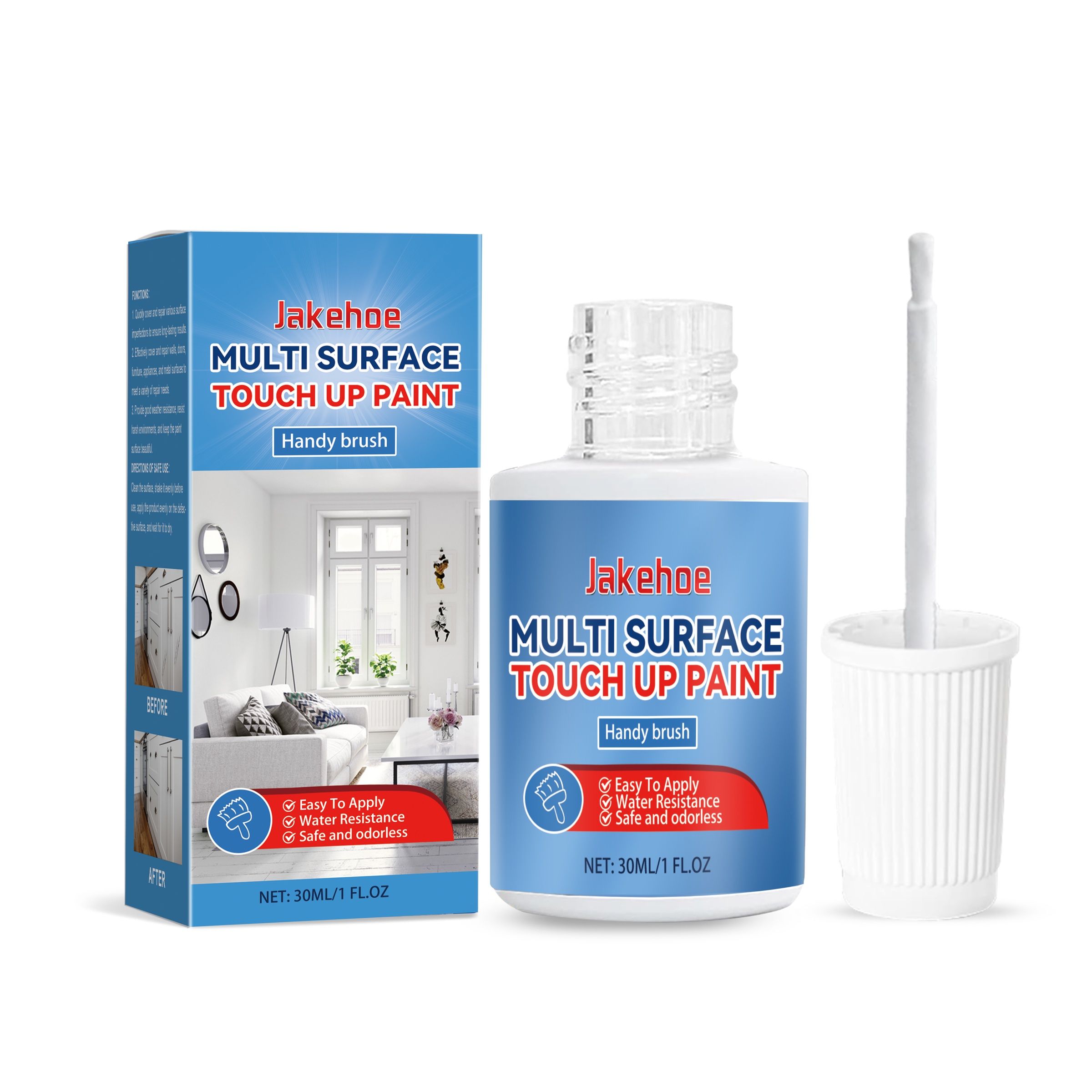

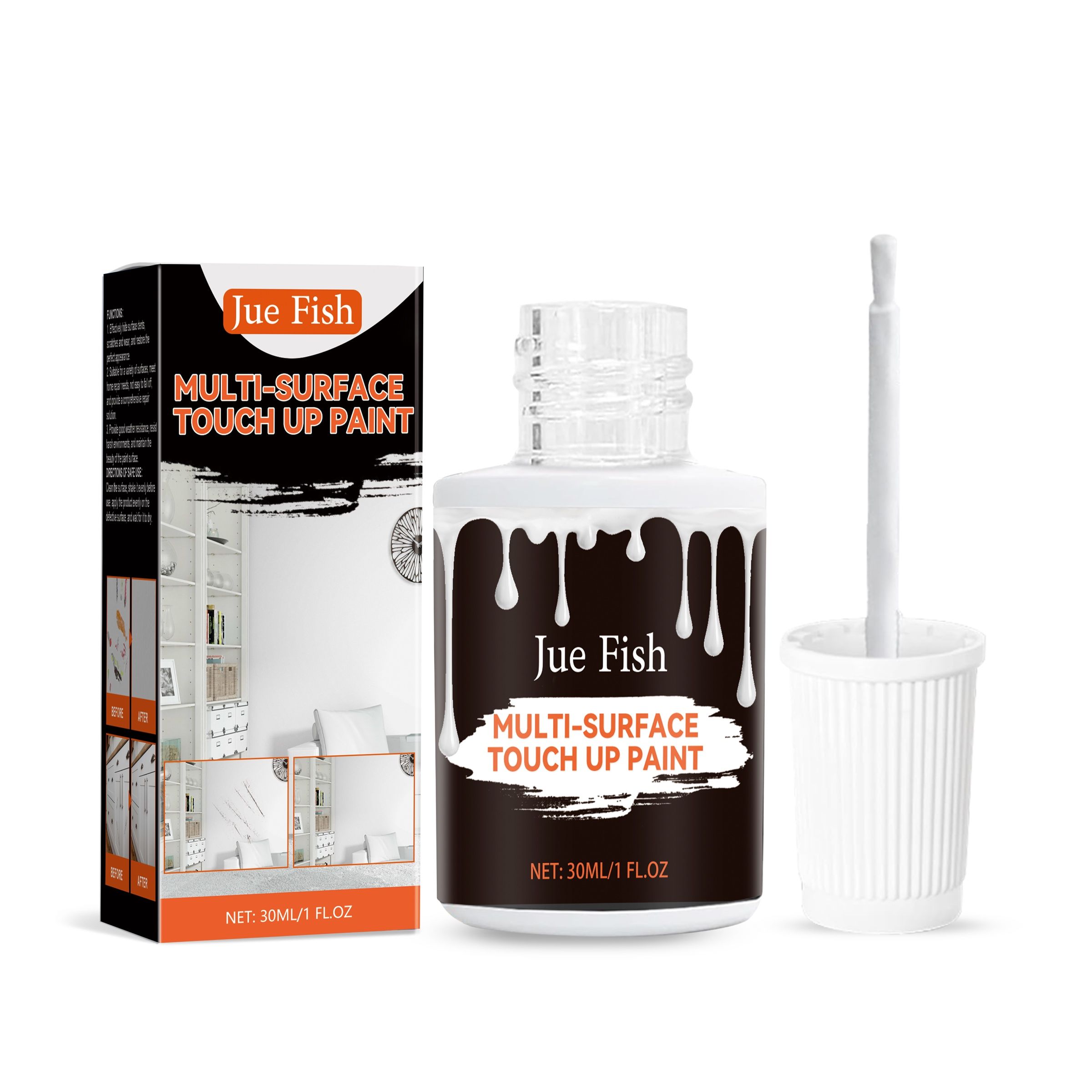
Photos from current listings. Actual item, color, and included accessories may vary.
Touch Up Paint Rim Buying Guide
Touch-up paint for rims is a small-volume, color-matched coating used to conceal curb rash, stone chips, and scratches on alloy or steel wheels. The primary trade-off is between precise OEM color-match and film durability: generic multi-surface paints are convenient but rarely match wheel finishes or resist brake dust and UV. The clear decision rule is to buy a system with a verifiable color code and a compatible clear coat, not a single universal bottle.


At a glance
- Category
- Painting & Finishing Supplies
- Data updated
- Nov 20, 2026
Current offers
Highlights
- OEM-matched touch-up systems use the vehicle's paint code (e.g., a 4-digit alphanumeric tag on the door jamb) rather than generic silver or black.
- Two-part systems with a separate clear coat resist brake dust, road salt, and UV far better than single-stage lacquer pens.
- Alloy wheel finishes are typically powder coat or baked enamel; matching paint must be a close color and gloss match, not just a metallic flake approximate.
- A 30 ml bottle covers roughly 0.5–1 sq ft of thin coats—enough for multiple small chips but not a full wheel refurbishment.
Best use cases
- Best fit: a single curb rash or stone chip on a factory alloy wheel—choose an OEM paint-code match plus clear coat for a seamless repair.
- Best fit: steel winter wheels with chips—a durable single-stage enamel in the correct color is sufficient and cost-effective.
- Wrong fit: deep gouges or bent lips—touch-up paint only hides color loss; structural damage requires wheel repair or replacement.
- Wrong fit: full-wheel color changes or refinishing—use a dedicated wheel coating or powder coat, not 30 ml touch-up bottles.
Buying tips
- Find your wheel's paint code on the vehicle's door jamb, spare tire well, or wheel center cap—ordering by code is the only reliable match method.
- Choose a kit with a separate clear coat if the wheel sees winter salt or frequent brake dust; single-stage pens degrade faster.
- For metallic and pearl finishes, apply a metallic base coat followed by clear; a single silver bottle will not match flake size or depth.
- A 30 ml bottle is appropriate for spot repairs; for multiple wheels or larger areas, buy a larger volume or a wheel-specific aerosol.
Specs
| Color Match Method | OEM paint code vs generic color |
|---|---|
| Coat System | Base + clear vs single-stage |
| Volume | 30 ml touch-up vs larger repair kit |
| Wheel Finish | Powder coat / painted alloy / machined |
Related searches
What to check before buying
- Confirm the wheel finish type—powder coat, painted alloy, or machined face—since machined faces need a clear-only repair, not color paint.
- Verify the paint code from the vehicle's door jamb or wheel documentation; do not rely on a visual color name.
- Check that the kit includes a clear coat and a precision applicator (brush or pen) for chip-level work.
- Ensure the wheel surface is clean, degreased, and above 50°F/10°C during application for proper adhesion.
FAQ
Data sources: eBay / Amazon listings and product attribute feeds Data updated Nov 20, 2026.
Some links on this page are affiliate links. If you buy after clicking one, we may earn a commission at no extra cost to you. This does not change which products appear here or their order. Affiliate disclosure.