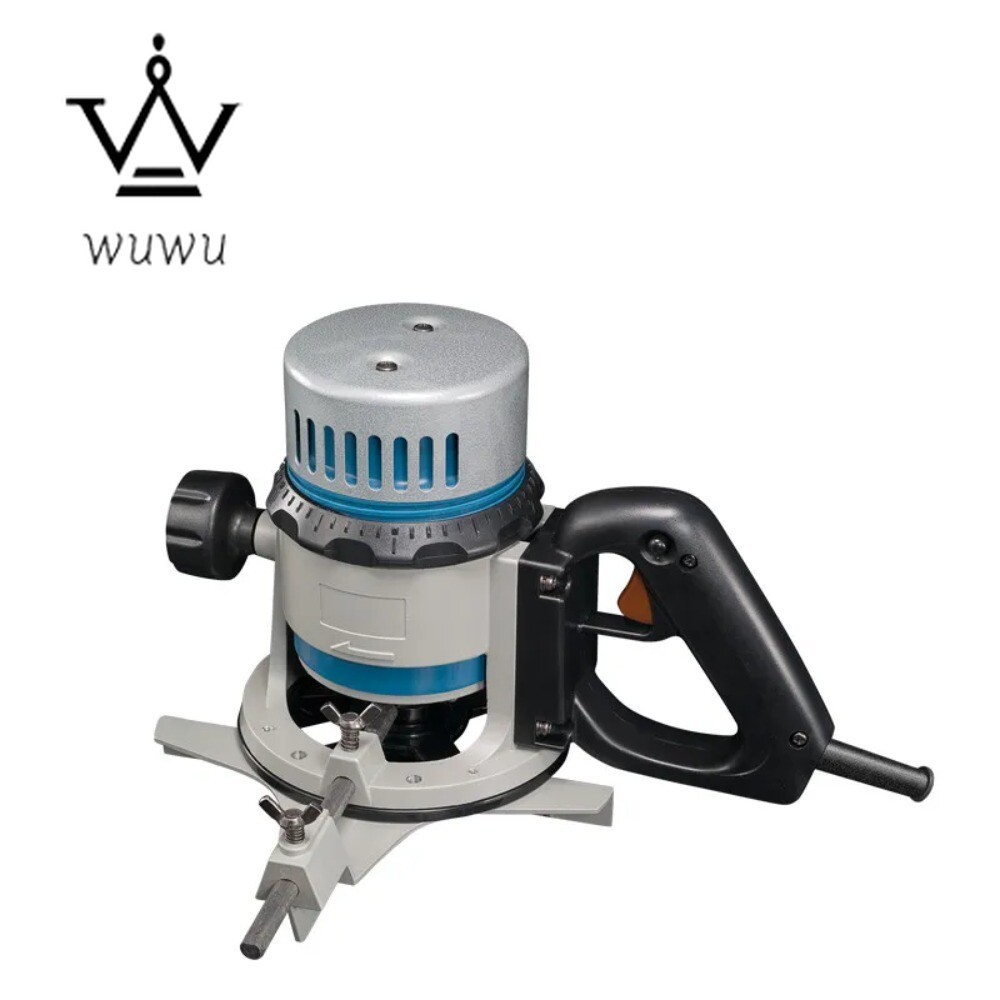

Photos from current listings. Actual item, color, and included accessories may vary.
Electric Carving Tool Buying Guide
An electric carving tool is a handheld rotary or reciprocating power tool used for wood shaping, detail carving, engraving, and stock removal where chisels are too slow. The core trade-off is spindle speed and torque versus control and bit compatibility: high-speed rotary tools excel at fine detail but bog down in hardwoods, while lower-speed high-torque units carve aggressively but demand two-handed control. The decision rule is simple: choose a rotary tool only for detail work under 1/4-inch bits and light stock removal, and step up to a reciprocating or high-torque flexible-shaft unit for sustained hardwood carving and deep relief work.


At a glance
- Category
- Wood Routers & Carving Tools
- Data updated
- Nov 20, 2026
Current offers
Highlights
- Rotary carving tools run 5,000-35,000 RPM; variable-speed dials with feedback circuitry maintain torque under load, while single-speed units stall in hard maple and oak.
- Collet size determines bit compatibility: 1/8-inch (3.2 mm) is the rotary standard, 1/4-inch (6.35 mm) handles larger burrs and faster stock removal, and 3/32-inch suits micro-detail bits only.
- Reciprocating power carvers stroke at 0-2,500 SPM with 1-2 mm stroke length, removing wood faster than rotary burrs but leaving a rougher surface that requires finish sanding.
- Flexible-shaft units separate the motor from the handpiece, cutting handpiece weight to under 1 lb and letting the motor run continuously without heat transfer to the grip.
Best use cases
- Best fit: variable-speed 1/8-inch rotary tool with 5,000-35,000 RPM range and a 1.0-1.5 amp motor for miniature carving, engraving, and light relief work in basswood and softwoods.
- Best fit: reciprocating power carver with 0-2,500 SPM and 1.5-2 mm stroke for roughing out bowls, decoy bodies, and deep relief in green wood or butternut.
- Wrong fit: single-speed rotary tool for hardwood relief carving—it stalls under load and burns bits; skip it and choose a variable-speed unit with electronic feedback or a reciprocating carver.
- Wrong fit: 1/4-inch collet rotary tool for micro-detail work under 1/16-inch—the larger handpiece and bit mass reduce control; use a 1/8-inch or 3/32-inch collet setup instead.
Buying tips
- Match collet to bit shank: 1/8-inch (3.2 mm) covers most carving burrs; add a 1/4-inch collet only if you plan to run large carbide burrs for stock removal.
- Require a variable-speed dial with a stated RPM floor at or below 5,000 RPM—high minimum speeds burn softwoods and melt plastic-wood composites.
- Check motor amperage: 1.0-1.5 A rotary tools handle continuous carving; under 1.0 A units overheat and lose torque in hardwood.
- For reciprocating carvers, confirm stroke length of 1.5-2 mm and a blade-change system that accepts standard 1/4-inch shank carving blades.
Specs
| Tool Type | Rotary vs reciprocating vs flex-shaft |
|---|---|
| Speed Range | 5,000-35,000 RPM rotary; 0-2,500 SPM recip |
| Collet / Shank | 1/8 in standard; 1/4 in and 3/32 in optional |
| Motor Power | 1.0-1.5 A corded; 12-20 V cordless |
Related searches
What to check before buying
- Measure your workbench and power outlet reach—corded rotary tools typically ship with 6-8 ft cords; plan for an extension cord or a cordless unit if you carve outdoors.
- Confirm your workspace voltage and plug standard (120 V NEMA 1-15 for North America, 230 V Type F/G for Europe) before ordering a corded model.
- Verify bit compatibility: your existing bits must match the tool's collet size (1/8-inch, 1/4-inch, or 3/32-inch) or you will need an adapter collet.
- Check handpiece grip diameter and weight—under 1 lb and under 1.5-inch diameter suits detail work; heavier handpieces demand a flex-shaft or two-handed grip.
FAQ
Data sources: eBay / Amazon listings and product attribute feeds Data updated Nov 20, 2026.
Some links on this page are affiliate links. If you buy after clicking one, we may earn a commission at no extra cost to you. This does not change which products appear here or their order. Affiliate disclosure.