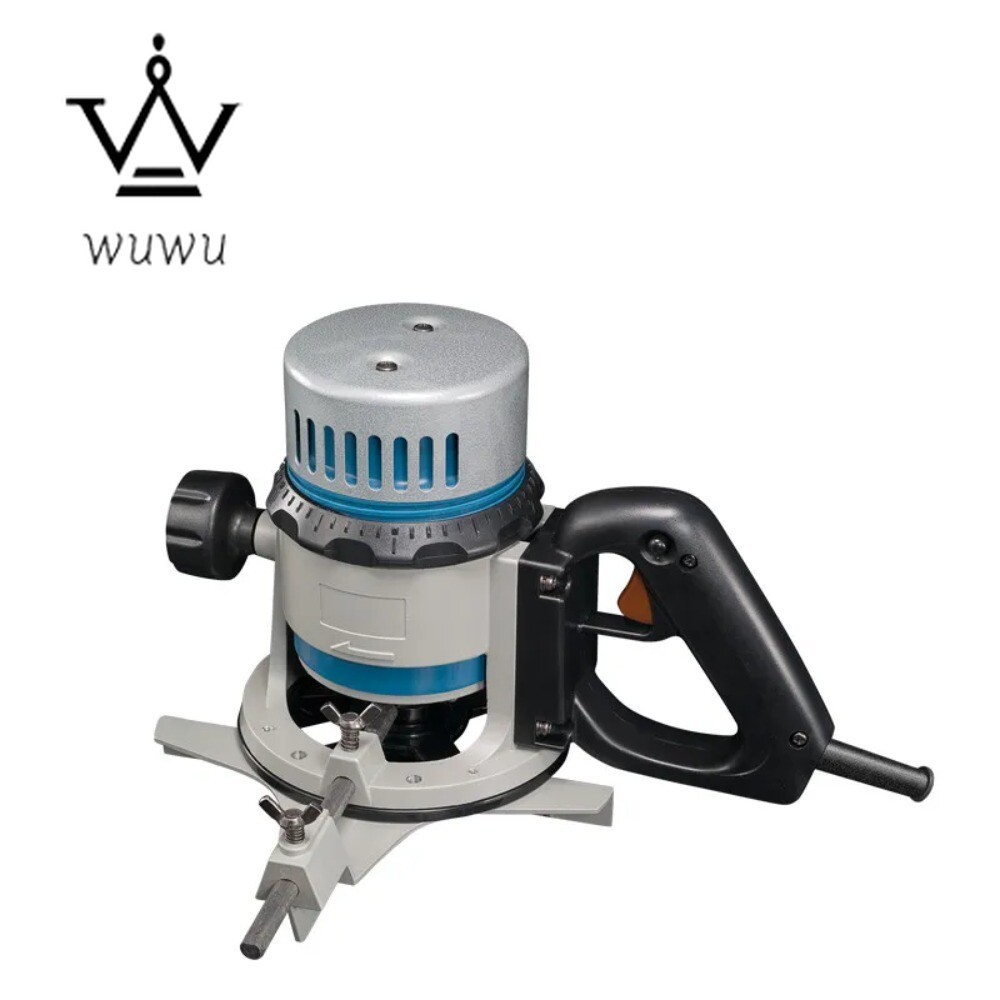

Photos from current listings. Actual item, color, and included accessories may vary.
Electric Wood Carving Tool Buying Guide
Electric wood carving tools are compact rotary or reciprocating powerheads that spin small burrs, bits, or gouges to shape wood with control and detail impossible with a fixed router. The core trade-off is spindle torque and collet precision versus handpiece weight and speed range: low-torque, high-RPM units suit fine detail, while higher-torque, lower-RPM units handle stock removal and hardwoods without stalling. The decision rule is simple: choose a tool whose collet system, speed band, and motor type match your hardest wood and largest bit, not the highest advertised RPM.


At a glance
- Category
- Wood Routers & Carving Tools
- Data updated
- Nov 20, 2026
Current offers
Highlights
- Rotary carving tools use either brushed DC motors (lighter, cheaper, shorter duty cycle) or brushless motors (longer life, cooler running, higher continuous torque at the same size).
- Collet size determines bit compatibility: 1/8 in (3.2 mm) is standard for micro burrs; 1/4 in (6.35 mm) handles larger carbide burrs and stock removal without chatter.
- Speed control matters more than peak RPM: a 5,000-30,000 RPM variable range lets you run large burrs slow and small detail bits fast without burning wood.
- Reciprocating and flexible-shaft carvers trade rotary precision for low-vibration material removal; they excel at roughing and texturing but cannot match a rotary tool for fine inlay.
Best use cases
- Best fit: choose a 1/8 in collet brushless rotary tool with 5,000-30,000 RPM variable speed for fine detail carving, inlay, and small-scale sculpting in softwoods and basswood.
- Best fit: choose a 1/4 in collet, higher-torque rotary or flexible-shaft unit for aggressive stock removal, hogging out bowls, and working hardwoods like oak and walnut.
- Wrong fit: skip high-RPM low-torque pencil grinders for large carbide burrs in hardwoods—they stall and burn the cut; step up to a 1/4 in collet tool with lower minimum RPM.
- Wrong fit: skip heavy flexible-shaft setups for delicate miniature and decoy carving where handpiece weight and cable drag reduce control; use a compact cordless rotary handpiece instead.
Buying tips
- Match the collet to your bit shank: 1/8 in (3.2 mm) for micro burrs and detail bits, 1/4 in (6.35 mm) for large carbide burrs and safe stock removal.
- Pick a motor type by duty cycle: brushed motors suit intermittent hobby use; brushless motors are the durable choice for continuous carving sessions and hardwoods.
- Demand variable speed with a low minimum: a tool that cannot drop to roughly 5,000 RPM will burn large burrs in dense wood; a 30,000 RPM top end is enough for detail bits.
- Check handpiece ergonomics and weight—pencil-style bodies under about 1 lb reduce fatigue for long detail sessions, while heavier bodies stabilize roughing cuts.
Specs
| Motor Type | Brushless vs brushed DC |
|---|---|
| Collet Size | 1/8 in (3.2 mm) / 1/4 in (6.35 mm) |
| Speed Range | 5,000-30,000 RPM variable |
| Power Source | Corded / cordless / flexible shaft |
Related searches
What to check before buying
- Confirm your bit shanks: measure the shank diameter of the burrs you own or plan to buy to select 1/8 in or 1/4 in collet tooling.
- Verify power and plug standard: corded units need the correct mains voltage and plug type for your region; cordless units need a compatible charger voltage.
- Plan dust and chip control: carving produces fine dust, so confirm the tool accepts a dust port or plan for a shop vacuum and respiratory protection.
- Check workholding and lighting: secure small workpieces with clamps or a vise and add task lighting, since rotary carving demands clear sightlines and two-hand control.
FAQ
Data sources: eBay / Amazon listings and product attribute feeds Data updated Nov 20, 2026.
Some links on this page are affiliate links. If you buy after clicking one, we may earn a commission at no extra cost to you. This does not change which products appear here or their order. Affiliate disclosure.