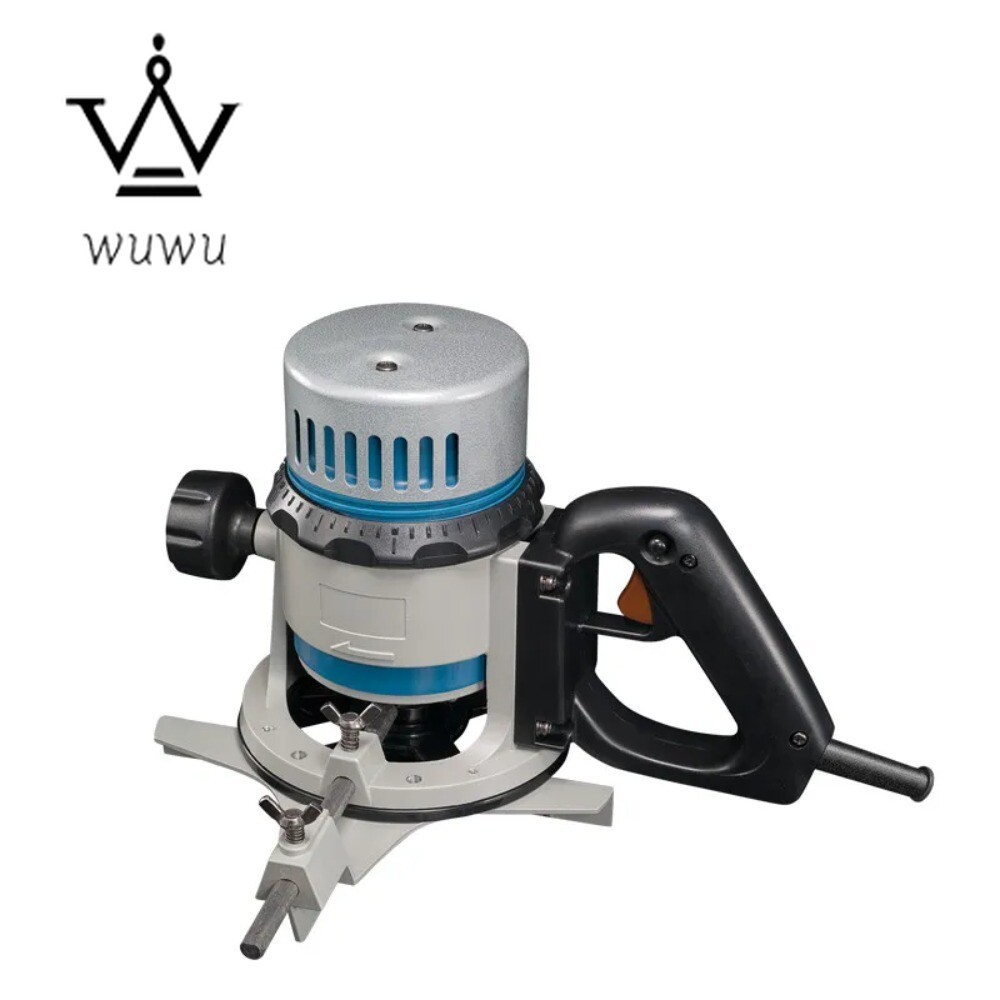

Photos from current listings. Actual item, color, and included accessories may vary.
Wood Carving Tool Buying Guide
Wood carving tools are a hand-tool segment defined by the blade steel and handle geometry; the primary trade-off is edge-holding tool steel versus corrosion resistance and cost. A fixed-blade set of high-carbon or A2 steel with full-tang handles and a strop is a durable carving foundation, while stamped stainless or short-tang budget sets are for casual whittling only.


At a glance
- Category
- Wood Routers & Carving Tools
- Data updated
- Nov 20, 2026
Current offers
Highlights
- High-carbon steel (0.8-1.0% C) takes a keener edge and strops back faster than stainless, but requires drying and light oiling after use.
- Palm tools use short 1.5-2 in blades with 0.5-1 in diameter handles; full-size bench tools run 3-5 in blades with 4-5 in handles for two-handed control.
- Full-tang blades (steel running the full handle length) resist loosening under mallet blows; rat-tail or partial tangs loosen and snap under heavy stock removal.
- A leather strop with chromium oxide compound restores a carving edge in 20-40 strokes and is mandatory for gouges and V-tools that a stone cannot reach.
Best use cases
- Choose a 6-12 piece palm set (gouge, V-tool, skew, chisels) with high-carbon blades for spoon carving, small figures, and detail work in softwoods and basswood.
- Choose full-size bench gouges with 4-5 in handles and wooden mallets for relief carving, architectural details, and hardwood stock above 1 in thickness.
- Skip miniature 3-piece 'beginner' kits with stamped stainless blades for anything beyond soap and basswood; they cannot hold an edge in cherry, oak, or walnut.
- Skip mallet-driven work with palm tools; their short handles and thin tangs are not built for impact and will loosen or break.
Buying tips
- Match tool size to stock: palm tools for 0.5-1.5 in stock and detail, full-size bench tools for 1-4 in stock and relief/mallet work.
- Prioritize high-carbon (0.8-1.0% C) or A2 tool steel for edge retention; accept stainless only if rust prevention outweighs sharpening frequency.
- Confirm full-tang construction and a ferrule or metal collar at the blade-handle junction; this is the failure point on budget sets.
- Budget for a strop and compound; a carving edge dulls in 15-30 minutes of use and honing is part of the tool system, not an accessory.
Specs
| Blade Steel | High-carbon 0.8-1.0% C vs stainless |
|---|---|
| Tool Scale | Palm 1.5-2 in vs bench 3-5 in blades |
| Tang Construction | Full-tang vs partial/rat-tail |
| Kit Size | 6-12 pc working set vs 3-pc starter |
Related searches
What to check before buying
- Measure your stock thickness and project scale: below 1.5 in favors palm tools; above 1.5 in or mallet work requires full-size bench gouges.
- Check handle diameter against your grip: 0.5-1 in for palm tools, 1-1.25 in for full-size tools, to avoid hand fatigue on long sessions.
- Confirm you have a sharpening setup (strop plus compound, or stones 1000/4000 grit) before buying any carving set.
- Verify the tool roll or storage case is included; loose gouges in a drawer chip edges and expose hands to sharp flutes.
FAQ
Data sources: eBay / Amazon listings and product attribute feeds Data updated Nov 20, 2026.
Some links on this page are affiliate links. If you buy after clicking one, we may earn a commission at no extra cost to you. This does not change which products appear here or their order. Affiliate disclosure.