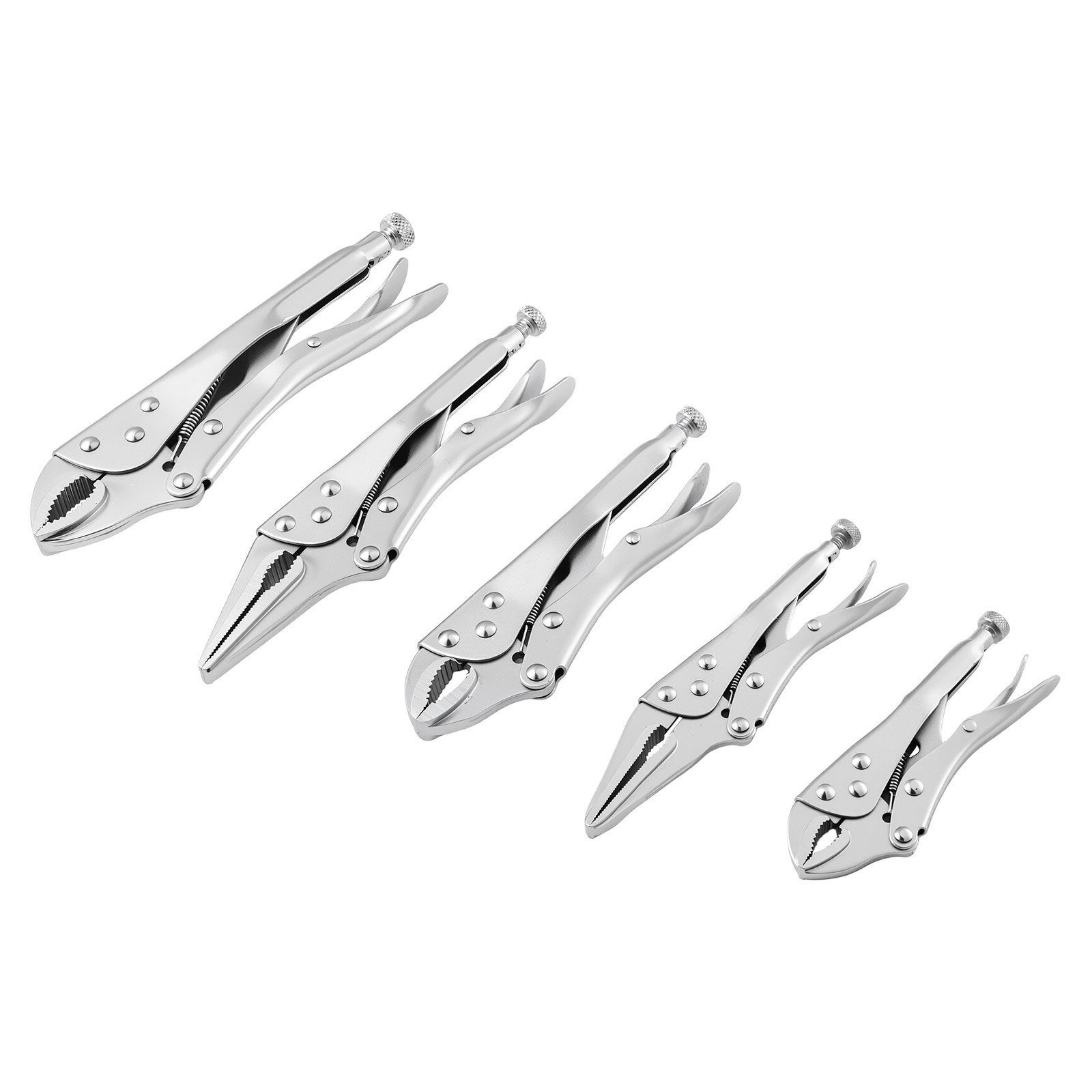
DIY Tool Picks
Tools & Home Improvement Reviews & Buying Guides
Compare tools & home improvement by use case, features, trade-offs, price, returns, and seller terms before you buy.
Buying guides
Woodworking Saws & Planers
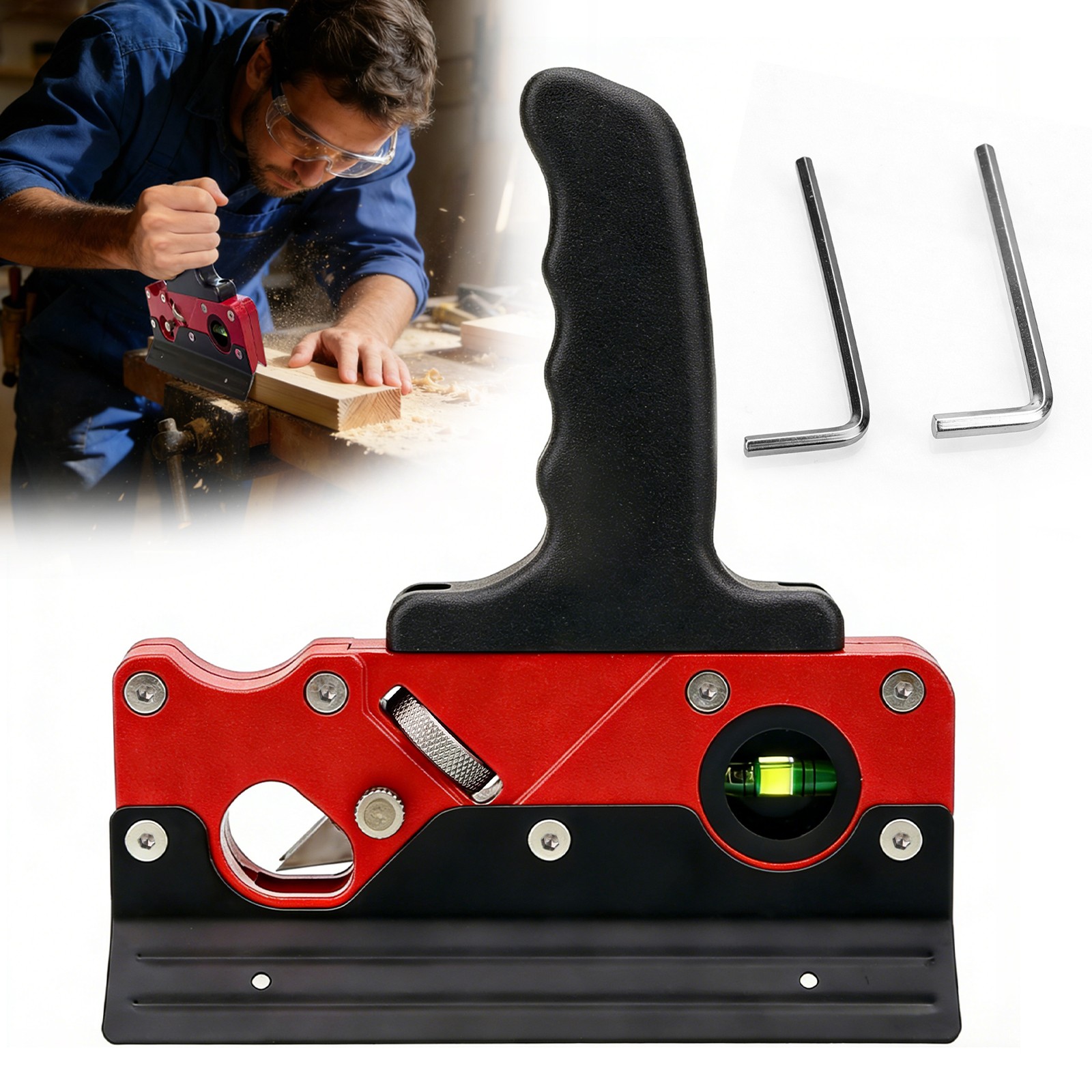
Hand Planer
A hand planer spans two distinct tools: manual block/chamfer planes for low-material-removal edge work, and electric handheld planers (corded or cordless) for stock removal and flattening. The core trade-off is material-removal speed versus control and finish: electric planers cut fast but can gouge, while manual planes offer precision but demand technique. Choose electric if you need to remove more than 1/16 in per pass across wide boards; choose manual for chamfering, fitting, and fine trim where control matters more than speed.
Wood Routers & Carving Tools
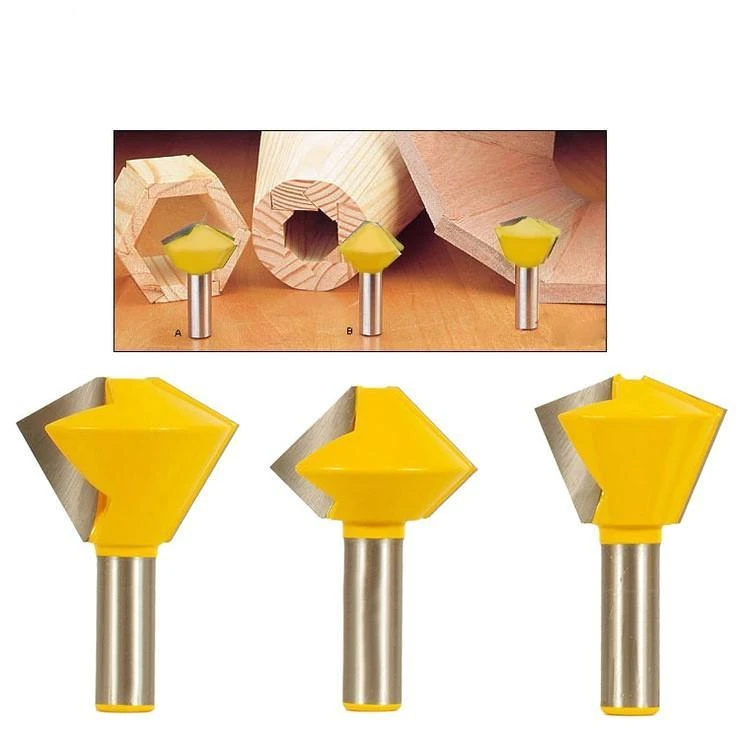
Router Bit
Router bits are the cutting interface between your router and the wood; the segment splits into solid carbide (durable, clean cuts, higher cost) versus carbide-tipped (tough, impact-resistant, budget-friendly) construction. The primary trade-off is shank diameter (1/4-inch hobby versus 1/2-inch production) and cutter geometry (flush-trim, spiral, straight, profile). Decision rule: buy solid carbide or high-grade tungsten-carbide-tipped bits with a 1/2-inch shank for daily production; choose 1/4-inch shank sets only for light trim work and laminate.

Flashlights & Headlamps
Headlamp
A headlamp is a hands-free light worn on the head, and the core trade-off is between lightweight plastic-bodied budget units and metal-bodied, regulated, IP-rated lamps built for sustained output. The decision rule: buy for a declared ANSI FL1 beam distance, a real IP rating, and a swappable or USB-C charged cell—skip any lamp that lists only '3 modes' and 'super bright' with no lumen, runtime, or ingress specification.
Power Tools
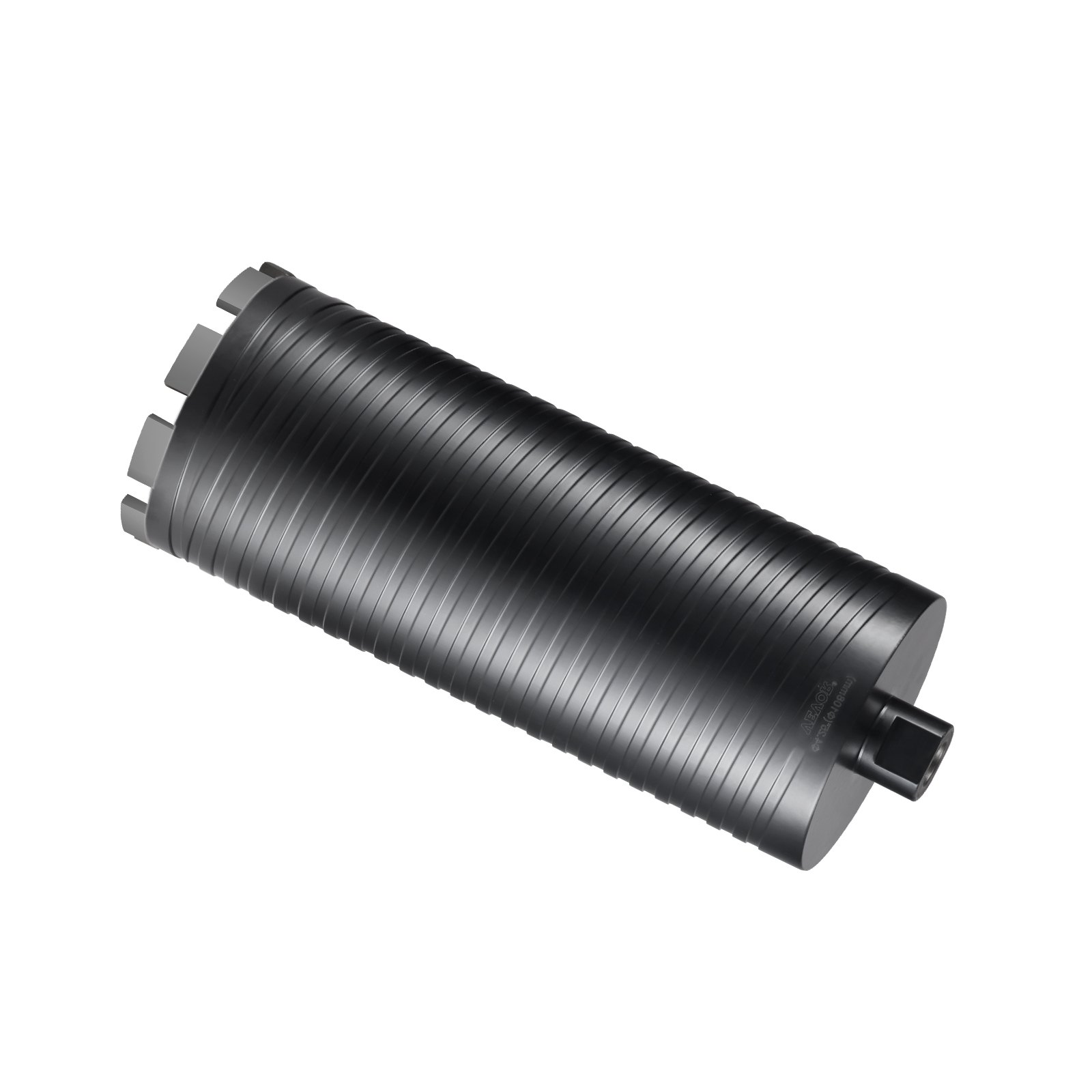
Drill Bit
Drill bits are the cutting interface that determines whether a power tool performs or fails, with material grade and coating being the primary trade-off against cost. HSS bits handle wood and mild steel, cobalt or carbide grades are required for stainless and hardened metals, and masonry bits need carbide tips with flute geometry for impact. The decision rule is simple: match bit material and shank standard to the substrate and chuck type, or expect burned edges, snapped tips, and stripped shanks.
Power Tools
Cordless Pole Saw
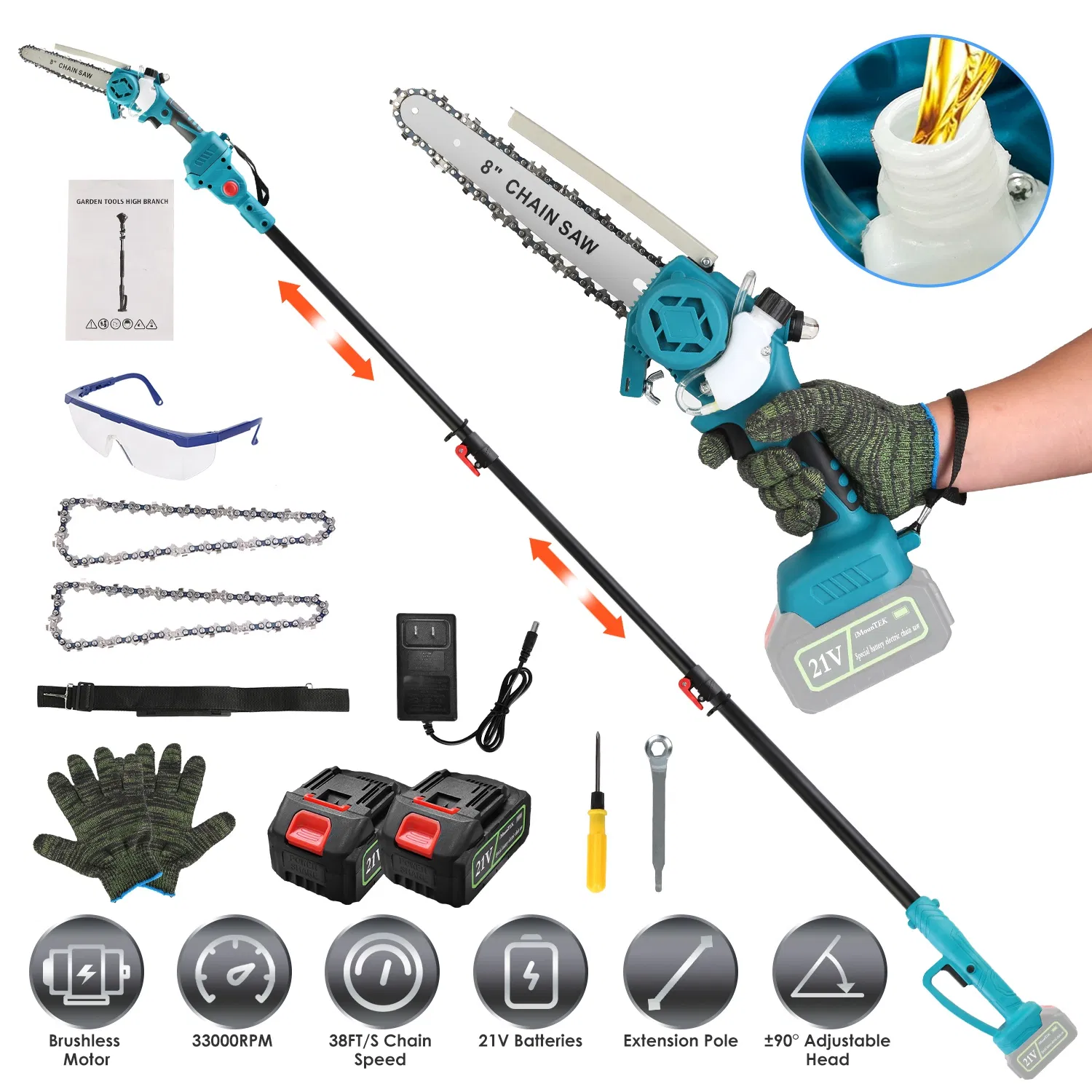
Cordless pole saws are battery-powered tree-limb trimmers that combine a chainsaw head with an extension shaft, eliminating cords and gas engines for reach up to roughly 13 ft. The core trade-off is between voltage/battery capacity and weight/balance: higher-voltage brushless systems cut faster but add mass at the far end, while low-cost brushed units sag under load. The decision rule is simple: buy a brushless motor with auto-oiling and a battery platform you already own or can expand; skip brushed, sub-21V, manual-oil designs unless you are trimming only pencil-thick branches.
Woodworking Saws & Planers
Wood Planer
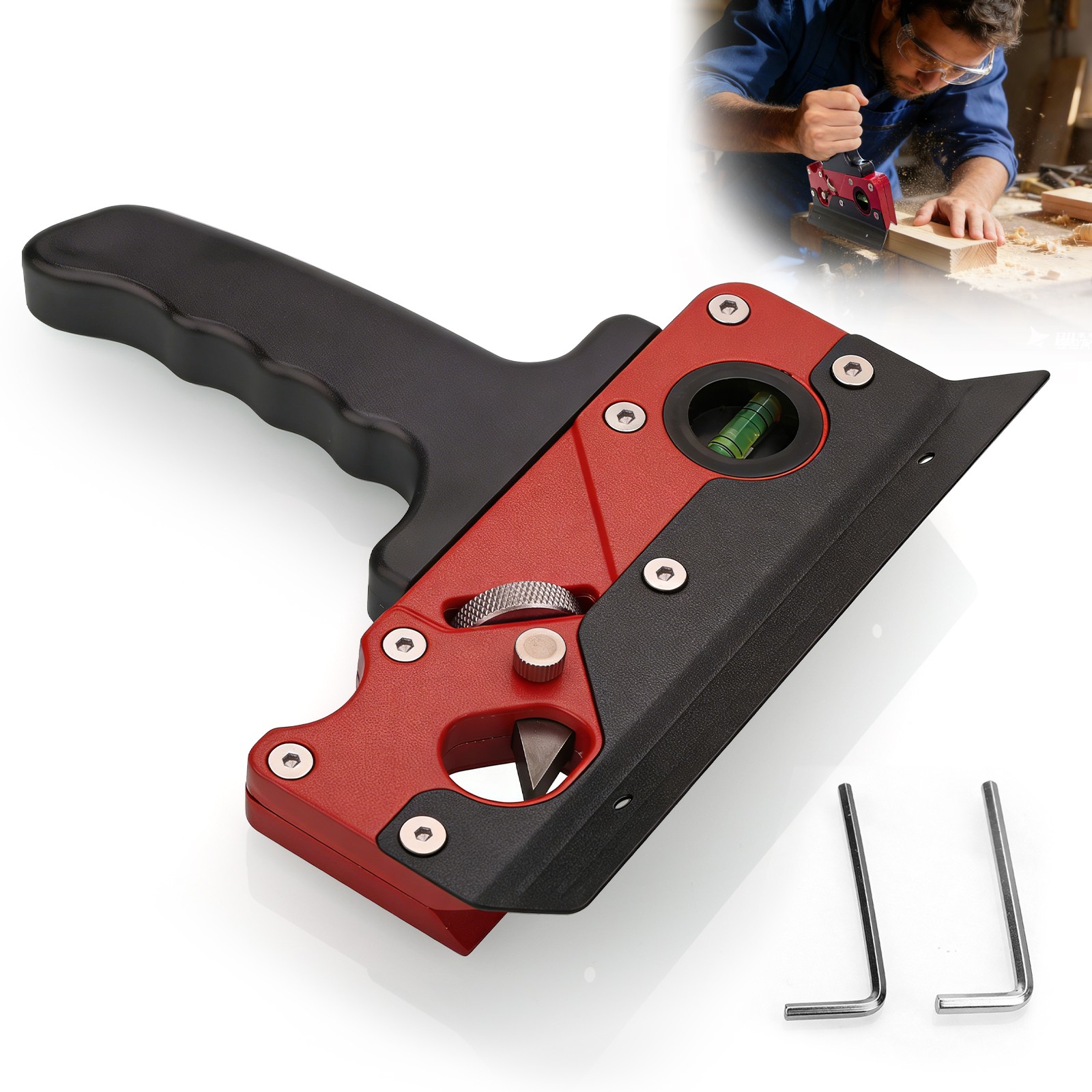
Wood planers split into two distinct machines: handheld planers that chamfer and flush-trim edges, and benchtop thickness planers that dimension boards to uniform thickness. The core trade-off is cutterhead architecture—straight two-blade knives are cheap but tear out figured grain, while spiral/helical insert heads cut cleaner and cost more up front. Buy a thickness planer if you mill rough lumber; buy a hand planer only for edge work, door trimming, and site carpentry.

Woodworking Hand Tools & Chisels
Woodworking Chisel Set
A woodworking chisel set is a core hand-tool investment where steel quality and handle-to-blade connection determine edge retention and safety far more than piece count. The primary trade-off is between high-carbon or laminated Japanese steel with hooped wooden handles for struck work versus softer alloy steel with plastic handles for light paring. The decision rule: buy chisels rated for mallet striking with hardened steel hoops and full-tang or socket construction; skip 12-piece budget gouge kits unless you specifically carve curves, not joinery.
Power Tools
Battery Chainsaw
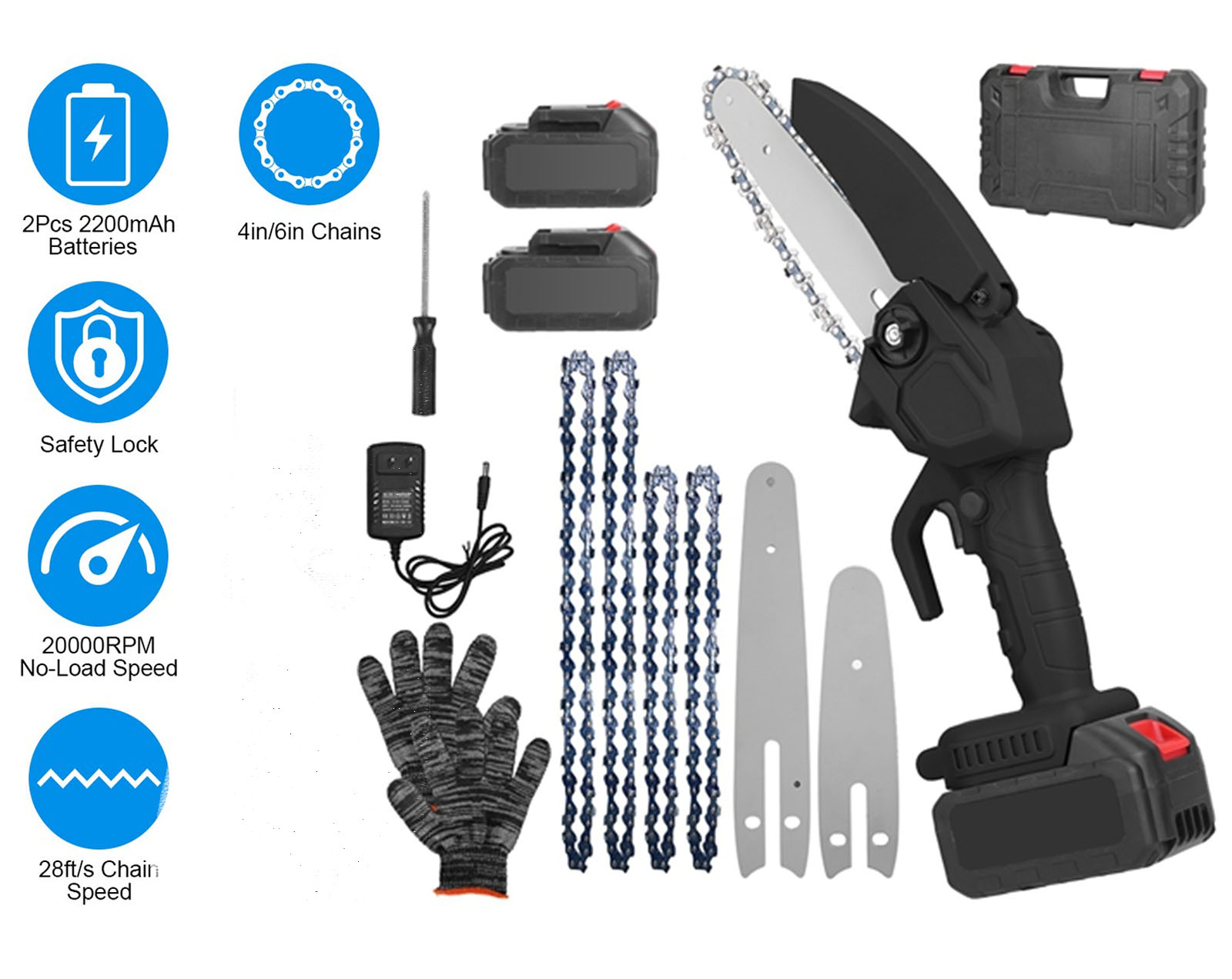
Battery chainsaws split into compact handheld arborist saws and extended-reach pole saws, with the core trade-off being motor architecture (brushed vs brushless) and battery platform voltage/capacity. Buy a brushless unit on a single 18–21V platform with at least 3.0Ah cells for real cutting; skip brushed toy-class saws with sealed 1.5Ah packs.
Wood Routers & Carving Tools
Router Bit Wood
Router bits for wood are the cutting interface between your router and the workpiece, and the primary trade-off is carbide grade and geometry versus price. Budget sets use thin C2 carbide with loose tolerances, while professional bits use micrograin C4/C5 carbide, precision-ground shanks, and anti-kickback geometry. The decision rule: buy individual premium bits or a small shank-matched set with 1/2-inch shanks for heavy cuts, and reserve 1/4-inch shank sets for light trim work and compact routers.
Power Tools
Angle Grinder
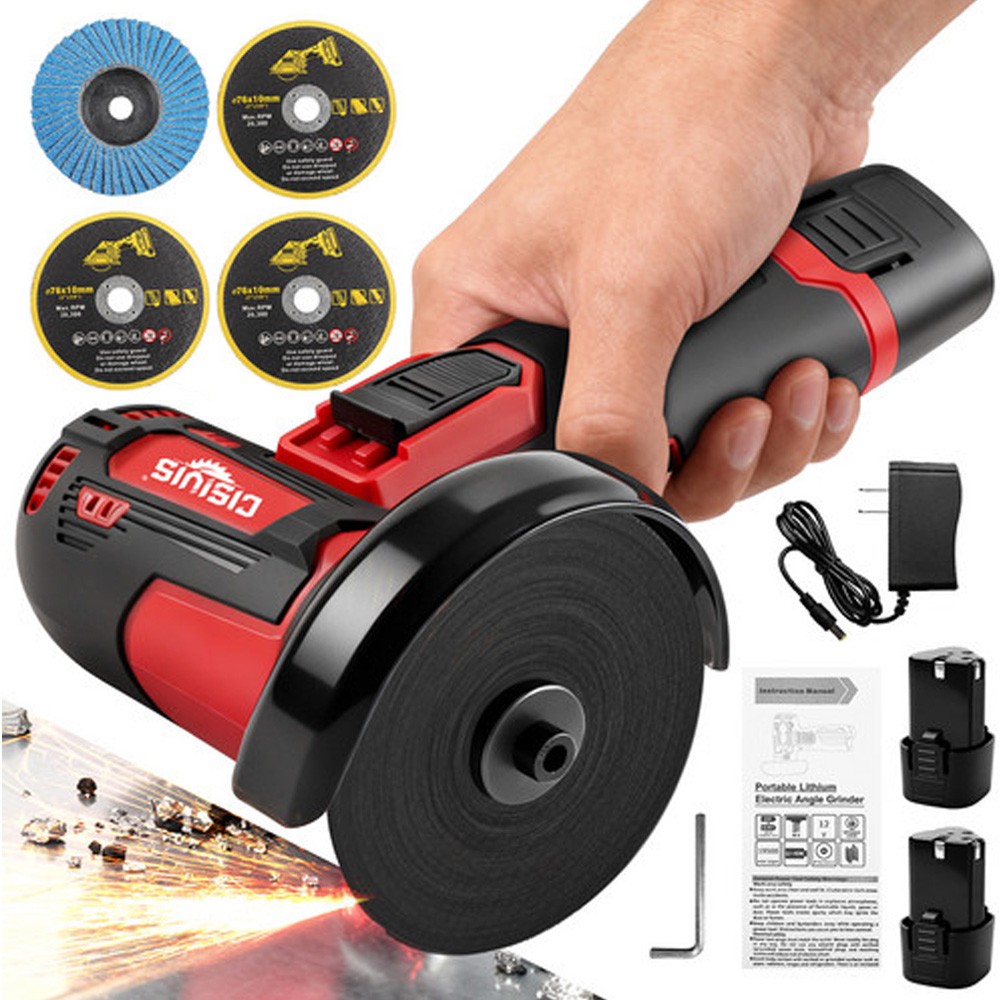
An angle grinder is a high-RPM rotary power tool for cutting, grinding, and wire-brushing metal, masonry, and tile, and the core trade-off is corded amperage and wheel diameter versus cordless voltage and battery platform. Corded grinders deliver constant torque for heavy stock removal, while cordless models trade runtime and peak power for portability and must match an existing battery ecosystem. The durable decision rule: buy a corded 4-1/2-inch or 5-inch grinder with a metal gear housing and tool-free guard for workshop work, and buy a cordless grinder only if you already own that brand's battery platform.
Power Tools
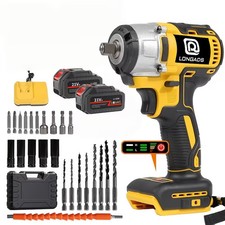
Impact Wrench Set
An impact wrench set pairs a high-torque rotational hammer mechanism with a battery platform, charger, and sockets to break loose fasteners that a drill cannot. The core trade-off is brushless motor efficiency and true breakaway torque versus brushed motors and inflated peak ratings. Buy by real nut-busting torque and battery platform, not by kit color or vague 'high torque' labels.
Hand Tools
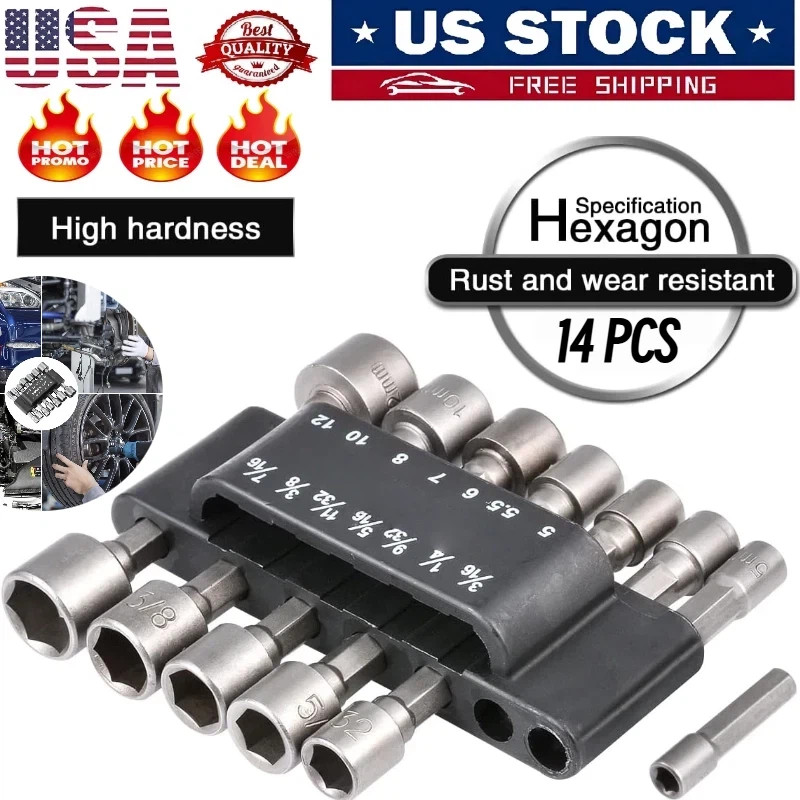
Nut Driver Bit Set
Nut driver bit sets are hex-shank accessories that turn a drill or bit driver into a nut runner, bridging SAE and metric fasteners with interchangeable sockets. The core trade-off is steel grade and heat treatment versus shank fit: CrV sockets hold shape under hand-tool torque, while impact-rated sets need tougher alloy and detent geometry to survive drill clutch shock. Choose a set whose shank standard and socket wall thickness match your driver—skip cosmetic multi-bit kits that bundle soft sockets with screwdriver bits.
Hand Tools
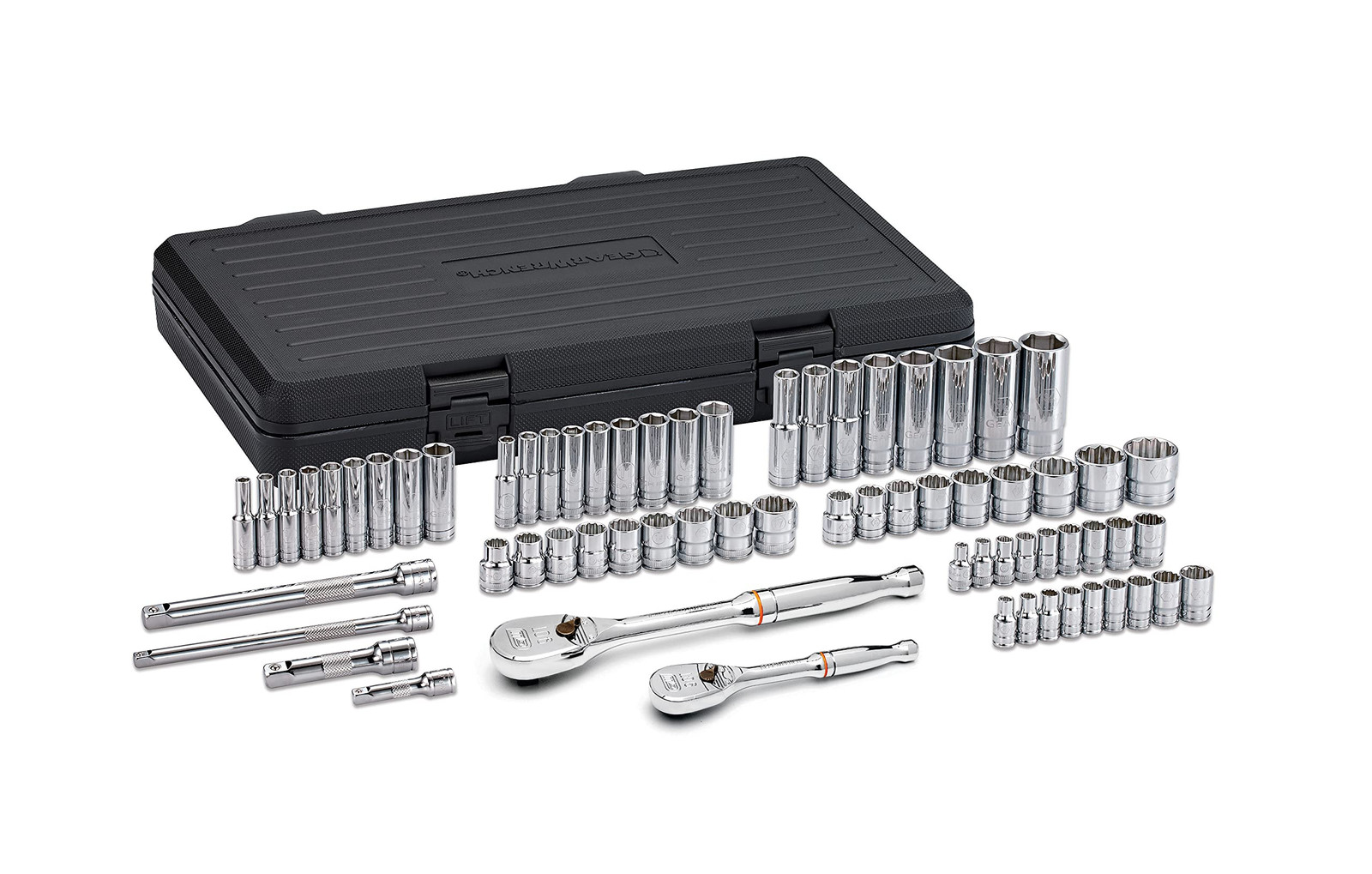
Metric Deep Socket Set
Metric deep socket sets are specialized tools for reaching recessed fasteners, where the primary trade-off is between chrome vanadium (Cr-V) for hand use and chrome molybdenum (Cr-Mo) for impact resistance. Durable sets specify exact steel grade, drive size, and point count, while compromises use vague 'metal' claims and skip impact-rated alloys. The decision rule: for hand tools choose Cr-V with clear size markings; for power tools choose Cr-Mo impact sockets, never mix the two.
Woodworking Clamps, Jigs & Joinery
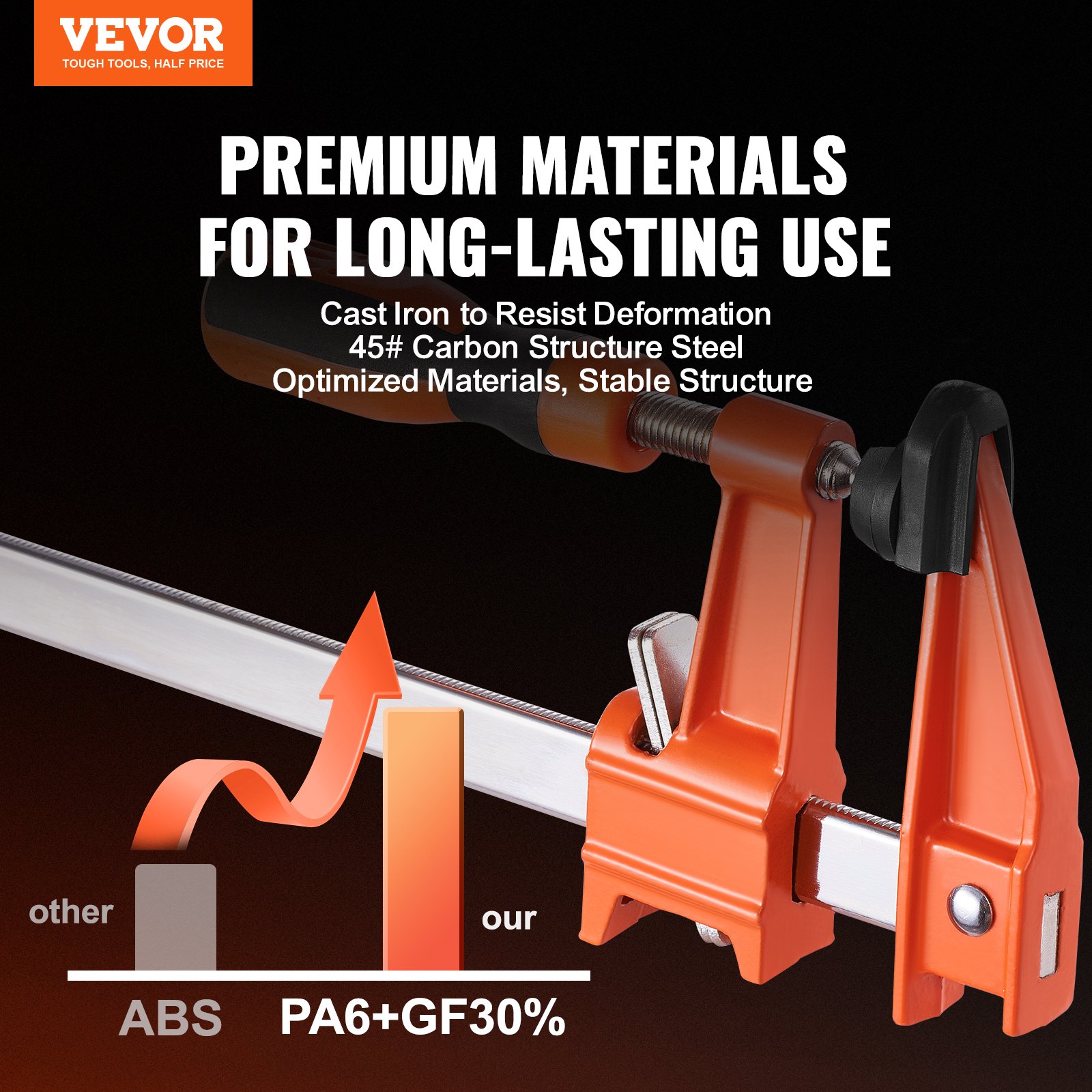
Steel Bar Clamp
Steel bar clamps are the load-bearing backbone of woodworking and metalworking, defined by a steel bar, sliding jaw, and screw mechanism. The core trade-off is clamping force versus bar stiffness: thicker steel and cast-iron jaws hold higher pressure without flex, while thin bars and plastic heads flex under load. Buy by load rating, throat depth, and jaw type—not by opening length alone.
Wood Routers & Carving Tools
Router Cutter
Router cutters are the cutting heads that turn a router into a shaping, joinery, or trimming tool, and the primary trade-off is carbide grade and shank geometry versus low-cost high-speed steel or undersized shanks. Durable cutters use micro-grain carbide tips brazed to steel bodies with precision-ground 1/2-inch shanks, while compromise bits use coarse carbide, 1/4-inch shanks, and loose tolerances that cause burn, chatter, and kickback. The decision rule: buy 1/2-inch shank, carbide-tipped or solid-carbide cutters sized to your router collet and material removal rate, and skip anything that forces a 1/4-inch shank on heavy profiles.
Power Tools
Battery Chainsaw With And Charger
Battery chainsaws split into two architectures: compact top-handle/mini saws for pruning and limbing, and pole saws or convertible 2-in-1 units for overhead reach. The core trade-off is battery platform voltage/capacity versus bar length and motor type—brushed motors and 12V-class packs suit light trimming only, while 21V-class brushless systems with 3.0Ah+ packs handle sustained cutting. Buy a kit that includes the charger and at least one pack matched to the saw's voltage; anything sold as bare tool or with sub-2.0Ah packs is a compromise for real yard work.
Workbenches & Shop Equipment
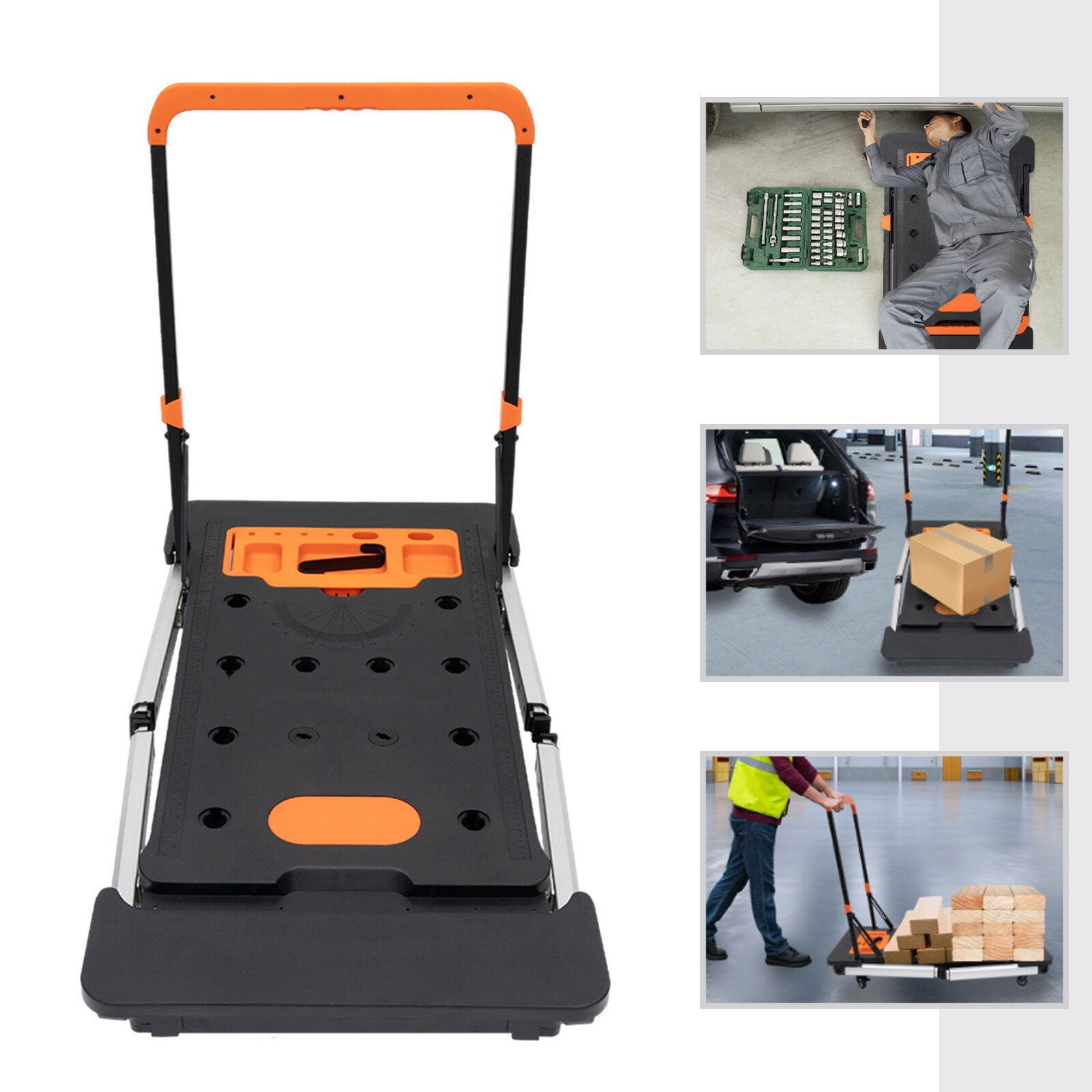
Multifunctional Workbench
A multifunctional workbench is a folding or modular bench that converts between a flat assembly table, sawhorse, vise station, and clamping surface—the core trade-off is thin stamped-steel folding tables versus solid wood-topped fixed benches. Buy a folding 7-in-1 table only if portability and quick setup matter more than hand-plane and chisel forces; buy a wood-top or heavy-gauge steel bench if you need racking resistance and vise holding power.
Wood Routers & Carving Tools
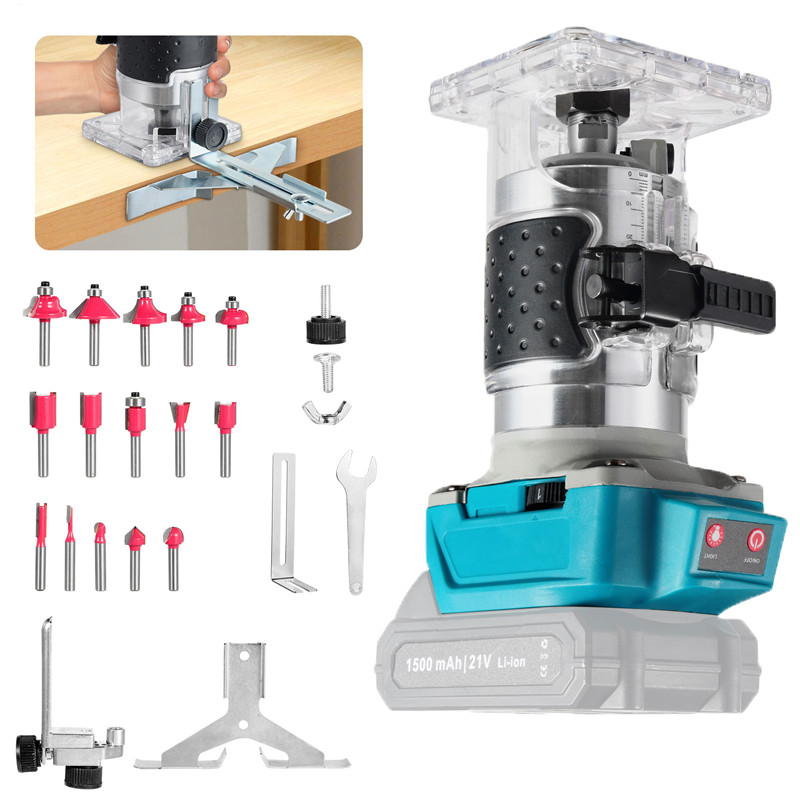
Wood Router
A wood router is a motorized cutting tool that spins a bit at high speed to trim, edge, groove, and profile wood, available in palm/trim, fixed-base, and plunge-base configurations. The core trade-off is motor wattage and collet size versus control and portability: trim routers at 1–1.25 HP with 1/4-inch collets suit light edge work, while 2+ HP routers with 1/2-inch collets handle raised panels and deep mortises. The decision rule: buy the largest collet and wattage your typical cut demands, but only if the base design gives you safe, repeatable depth control.
Measuring & Layout Tools
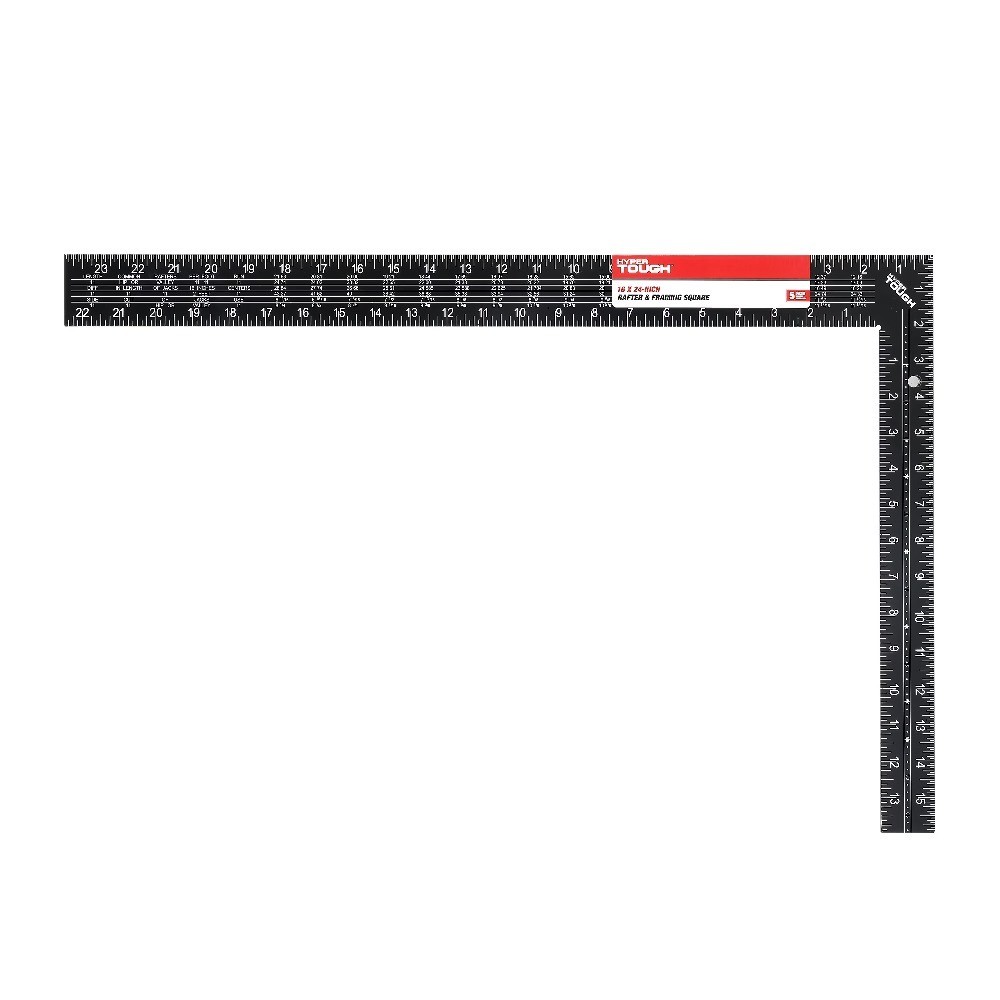
Measuring Tool
Measuring tools span laser distance measurers, layout squares, and sizing gauges; the core trade-off is between consumer-grade plastic optics/encoders and professional-grade steel/glass construction with tighter accuracy tolerances. Laser units must meet ±2mm or better accuracy and IP54 rating for job-site durability, while manual squares demand hardened steel or extruded aluminum. Choose a dedicated laser for distance work and a steel square for layout; skip plastic-only gauges for anything beyond light hobby use.
You may also like
Finding more guides for you…