DIY Tool Picks

DIY Tool Picks

Tools & Home Improvement Reviews & Buying Guides

Compare tools & home improvement by use case, features, trade-offs, price, returns, and seller terms before you buy.

Buying guides

Power Tools

18v Cordless Drill

18V cordless drills split into three architectures: compact drill-drivers, hammer drill-drivers, and impact drivers, each with distinct chuck and clutch designs. The core trade-off is brushless motor efficiency and metal gearbox durability versus brushed motors with plastic internals that overheat under sustained load. Buy brushless with a metal chuck and at least two battery cells if you drill masonry or drive screws daily; choose a brushed compact kit only for light household assembly.
Soldering & Electronics Repair Tools

Electronic Repair Tool

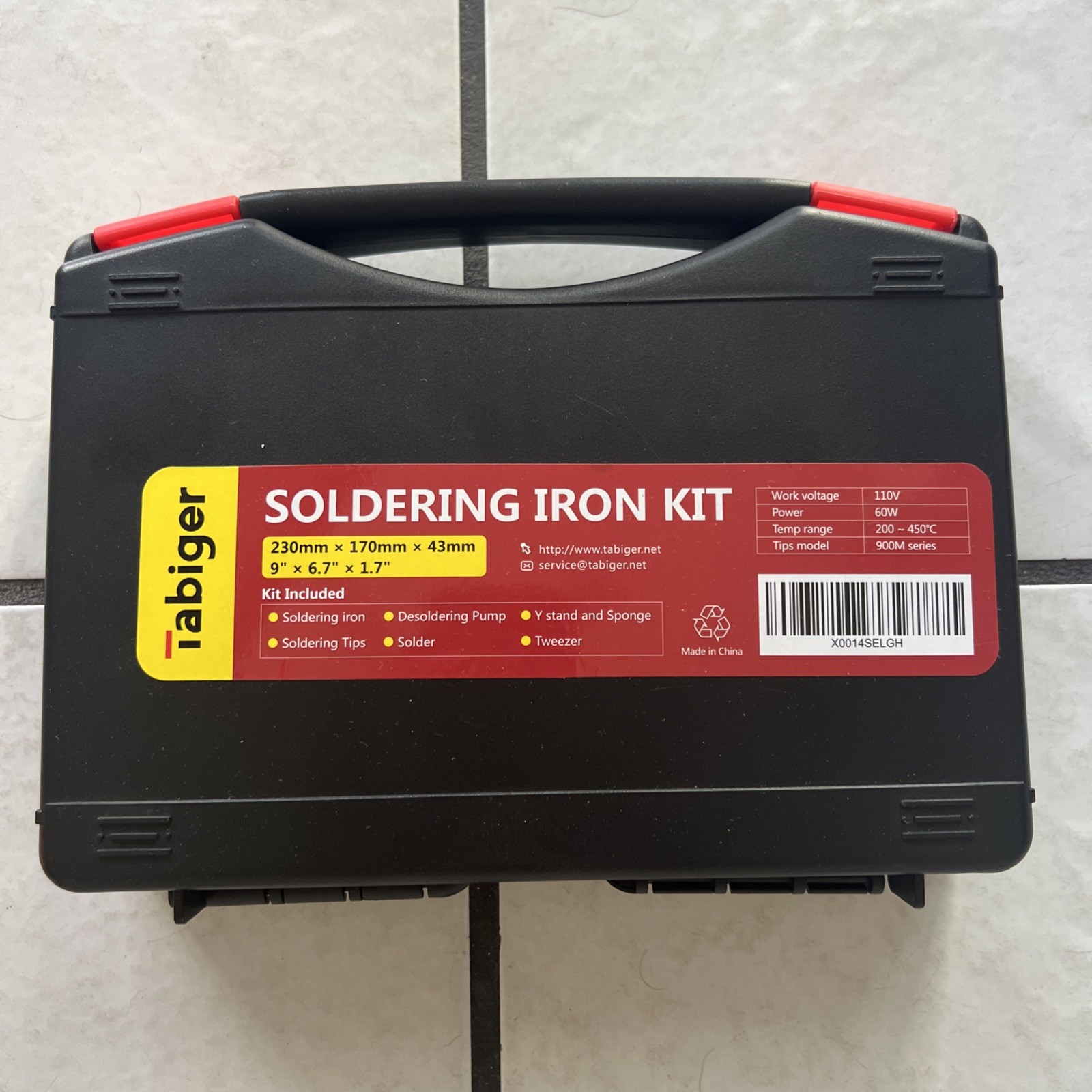
Electronic repair tool kits bundle soldering irons, precision drivers, and diagnostic aids into one case, but the primary trade-off is heating architecture versus accessory quality: a quality temperature-controlled iron with fewer accessories beats a high-piece-count kit with a marginal iron. The decision rule is to buy based on the iron's power regulation and the bits' steel grade, then treat included pumps, tweezers, and multimeters as secondary bonuses.

Woodworking Clamps, Jigs & Joinery

Pocket Hole Joinery

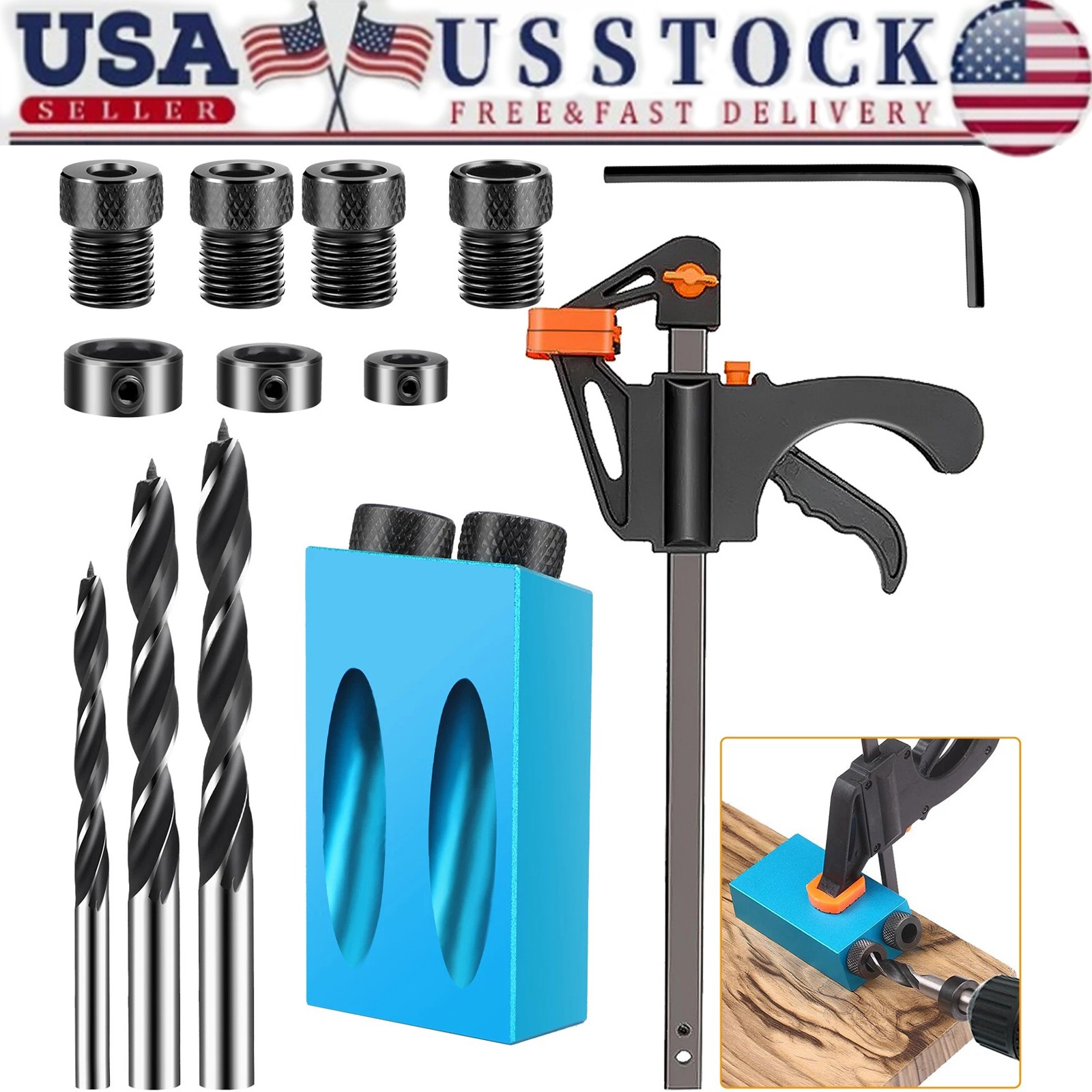
Pocket hole joinery uses an angled stepped drill bit to bore a counterbored pilot hole and a drive hole into one board, then drives a self-tapping washer-head screw into the mating board at 15 degrees. The core trade-off is guide-block material and clamp rigidity: cast aluminum or hardened steel guides hold drill alignment and survive hundreds of cycles, while reinforced nylon frames flex and ovalize. Buy a metal-bodied, single-piece or rigidly pinned guide system if you build furniture; choose a nylon mini-jig only for occasional, low-stress shop or DIY work.

Garage Storage

Tool Bag

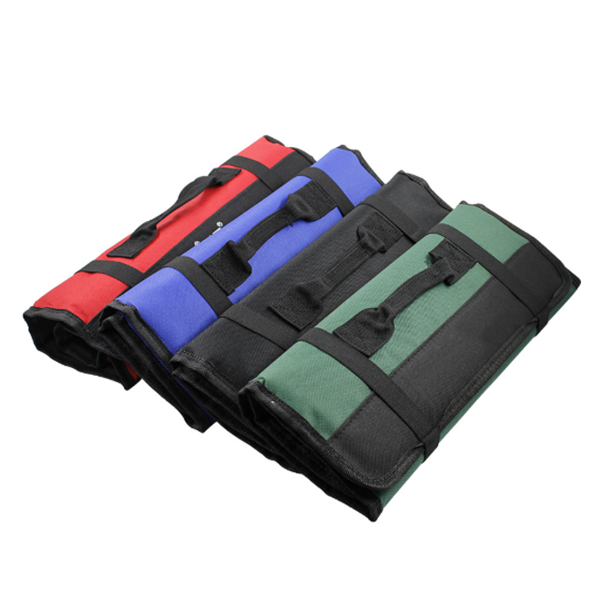
A tool bag is a soft-sided carry system defined by three architectures: open-top totes, multi-pocket backpacks, and wheeled rolling bags. The primary trade-off is fabric durability and base protection versus weight and pocket count; the clear rule is to match the carry architecture and base grade to your daily load and terrain, not to the highest pocket number.

Woodworking Clamps, Jigs & Joinery

Pocket Jig

A pocket jig is a drill guide that lets you bore angled pilot holes for hidden, strong pocket-screw joinery without a drill press. The decisive trade-off is between stamped or molded single-position guides and machined multi-position aluminum bodies that hold angle and depth under load. Buy a metal-bodied, adjustable-depth jig with a hardened step drill and stop collar; skip nylon single-hole guides if you will build more than a few joints.

Woodworking Clamps, Jigs & Joinery

Metal Clamp

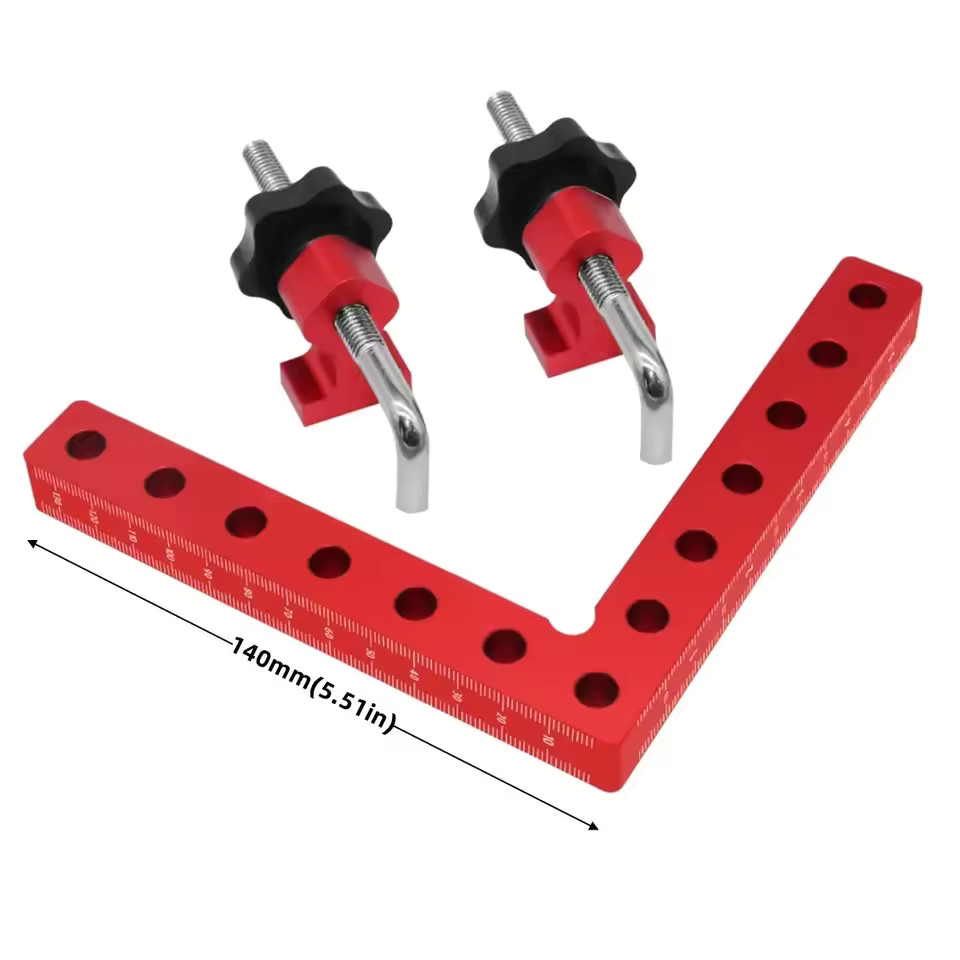
Metal clamps for woodworking span bar/F-clamps, parallel clamps, and corner/positioning jigs, all using steel or aluminum as the load-bearing structure. The primary trade-off is clamping force and jaw rigidity versus weight and cost—lightweight aluminum and plastic-bodied triggers suit assembly, while cast-iron or steel bar clamps and parallel clamps deliver the 600–1500 lb loads needed for glue-ups. Decide by glue-line pressure demand: parallel clamps for panels and edge joints, F-style bar clamps for general carcass work, and aluminum corner clamps strictly for 90° positioning, not clamping force.

Woodworking Clamps, Jigs & Joinery

Pocket Hole Kit

A pocket hole kit is a drilling jig system that guides a stepped drill bit at a fixed angle to bore angled pilot holes for hidden screw joinery in wood. The defining trade-off is guide-block rigidity versus adjustability: cast aluminum or reinforced metal blocks hold bit angle and depth repeatably, while nylon and plastic frames flex under load and drift on hardwood. Buy a metal-bodied jig with a hardened steel guide bushing and a depth-stop collar if you expect repeated use; choose a compact single-hole or two-hole nylon jig only for light trim and repair work.

Measuring & Layout Tools

Measuring

Measuring tools span tape measures, laser distance meters, squares, and specialty gauges; the core trade-off is between mechanical simplicity and digital speed/accuracy. Choose a tape for short, flexible spans, a laser for long unobstructed distances, and steel or aluminum squares for layout reference. Avoid plastic-only load-bearing tools where repeatable precision matters.

Electrician Hand Tools

Lineman S Plier

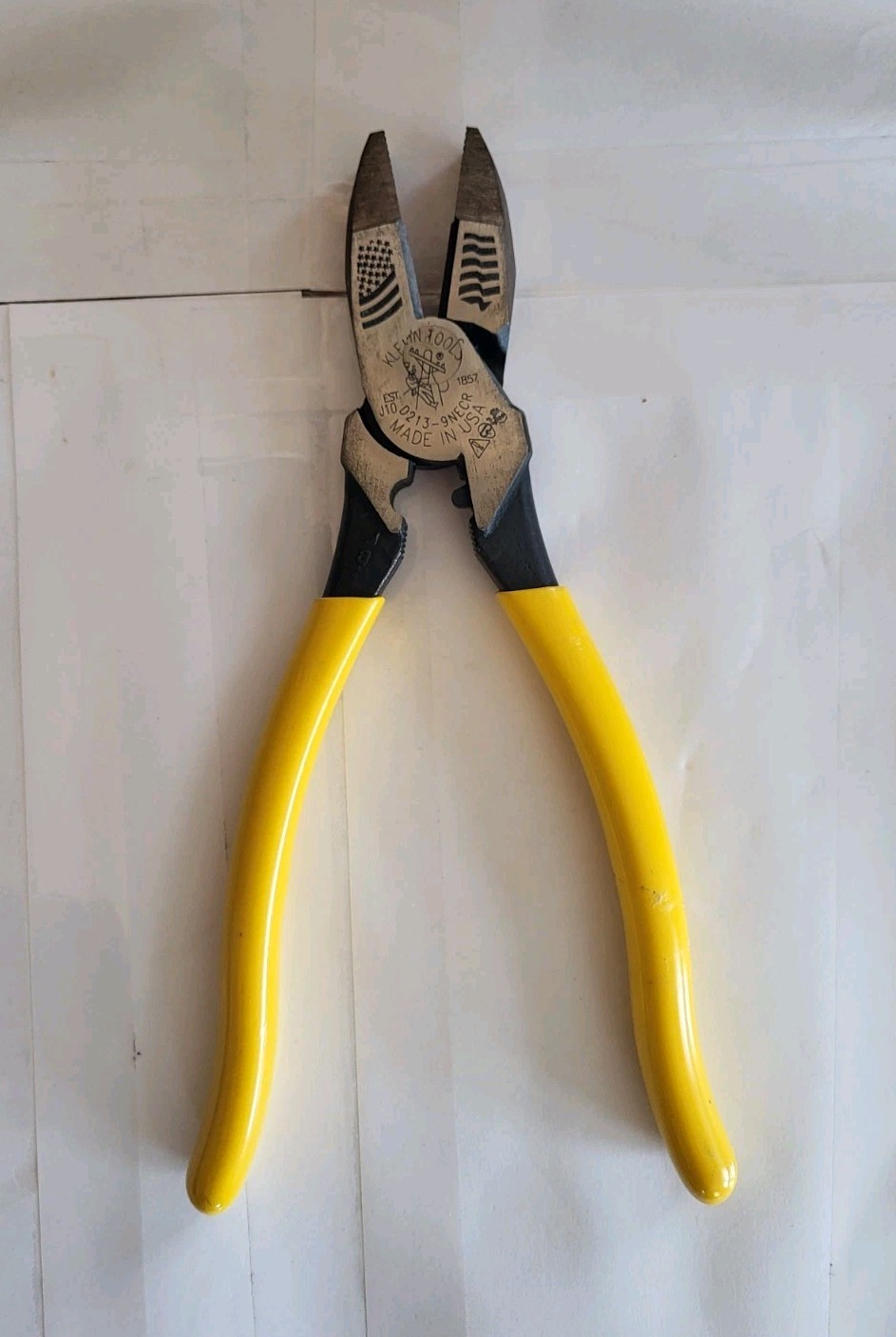
Lineman's pliers are the primary gripping, twisting, cutting, and pulling tool for electrical work, defined by forged-steel construction, induction-hardened cutting edges, and a high-leverage pivot. The core trade-off is handle insulation/comfort versus jaw durability and leverage geometry, not cosmetic color. Buy a 9-inch forged model with clearly rated 1000V insulation for live work, and skip any 12-inch or unrated 'insulated-looking' plier for energized circuits.

Power Tools

Milwaukee Tool Kit

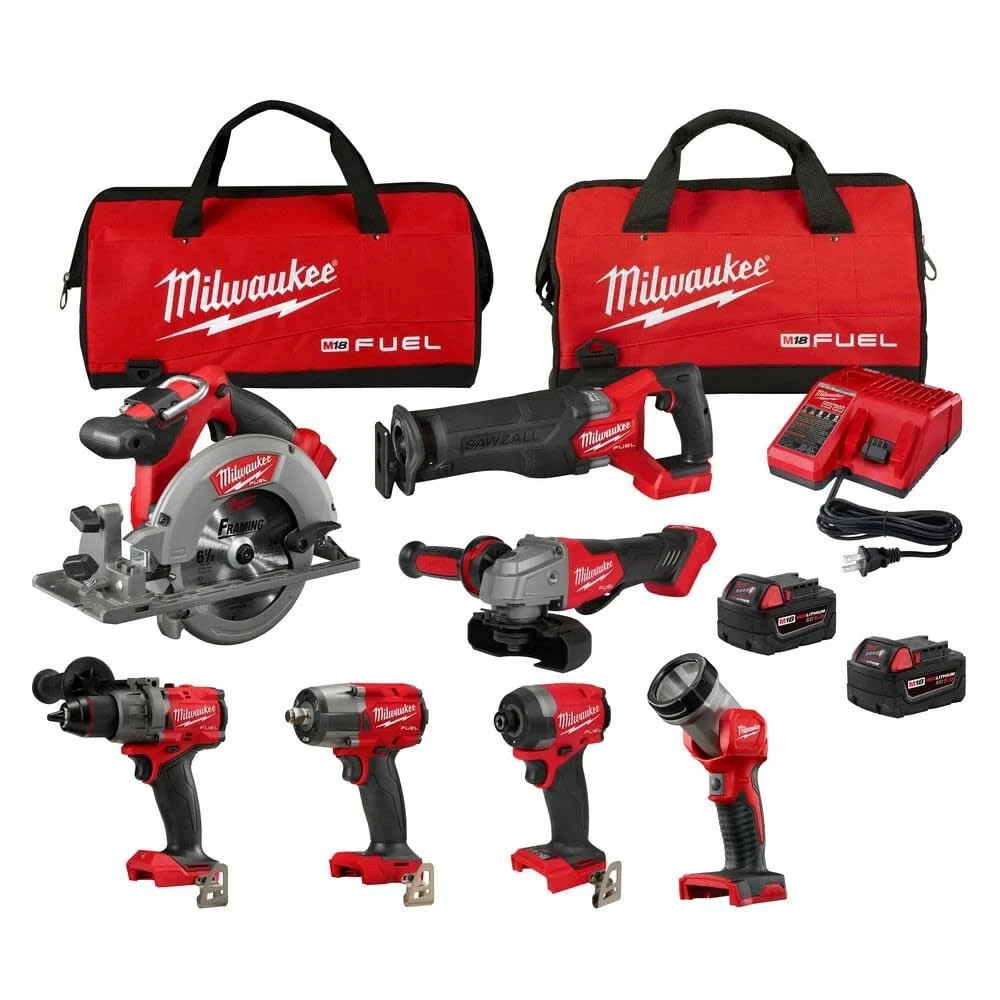
Milwaukee tool kits are battery-platform bundles (M12 12V or M18 18V) pairing drills, impact drivers, and sometimes specialty tools with chargers and packs. The core trade-off is voltage/brushless tier versus weight and cost: M12 FUEL delivers compact brushless power for tight work, while M18 FUEL is the full-size high-torque standard. Buy FUEL brushless kits with at least two batteries sized to your runtime needs; skip brushed or single-battery kits for daily professional use.

Power Tools

Cordless Chainsaw

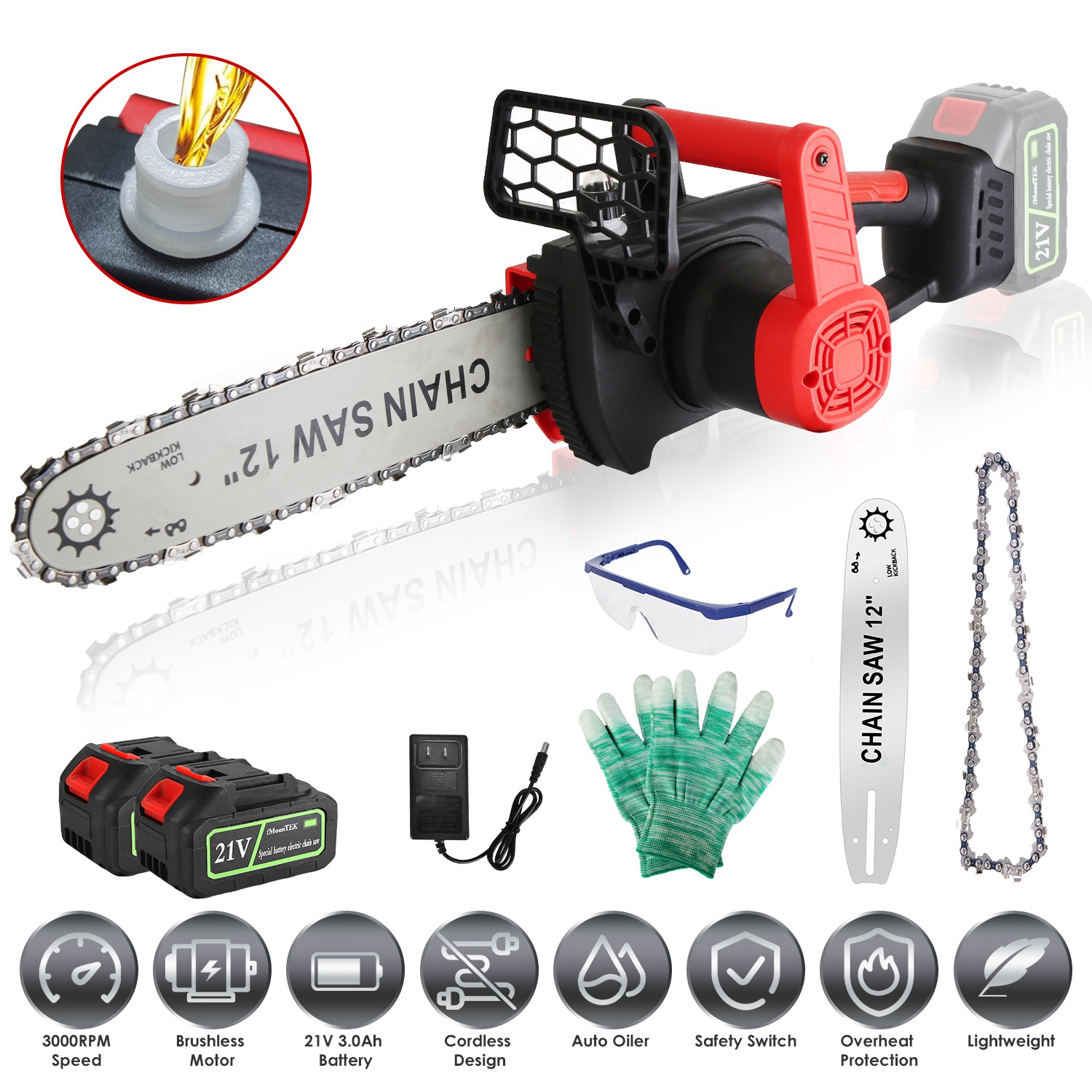
Cordless chainsaws split into two clear classes: compact 6–8 inch one-hand trimmers and 12–16 inch battery-platform saws for real firewood and storm cleanup. The decisive trade-off is battery architecture and chain-oiler quality, not marketing wattage — a brushless motor with an automatic oiler and a genuine 18–21V pack outlasts any brushed unit that ships with a no-name cell. Buy on platform voltage, bar length, and metal-gear construction; skip anything that lists peak watts without a battery platform or oiler.

Soldering & Electronics Repair Tools

Soldering Station

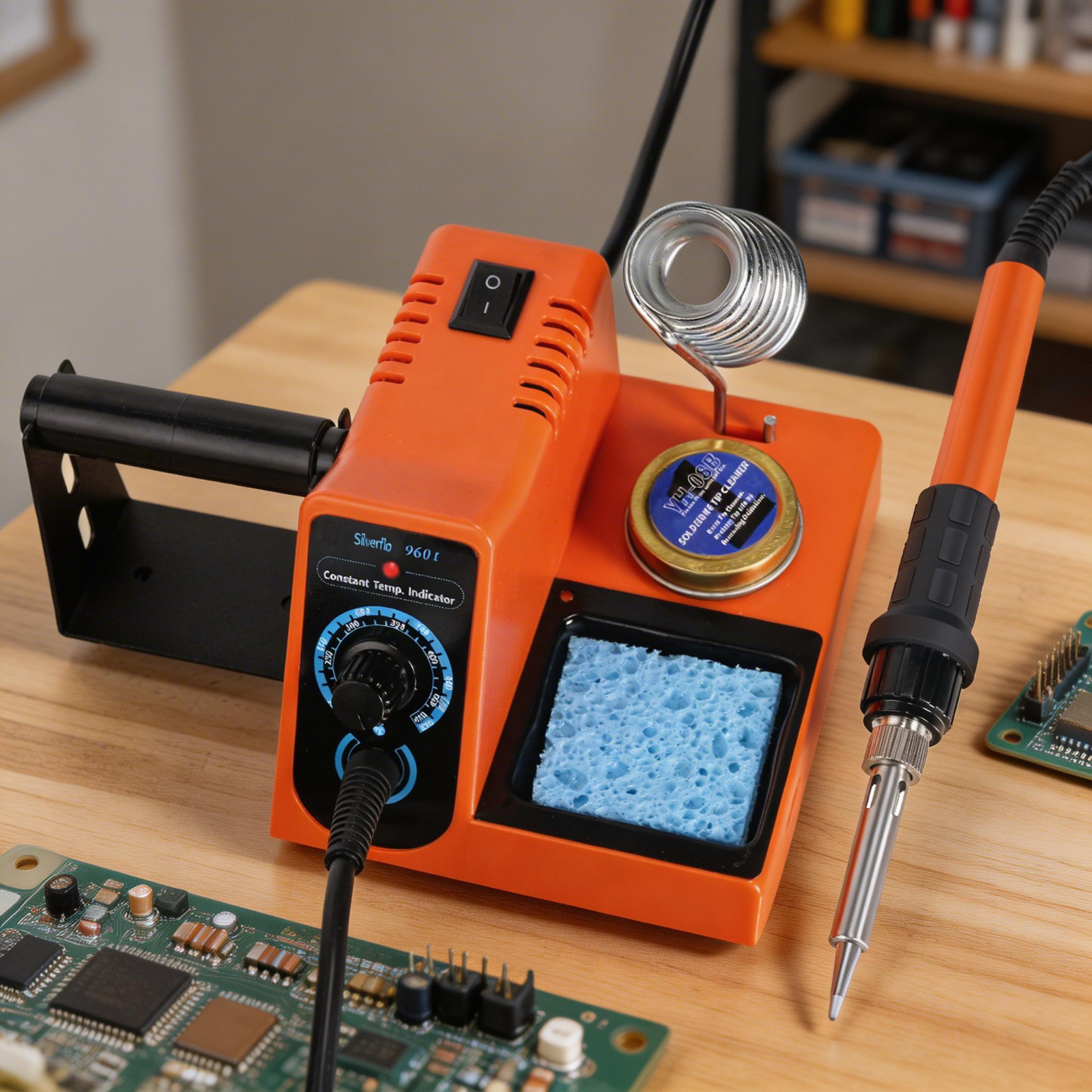
A soldering station pairs a temperature-controlled power unit with a handheld iron (and often hot-air rework) for repeatable electronic joints. The core trade-off is between cheap fixed-wattage irons with crude triac dimming and true closed-loop thermostatic stations with calibrated tips and fast thermal recovery. The decision rule: buy a station rated by wattage and temperature accuracy with a standard tip interface, and skip any iron whose only control is a dial with no temperature feedback.

Workbenches & Shop Equipment

Folding Portable Workbench

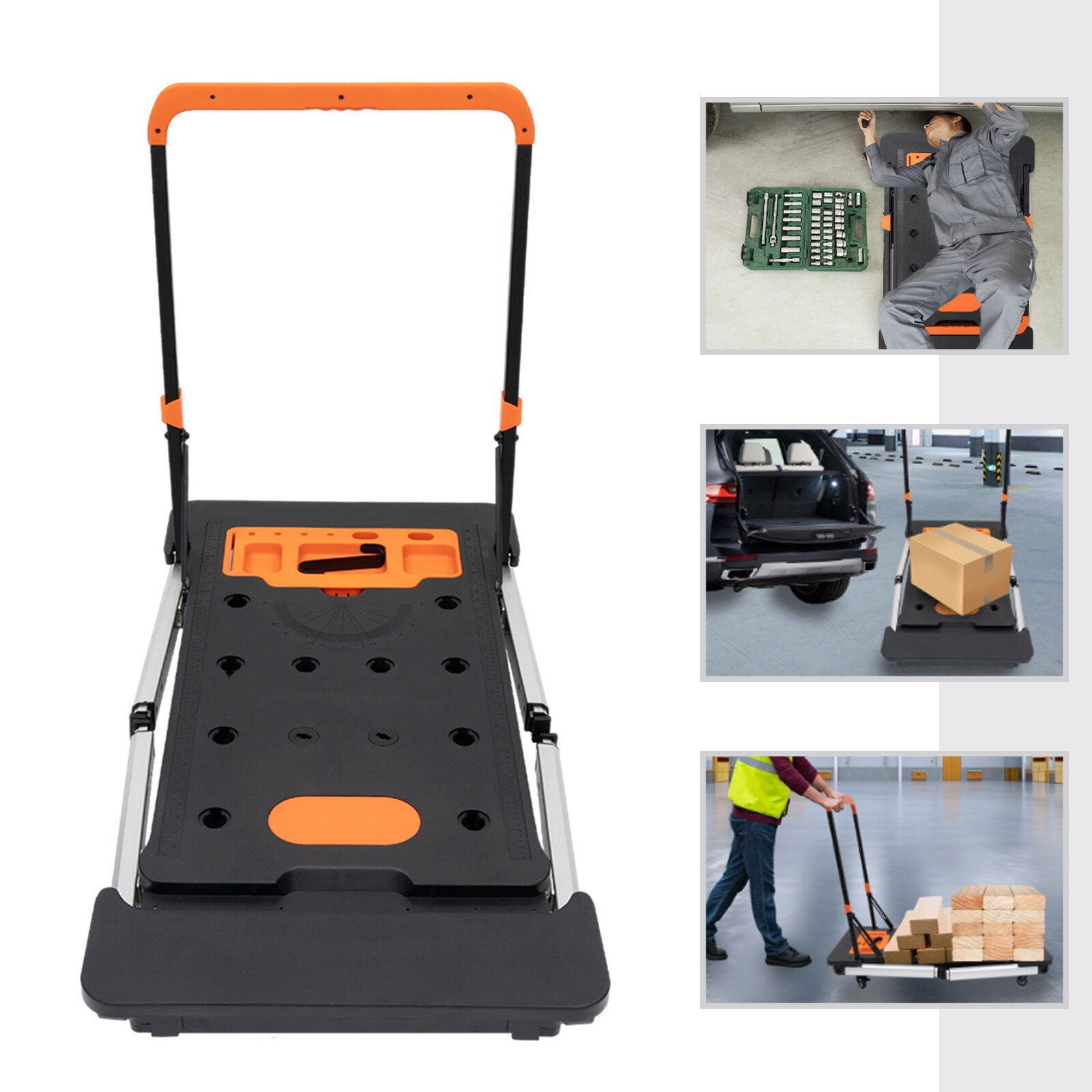
A folding portable workbench is a collapsible table or sawhorse system that provides a temporary, rigid work surface for cutting, assembly, and repair tasks. The critical trade-off is between folded weight and setup rigidity: lighter aluminum tables fold fast but flex under lateral force, while steel-frame benches with triangulated bracing stay square under heavy loads at the cost of portability. Buy steel or heavy-gauge aluminum frames with lockable leg joints and at least a 500 lb load rating; skip thin-gauge pop-riveted tables that wobble during sawing.

Home Repair

Home Tool Set

A home tool set bundles the core hand tools for assembly, tightening, and minor repairs into one case or bag. The primary trade-off is piece count versus steel quality and case durability: high-count kits often pad the count with low-grade bits and thin plastic, while smaller, well-built sets use hardened chrome-vanadium and a reinforced case. The decision rule is simple: buy a focused 20–40 piece set of CR-V tools in a sturdy case for real durability, and treat 100+ piece sets as light-duty starter kits only.

Hand Tools

Ratcheting Wrench Set

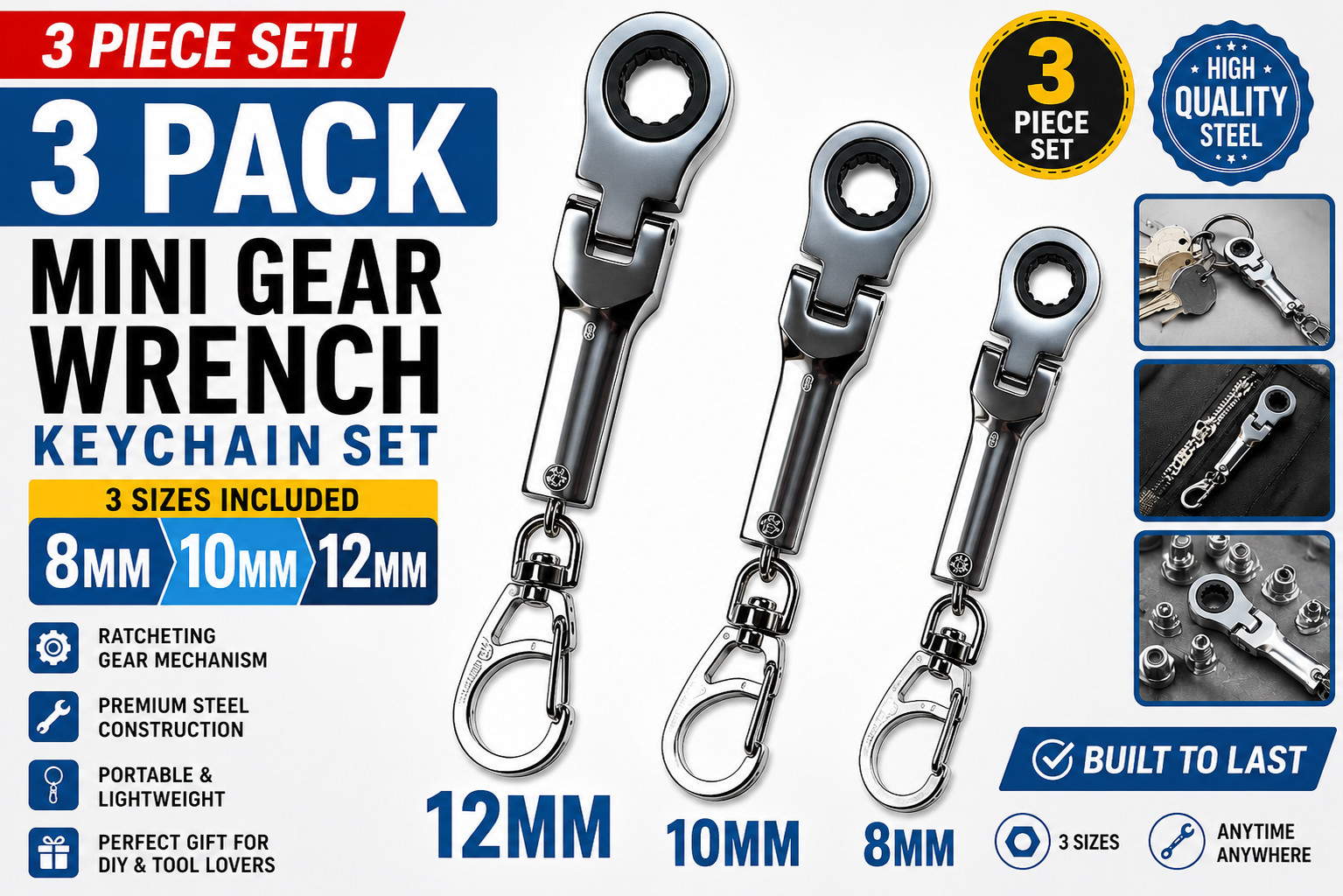
A ratcheting wrench set replaces a standard combination wrench with a geared box end that turns fasteners without repositioning, trading a slight head bulk for speed in tight spaces. The core trade-off is tooth count and head profile against strength and corrosion resistance: fine-tooth (72+), reversible, flex-head Cr-V sets handle automotive and assembly work, while coarse, non-reversible, straight sets are budget generalists. Buy a 72-tooth or finer Cr-V set with a reversible lever if you work on vehicles or equipment; skip sub-40-tooth, non-reversible sets for anything beyond light household turning.

Measuring & Layout Tools

Layout Tool

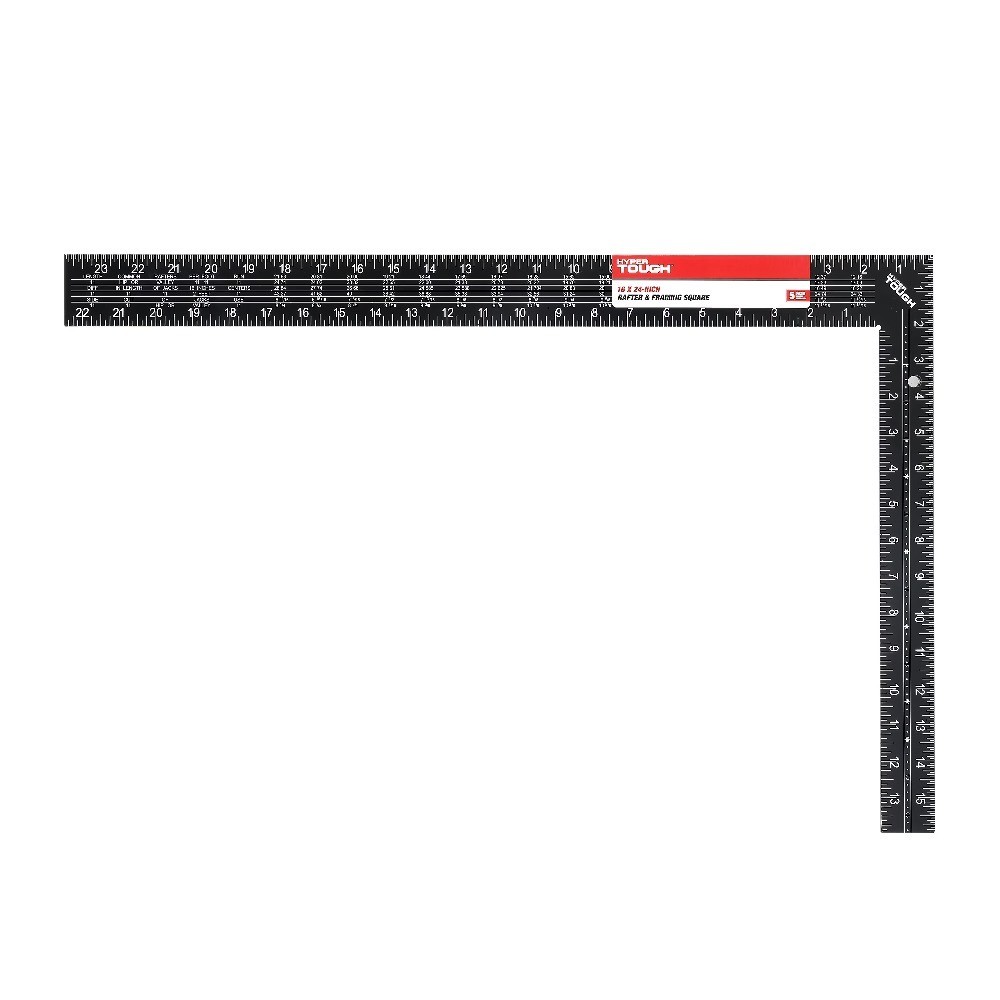
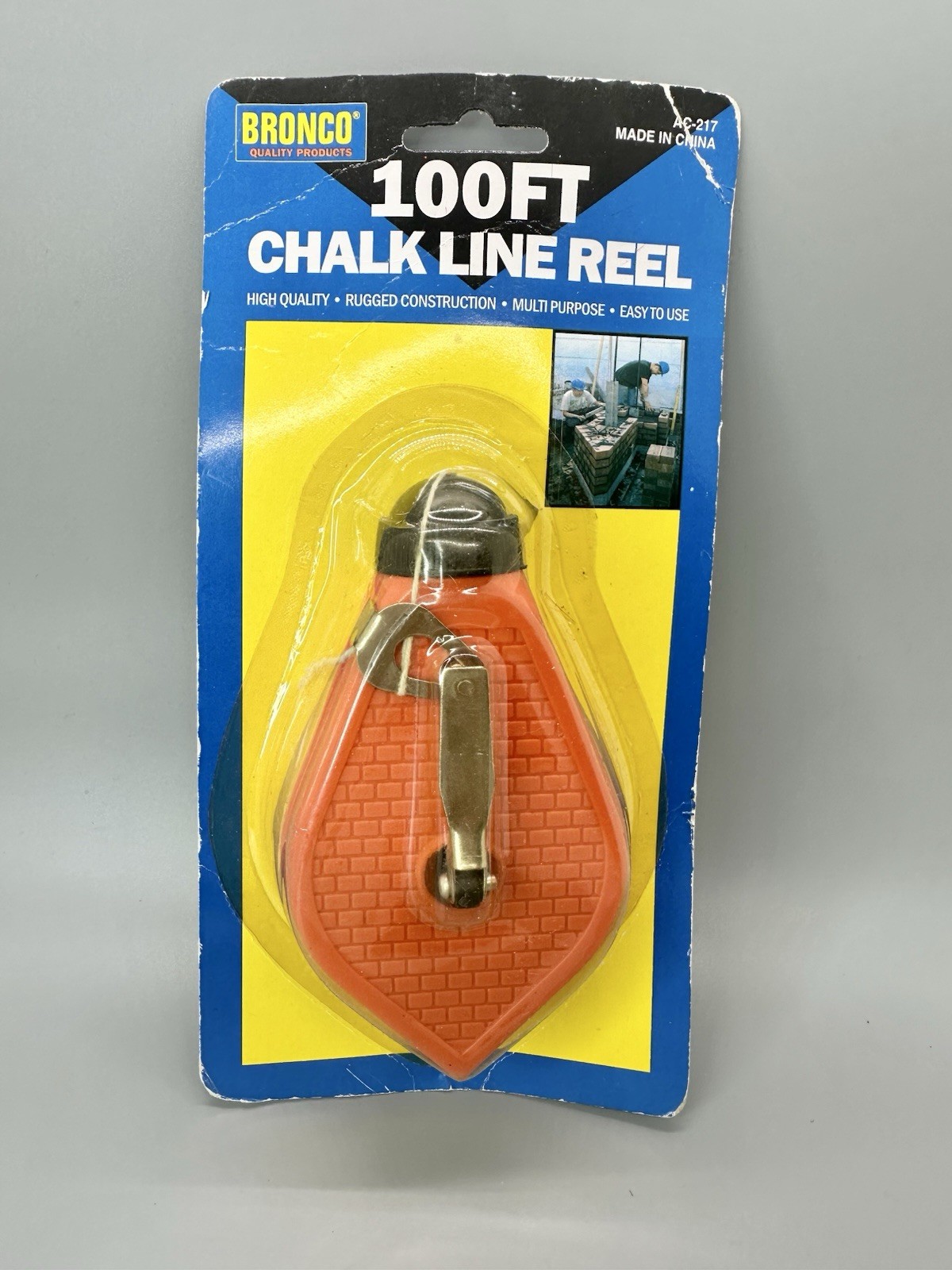
Layout tools span marking, squaring, and spacing instruments—chalk reels, framing squares, stud layout jigs, and laser layout systems—that transfer plans onto material. The core trade-off is precision and durability versus convenience: cast-aluminum jigs and hardened steel squares hold tolerance, while plastic or stamped tools flex and drift. Buy a dedicated tool per task and a material grade matched to jobsite abuse rather than a single do-everything gadget.

Power Tools

Cordless Chainsaw With Battery

Cordless chainsaws with battery split into two real architectures: compact 6-8 inch mini/handheld saws and 2-in-1 pole saws with extension shafts, both powered by 21V-class battery packs. The deciding trade-off is brushless motor and battery-platform quality versus brushed bargain units with vague amp-hour claims. Buy brushless with auto-oiler and a defined 21V pack if you cut limbs under 8 inches; skip anything that cannot state motor type, bar length, and battery voltage together.

Soldering & Electronics Repair Tools

Soldering Station Kit

A soldering station kit pairs a temperature-controlled power unit with an iron, tips, and often helping hands or hot-air rework—the core trade-off is heater wattage and thermal recovery versus tip quality and station ergonomics. Durable kits use ceramic or induction heaters with closed-loop thermostatic control and standard replaceable tips; compromises rely on unregulated resistive elements and proprietary tips. Choose a kit rated for your heaviest joint (lead-free grounds, thick PCB planes) and skip any station whose tips cannot be replaced with standard 900M/TS100-compatible geometry.

Plumbing Tools

Submersible Well Pump

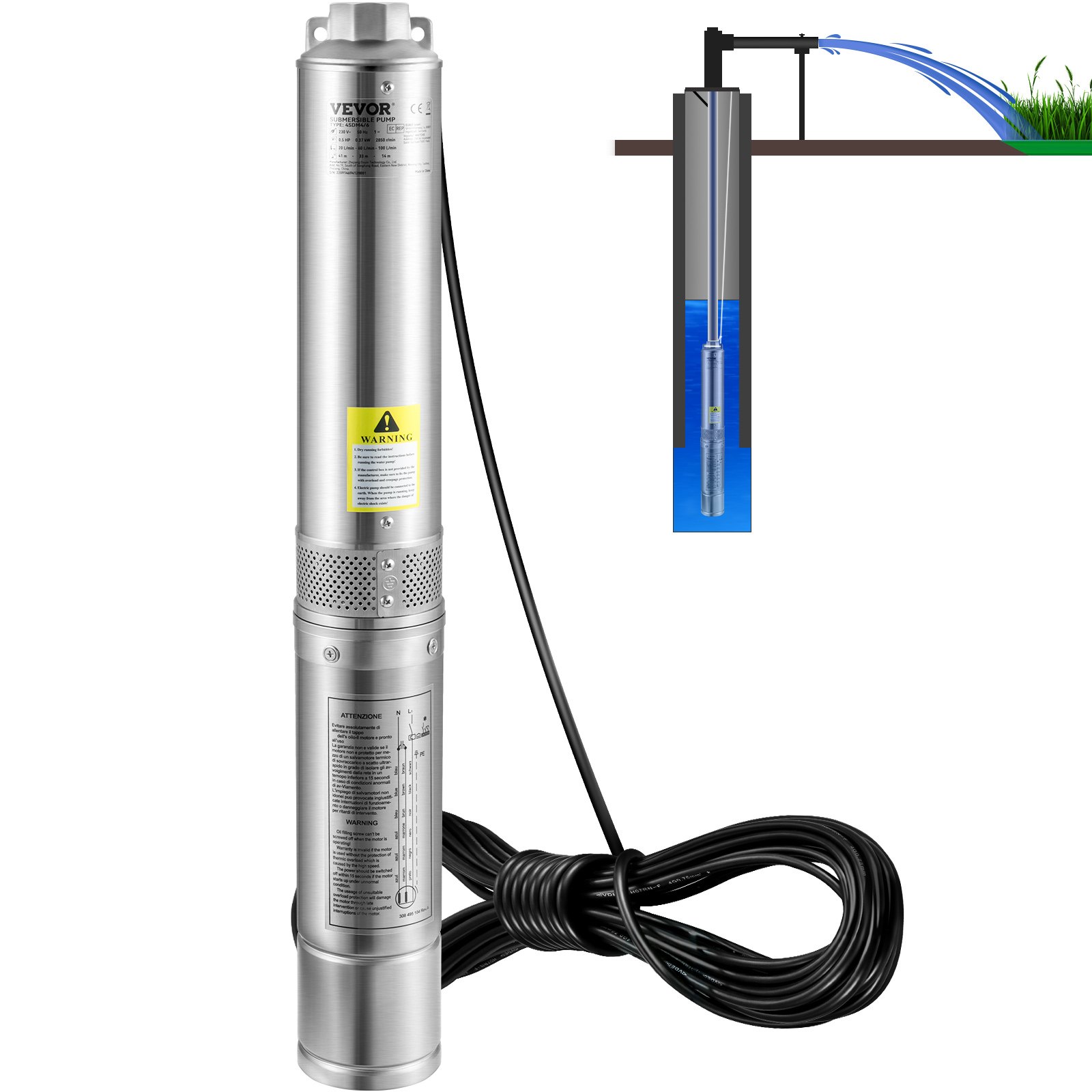
A submersible well pump is a sealed, wet-end motor and impeller stack dropped down a borehole to lift groundwater to a pressure tank. The core trade-off is head-versus-flow sizing against your static water level and pipe friction, plus voltage tier (115V vs 230V) and control-box design that determines whether the pump can be serviced locally. Buy a stainless-steel-bodied unit with a documented head/flow curve that exceeds your measured total dynamic head; skip anything rated only by horsepower.

Plumbing Tools

Deep Well Pump

A deep well pump is a submersible centrifugal pump that lifts water from a borehole, and the core trade-off is head pressure versus flow rate at a given horsepower, not brand cosmetics. The decisive rule: match the pump's rated head (in feet) to your static water level plus lift height and pipe friction, and insist on stainless steel wet-end construction and a documented 4-inch bore fit for durability.

You may also like

Finding more guides for you…