DIY Tool Picks

DIY Tool Picks

Tools & Home Improvement Reviews & Buying Guides

Compare tools & home improvement by use case, features, trade-offs, price, returns, and seller terms before you buy.

Buying guides

Workbenches & Shop Equipment

Saw Horse

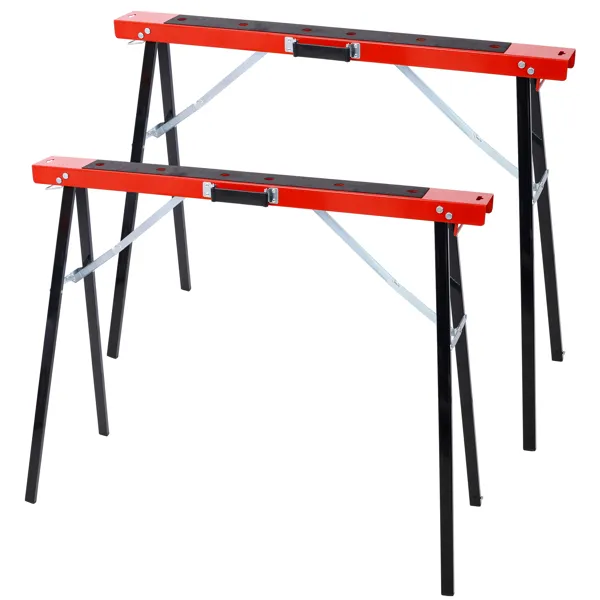
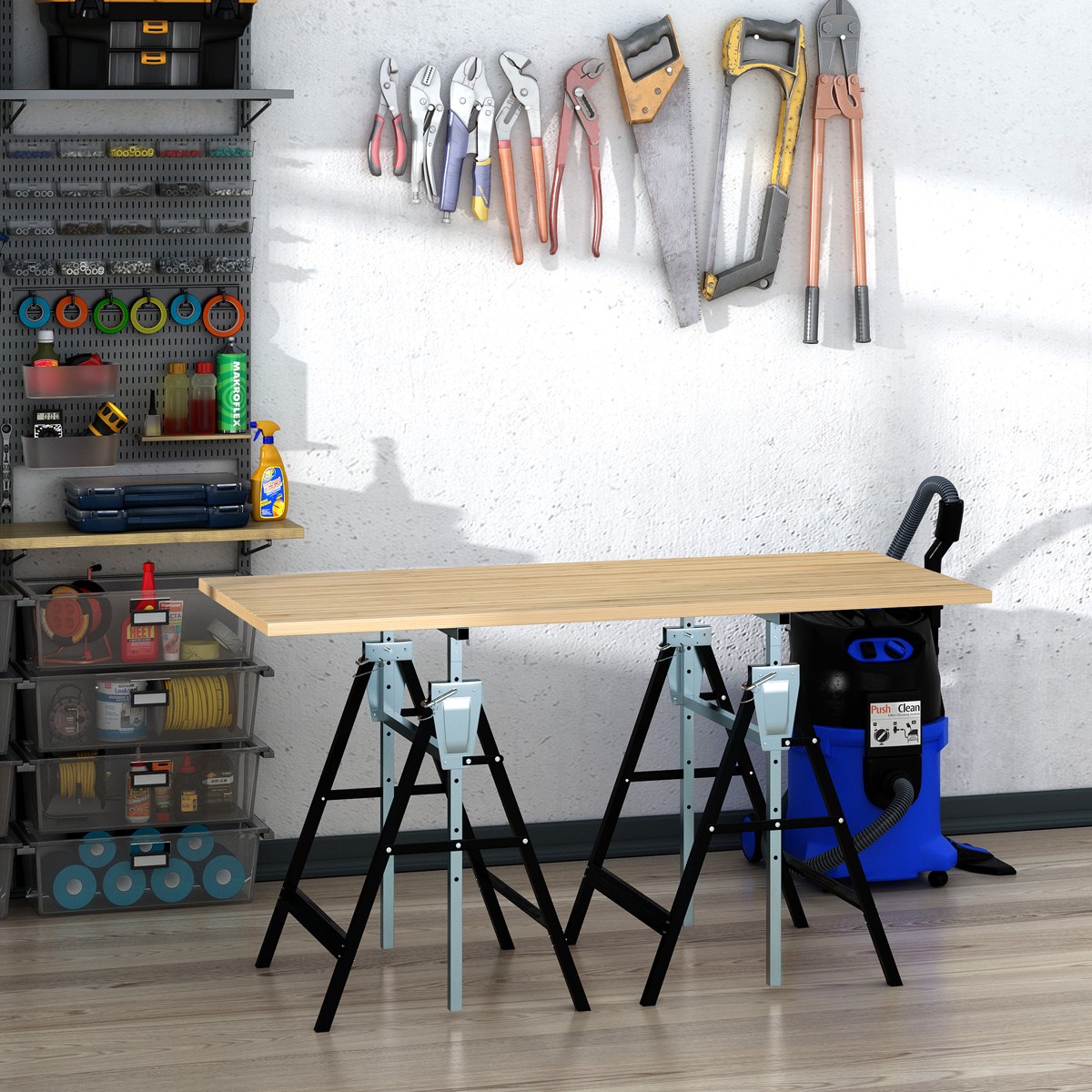
Sawhorses are temporary trestles that support lumber, sheet goods, or a job site work surface; the core trade-off is folding steel portability versus fixed-wood racking strength and cut stability. A durable sawhorse uses a locking leg pivot, rated load stamped in pounds per pair, and a top rail wide enough to resist roll—not just a folding frame. Choose metal folding or adjustable trestle sets for portability, and fixed timber horses for heavy ripping and timber framing.
Power Tools

Electric Chainsaw Battery

An electric chainsaw battery is the interchangeable power pack that determines runtime, cut speed, and long-term tool viability. The core trade-off is voltage and cell architecture versus pack capacity and thermal management, with 18-21V single-stack packs dominating handheld and pole saws. The decisive rule: buy a battery platform with brushless motor compatibility and at least 3.0Ah per pack, and skip generic unbranded 24V+ packs that lack cell-grade disclosure.

Power Tools

Nail Gun

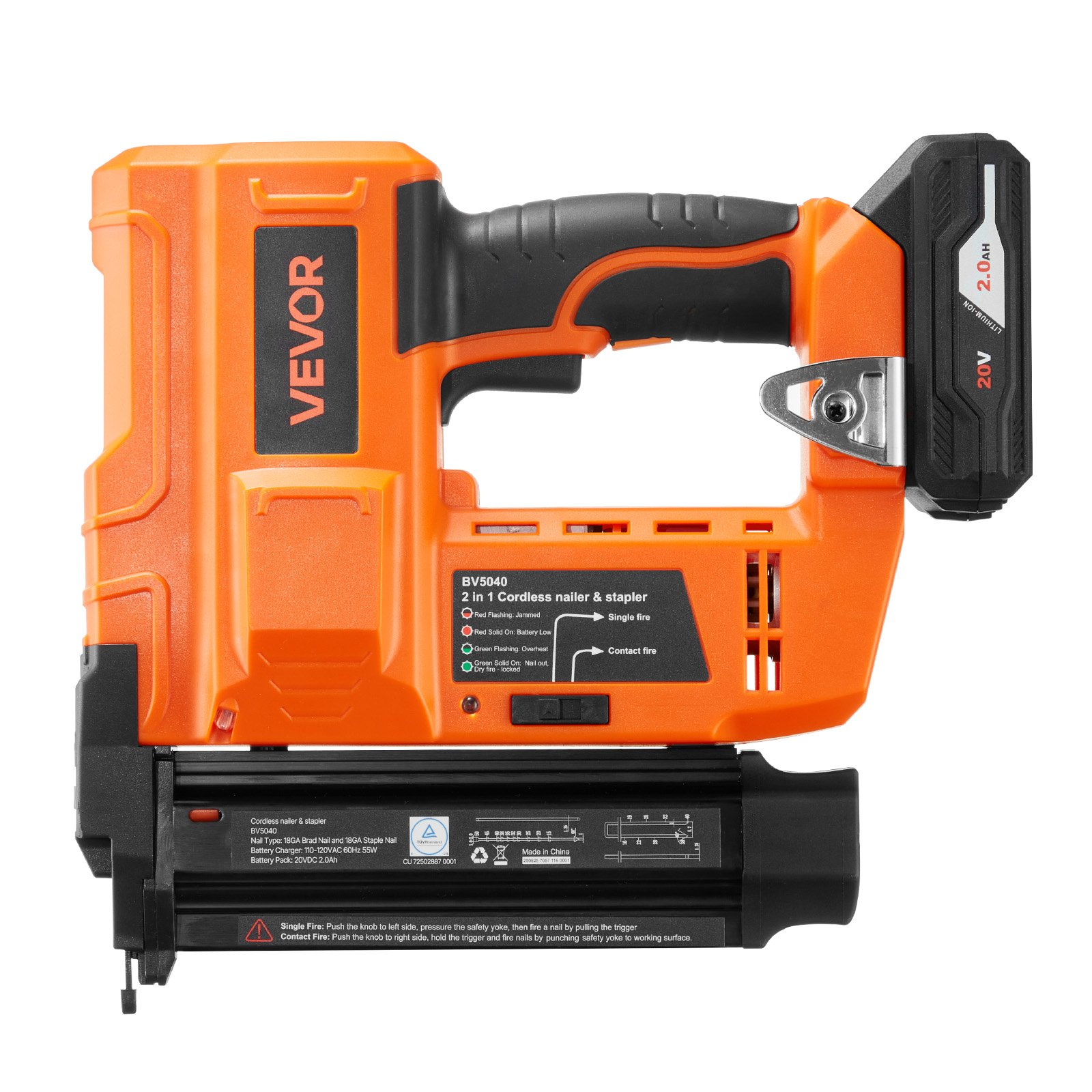
Nail guns split into three architectures: battery-powered (convenience, lower power), pneumatic (constant power, requires compressor), and powder-actuated (concrete/steel). The primary trade-off is portability versus driving force and cycle speed; for hardie siding and heavy sheathing, a pneumatic coil siding nailer with 70–120 PSI is the durable choice, while battery brad nailers suit trim and light DIY.

Hand Tools

Screw Extractor Set

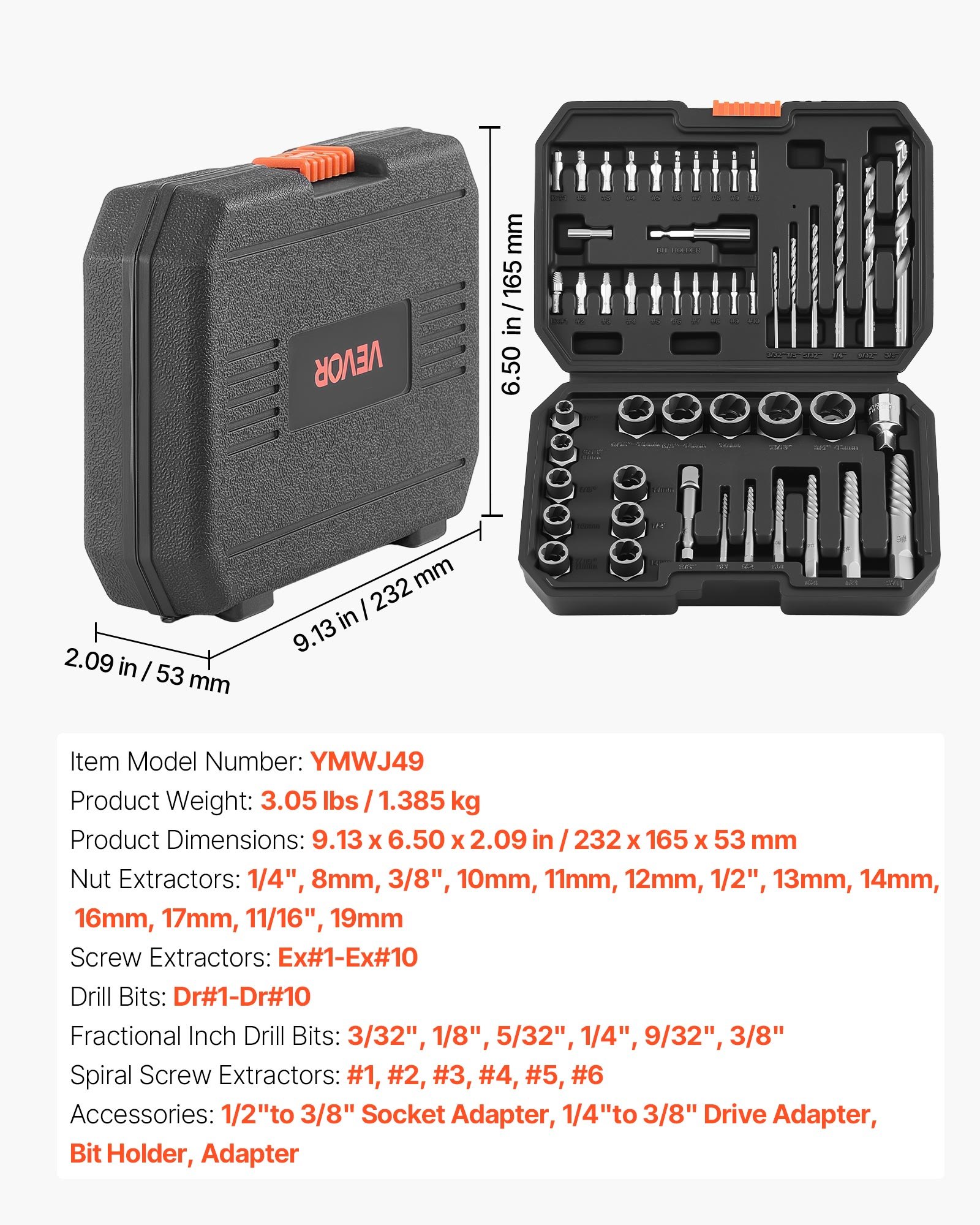
A screw extractor set is a damage-recovery toolkit that pairs left-hand spiral or multi-spline extractors with the correct pilot drill bits and adapters to remove rounded, stripped, or broken fasteners. The core trade-off is steel grade and extractor geometry versus piece count: Cr-Mo extractors with properly matched drill sizes outlast cheap carbon-steel kits that snap under torque. Buy a graded Cr-Mo set with sized drill bits and the extractor style that matches your fastener head; skip high-piece-count kits built around filler accessories.

Workbenches & Shop Equipment

Sawhorse

A sawhorse is a temporary support structure for holding workpieces or forming a cutting table, and the core trade-off is between fixed-height steel trestles (fast, stable, cheap) and adjustable or folding multi-function benches (versatile but heavier and more complex). Buy fixed steel trestles for pure cutting support; buy adjustable or folding models only when you need height matching, portability, or a built-in table surface.

Hand Tools

Power Tool

The power tool segment spans corded and cordless drills, impact drivers, saws, and combo kits, where the core trade-off is motor type and battery platform versus upfront cost and portability. Durable options use brushless motors, standard 18–20V lithium-ion systems with at least 2.0Ah packs, and metal gearboxes; compromises rely on brushed motors, low-capacity cells, and non-standard battery interfaces.

Home Repair

Folding Ladder

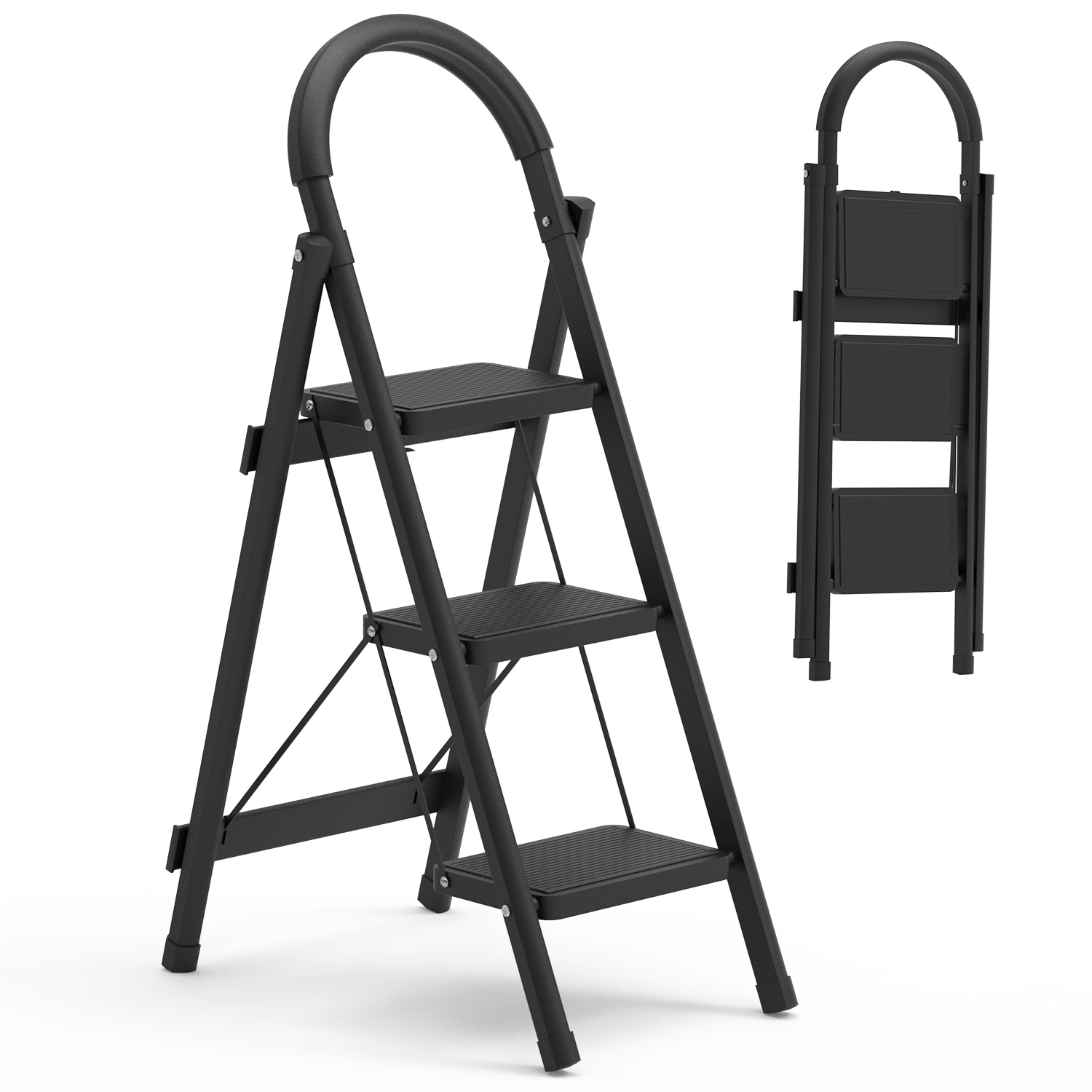
A folding ladder is a collapsible stepladder or step stool that balances portability against load rating and stability. The primary trade-off is aluminum vs steel construction: aluminum saves weight for frequent carrying, while steel adds mass and often a higher duty rating. Choose aluminum for 3-4 step household use, steel for heavy-duty or 5-6 step tasks, and always match step count to the exact reach height you need.

Woodworking Saws & Planers

Electric Planer

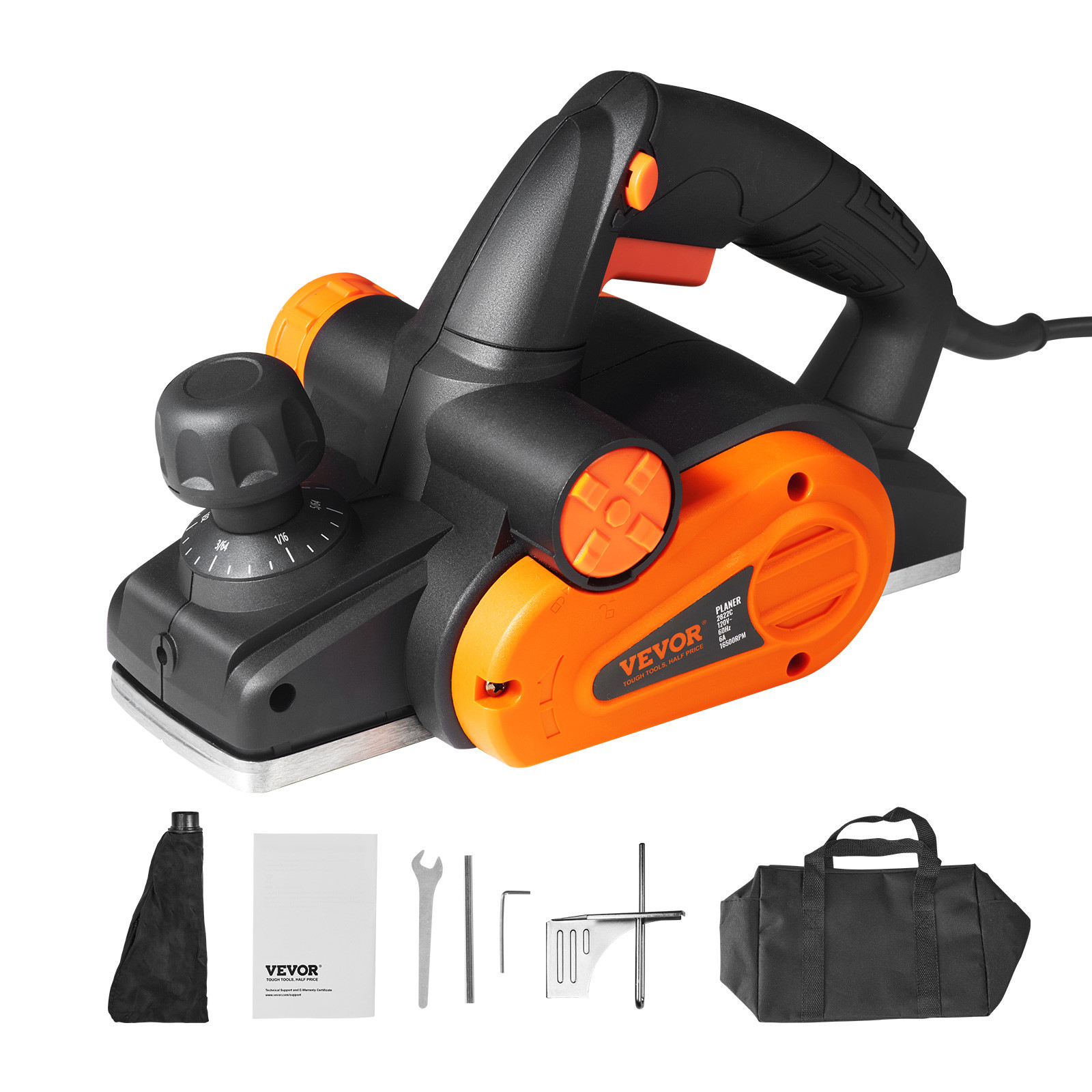
Electric planers are handheld or benchtop machines that shave wood with rotating blades, available in corded and cordless versions. The core trade-off is between corded power and sustained depth of cut versus cordless portability and battery-platform lock-in. The decision rule: buy a corded 7-amp-class planer with a 3-1/4-inch cutterhead for heavy stock removal and benchtop use; choose an 18V brushless cordless planer only if you already own that battery platform and need mobility for trim and chamfer work.

Woodworking Saws & Planers

Hand Saw

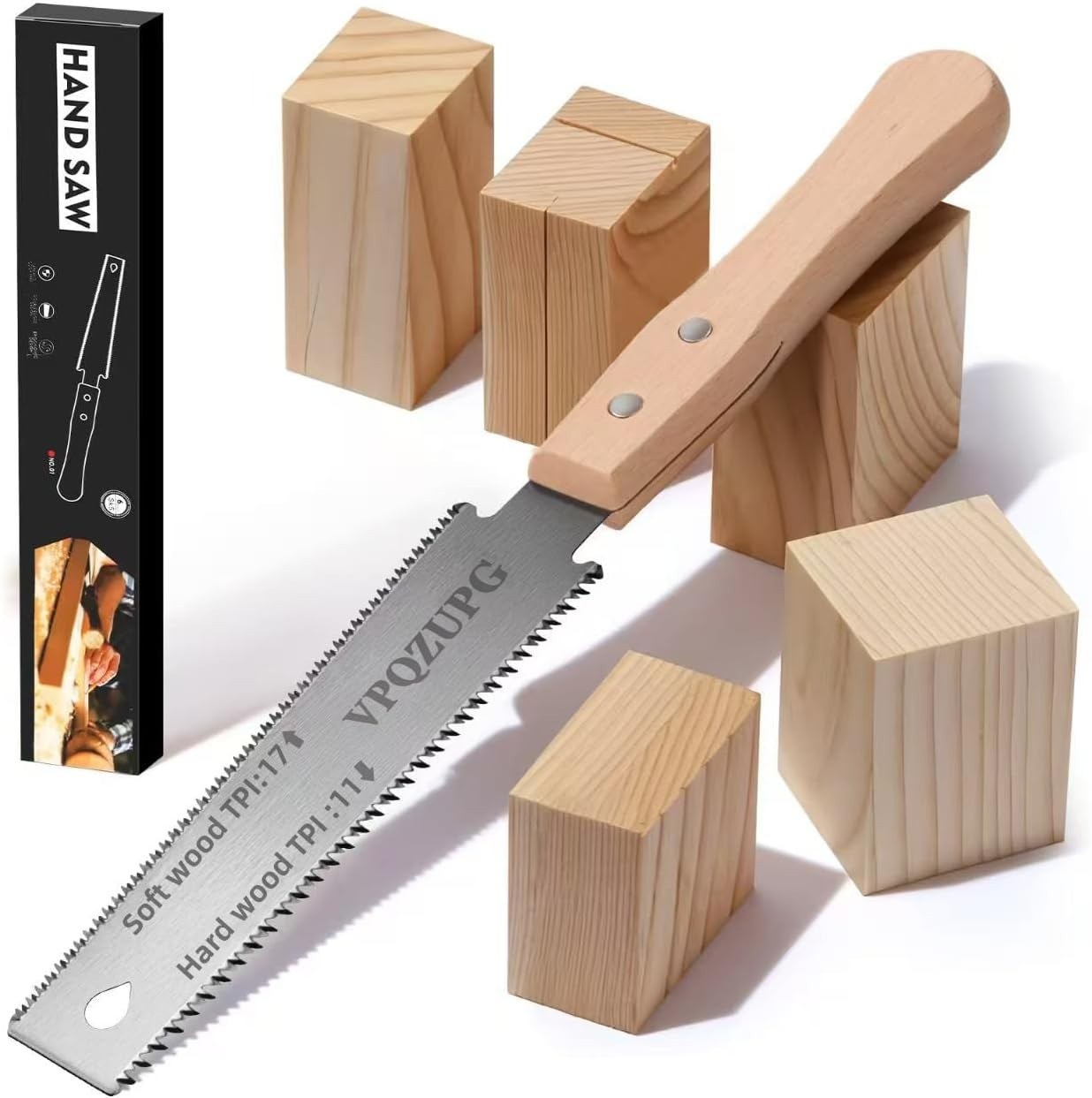
Hand saws span two distinct architectures: Western push-stroke saws with thick, hardened plate and Japanese pull-stroke saws with thin, taper-ground blades that cut on the pull. The core trade-off is plate thickness and tooth geometry—thin 0.5–0.6 mm pull blades track straight with less effort but demand technique, while 1.0–1.2 mm push blades survive rough framing and resharpen but remove more kerf. Buy Japanese pull saws for joinery and fine crosscuts, Western panel saws for demolition and site work; skip anything with induction-hardened teeth if you plan to resharpen.

Measuring & Layout Tools

Tape Measure With Fraction

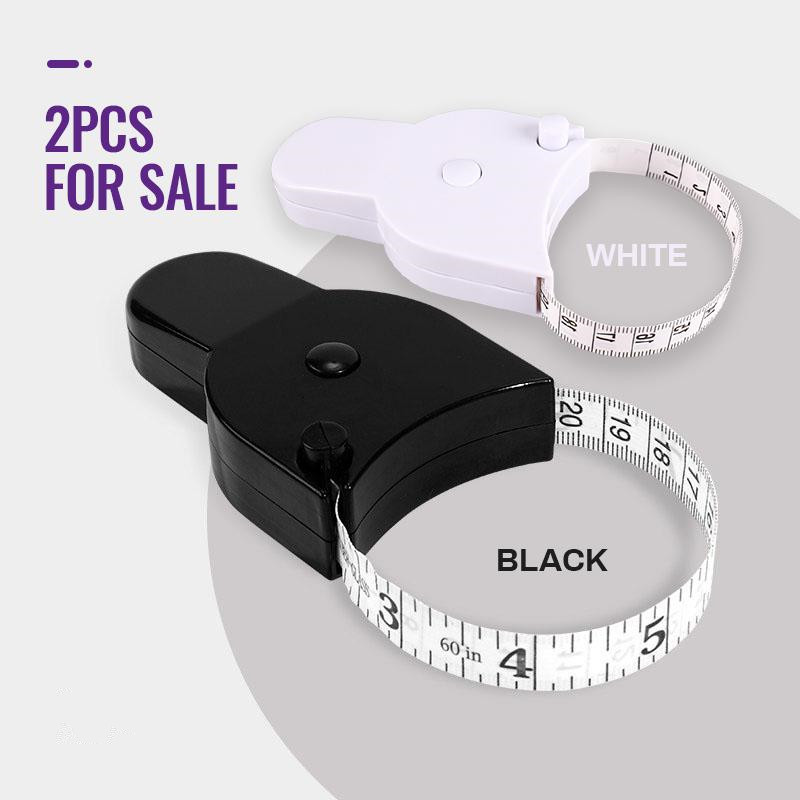
A tape measure with fraction markings solves the core frustration of converting decimal inches to fractional inches on the fly, but the segment splits into two architectures: traditional retractable steel blades with fractional graduations and digital laser measures that compute fractional readouts. The build-quality trade-off is blade standout and coating durability versus laser accuracy and display clarity. Buy traditional blades for reach and ruggedness, digital lasers for long distances and arithmetic; any tool without clear 1/16-inch graduations or a fractional display is a compromise.

Measuring & Layout Tools

Distance Measurer

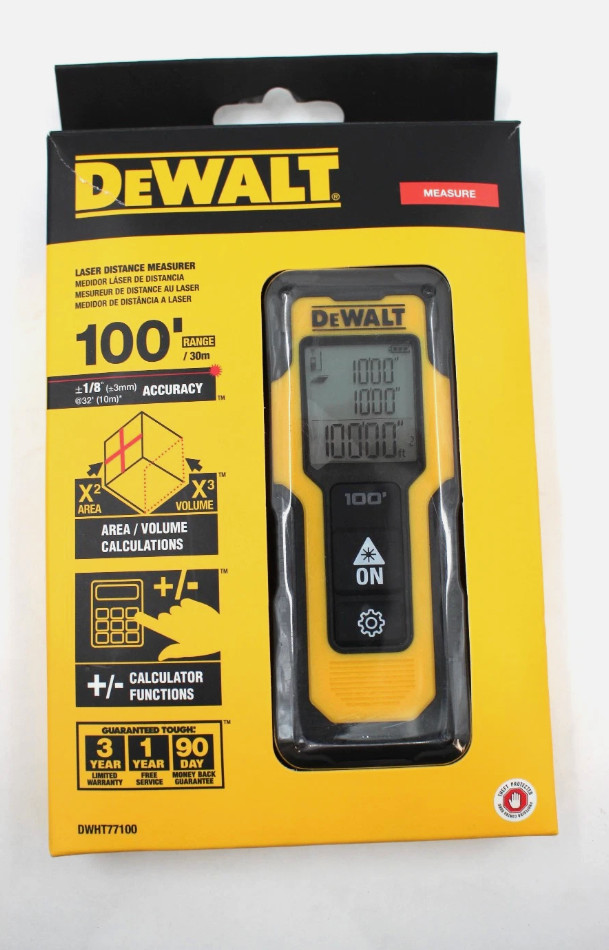
A distance measurer is either a handheld laser rangefinder or a rolling measuring wheel, and the core trade-off is between fast, single-operator point-to-point laser accuracy and terrain-independent mechanical rolling over long outdoor paths. Laser units win for indoor room dimensioning and vertical estimates, while wheels win for ground-level curves, roads, and sites where reflective targets fail. The decision rule: buy a laser with at least a 100 m range and ±2 mm accuracy for interior/Building work, and a wheel with a 100 mm+ circumference and 9999.9 m counter for outdoor layout and surveying.

Power Tools

Mini Chainsaw

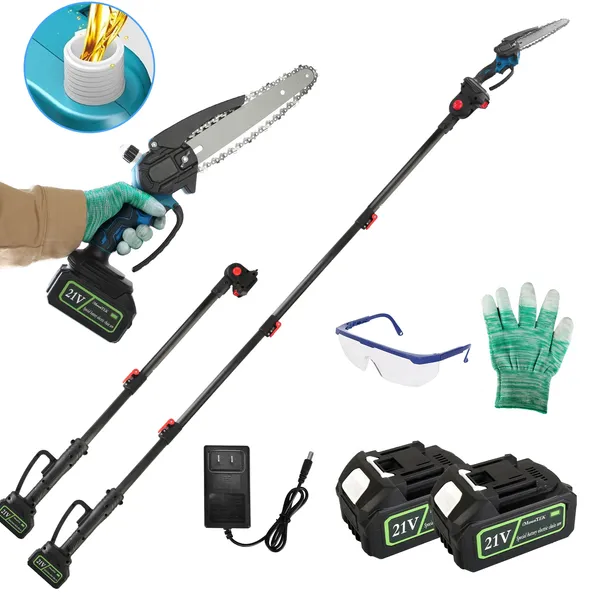
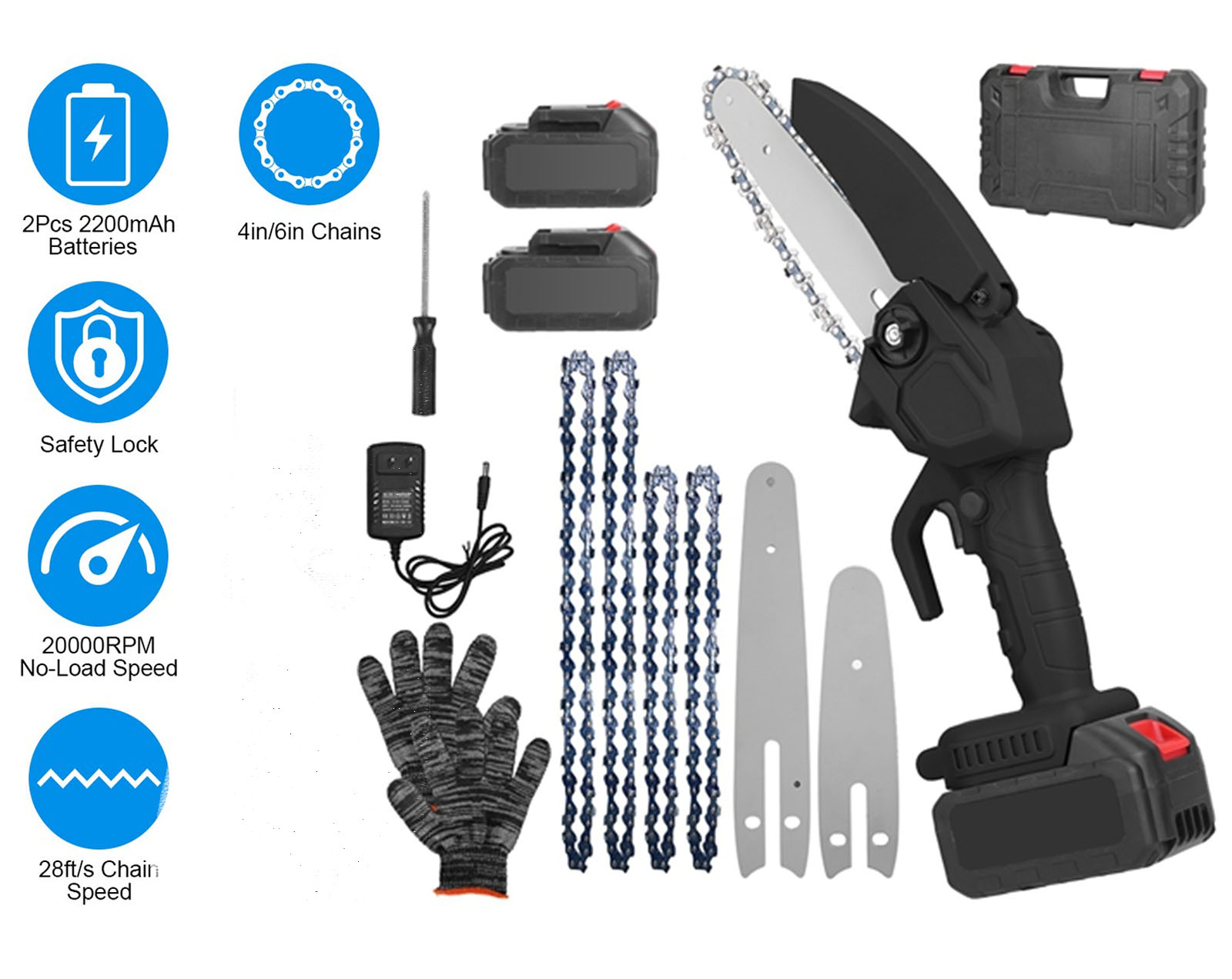
Mini chainsaws are compact, battery-powered chain tools for light pruning, limbing, and small-diameter cutting where a full-size gas or corded saw is overkill. The core trade-off is between bar length and motor/ battery architecture: short 4–6 inch bars on brushed 18–21V platforms are lightweight but stall in hardwood, while 6–8 inch bars with brushless motors and 21V+ battery packs deliver real cutting speed and runtime. Choose a brushless, auto-oiling model with a standard bar-mount and tool-free tension for durability; skip brushed, manual-oil, or plastic-drive models for anything beyond occasional softwood trimming.

Power Tools

Dewalt Cordless Screwdriver

DeWalt cordless screwdrivers span compact 8V gyroscopic drivers to 20V MAX brushless drill/drivers and impact drivers, so the primary trade-off is torque and speed versus size and weight. The decisive rule: choose a 20V MAX brushless drill/driver (DCD800/DCD805 class) for general fastening and drilling, a 20V impact driver (DCF845 class) for high-torque driving, and an 8V MAX gyroscopic screwdriver only for light assembly and furniture work.

Woodworking Clamps, Jigs & Joinery

Bench Vise

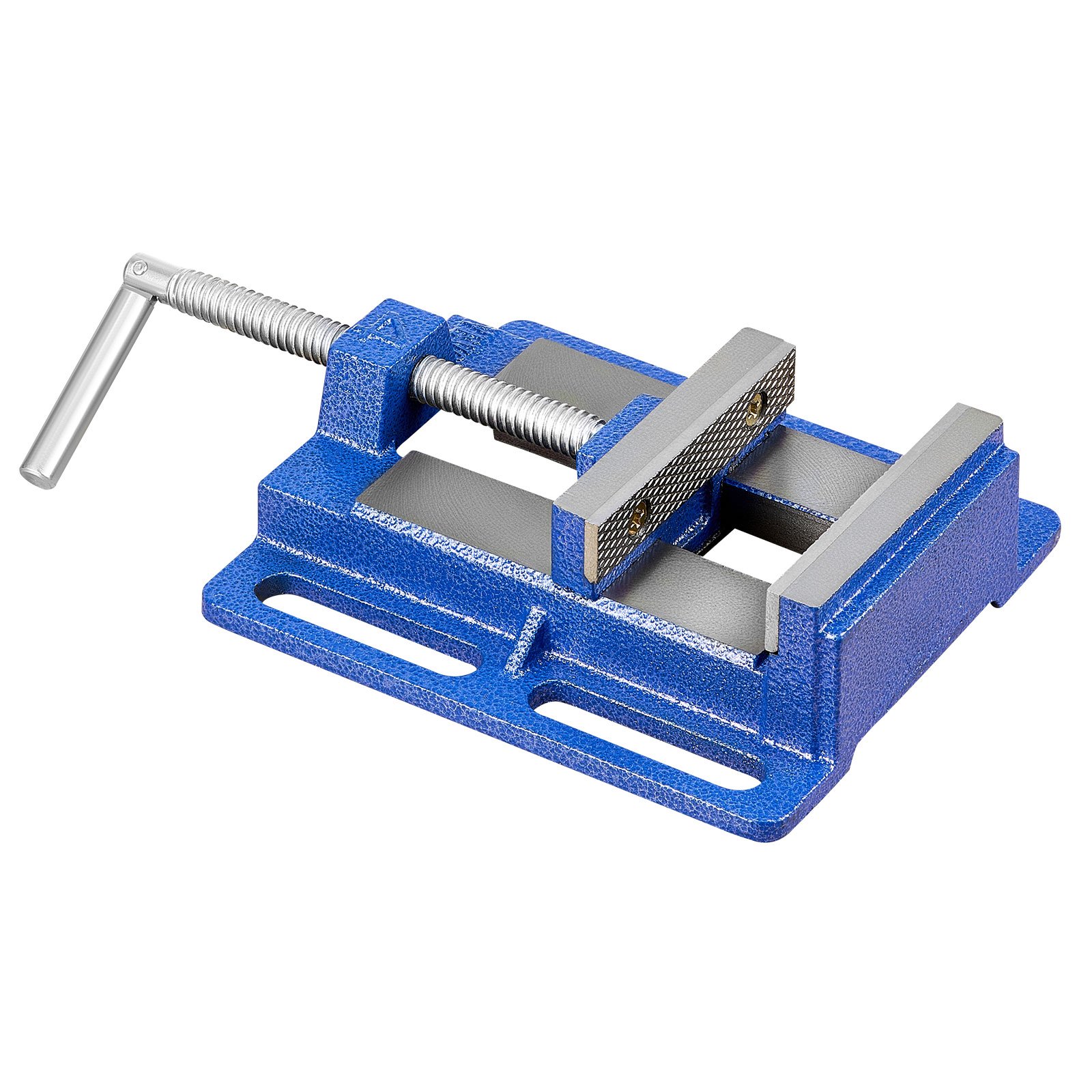
A bench vise is a fixed work-holding tool whose jaw width, opening capacity, and clamping mechanism determine whether it suits furniture-scale woodworking or light metalwork. The primary trade-off is cast-iron mass and screw quality versus lightweight portable designs that flex under load. Buy a vise with at least 4-inch jaws and a sealed screw for bench work; skip tilting or drill-press vises for hand-tool planing and sawing.

Garage Storage

Wire Shelf

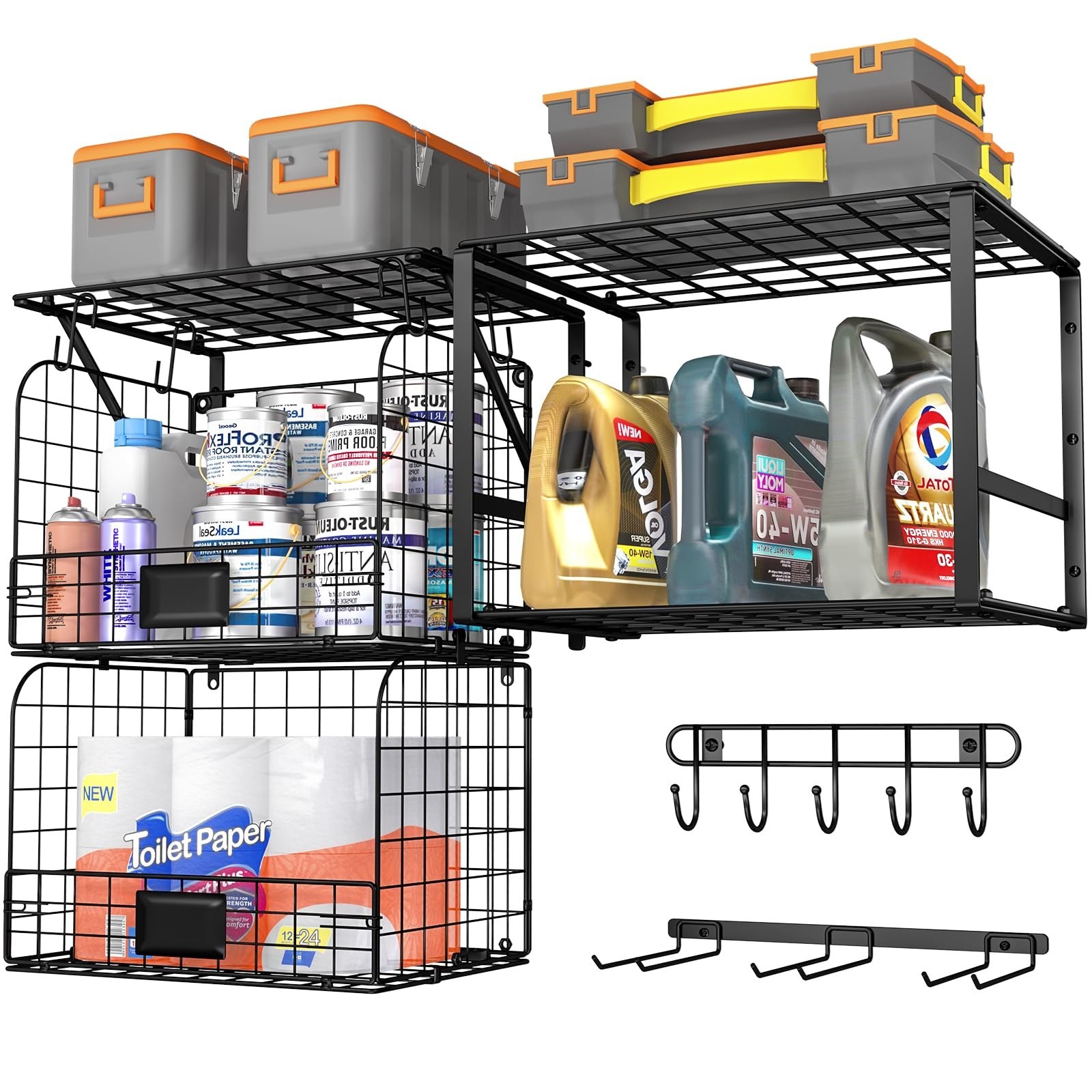
Wire shelving is a modular steel-rod system, not a single product: the performance gap comes down to rod gauge and coating versus tube-wall thickness and post-diameter, and the decision rule is simple — pick chrome-plated or zinc-coated steel rated 800 lb per shelf for garage loads, and accept lighter epoxy or powder-coated wire only for pantry, closet, or light office duty.

Woodworking Saws & Planers

Handheld Electric Planer

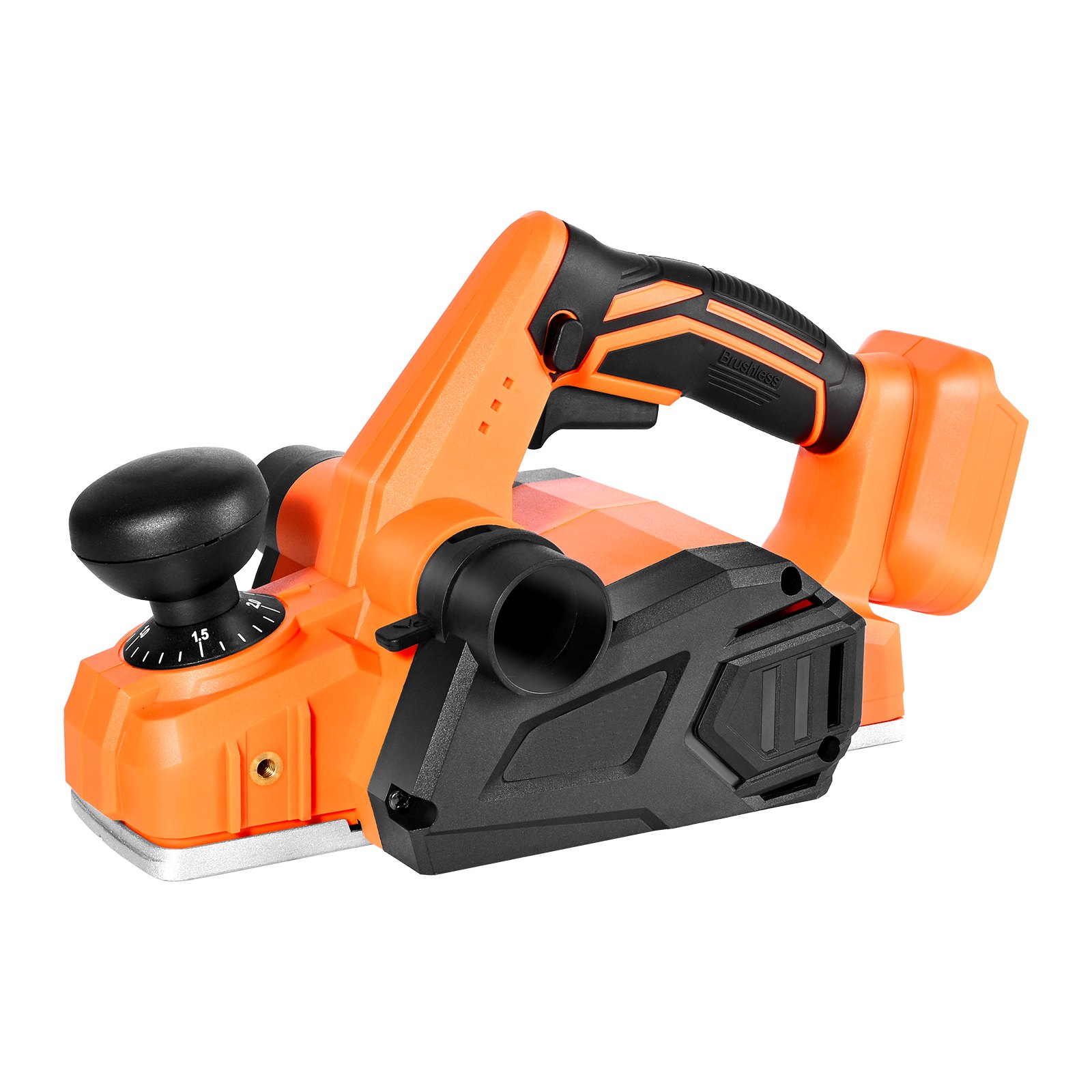
Handheld electric planers are portable wood-dimensioning tools that remove material in shallow passes to flatten, chamfer, or size lumber. The core trade-off is corded AC power (constant torque, no battery limits) versus cordless brushless DC (portability at the cost of battery platform lock-in and reduced sustained depth capacity). Choose corded 6-7A with a 3-1/4-inch cutterhead for continuous bench work; choose an 18V brushless bare tool only if you already own that battery platform and work off-grid.

Power Tools

Belt Sander

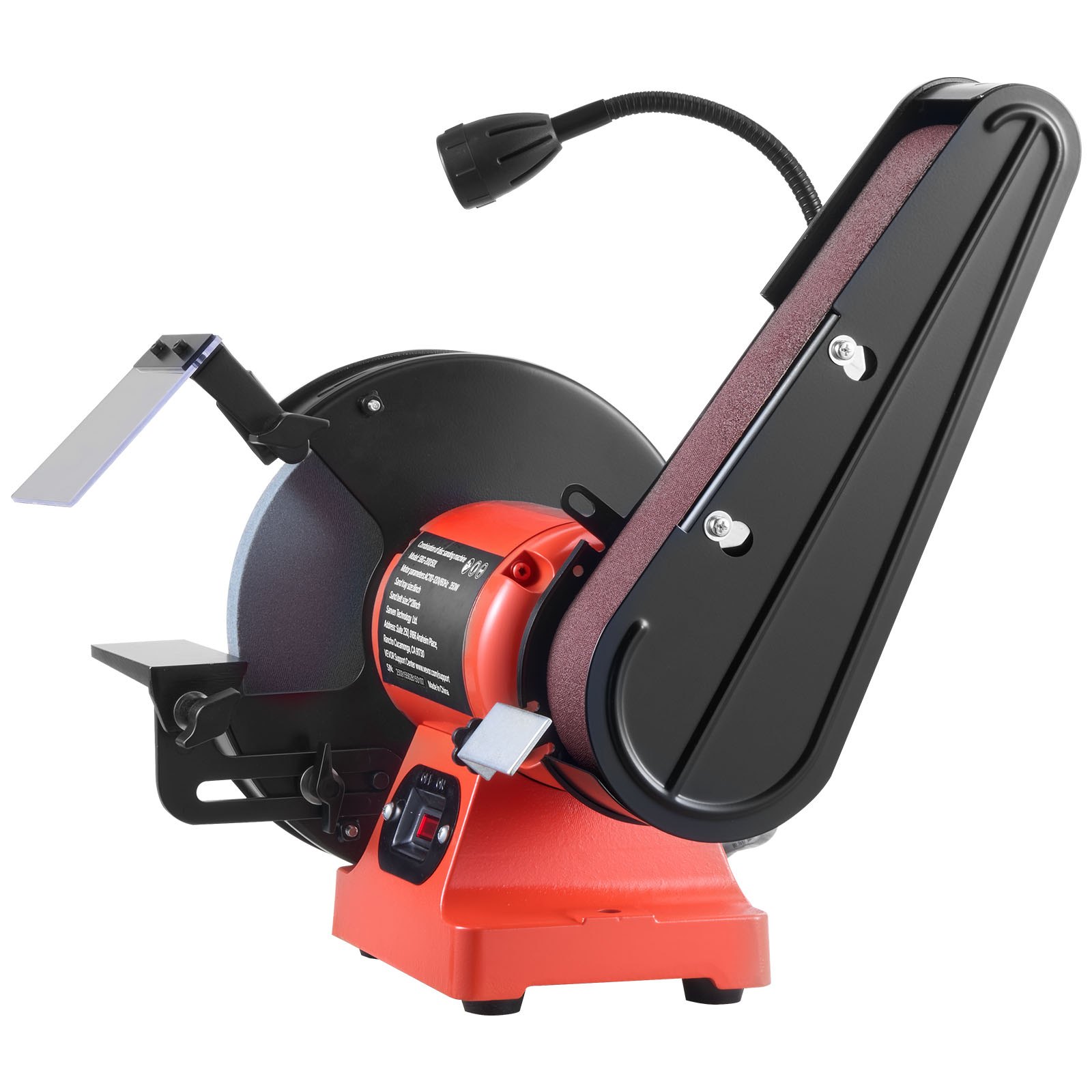
Belt sanders span two distinct architectures: woodworking/floor sanders with platens and dust ports, and metalworking belt grinders with contact wheels, platen gaps, and VFD speed control. The core trade-off is motor type and belt format: induction motors with standard 3x21 or 4x24 belts handle wood and general stock removal, while brushless DC or 3-phase VFD units in 2x72 or 2x48 formats deliver the torque and speed range needed for knife bevels and steel finishing. Buy the architecture that matches your abrasive format and material; avoid cross-shopping a wood sander for blade work or a knife grinder for deck boards.

Woodworking Clamps, Jigs & Joinery

Wood Bar Clamp

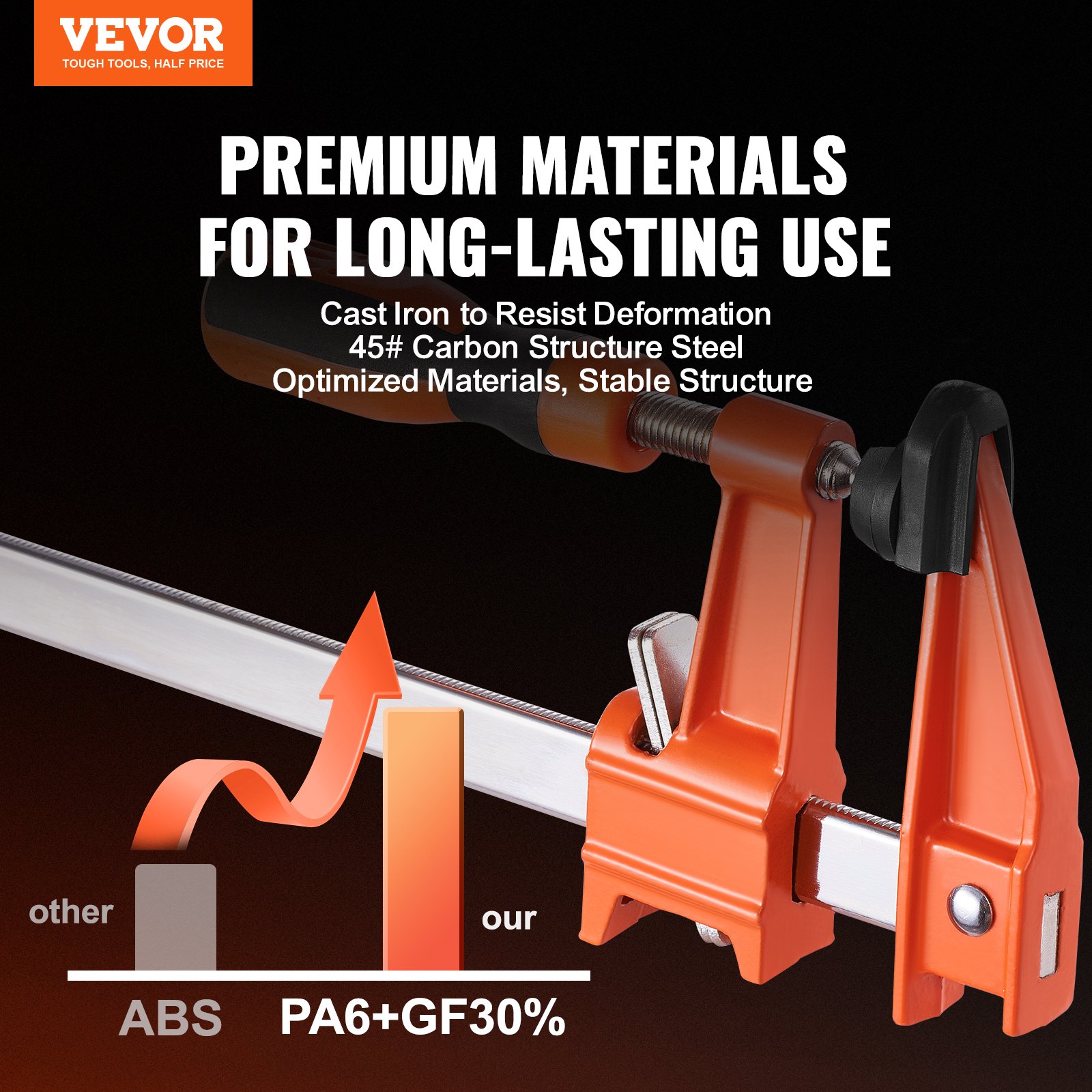
Wood bar clamps are the backbone of glue-ups and assembly, and the core trade-off is bar stiffness and jaw material versus cost: cast-iron jaws on a rigid steel bar hold clamp pressure without bowing, while plastic-bodied or light-duty bars flex and lose grip. Buy for the load and reach your work demands — F-style and quick-change clamps for general assembly, parallel clamps for panel glue-ups — and skip ultra-cheap plastic clamps for anything beyond light holding.

Garage Storage

5 Shelf Metal Storage Rack

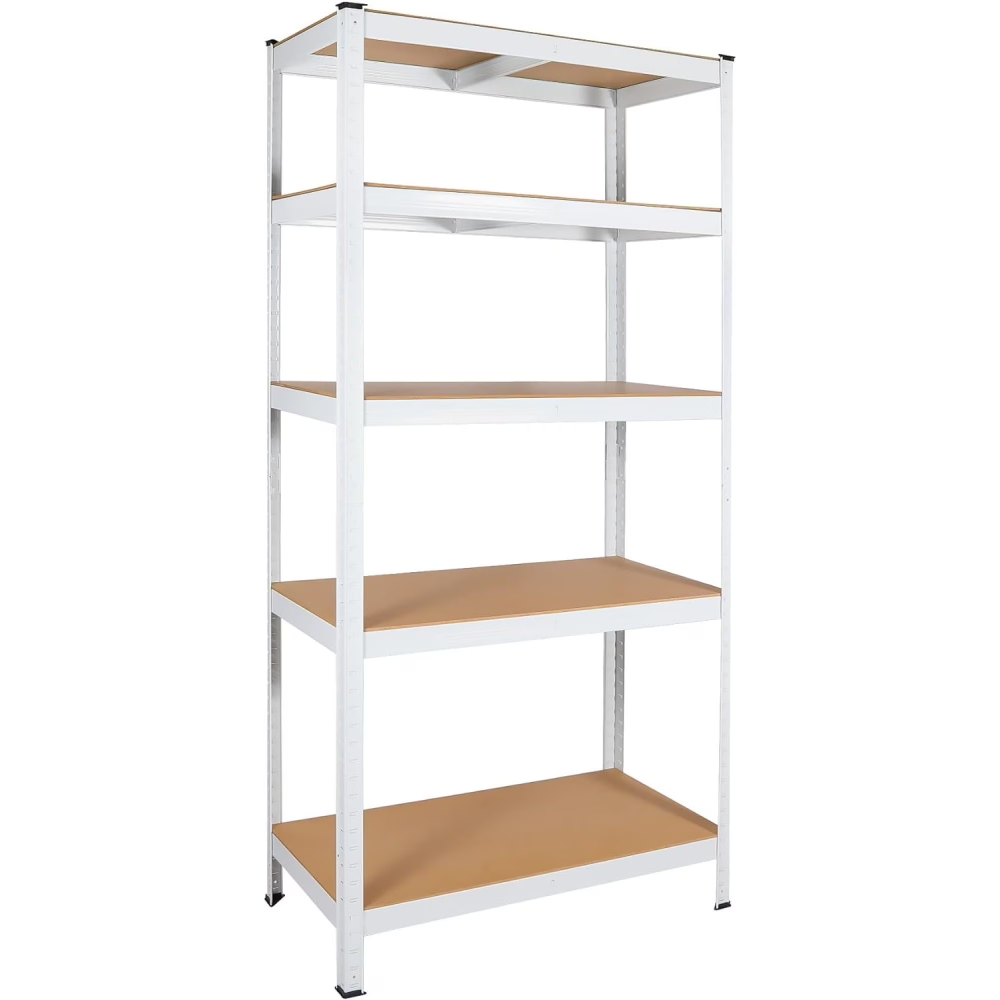
A 5-shelf metal storage rack is a freestanding, adjustable steel shelving unit designed for garage, basement, or warehouse use, with load capacity and steel gauge as the primary durability trade-offs. The clear decision rule: buy a unit rated for at least 20% more than your heaviest planned shelf load and constructed from 18-gauge or thicker uprights with reinforced beam brackets — anything thinner is a light-duty compromise, not a true garage rack.

You may also like

Finding more guides for you…