DIY Tool Picks

DIY Tool Picks

Tools & Home Improvement Reviews & Buying Guides

Compare tools & home improvement by use case, features, trade-offs, price, returns, and seller terms before you buy.

Buying guides

Woodworking Saws & Planers

Electric Wood Planer

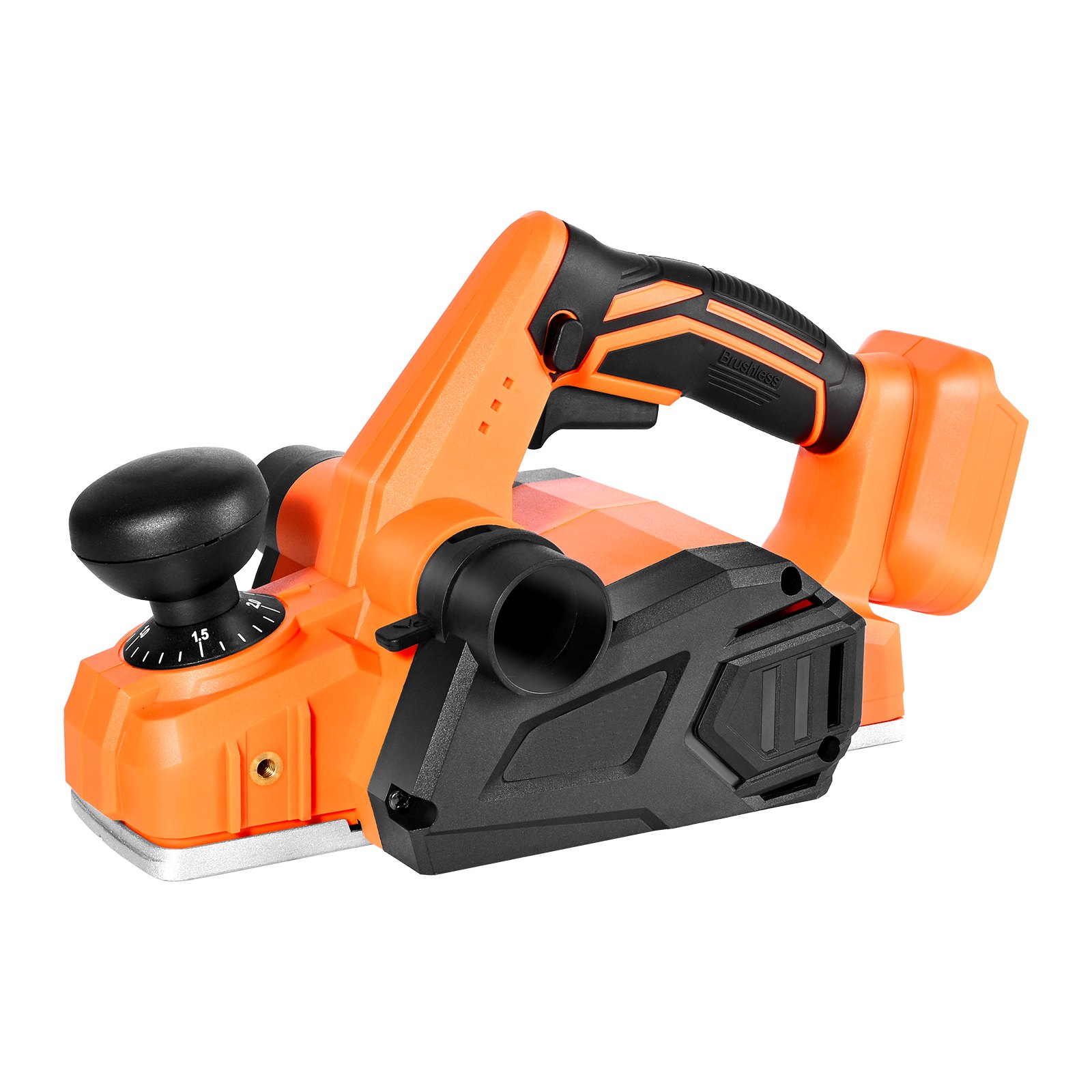
An electric wood planer is a handheld or benchtop power tool that shaves wood to a flat, uniform thickness using rotating cutter blades. The primary trade-off is between corded power and cordless freedom, with build quality determined by motor type, blade system, and cut-width stability. Choose a brushless corded unit for continuous workshop use, or a brushless cordless model with a high-capacity battery for remote job sites—skip brushed motors and plastic baseplates for serious work.
Painting & Finishing Supplies

Cordless Paint Sprayer

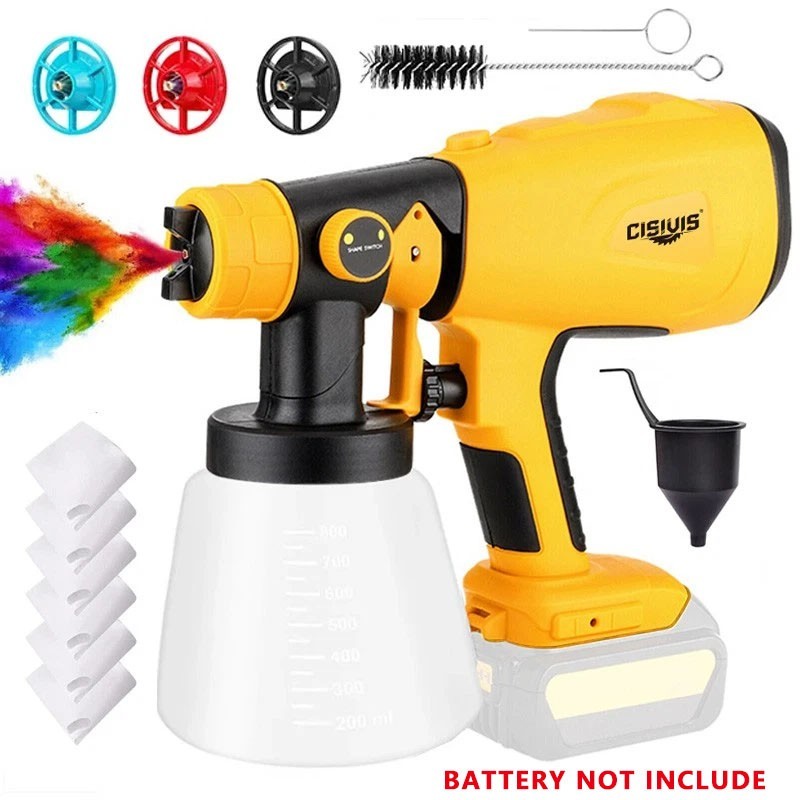
Cordless paint sprayers are battery-powered handheld or cart-mounted units that atomize paint without a cord, trading the unlimited runtime and higher pressure of corded models for portability. The core trade-off is battery platform compatibility versus spray technology: true HVLP uses high air volume at low pressure for fine finishes, while airless-style handhelds use high pressure for thicker materials but demand more power. Buy only units built for a major tool battery platform (DeWalt 20V, Ryobi 18V, Milwaukee M18) or that include their own matched battery and charger; generic white-label batteries with no platform support are disposable compromises.

Woodworking Clamps, Jigs & Joinery

Woodworking Vise

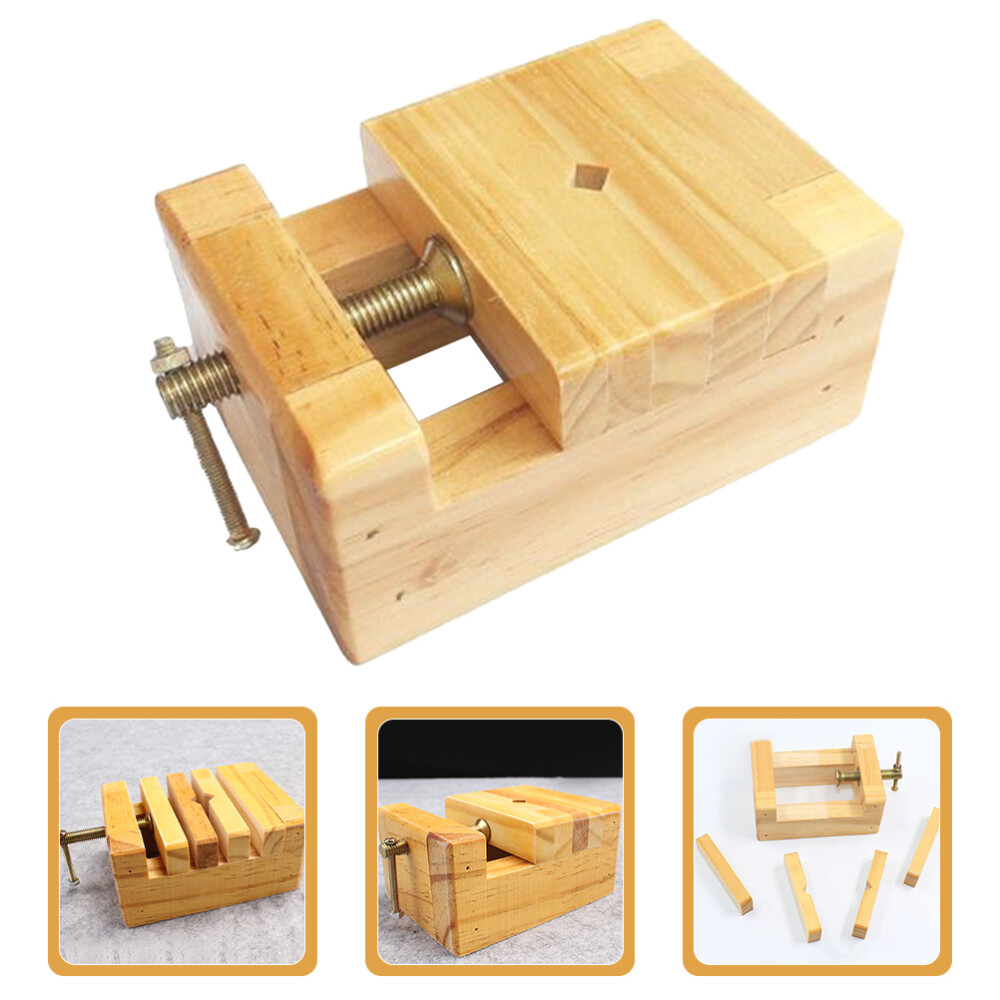
A woodworking vise is a bench-mounted work-holding device that secures stock for hand-tool and power-tool operations, and the primary trade-off is between a dedicated quick-release woodworking vise with wooden jaws, deep capacity, and fast screw travel versus a metalworking or drill-press vise optimized for clamping force, low profile, and machine-table mounting. Buy a true quick-release front-vise with at least 7-inch jaw width and 8-inch opening for bench work; choose a drill-press or cross-slide vise only when the vise must sit on a drill table or mill and never replace a bench vise with one.

Woodworking Saws & Planers

Electric Handheld Wood Planer

An electric handheld wood planer is a portable, single- or dual-blade rotary tool for chamfering, scribing, and flattening stock up to 3-1/4 inches wide. The core trade-off is corded continuous power versus cordless battery freedom, with brushless motors defining the durability tier. Choose a corded 6-7A unit for sustained shop work; choose an 18V brushless bare tool only if you already own that battery platform.

Plumbing Tools

Submersible Pump With Float Switch

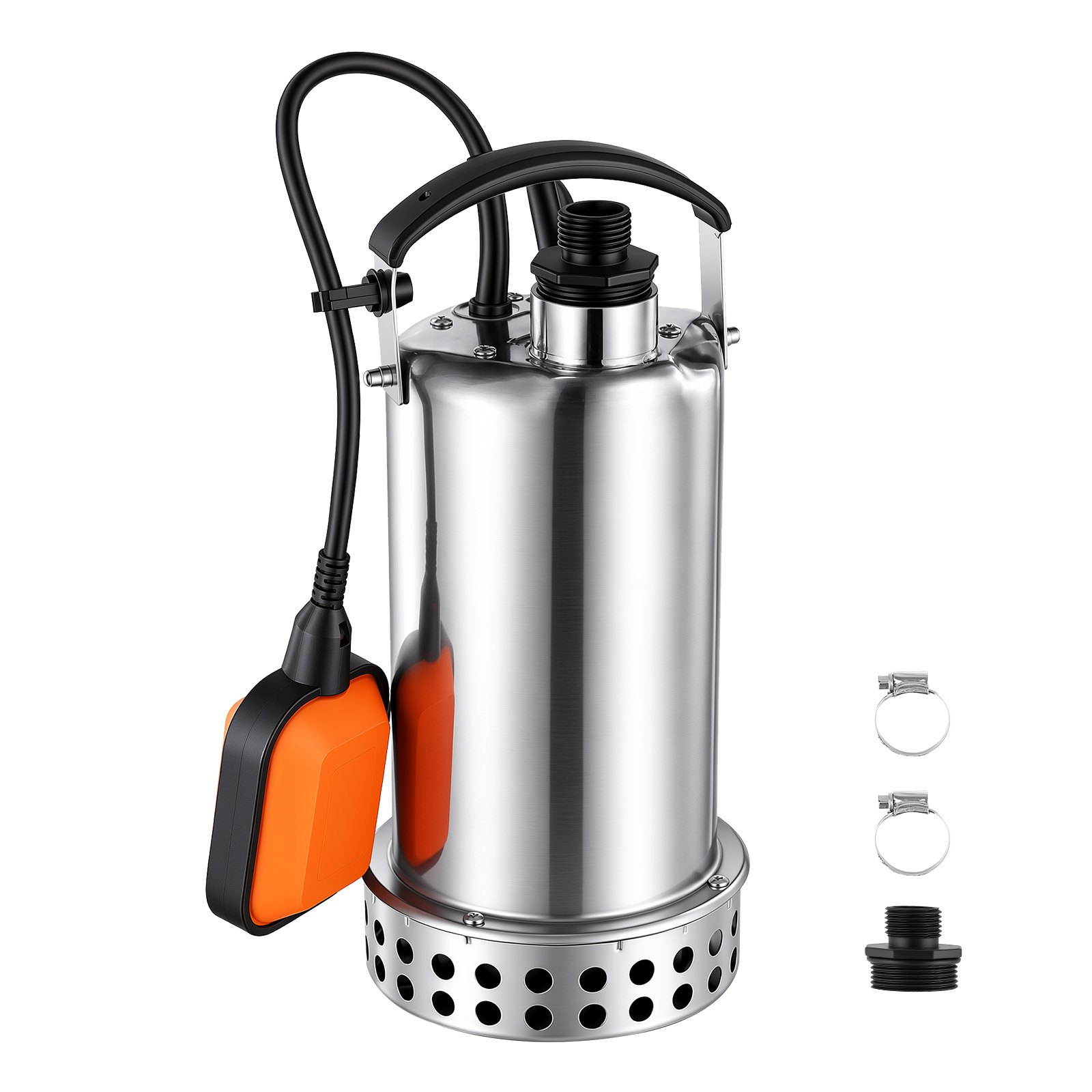
A submersible pump with a float switch is a self-contained drainage or sump unit that turns on automatically when water rises, eliminating manual monitoring. The core trade-off is head pressure versus flow: higher horsepower and larger discharge ports move more water but draw more current and can overwhelm standard 1.25-inch sump basins. Buy durable cast-iron or stainless housings with a tethered or vertical float rated IPX8 and a discharge size matched to your plumbing; skip plastic-bodied units with integral non-replaceable switches for continuous duty.

Woodworking Clamps, Jigs & Joinery

Parallel Bar Clamp

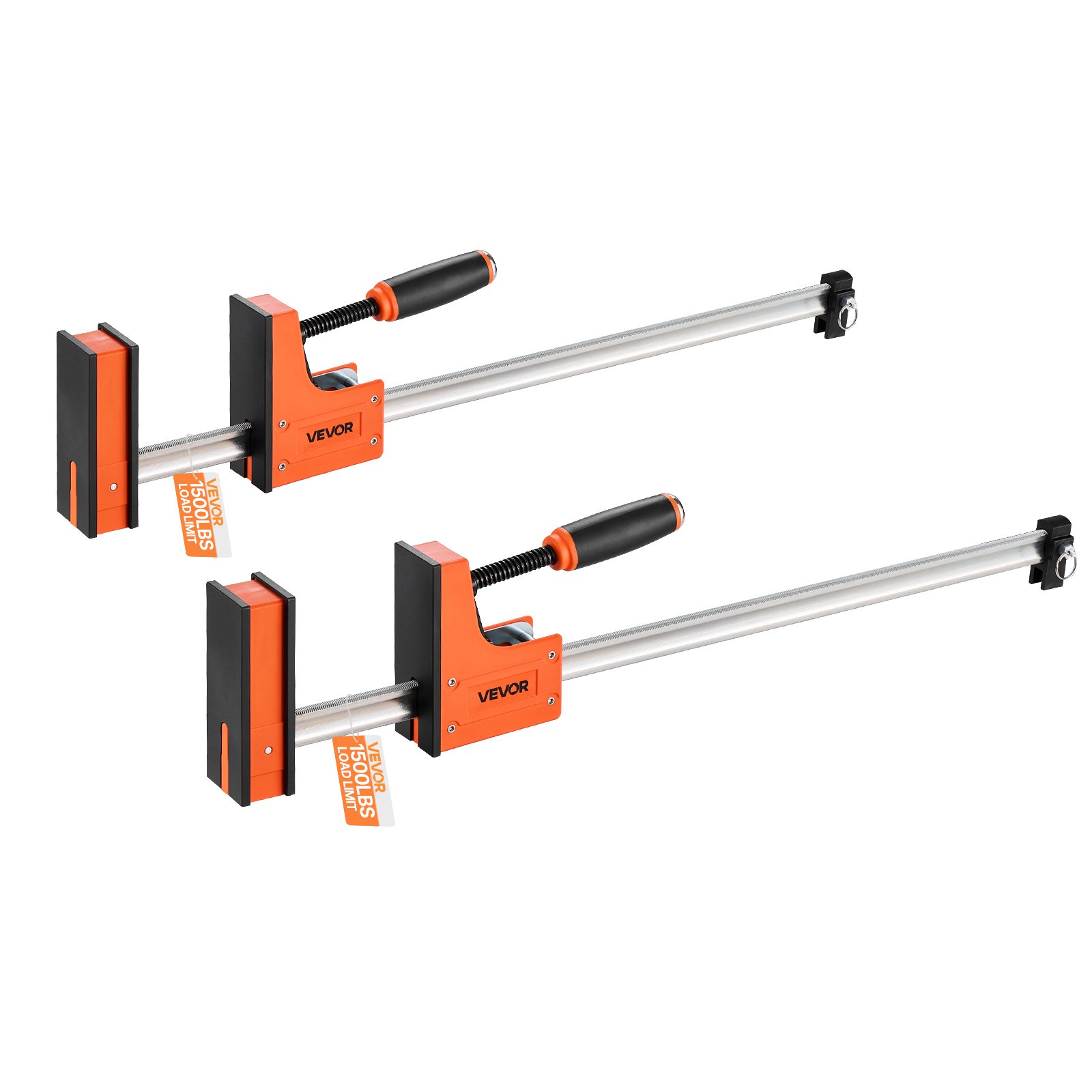
Parallel bar clamps apply even, square pressure across wide glue-ups using two rigid bars and wide jaws, unlike F-clamps that rack or twist under load. The core trade-off is jaw rigidity and bar straightness versus weight and cost: steel or carbon-steel bars with cast-metal jaws hold 90° under full load, while plastic-bodied heads flex and slip. Choose a true parallel clamp for panel glue-ups and casework; choose an F-clamp only for light, irregular holding.

Hand Tools

Lifting Strap

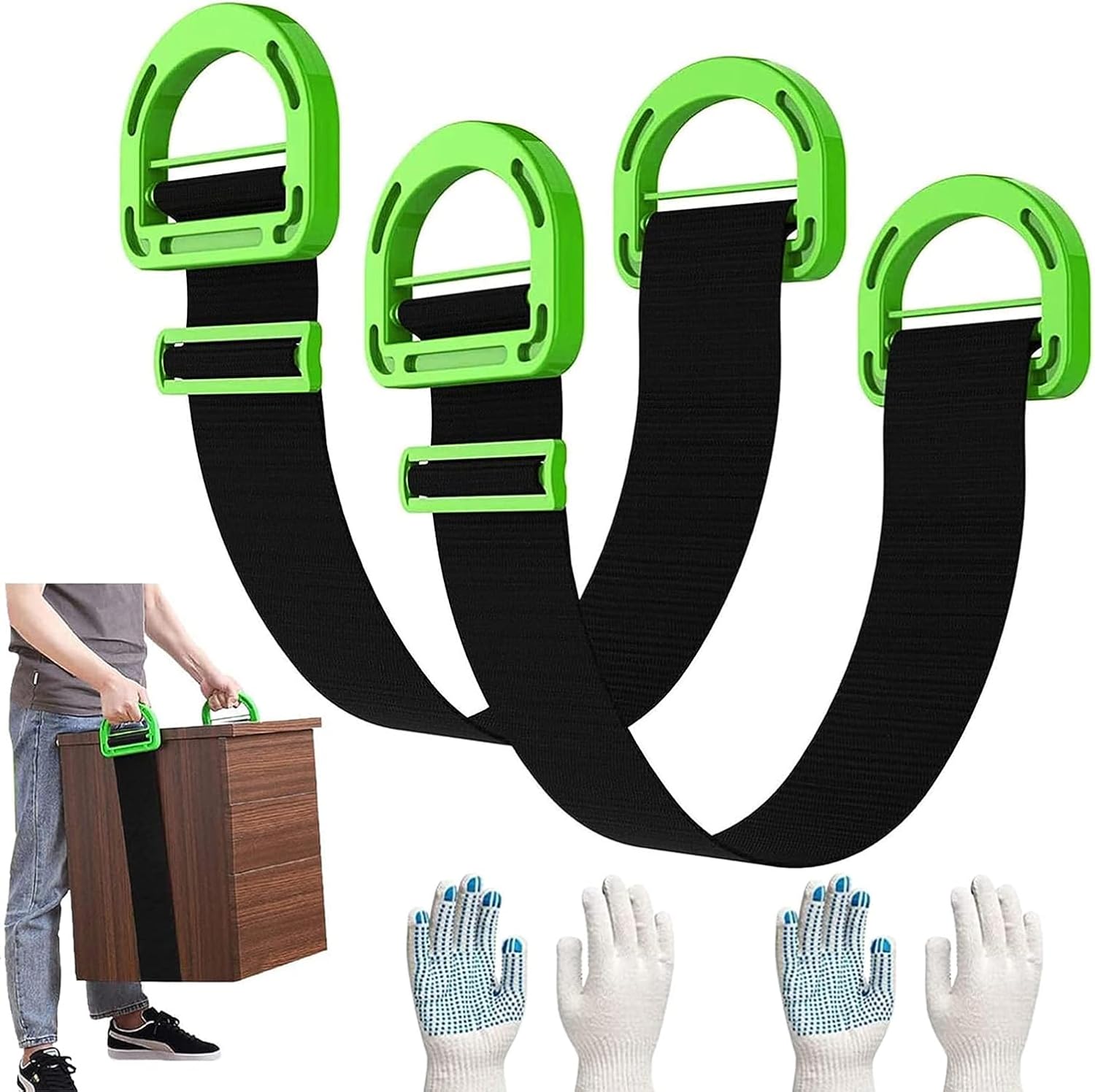
Lifting straps for heavy objects are load-bearing webbing systems—single-person harnesses or two-person shoulder slings—that transfer furniture and appliance weight to your skeleton instead of your spine. The core trade-off is webbing tensile strength and stitch pattern versus hardware quality and padding, where budget straps often use thin 1-inch polypropylene and unbranded cam buckles that creep under load. Buy only straps rated at 2x your heaviest item with forged or welded steel buckles and box-X stitching; skip thin webbing and plastic hardware for anything over 150 lb.

Hand Tools

Moving Strap

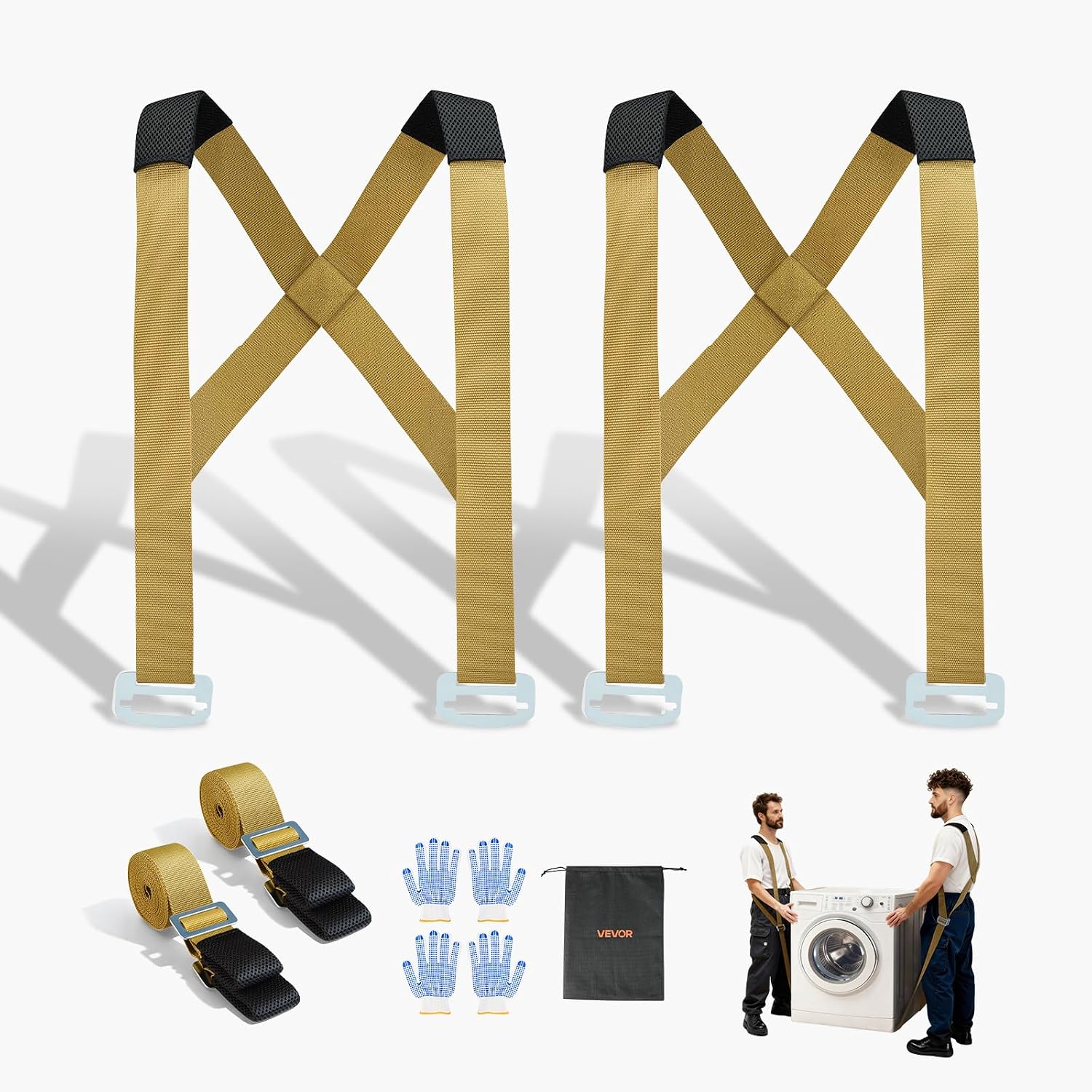
Moving straps are load-bearing webbing systems that transfer furniture weight to your legs and core, but the category splits sharply between true two-person shoulder-harness systems and single-person forearm straps. The trade-off is load rating and body-fit adjustability versus bulk and setup time: two-person harnesses rated 800–1,000 lb move sofas and appliances safely, while single-person straps suit bulky-but-light items under 300 lb. Buy a harness with wide padded shoulder straps and metal cam buckles; skip thin flat webbing with plastic hardware.

Measuring & Layout Tools

Laser Distance Measurer

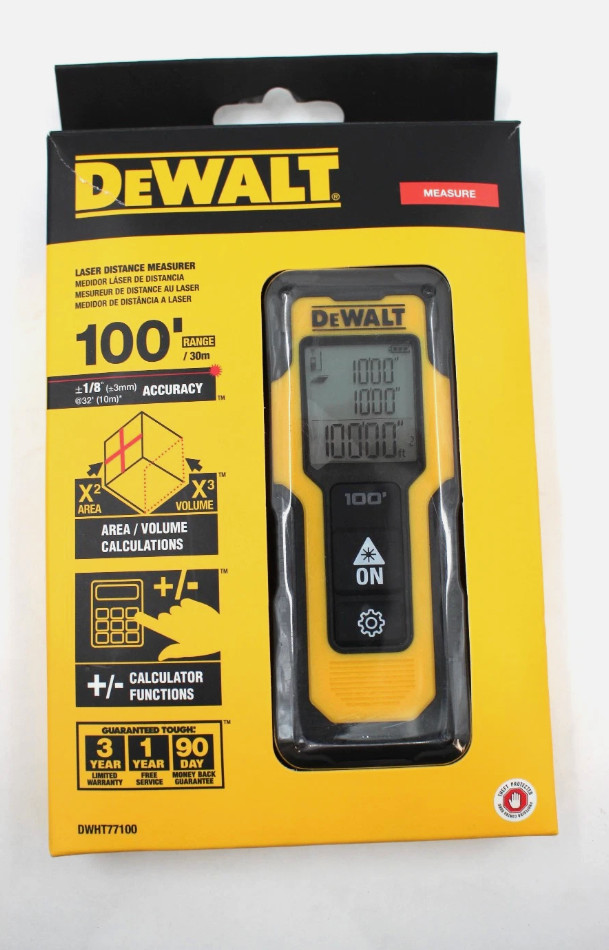
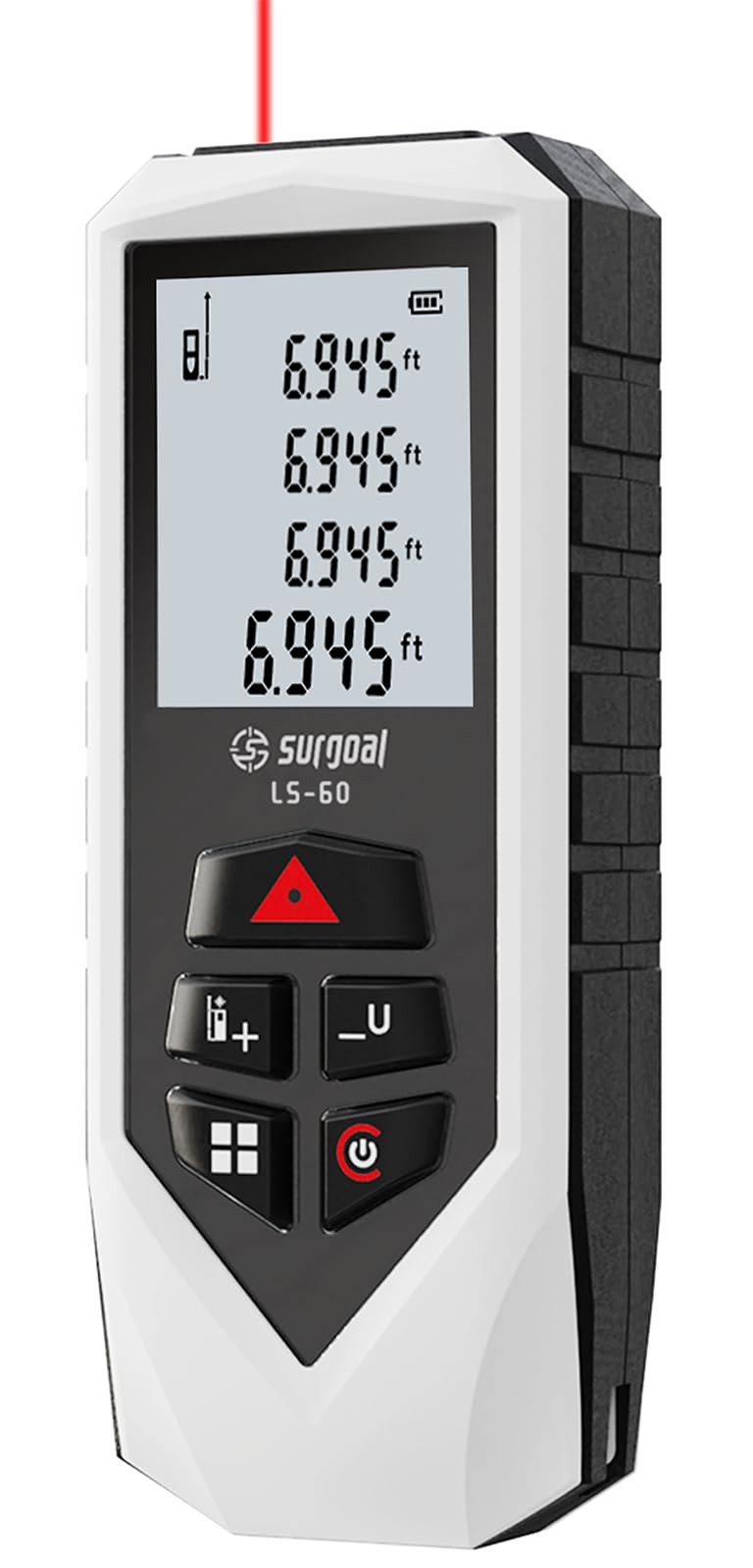
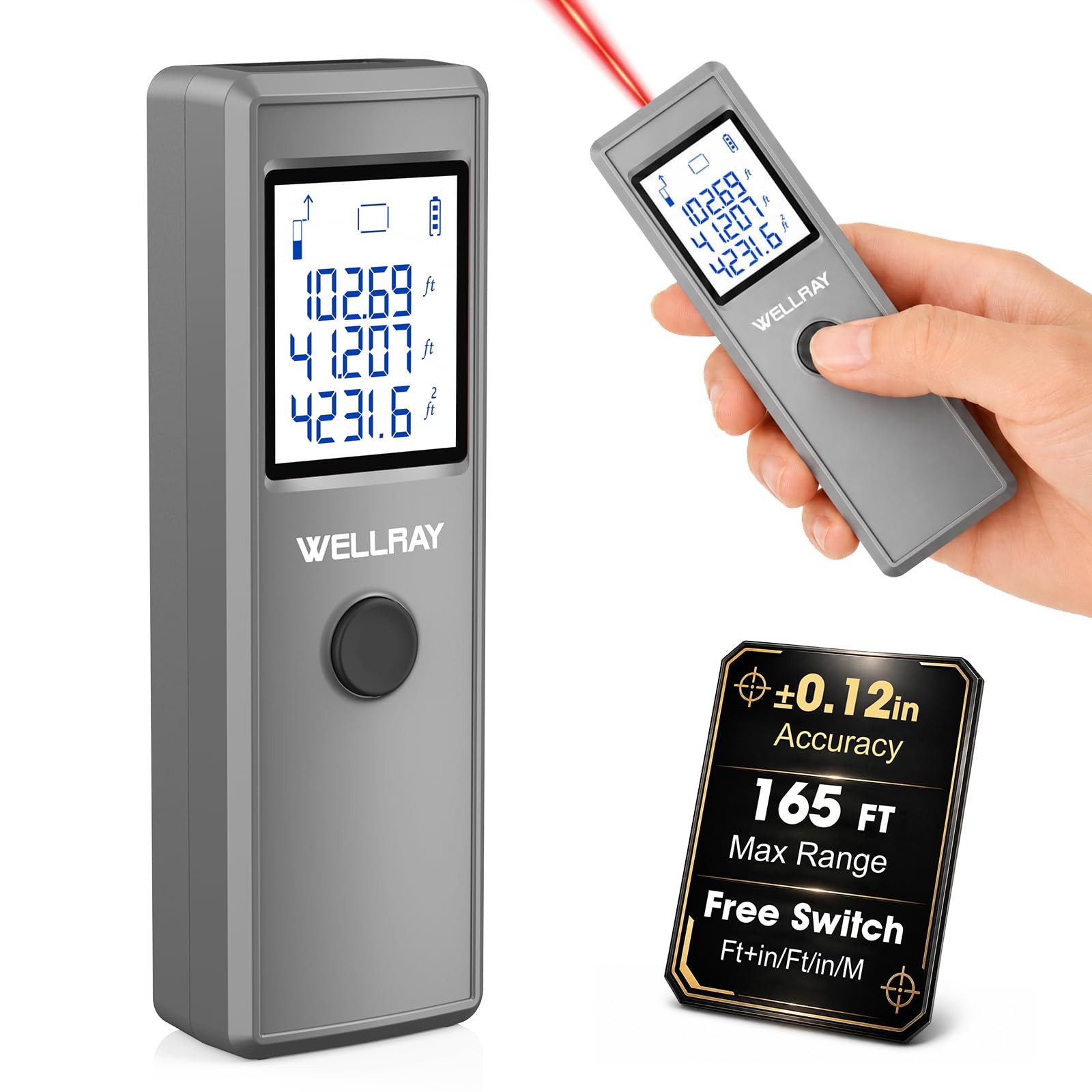
A laser distance measurer replaces the tape for room-to-room takeoffs, using a Class 2 laser diode and time-of-flight or phase-shift sensing to report length, area, and volume digitally. The core trade-off is range and accuracy versus cost: short-range units (±1/8 in) suit indoor real-estate and DIY work, while long-range units (±1/16 in) add outdoor daylight visibility and Pythagorean indirect height measurement. Buy a unit with a known accuracy rating, a backlit LCD, and a standard 1/4-20 tripod thread; skip any no-name meter that lists only range with no accuracy or laser class.

Woodworking Clamps, Jigs & Joinery

Tenon Cutter

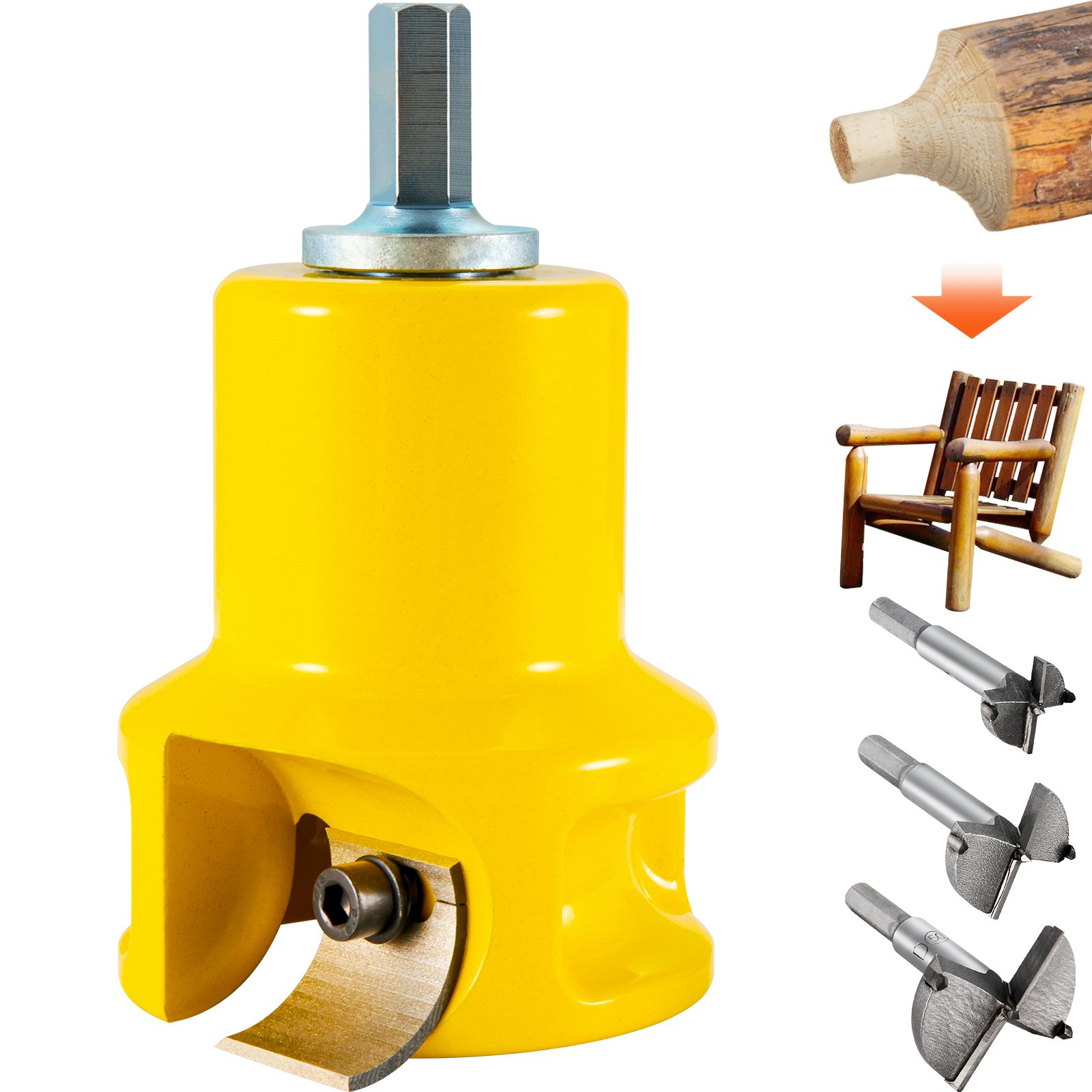
A tenon cutter is a dedicated boring tool that forms round tenons on log ends for furniture and structural joinery. The core trade-off is blade geometry and cutter diameter range versus arbor compatibility and material build quality; straight blades cut faster but leave rougher shoulders, while dual-curved blades produce cleaner tenons at the cost of slower feed. Buy a multi-diameter kit with hardened steel blades and a matching arbor for your drill if you need repeatable log furniture joints; skip single-diameter aluminum-body cutters for production work.

Measuring & Layout Tools

Angle Gauge

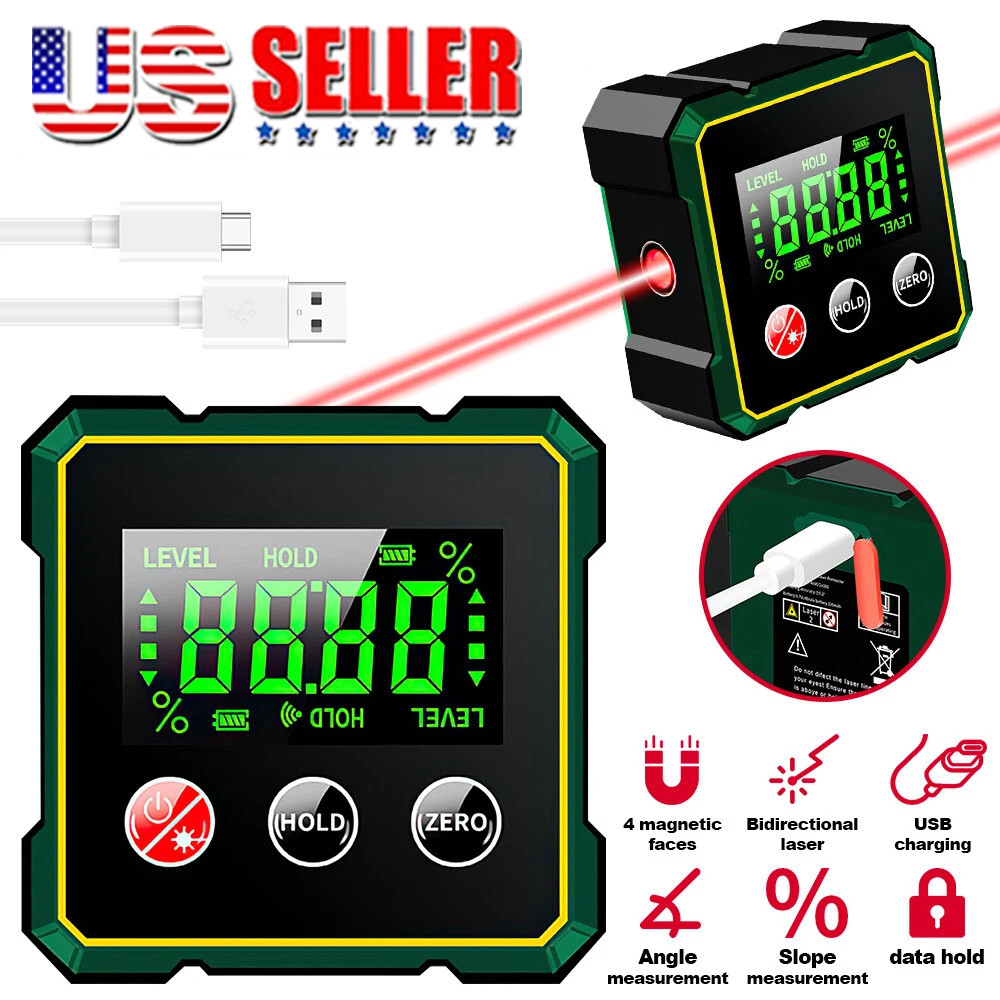
An angle gauge is a digital or analog instrument for measuring and transferring angles in woodworking, metalworking, and construction—typically an inclinometer with a magnetic base for saw setup or a protractor for layout. The main trade-off is sensor resolution and repeatability versus build durability: ±0.1° or ±0.2° digital units with machined aluminum frames hold calibration, while ±1° plastic-bodied gauges drift and fail at blade-contact vibration. Buy a digital inclinometer with a strong magnet and a stated accuracy of ±0.2° or better for saw setup; skip analog-only or unrated gauges for precision work.

Power Tools

Cordless Electric Chainsaw

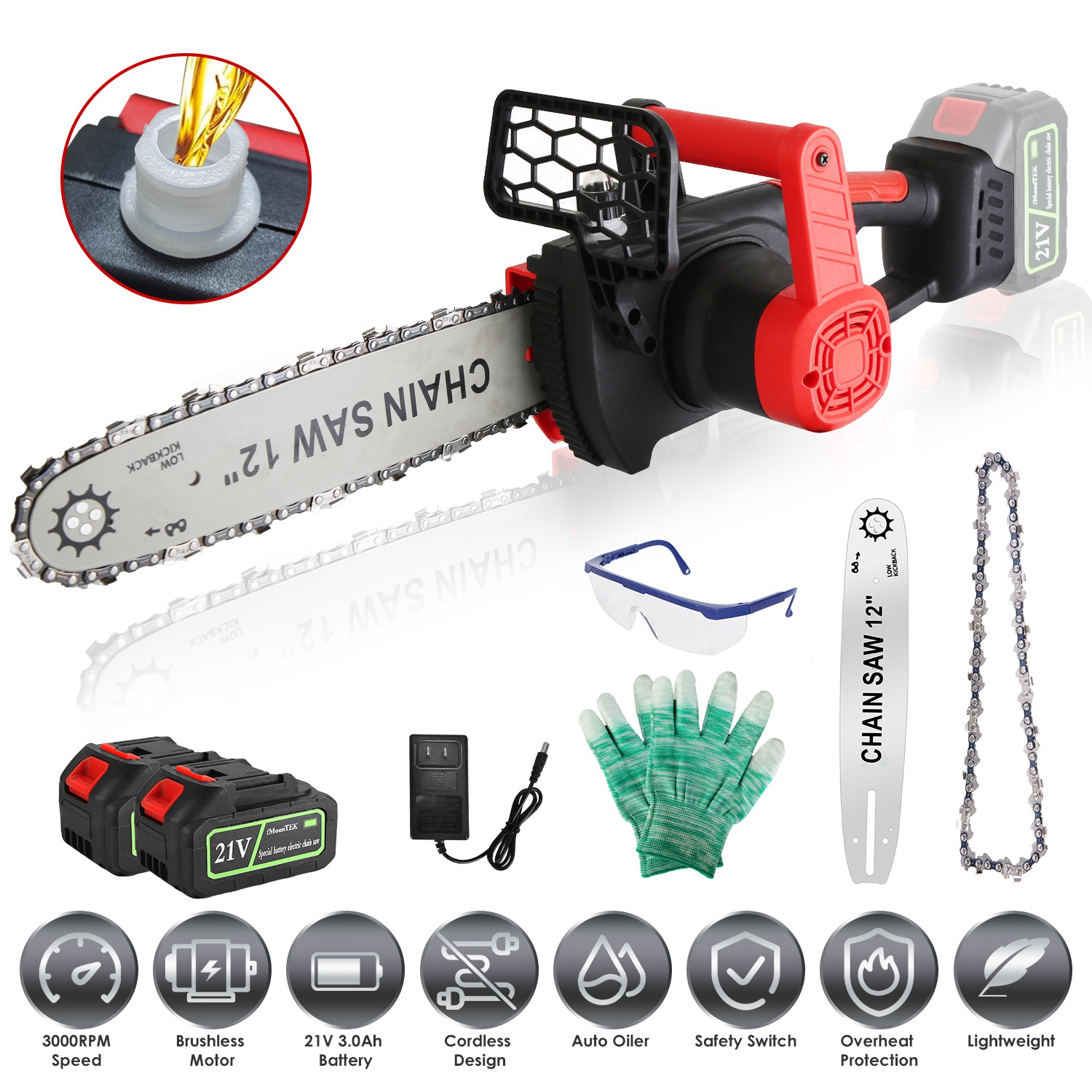
Cordless electric chainsaws trade gas power for battery convenience, and the core decision is brushless motor + high-drain 18-21V packs vs brushed motors on weak cells. Buy a brushless saw with a tool-only or cross-compatible battery platform if you cut regularly; treat bundled 3.0Ah generic packs as light-duty backup. Bar length and chain gauge determine real cutting capacity more than voltage claims.

Measuring & Layout Tools

Angle Finder

An angle finder measures the angle between two surfaces or sets a precise angle for cutting and assembly, and the core trade-off is between contact-based digital protractors (accurate but surface-dependent) and non-contact laser or bubble devices (fast but less precise). Durable options use machined aluminum bodies, magnetic bases, and ±0.1° to ±0.2° digital resolution; compromises rely on plastic housings and ±0.5° or coarser sensors that drift with temperature and battery voltage.

Woodworking Saws & Planers

Handheld Planer

A handheld planer is a portable electric tool that surfaces, chamfers, and dimensionally sizes lumber with a rotating cutter drum, and the primary trade-off is corded power versus cordless freedom: corded units deliver consistent 7-amp-class torque for continuous stock removal, while cordless brushless models trade peak power for portability. The clear decision rule is simple: buy a corded 3-1/4-inch planer for sustained bench work and hardwoods, and buy a cordless brushless planer only when jobsite mobility matters more than maximum depth of cut per pass.

Measuring & Layout Tools

Laser Measuring Device

A laser measuring device projects a visible dot or line to calculate distance via time-of-flight, replacing tape measures for indoor estimating, real estate, and DIY layout. The primary trade-off is between basic point-and-shoot units with ±2–3 mm accuracy and Bluetooth-enabled models that auto-calculate area/volume and sync to apps; durability hinges on IP-rated housing and lens quality. Choose a Class 2 laser with at least 165 ft range and ±2 mm accuracy for reliable, repeatable results—skip sub-98 ft toys or unrated optics if you need professional consistency.

Measuring & Layout Tools

Laser Measuring Tool

Laser measuring tools replace the tape with a Class 2 laser diode and time-of-flight sensor, trading the physical blade for speed, one-handed use, and Pythagorean indirect height measurement. The core trade-off is accuracy and range versus price: ±1/8" (±3mm) budget units suffice for real estate and DIY, while ±1/16" (±1.5mm) or better units with bright-color LCDs and Bluetooth are required for professional estimating and outdoor work. The decision rule is simple: pick a unit rated at least 2× your longest needed measurement with a specified accuracy of ±2mm or better and an IP54 or higher rating; skip anything that lists no accuracy figure or maxes out below 100 ft for interior room work.

Power Tools

Electric Pole Saw

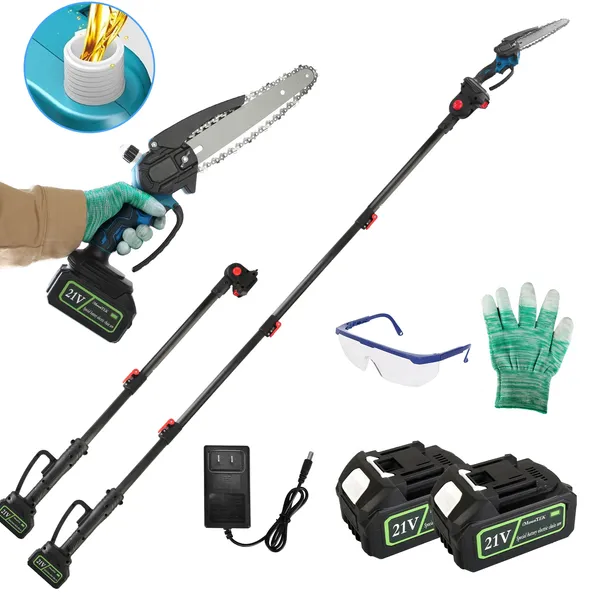
Electric pole saws are long-reach chainsaws that let you cut overhead limbs while standing on the ground; the core trade-off is between bar length/amperage (cutting speed) and weight/reach (control and fatigue). Durable options use brushless motors, metal extension shafts, and automatic oilers; compromises use brushed motors, plastic collars, and manual oiling. Choose brushless with a metal shaft for frequent storm cleanup; choose a compact brushed unit only for occasional light pruning under 4 inches.

Power Tools

Cordless Reciprocating Saw

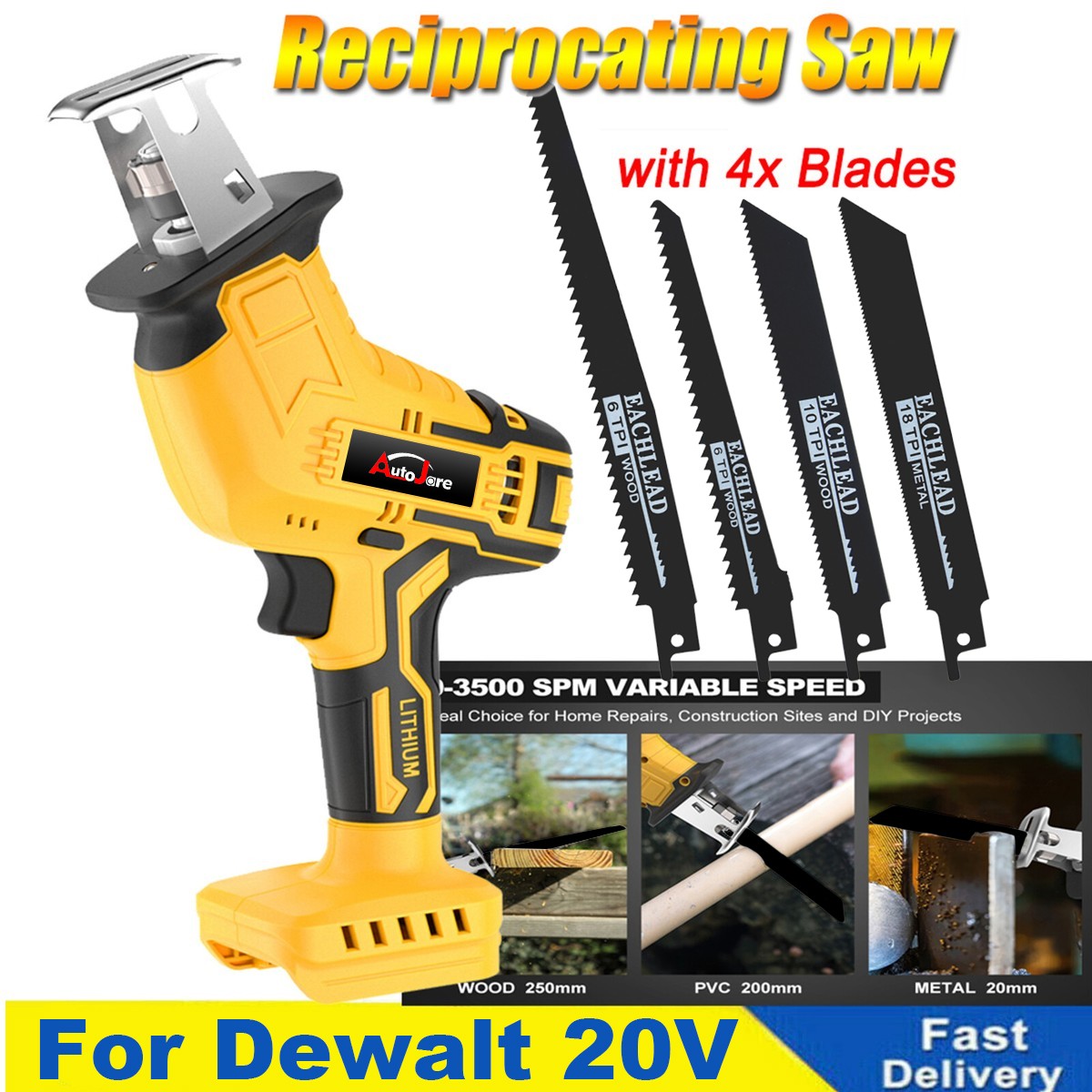
Cordless reciprocating saws cut through wood, metal, and demolition debris without a cord, but their real difference lies in motor type (brushed vs brushless), battery platform compatibility, and stroke length. Brushless motors and higher-voltage platforms deliver more cuts per charge and longer tool life, while brushed or low-voltage models are fine for light, occasional use. The clear rule: buy into a battery platform you already own or plan to commit to, and choose brushless with at least a 1-inch stroke for regular demolition or plumbing work.

Power Tools

Cordless Angle Grinder

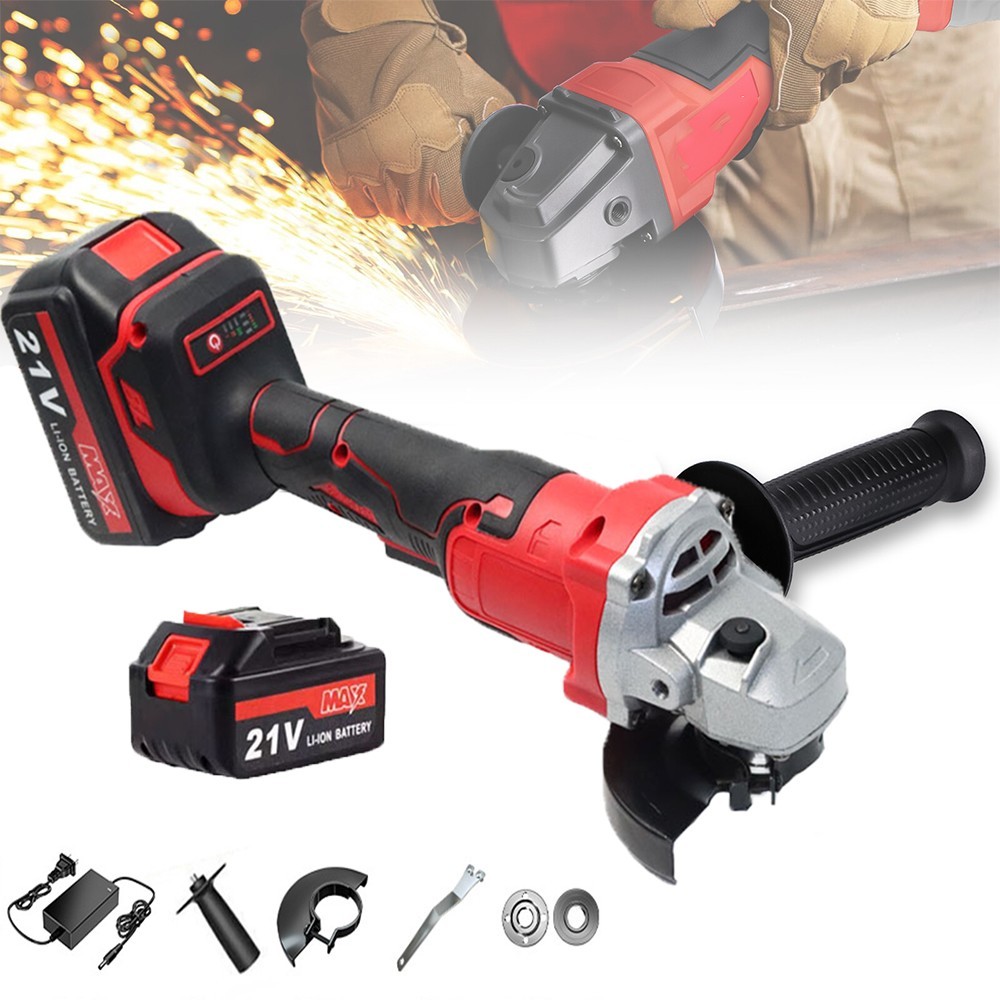
Cordless angle grinders are high-speed abrasive-cutting and grinding tools that trade raw power for portability, with performance hinging on battery voltage and motor type. The core trade-off is runtime and torque versus weight and cost: brushless motors deliver more cuts per charge and longer life, while brushed motors are cheaper but hotter and shorter-lived. The decision rule is simple: pick a battery platform you already own or can commit to, then choose body size (4-1/2" standard vs compact 3"/1/4" collet) and motor type for your workload.

Woodworking Clamps, Jigs & Joinery

Corner Clamp

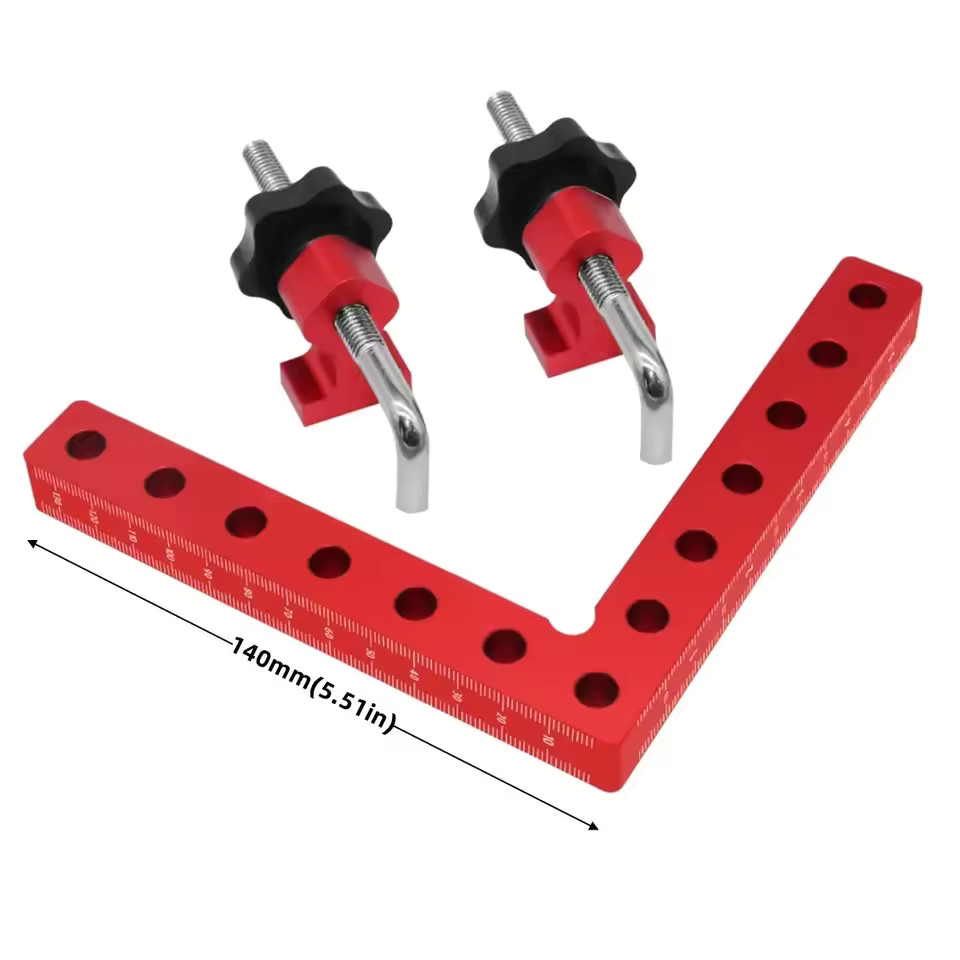
Corner clamps are right-angle positioning tools that hold two workpieces at 90° during glue-up, assembly, or welding, and the primary trade-off is between lightweight aluminum bodies and heavier cast-iron or steel bodies that resist flex under clamping load. The clear decision rule: choose aluminum for light cabinet and frame work where portability matters, and step up to steel or cast-iron bodies with hardened jaws when you regularly clamp thick stock or need repeated accuracy.

You may also like

Finding more guides for you…