DIY Tool Picks

DIY Tool Picks

Tools & Home Improvement Reviews & Buying Guides

Compare tools & home improvement by use case, features, trade-offs, price, returns, and seller terms before you buy.

Buying guides

Woodworking Saws & Planers

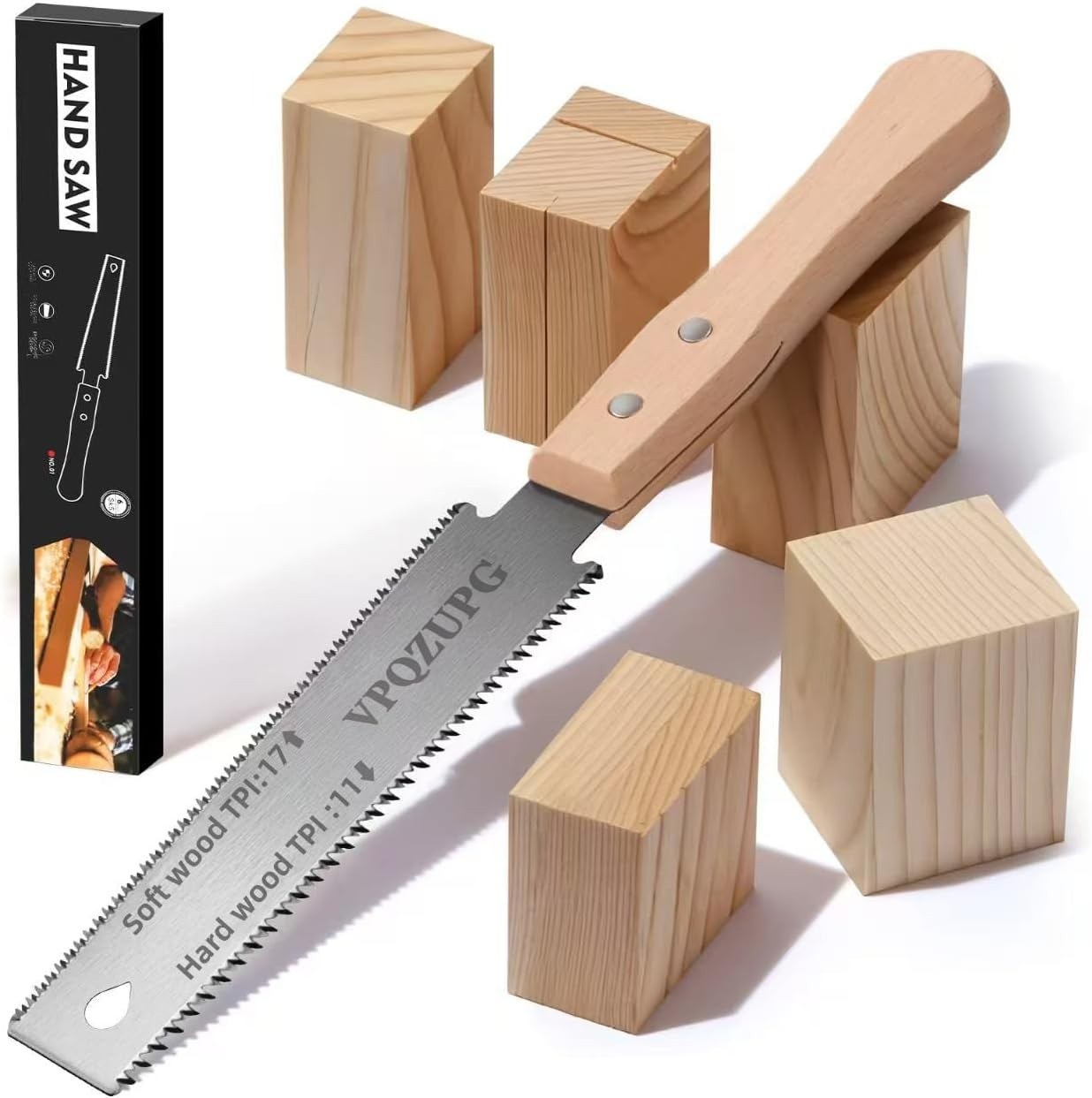
Japanese Saw

Japanese saws are pull-stroke cutting tools with hardened, thin-plate blades tensioned by a rattan-wrapped or hardwood handle, delivering cleaner kerfs and less effort than Western push saws. The core trade-off is blade disposability and tooth geometry: impulse-hardened blades stay sharp for years but cannot be resharpened, while standard steel blades dull faster but accept a file. Buy a hardened-blade saw sized to your cut depth for a durable, low-effort tool; skip long, flexible blades on hard knots or site work where replaceable Western saws win.
Power Tools

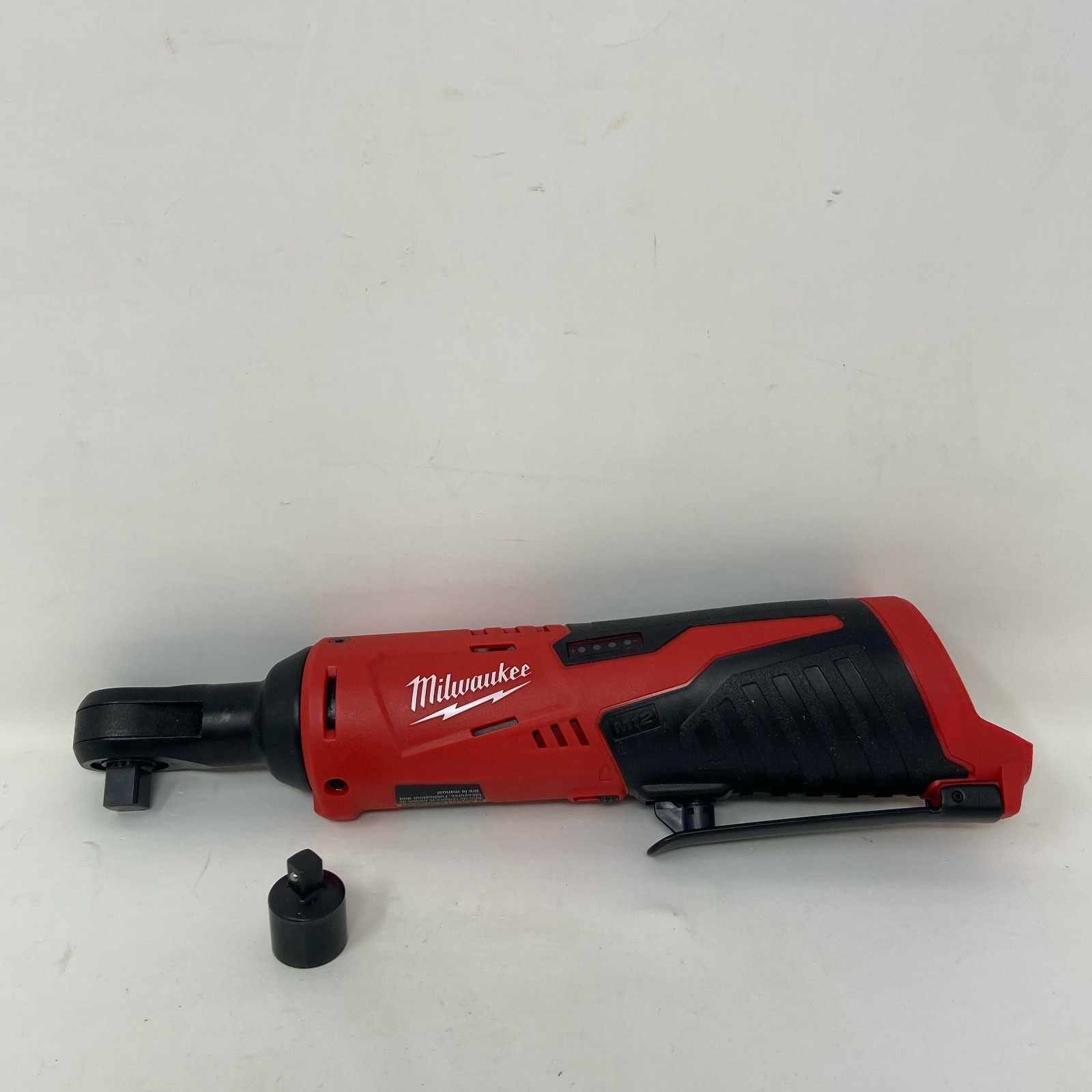
Milwaukee Cordless Ratchet

Milwaukee cordless ratchets are compact 12V battery-powered tools that deliver controlled torque in tight spaces where air ratchets and hand ratchets struggle. The core trade-off is brushed vs. brushless motor and standard vs. high-speed gearing: brushed models (2457) are affordable and proven but slower and less efficient, while FUEL brushless models (2557, 2567) add power, runtime, and speed at a higher cost. The decision rule: buy FUEL brushless for daily professional use; choose brushed only for occasional DIY work where cycle time is not critical.

Measuring & Layout Tools

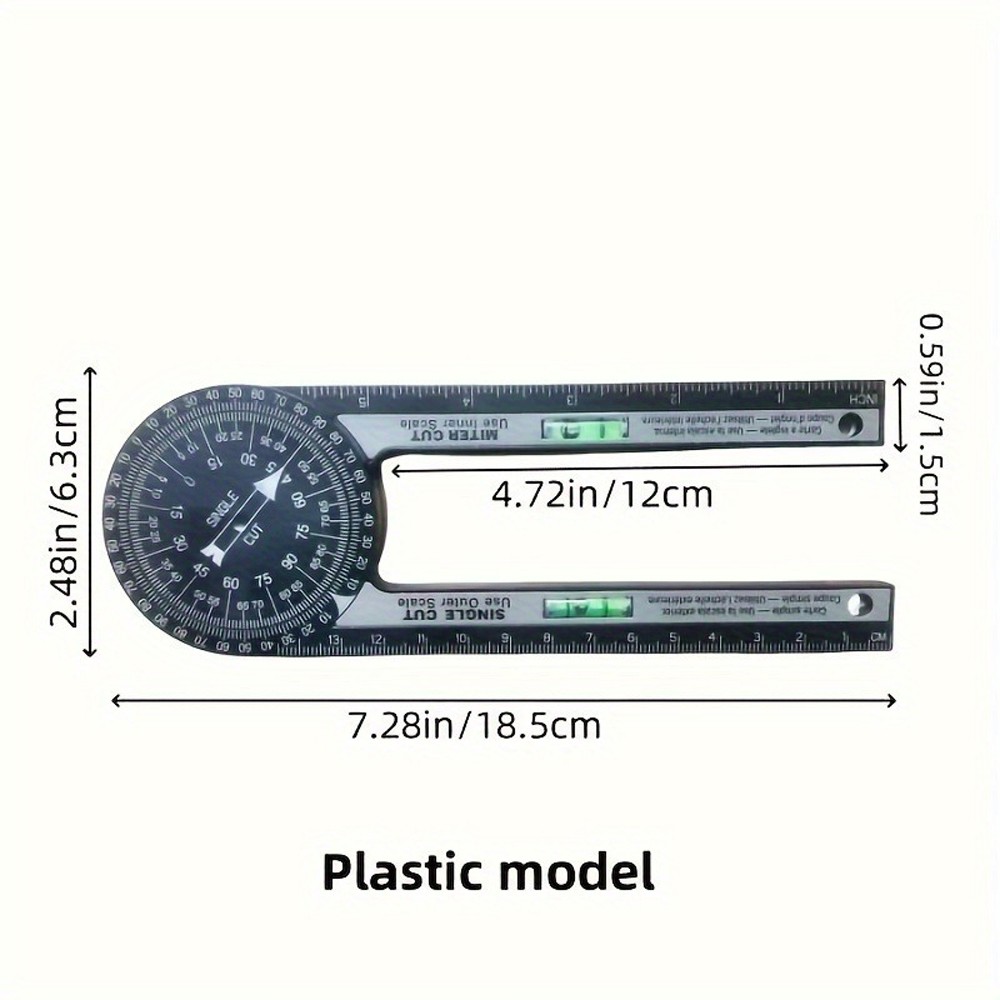
Angle Finder Tool

An angle finder tool measures angles in carpentry, metalwork, and installation, and the core trade-off is between a mechanical protractor (durable, no battery, less precise) and a digital angle gauge (fast, precise to 0.1°, battery-dependent). Choose mechanical for rough framing and dirty jobsites; choose digital for trim, machining, and any task needing repeatable decimal accuracy.

Flashlights & Headlamps

LED Headlamp Rechargeable

Rechargeable LED headlamps replace disposable-cell models with integrated lithium-ion packs and USB charging, but the segment splits sharply between plastic zoom-lens toys and sealed IP-rated lamps with regulated output. The core trade-off is lumens versus runtime and ingress protection: unregulated emitters dim as the cell drains, while overdriven single-LED zooms run hot and lose output in minutes. Buy a lamp whose mode table lists real runtime per level and whose body carries an IPX rating; skip anything advertising only a peak lumen number with no burn-time or water-resistance figure.

Power Tools

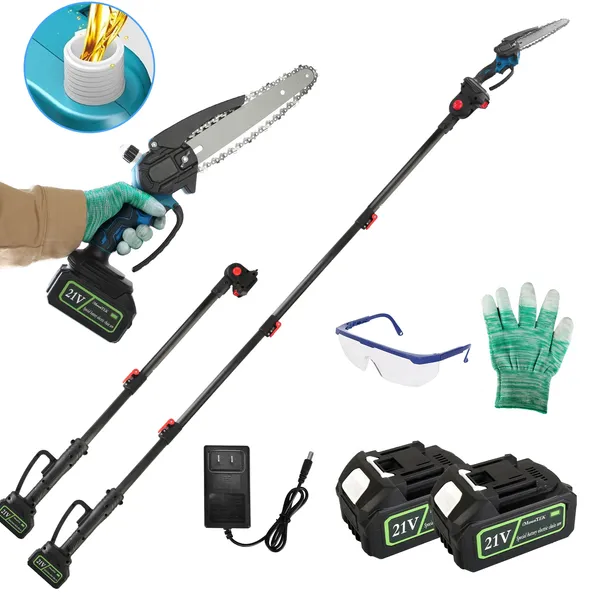
Mini Electric Chainsaw

Mini electric chainsaws are compact battery- or cord-powered saws with 4-8 inch bars, built for pruning, limbing, and light firewood work. The core trade-off is brushed vs brushless motors and 18-21V vs 40V battery architecture: brushed 18-21V units are light and cheap but slow and short-lived, while brushless 40V systems cut faster and last longer at higher weight and cost. The decision rule is simple: buy brushless with a tool-less tensioner and auto-oiler if you cut more than a few limbs a month; accept brushed only for occasional light pruning.

Dust Collection, Sanding & Finishing

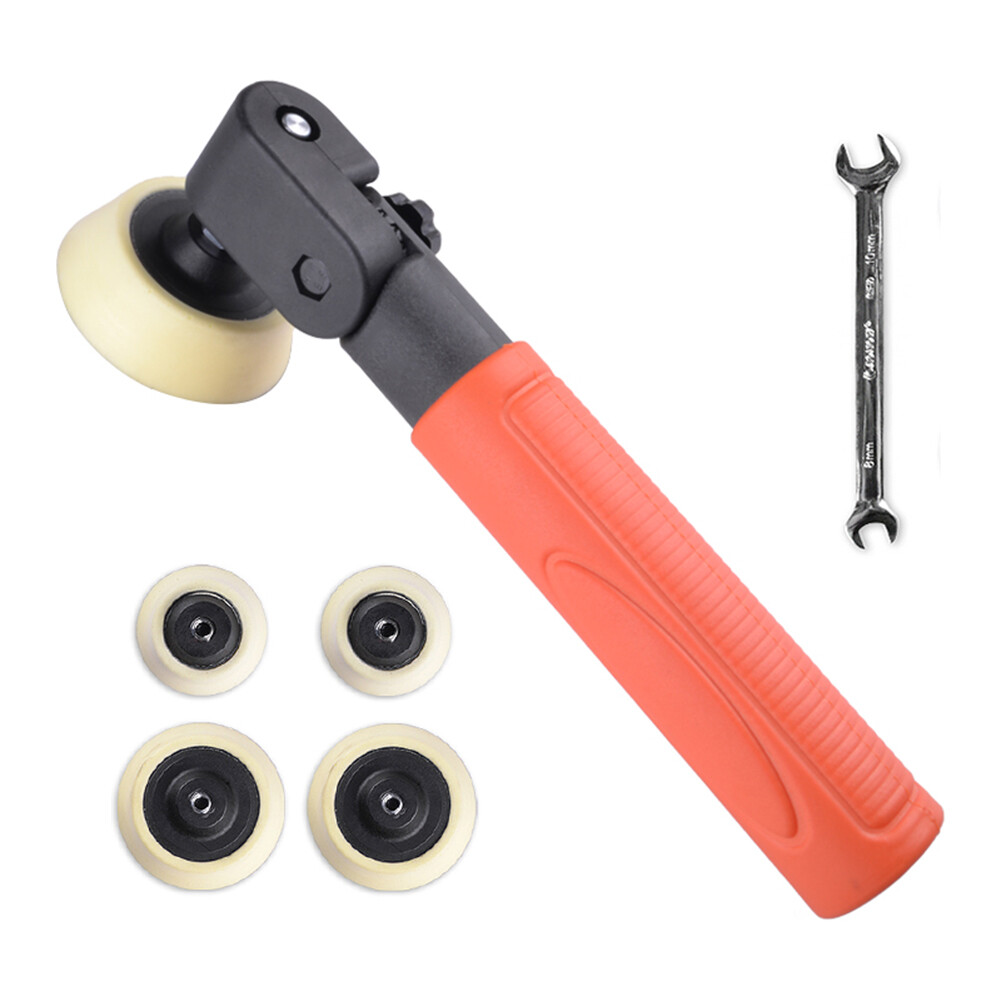
Sander

A sander is a power tool that uses abrasives to smooth, level, or finish surfaces, and the core trade-off is between material-removal speed (belt sanders) and surface finish control (random orbital and sheet sanders). Buyers should choose a belt sander for aggressive stock removal on decks and large panels, a random orbital sander for swirl-free finishing on wood and furniture, and a sheet sander or detail sander for light touch-up and small spaces. Durable options use brushless motors, sealed bearings, and standard platen sizes; compromises use brushed motors, non-standard belt sizes, and weak dust ports.

Power Tools

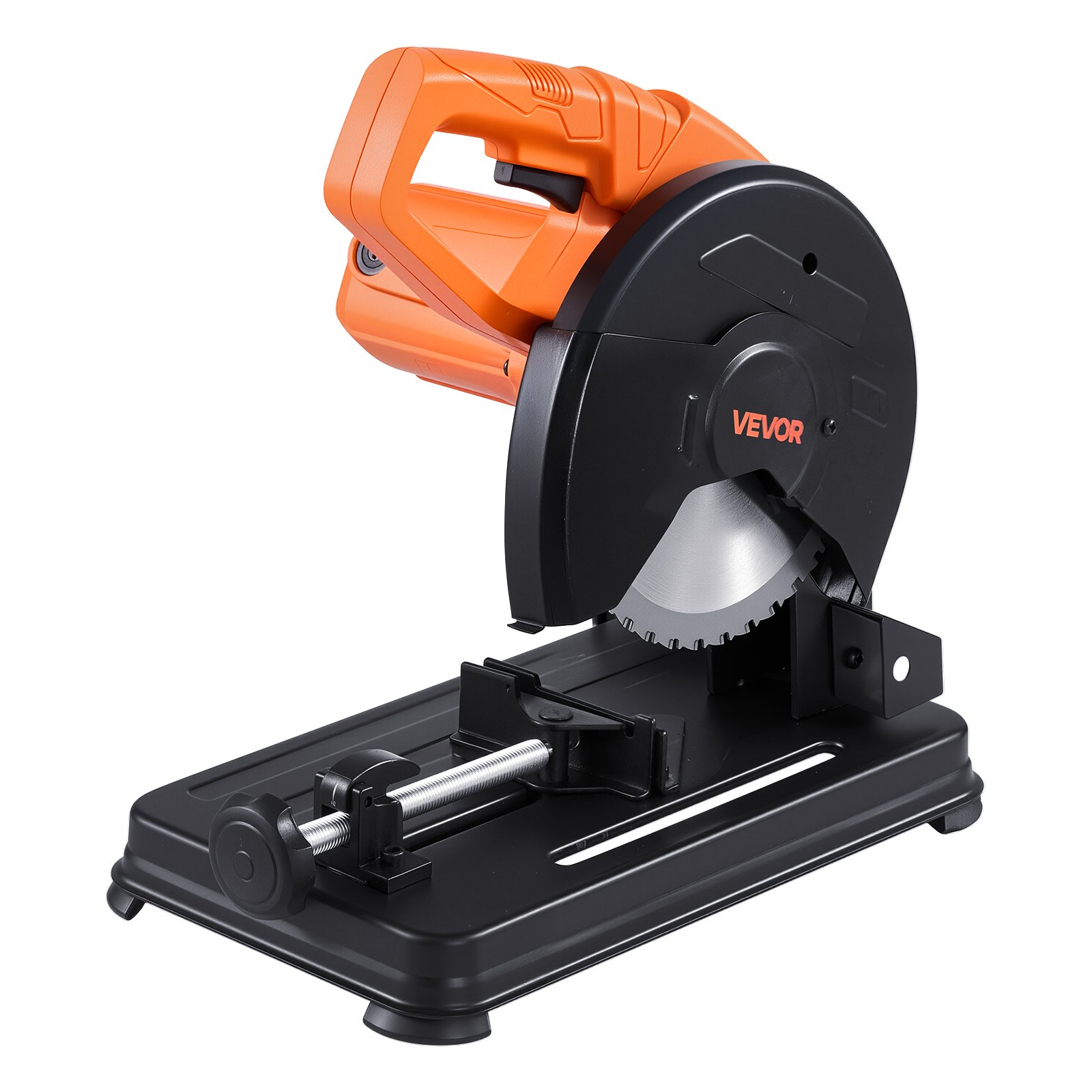
Chop Saw

A chop saw is a dedicated metal-cutting tool available in two distinct architectures: abrasive saws that grind through steel with a consumable wheel, and cold-cut saws that mill through metal with a carbide-tipped blade. The core trade-off is upfront cost versus cut quality and consumable cost: abrasive saws are cheaper but produce burrs, heat, and sparks, while cold-cut saws yield clean, burr-free cuts with far lower long-term blade cost. The decision rule is simple—buy abrasive for occasional rebar or angle-iron work, buy cold-cut for repeatable fabrication, stainless, or tube notching.

Woodworking Clamps, Jigs & Joinery

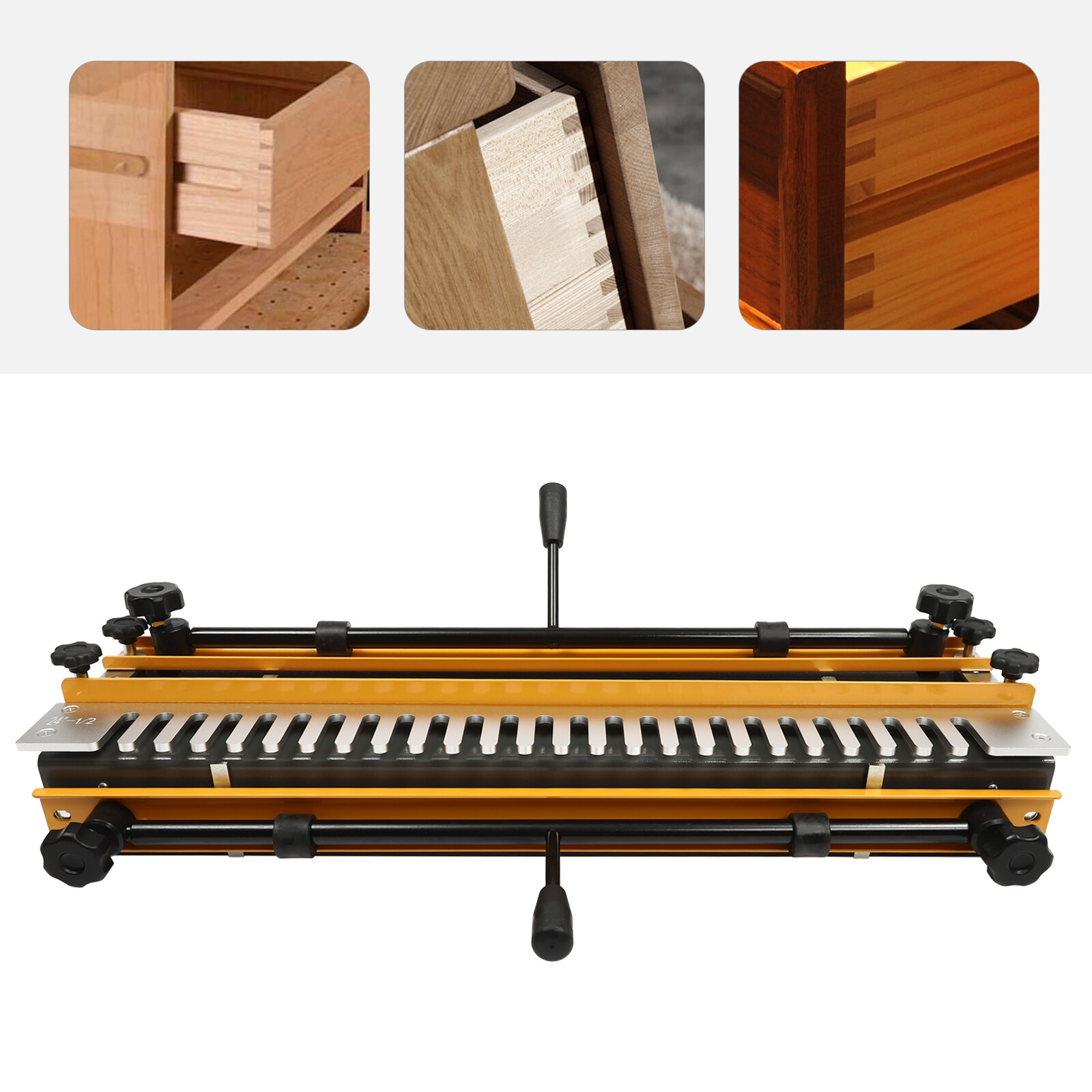
Dovetail Jig

A dovetail jig is a routing template system that guides a router to cut interlocking pin-and-tail joinery for drawers, boxes, and casework. The primary trade-off is between fixed-template jigs with limited spacing and adjustable comb-style jigs that set pin pitch precisely for custom layouts. Buy a comb-style jig with a metal template and clear router guide-bushing compatibility if you need repeatable, tight joinery; skip stamped-steel or all-plastic fixed-pitch fixtures that flex and limit you to one look.

Power Tools

Cordless Mini Chainsaw

Cordless mini chainsaws are compact, battery-powered saws with 4-8 inch bars, designed for light pruning and limbing where a gas saw is overkill. The core trade-off is between brushed motors (cheaper, shorter life) and brushless motors (longer run time, better efficiency), plus bar length versus weight and battery voltage. The clear decision rule: choose a brushless 21V (or higher) unit with an auto-oiler and a bar length matched to your typical cut diameter; skip brushed, sub-18V models unless your work is limited to twigs and very occasional use.

Soldering & Electronics Repair Tools

Electric Soldering Iron

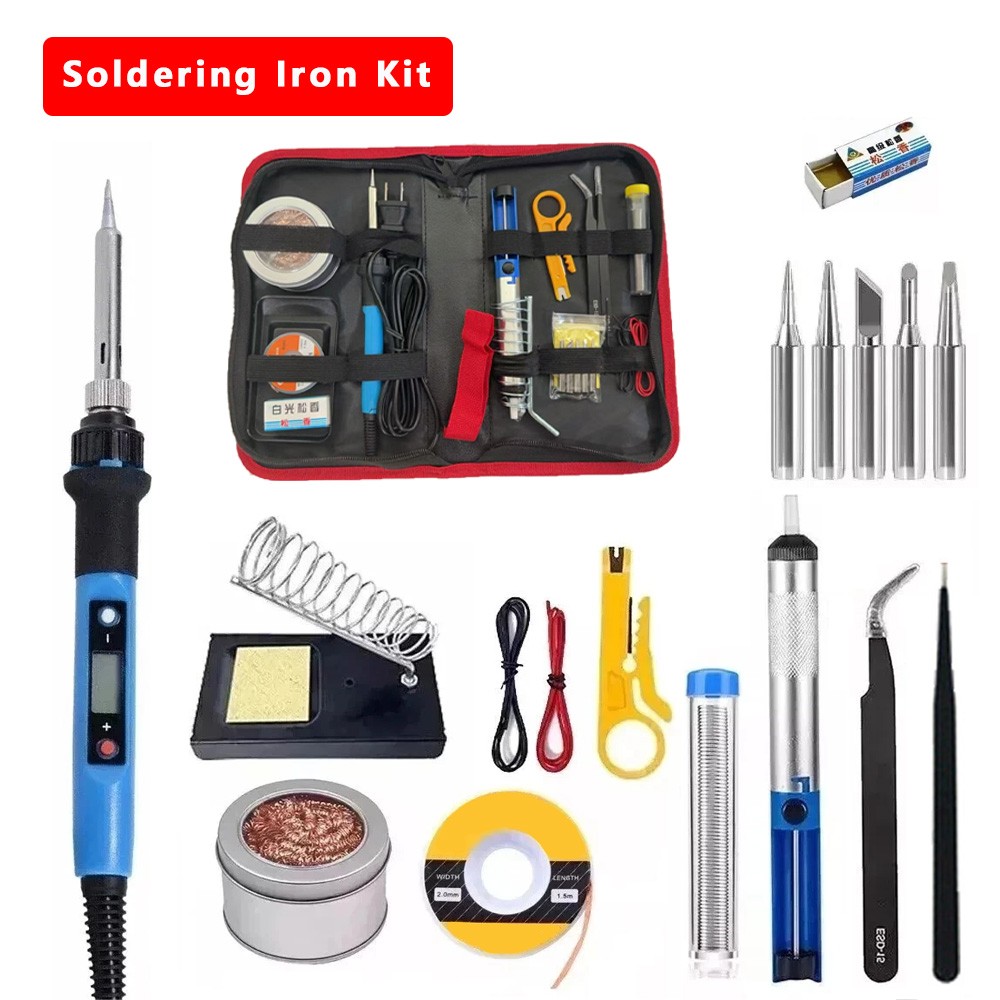
An electric soldering iron is a handheld resistive heating tool for electronics repair, with the core trade-off between fixed-wattage simplicity and adjustable-temperature control that governs joint quality and tip life. Durable options use ceramic or PTC heating elements with grounded tips and replaceable wear parts; compromises rely on unregulated nichrome coils and non-replaceable tips. The decision rule: buy adjustable temperature with a replaceable tip for any PCB work, and fixed-wattage only for non-critical tinning or craft use.

Hand Tools

Snap On Tool

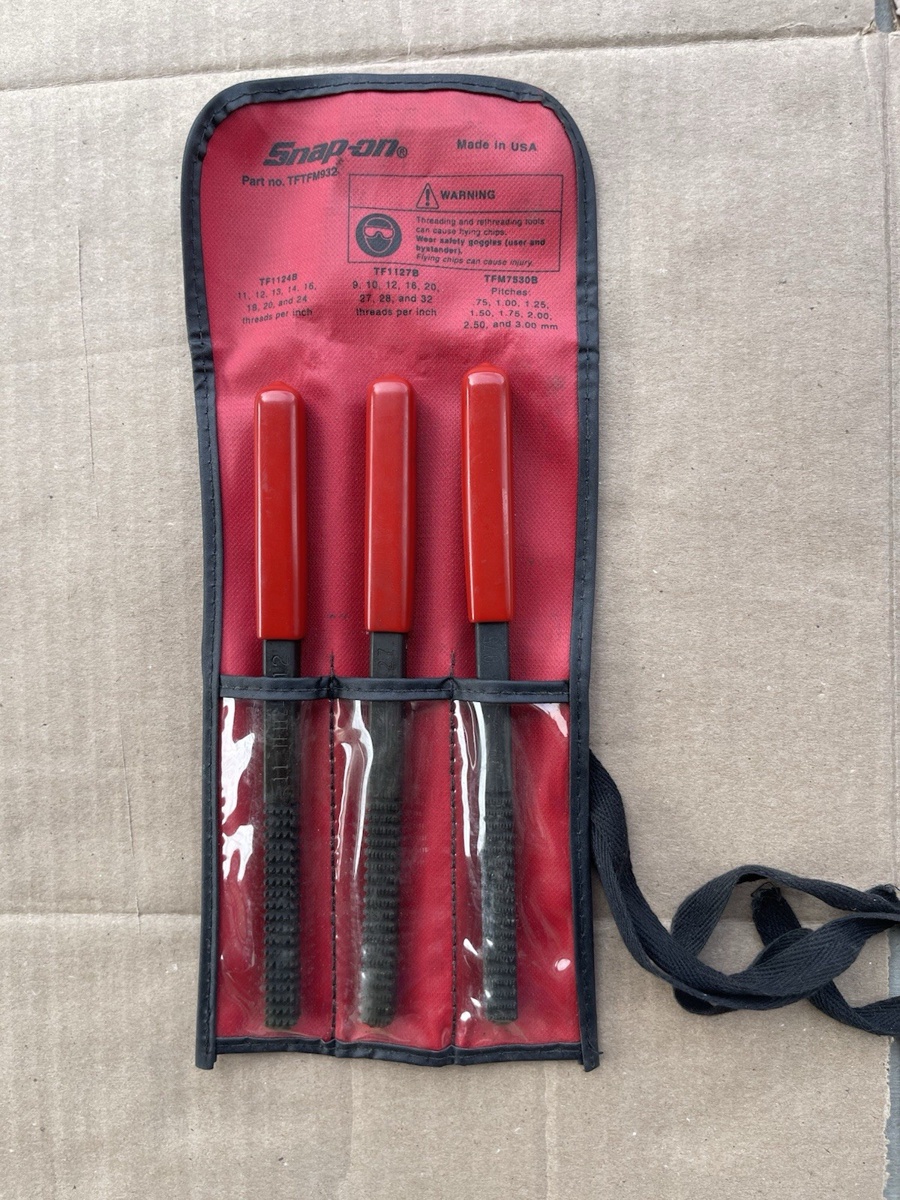
Snap-on tools are professional-grade hand tools defined by proprietary industrial alloys, tight manufacturing tolerances, and a lifetime warranty, but the brand spans several distinct architectures—from chrome-plated sockets to industrial finish wrenches. The primary trade-off is material construction and drive/point geometry: flank-drive vs. corner-drive sockets and fixed vs. interchangeable tips determine torque capacity and fastener engagement. The decision rule is simple: buy Snap-on only where the fastener fit (6-point flank drive, Flank Drive Plus wrenches) and steel grade justify the premium; skip it for generic pliers, organizers, or accessory items better served by industrial-standard alternatives.

Flashlights & Headlamps

Flashlight With Laser Pointer

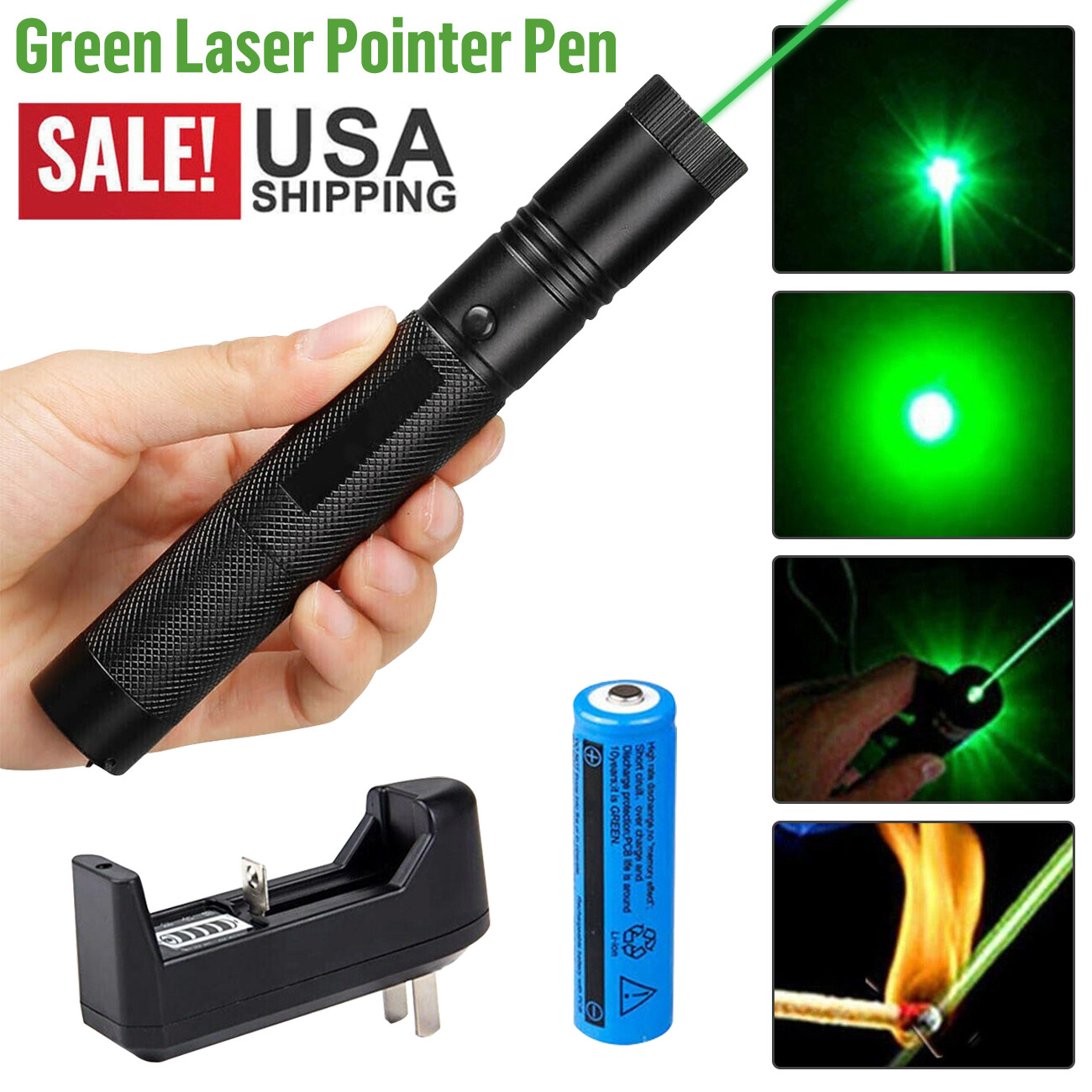
A flashlight with laser pointer combines white-light illumination with a collimated red or green beam for aiming, signaling, or astronomy. The critical trade-off is laser class and wavelength versus white-light output and build sealing: green 532nm diodes appear far brighter to the eye but are temperature-sensitive and often IR-filtered, while red 635–650nm diodes are simpler and safer. The decision rule: buy only units with a labeled IEC 60825-1 class (3R for pointing, 3B for outdoor signaling) and a metal body with O-ring sealing; skip unlabeled 'military-grade' pens that hide their class and lack a real lens shutter.

Flashlights & Headlamps

Magnetic Rechargeable Light

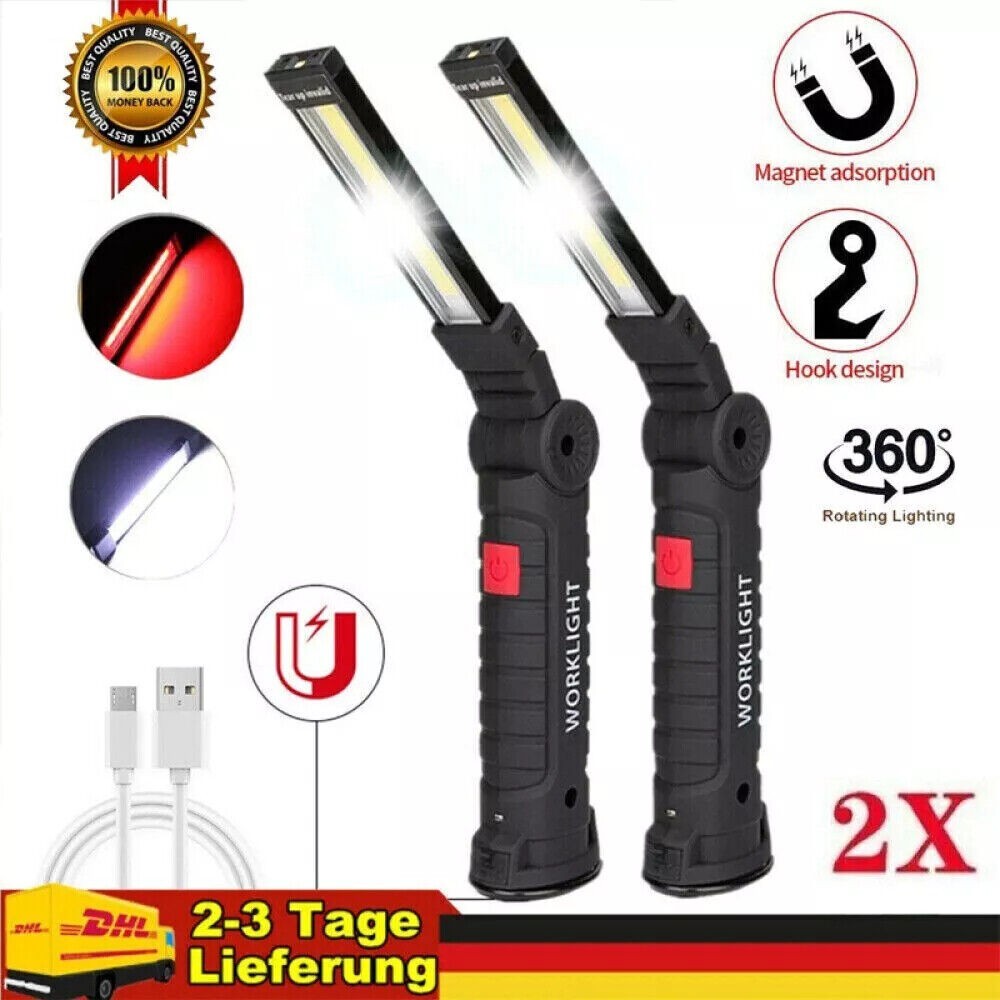
Magnetic rechargeable lights are battery-powered work and inspection lights with a built-in magnet base for hands-free mounting on steel surfaces. The core trade-off is magnet strength and battery capacity versus body bulk: neodymium magnets and 18650/21700 cells give true durability, while weak ferrite magnets and pouch cells fail under vibration or heat. Buy a light with a neodymium magnet, a standard USB-C or micro-USB port, and a cell rated at least 1500mAh; skip any unit that lists only 'magnetic' without magnet grade or battery chemistry.

Power Tools

Electric Wood Saw

An electric wood saw covers three distinct architectures: handheld circular saws for straight crosscuts and rips, compact chainsaws for limbing and firewood, and pole saws for overhead branches. The core trade-off is motor type and power delivery—brushed motors with small batteries stall under load, while brushless motors with high-discharge cells maintain torque and runtime. Buy brushless with a standard battery platform for real woodworking; skip brushed mini saws if you cut anything thicker than small branches.

Power Tools

Chop Saw Blade Aluminum

A chop saw blade for aluminum must cut cleanly without loading or overheating, which separates carbide-tipped dry-cut blades from abrasive discs. The core trade-off is tooth geometry and speed: negative-rake, high-tooth-count carbide blades run at lower RPM for burr-free cuts, while abrasive discs are cheap but melt aluminum and leave rough edges. Buy a carbide-tipped blade rated for non-ferrous metal and match its max RPM to your saw; skip abrasive discs for aluminum unless you accept poor finish and clogging.

Plumbing Tools

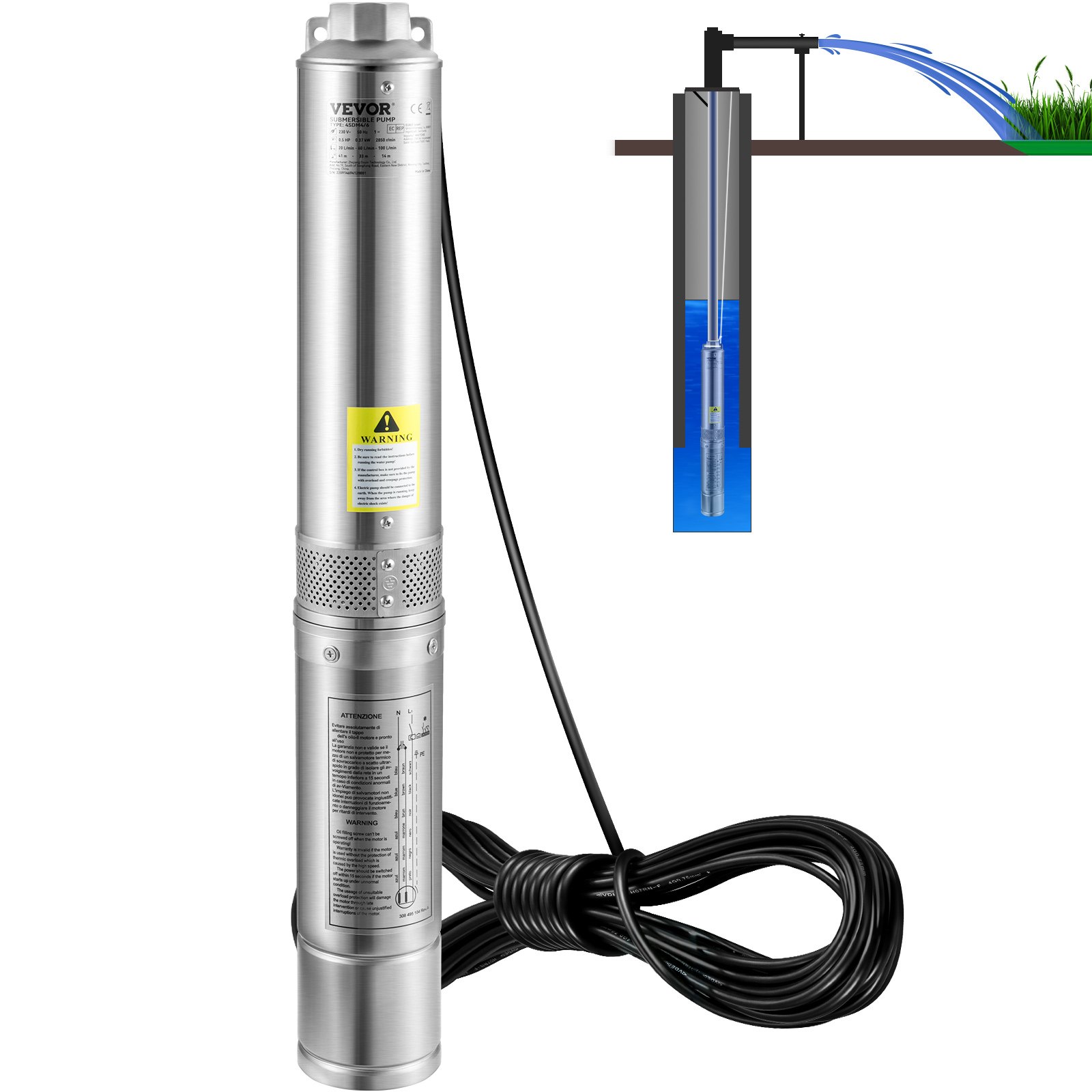
Electric Submersible Pump

An electric submersible pump is a sealed motor-and-impeller unit that pushes water upward from a well, cistern, or sump while fully submerged. The core trade-off is head-versus-flow: higher total dynamic head (lift + pipe friction) forces you into higher horsepower, larger-diameter impeller stacks, and 230V power. Buy a stainless-steel-bodied unit with a rated head curve above your measured vertical lift plus 10-20% friction margin, and skip any pump whose advertised head assumes zero pipe loss.

Home Repair

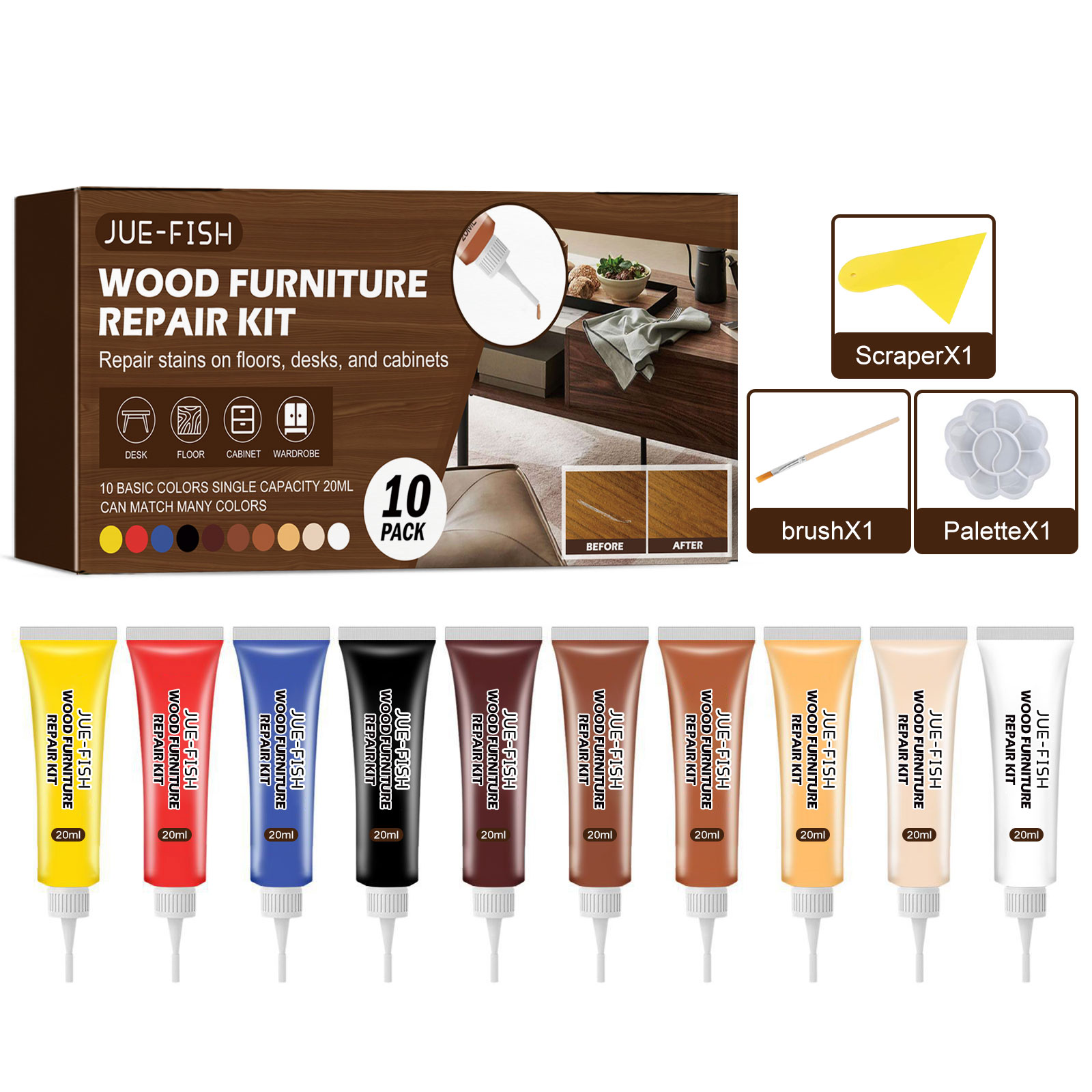
Furniture Repair Kit

A furniture repair kit is a targeted system of fillers, touch-up pigments, adhesives, and applicators formulated to restore wood, laminate, and upholstery surfaces without full refinishing. The core trade-off is between universal wax/putty sticks that are fast but non-structural and two-part epoxy or catalyzed fillers that bond permanently but require mixing and cure time. The decision rule: choose structural epoxy or high-solids adhesive for load-bearing joints and deep gouges, and wax or lacquer sticks only for cosmetic surface-level scratches on sealed finishes.

Flashlights & Headlamps

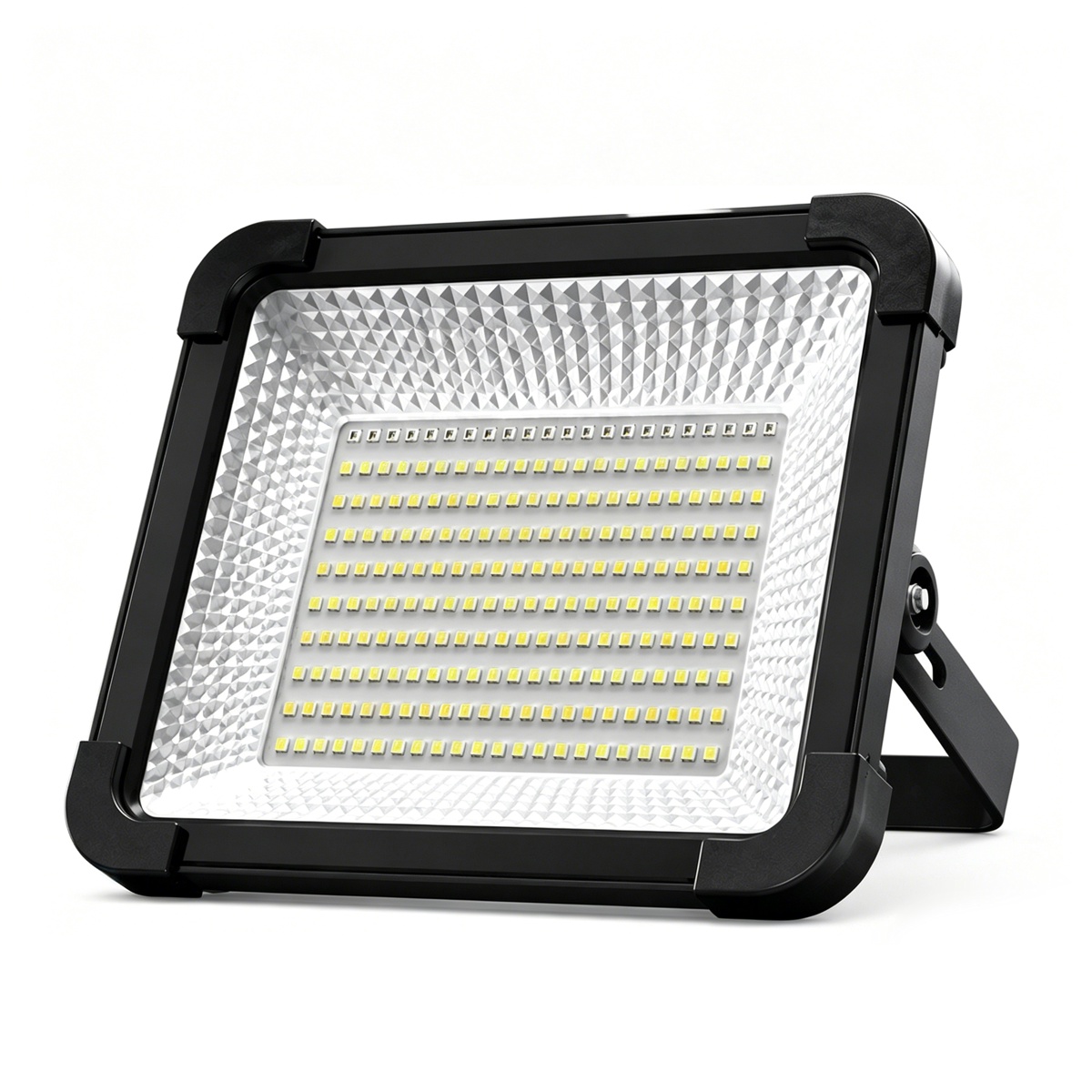
Portable Work Light

Portable work lights split into two architectures: compact handheld/flood units and tripod-mounted multi-head towers, and the battery capacity tier (6Ah vs 10Ah) plus emitter count (single vs triple head) determines runtime more than any marketing lumen figure. Buy a tripod tower with at least 2200 lumens per head and a native USB-C or 12V recharge path for jobsites; skip plastic-housing single-head pucks if you need sustained output in rain or dust.

Workbenches & Shop Equipment

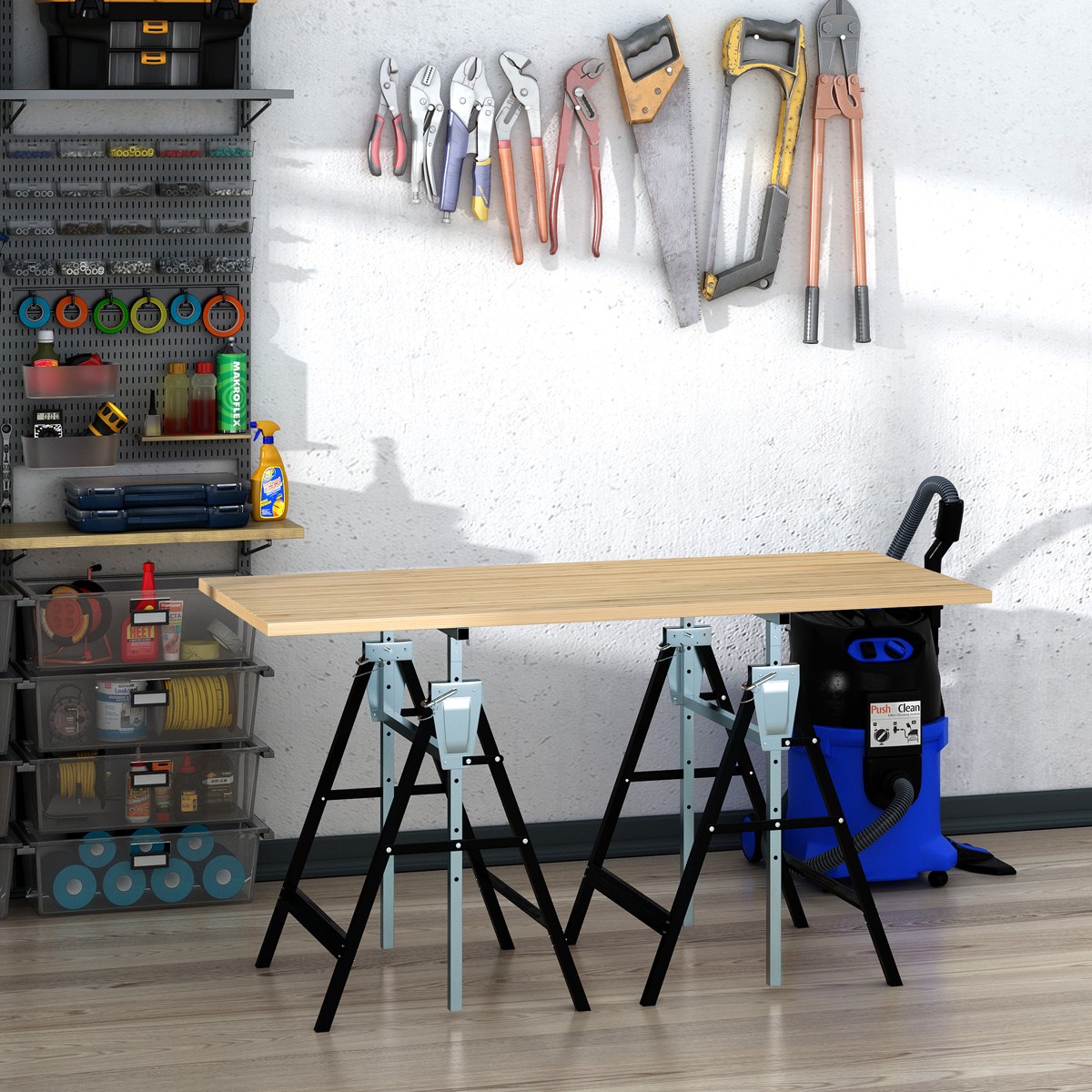
Saw Horse With Clamp

A saw horse with clamp combines a folding trestle with integrated holding hardware, letting one person secure and cut stock without a second pair of hands. The core trade-off is between light portable steel sawhorses with basic fold-out clamps and heavier builder trestles with adjustable height and wider load spans. Buy the portable pair only for sheet goods and light trim; step up to adjustable steel trestles when you need to support full 4x8 sheets, heavy timber, or repeated jobsite use.

Power Tools

Metal Chop Saw

A metal chop saw is a dedicated cut-off machine for steel, rebar, and aluminum, split into two architectures: abrasive saws that grind through metal with a high-RPM consumable wheel, and cold-cut/dry-cut saws that mill through with a carbide-toothed blade at low RPM. The core trade-off is speed and upfront simplicity (abrasive) versus cut quality, burr-free edges, and low heat input (cold cut). If you cut daily or need weld-ready edges, buy a cold-cut saw; if you cut occasionally and prioritize lowest cost per cut, an abrasive saw is the correct compromise.

You may also like

Finding more guides for you…