DIY Tool Picks

DIY Tool Picks

Tools & Home Improvement Reviews & Buying Guides

Compare tools & home improvement by use case, features, trade-offs, price, returns, and seller terms before you buy.

Buying guides

Plumbing Tools

Submersible Sump Pump With Float Switch

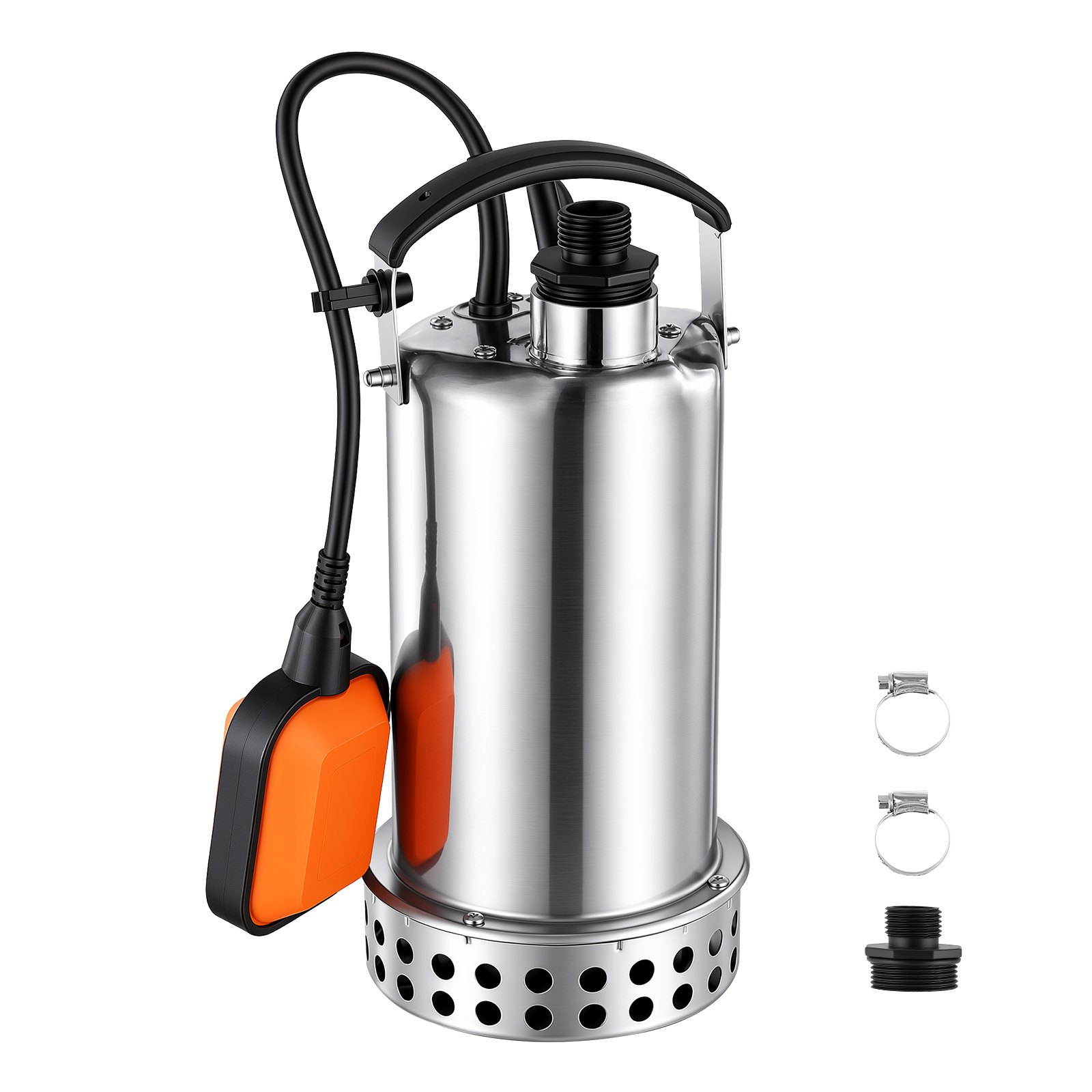
A submersible sump pump with float switch combines a sealed motor and an automatic level trigger to evacuate standing water without manual intervention. The core trade-off is head pressure versus flow rate: higher horsepower only helps if the discharge plumbing and basin depth match the pump's lift curve. Buy a pump whose shutoff head exceeds your vertical lift plus pipe friction; skip any unit with a plastic volute or non-replaceable switch for basement duty.
Workbenches & Shop Equipment

Roller Table

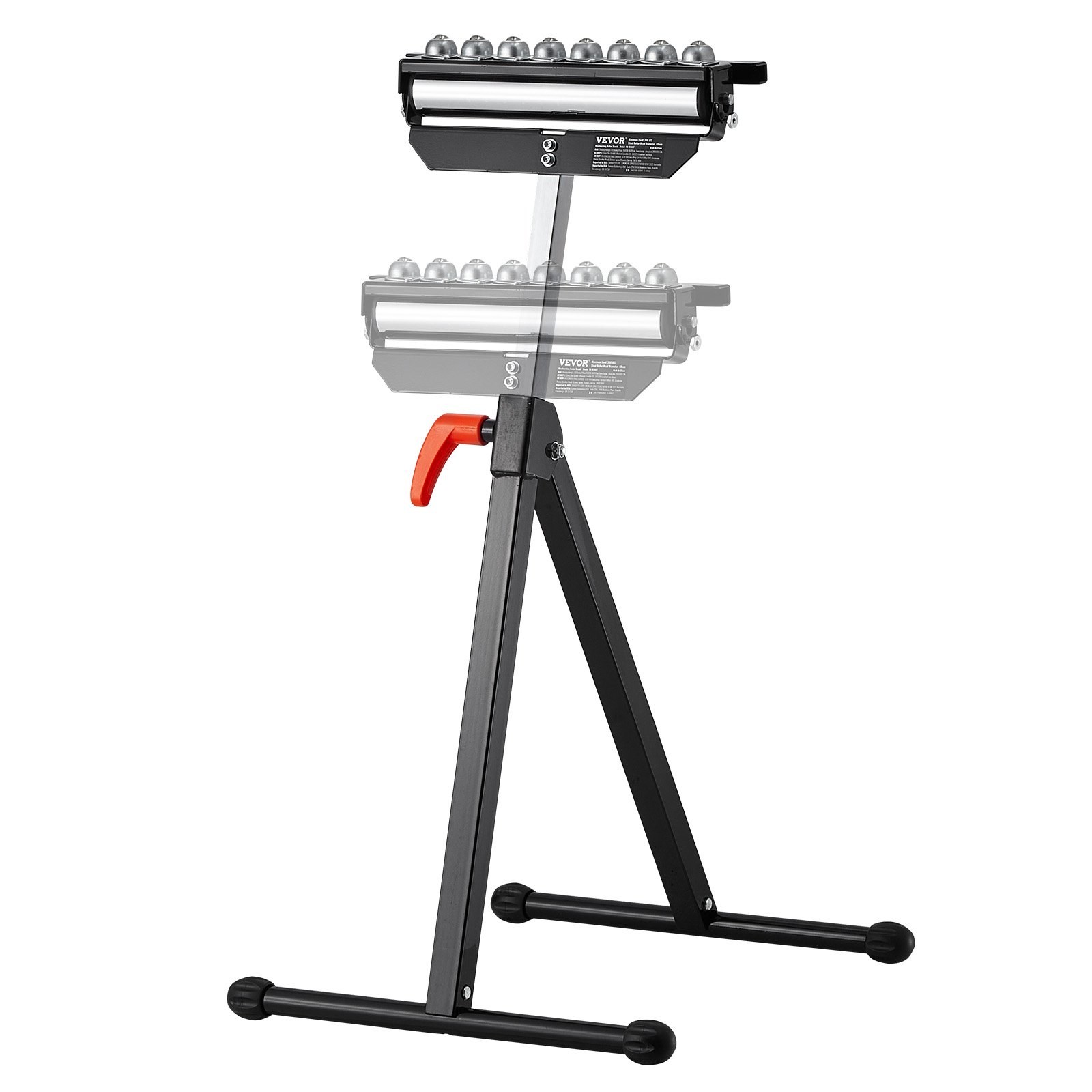
A roller table (or roller stand) supports long stock at the infeed or outfeed of a table saw, planer, or miter saw, preventing snipe and kickback. The core trade-off is load capacity and head design versus portability and cost: single-roller stands with plastic or small steel heads flex under heavy oak, while multi-roller or wide-head stands with edge guides distribute load and track straight. Buy a stand rated at least 1.5x your heaviest expected workpieces with a head width matching your widest cut, and skip anything under 100 lb capacity for hardwood work.

Workbenches & Shop Equipment

Heavy Duty Roller Stand

A heavy-duty roller stand is a height-adjustable outfeed and infeed support that carries long stock through a table saw, planer, or miter saw without tipping or sagging. The core trade-off is load capacity versus stability: single-roller stands with narrow tripod bases flex under long boards, while multi-roller or wide-base stands track material better but cost more and take more floor space. Buy a stand rated at least double the weight of your heaviest expected board, with a roller head at least 11 inches wide and a base spread that resists side-to-side tipping.

Woodworking Saws & Planers

Japanese Pull Saw

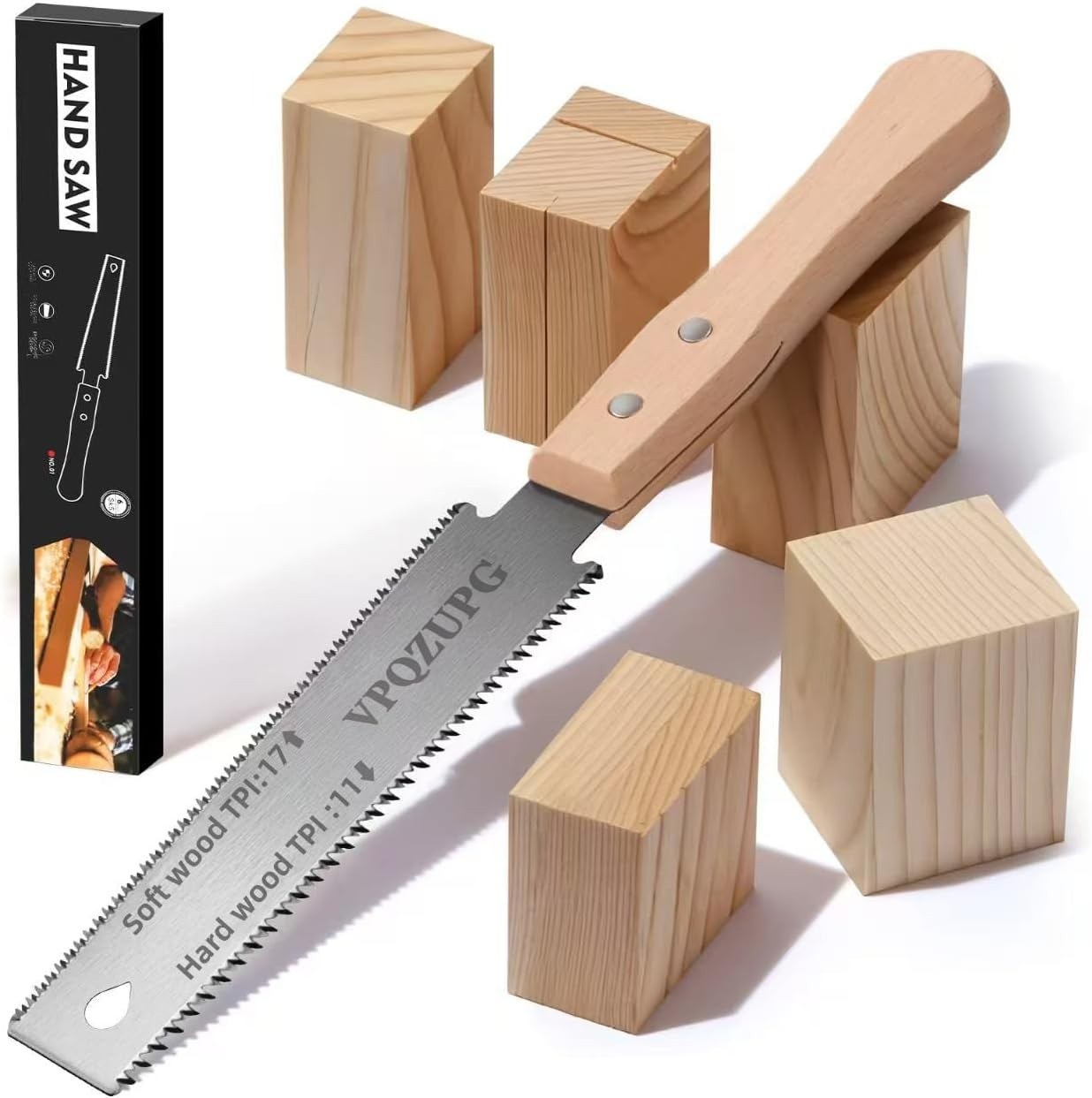
Japanese pull saws cut on the draw stroke with a thin, tensioned blade, delivering cleaner joinery and faster crosscuts than Western push saws. The core trade-off is blade geometry versus disposable cost: impulse-hardened teeth stay sharp for years but cannot be resharpened, while traditional blades cut finer but demand maintenance. Buy an impulse-hardened Ryoba for general work, a Dozuki for joinery, and a Kataba for deep single-edge cuts.

Plumbing Tools

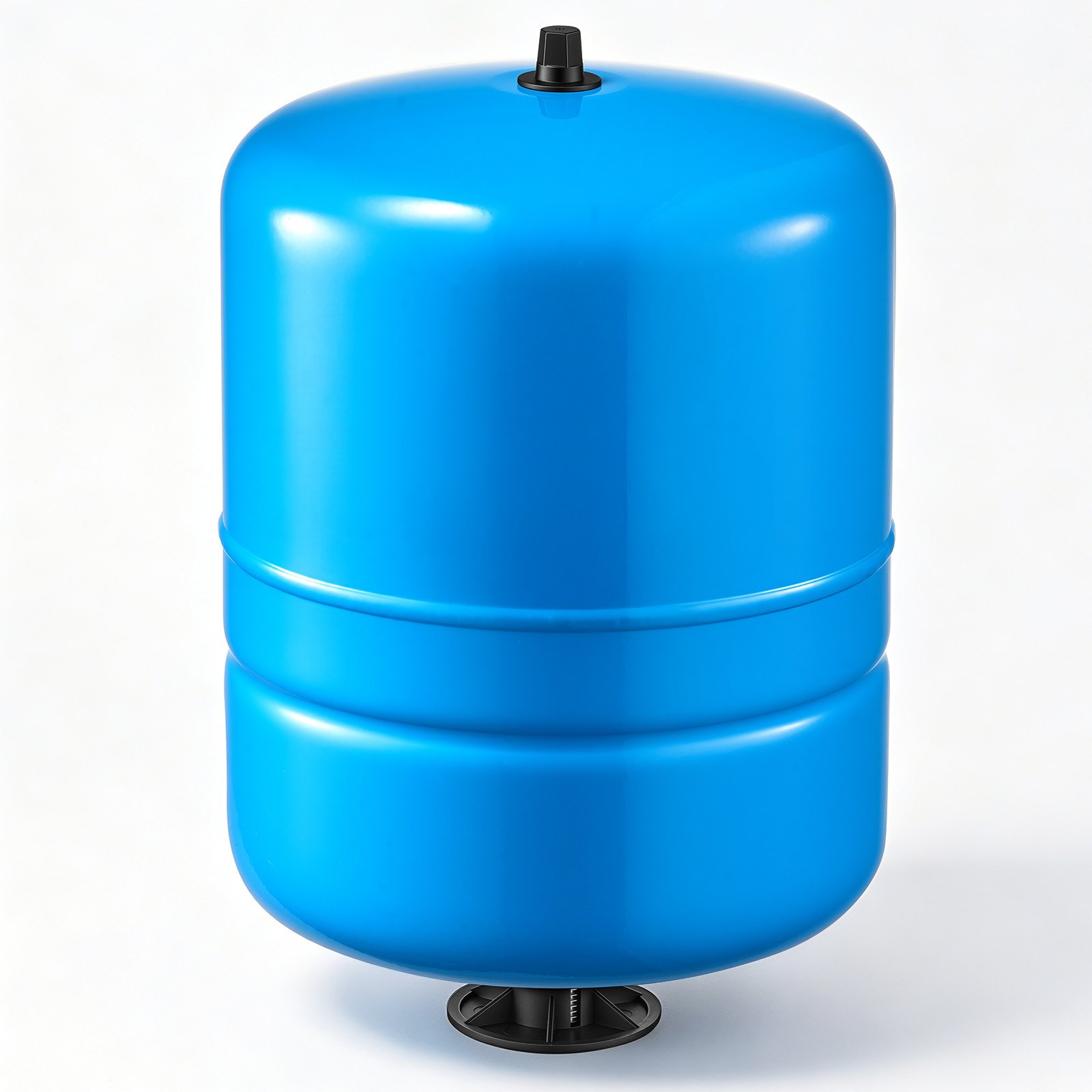
Water Pressure Tank

A water pressure tank is a pre-charged vessel that stores pressurized water to buffer pump cycling, stabilize flow, and protect plumbing from surge. The core trade-off is diaphragm/bladder construction and tank volume versus pump compatibility: a correctly sized, replaceable-bladder tank lasts decades, while undersized or non-replaceable units cause short cycling and premature pump failure. The decision rule: match tank acceptance volume to pump flow and pressure switch settings, choose a replaceable butyl bladder in a welded steel shell for potable systems, and treat plastic or non-serviceable tanks as irrigation-only compromises.

Wood Routers & Carving Tools

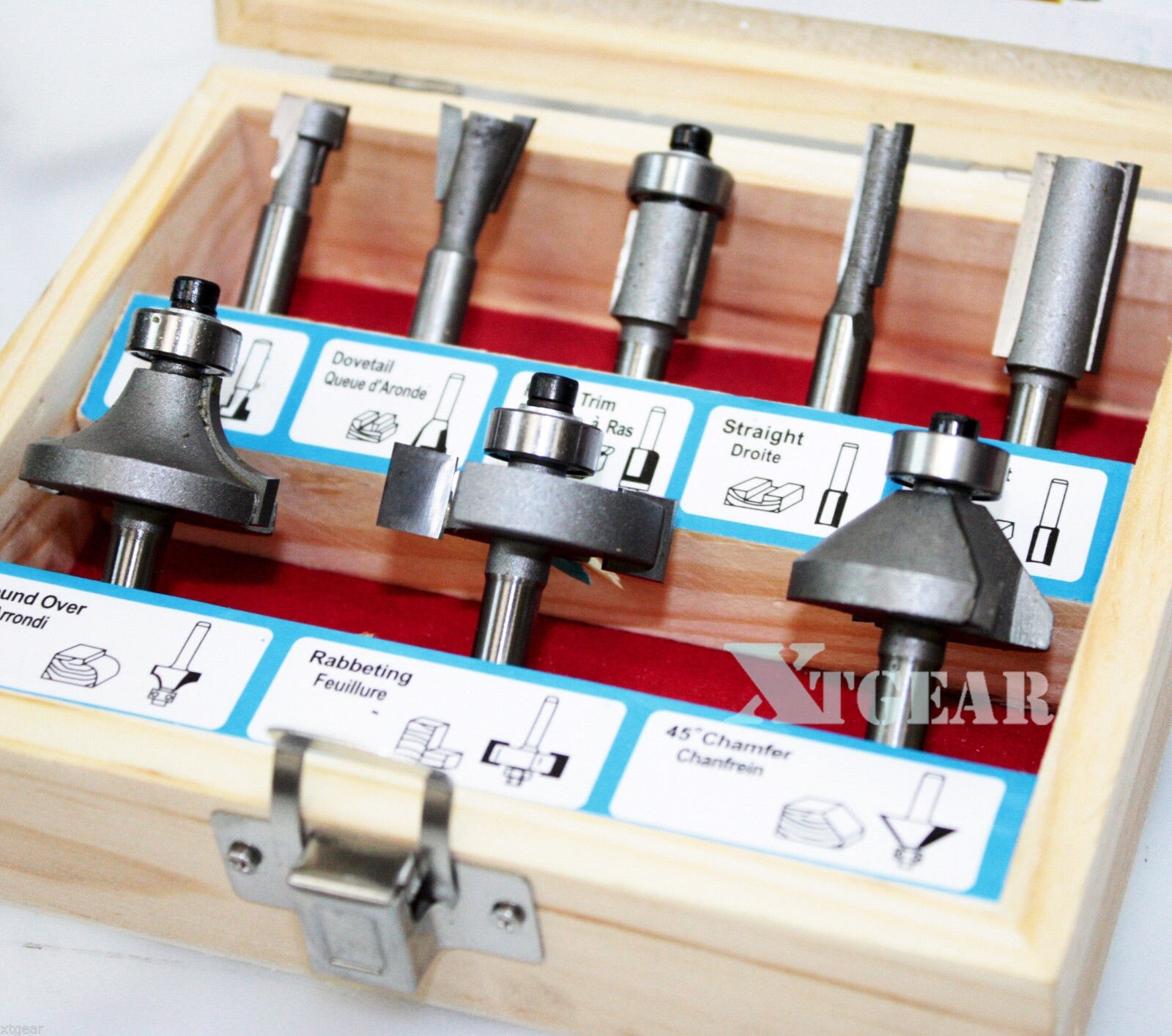
1 Router Bit Set

A router bit set bundles the cutting geometries needed for edge profiles, joinery, and flush trimming into one shank standard, so the real decision is shank diameter and carbide grade before piece count. The primary trade-off is 1/4-inch shanks for trim routers and light passes versus 1/2-inch shanks for full-depth cuts in hardwood without chatter. Buy sets with YG8 or equivalent micro-grain carbide and hardened shanks; skip any set that lists only 'carbide-tipped' steel with no grade or shank tolerance.

Woodworking Clamps, Jigs & Joinery

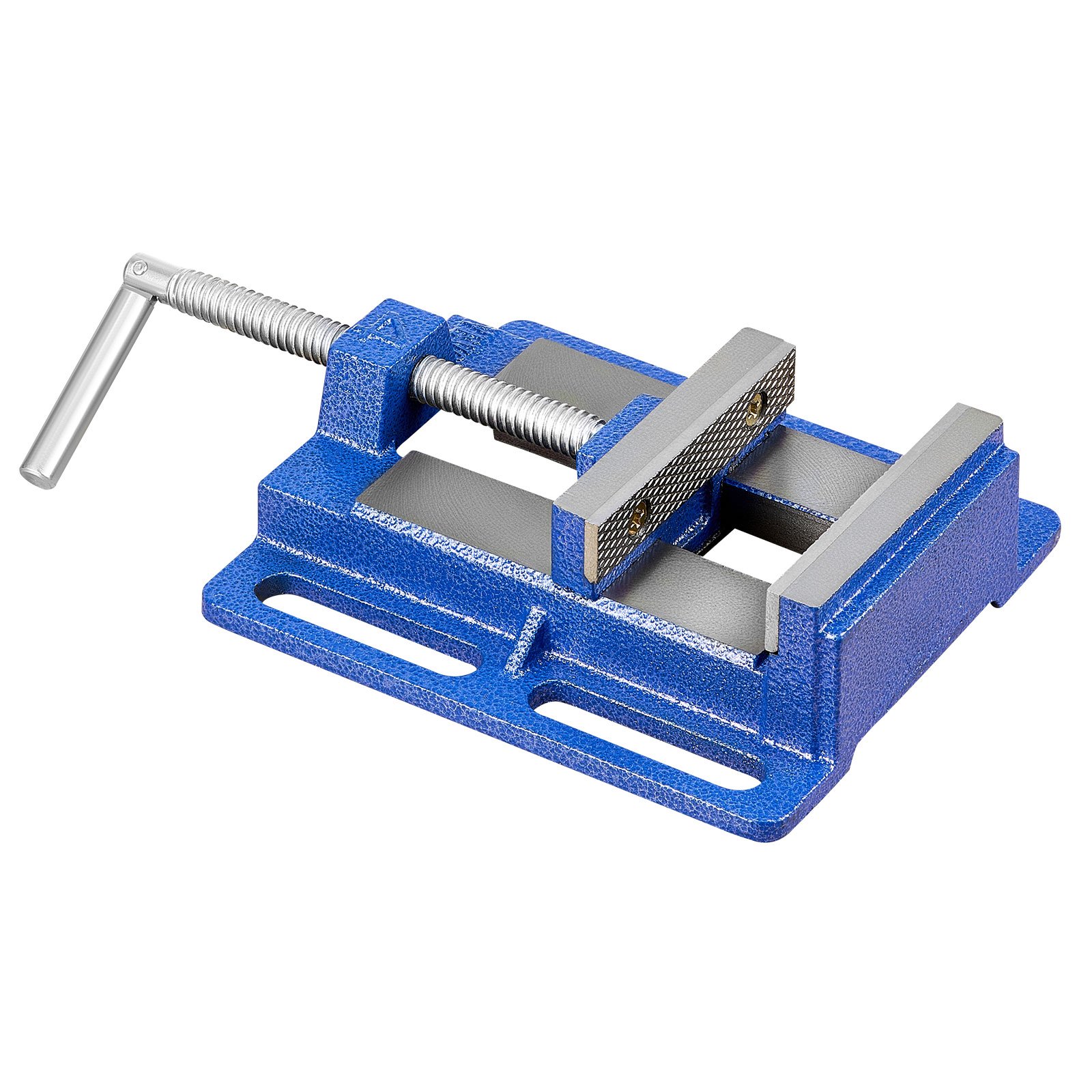
Woodworking Bench Vise

A woodworking bench vise is the primary work-holding anchor on a bench, and the critical trade-off is between cast iron or steel body mass and the guide/screw mechanism quality that resists racking under load. Durable vises use acme-threaded screws, double or enclosed guide bars, and quick-release nuts; light drill-press vises with slotted bases are not substitutes for a bench vise. The decision rule: buy a vise rated for the jaw opening and clamping force you need with a quick-release or continuous screw, and skip any model that relies on a single unsupported rod or pot-metal body.

Woodworking Clamps, Jigs & Joinery

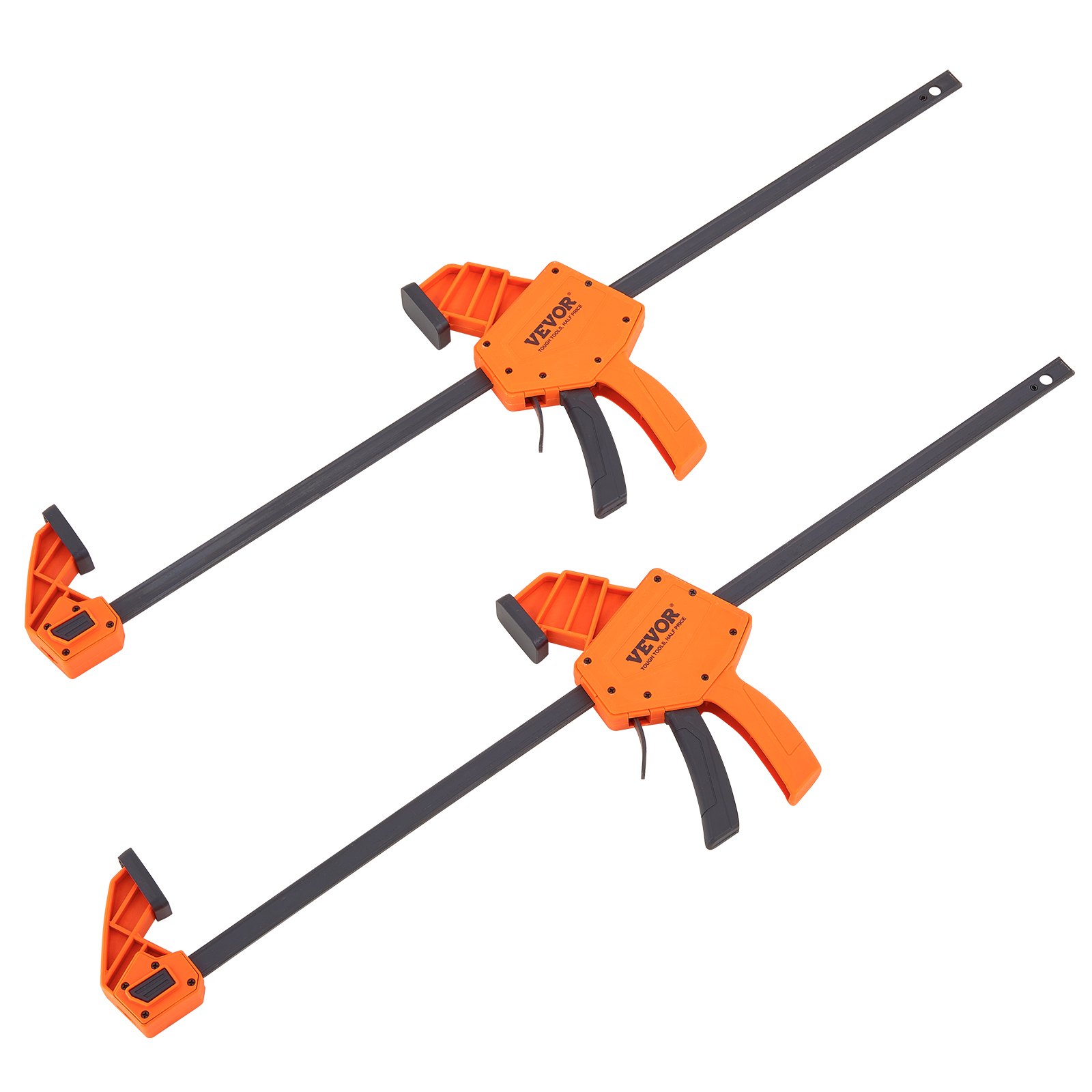
Plastic Woodworking Clamp

Plastic woodworking clamps are lightweight, corrosion-resistant tools where nylon or glass-filled polymer jaws and handles meet steel or aluminum bars; the core trade-off is clamp force and jaw rigidity versus weight and cost. Choose reinforced-polymer bodies with steel or aluminum bars for glue-ups and light assembly, and step up to all-steel or cast-iron parallel clamps for high-pressure panel glue-ups and thick hardwood.

Measuring & Layout Tools

Digital Angle Finder

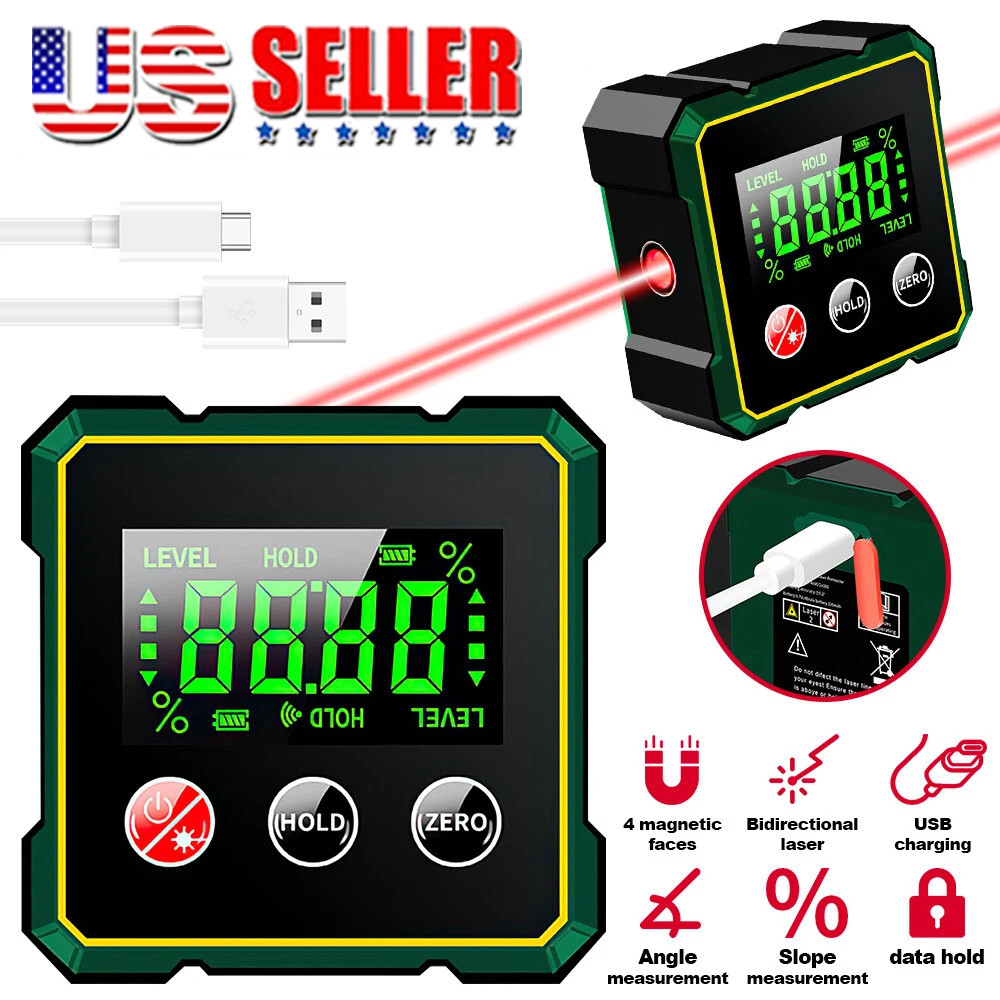
A digital angle finder is a precision instrument that converts angular position into a digital readout using an accelerometer or inclinometer, replacing bubble vials and protractor arms for tasks requiring repeatable, tight-tolerance angle measurement. The core trade-off is between absolute accuracy and resolution versus practical durability and magnetic mounting strength: cheap units often specify ±0.5° or worse with plastic housings and weak magnets, while serious tools deliver ±0.1° or ±0.05° accuracy with machined aluminum bodies and rare-earth magnets. The decision rule is simple: if you need repeatable cuts or installs within 0.2°, buy a unit rated ±0.1° or better with a metal frame and strong magnetization; if you only need approximate leveling, a ±0.5° plastic unit is acceptable but will not hold calibration under job-site abuse.

Power Tools

Makita Impact Driver

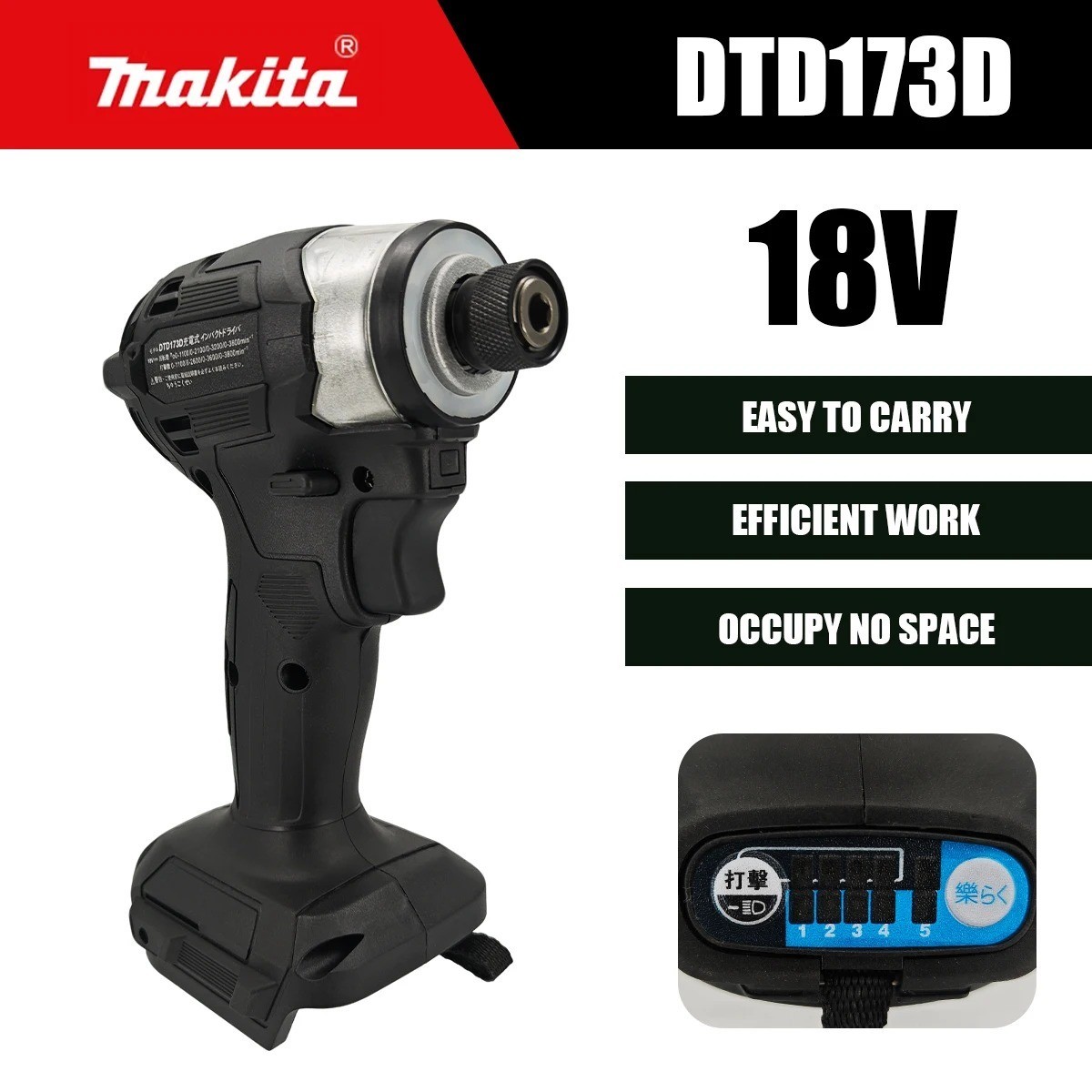
Makita impact drivers are built around the 18V LXT slide-battery platform, with core differences in motor type, chassis size, and drive mode logic. The decisive trade-off is between full-size high-torque models and sub-compact or oil-pulse variants: pick by fastener size and duty cycle, not by marketing torque alone.

Hand Tools

Dewalt Socket Set

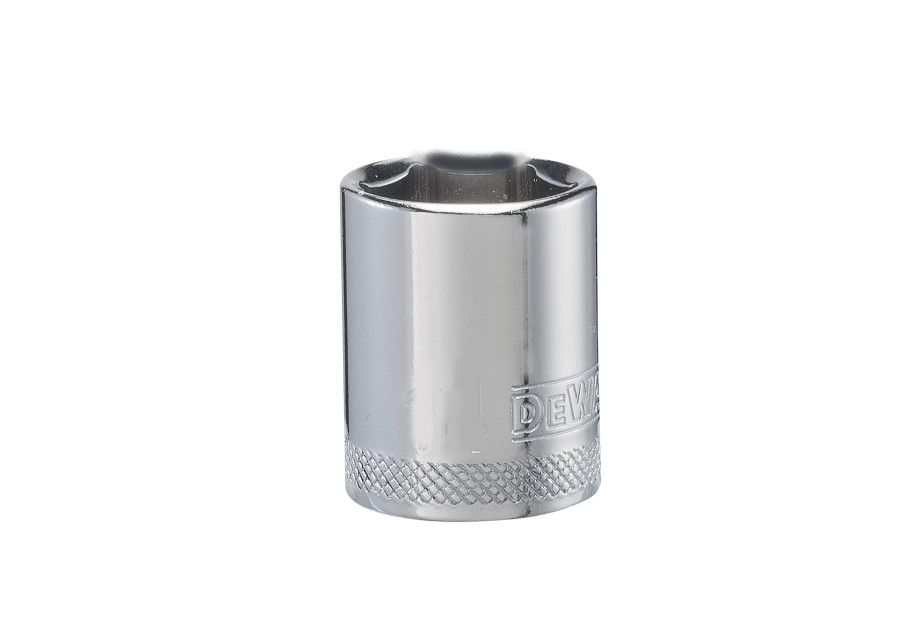
DeWalt socket sets are chrome-vanadium hand tools built for automotive and mechanical work, offered in drive sizes from 1/4-inch to 1/2-inch and piece counts from compact kits to 200+ piece master sets. The core trade-off is drive size and piece count versus portability: larger drives handle higher torque but add bulk and cost, while compact kits sacrifice range for carry convenience. The decision rule is simple: match drive size to fastener torque, buy 6-point sockets for rounded-bolt resistance, and choose a case that organizes by drive size rather than a single mixed tray.

Power Tools

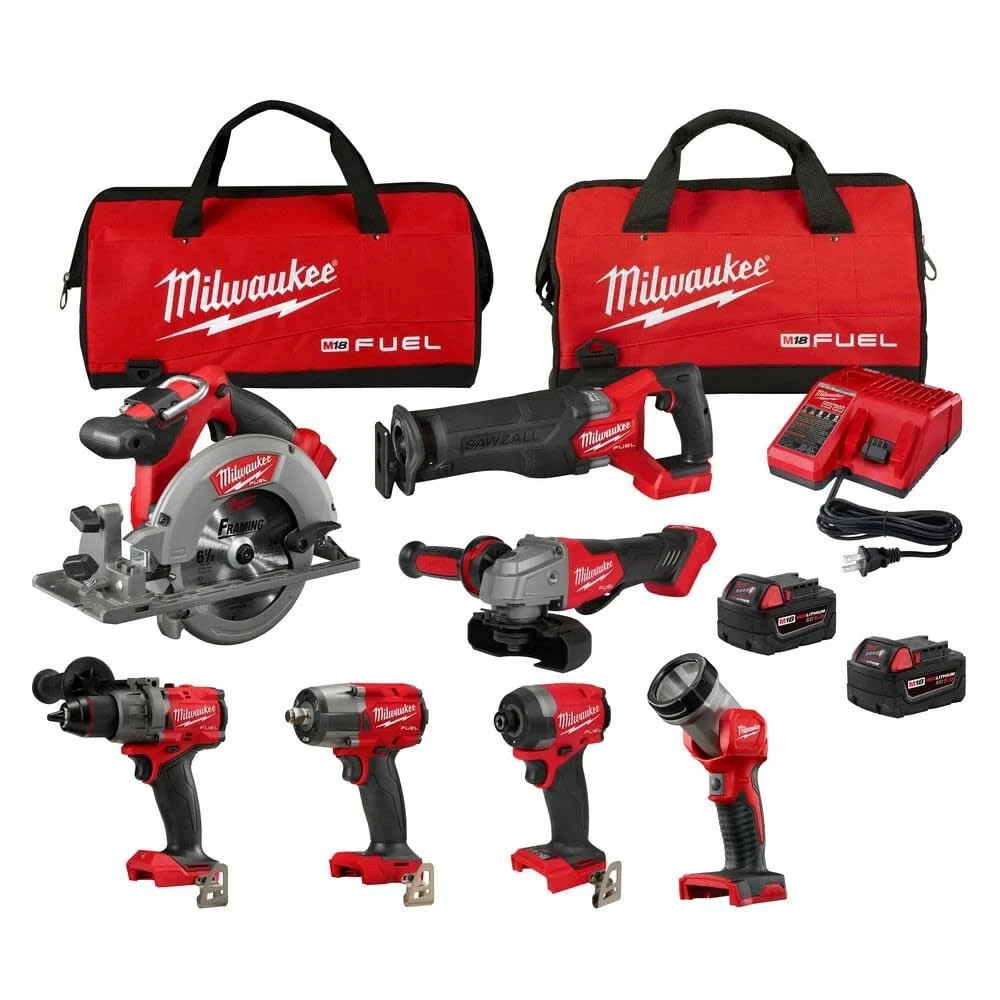
Milwaukee M18 Fuel Kit

Milwaukee M18 FUEL kits pair brushless motors with REDLITHIUM batteries and REDLINK electronics across impact drivers, hammer drills, and saws, so the real trade-off is bundle tier versus bare-tool flexibility, not core voltage. Buy FUEL for daily professional duty cycles and choose a bare tool if you already own 5.0Ah+ packs; step down to brushed or non-FUEL only for light homeowner use.

Power Tools

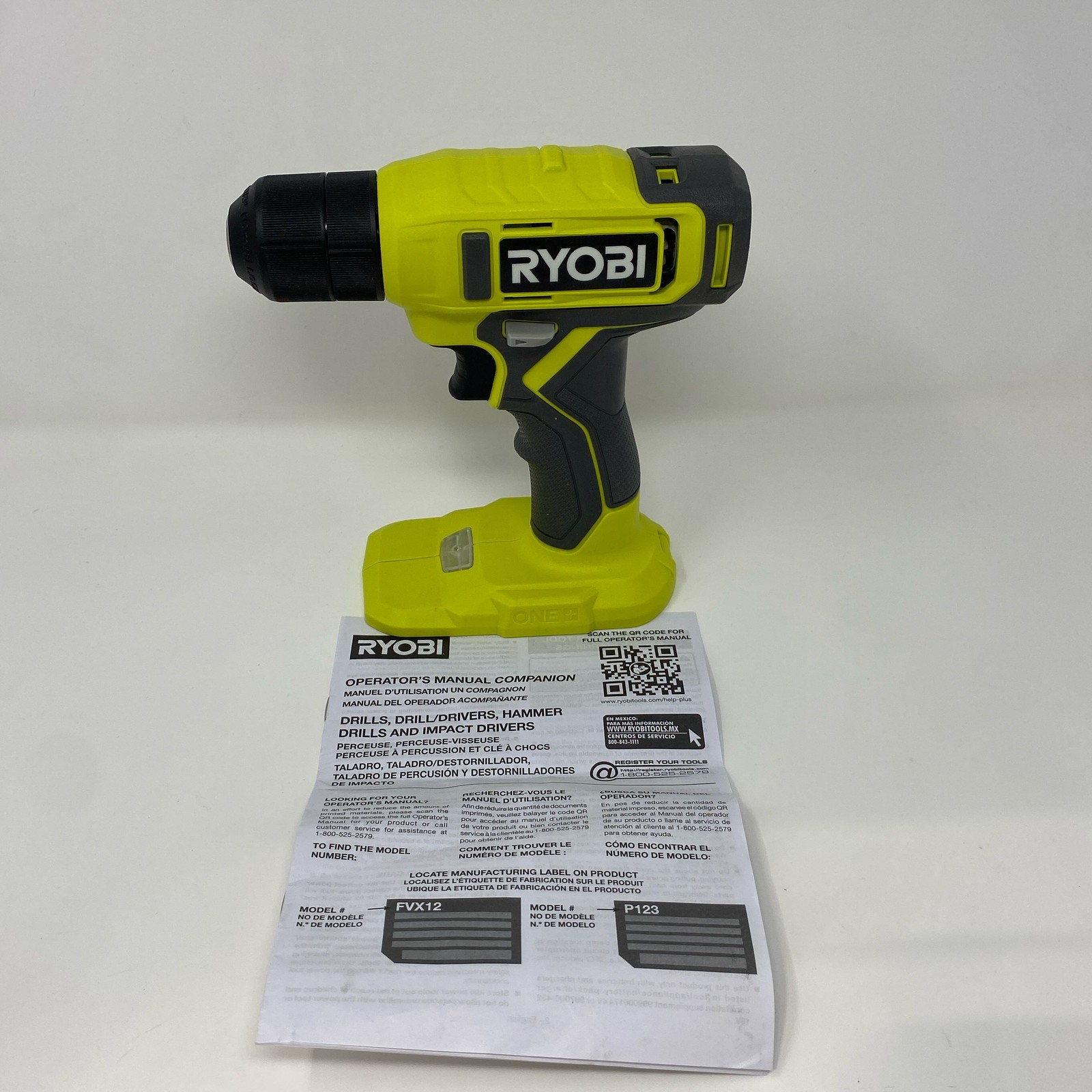
Ryobi Drill Set

A Ryobi drill set centers on the ONE+ 18V battery platform, where the real decision is 3/8" compact drill/driver versus 1/2" HP brushless drill/driver, and whether you buy tool-only or a kit with battery and charger. Durable value comes from brushless HP motors and higher-capacity packs; the compromise tier is brushed compact drills with 1.5Ah batteries for light household tasks.

Power Tools

Miter Saw

A miter saw is a benchtop cutting station defined by blade size, motor type, and miter/bevel geometry—the three factors that determine crosscut capacity, cut quality, and portability. The core trade-off is between a lightweight 7-1/4-inch sliding saw for trim and a heavy 10- or 12-inch compound slider for framing and thick stock. Buy the blade class and rail system that matches your thickest repeated cut, not the one that matches your biggest one-off cut.

Hand Tools

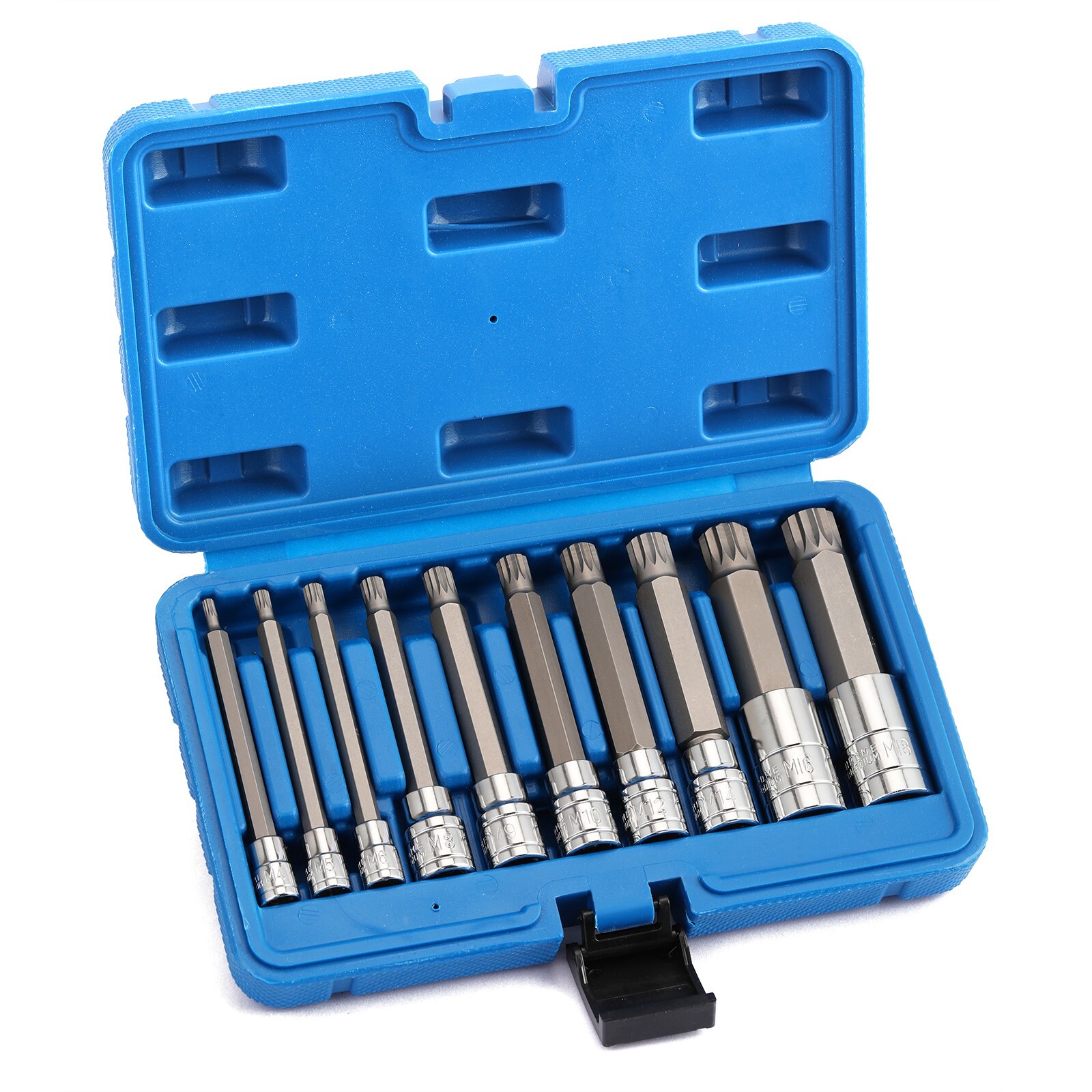
12 Point Socket Set

A 12-point socket set uses a double-hex opening that engages fasteners every 30 degrees, making it the correct choice for high-torque axle nuts, strut hardware, and limited-swing access—not for rounded or damaged hex heads. The core trade-off is access angle versus flank engagement: 12-point sockets grab corners on 6-point fasteners but can slip on worn heads, while 6-point sockets only fit every 60 degrees. Buy 12-point sets only where the fastener is a true 12-point, spline, or OEM axle/strut nut, and keep a 6-point set for general hex work.

Dust Collection, Sanding & Finishing

Sanding Pad

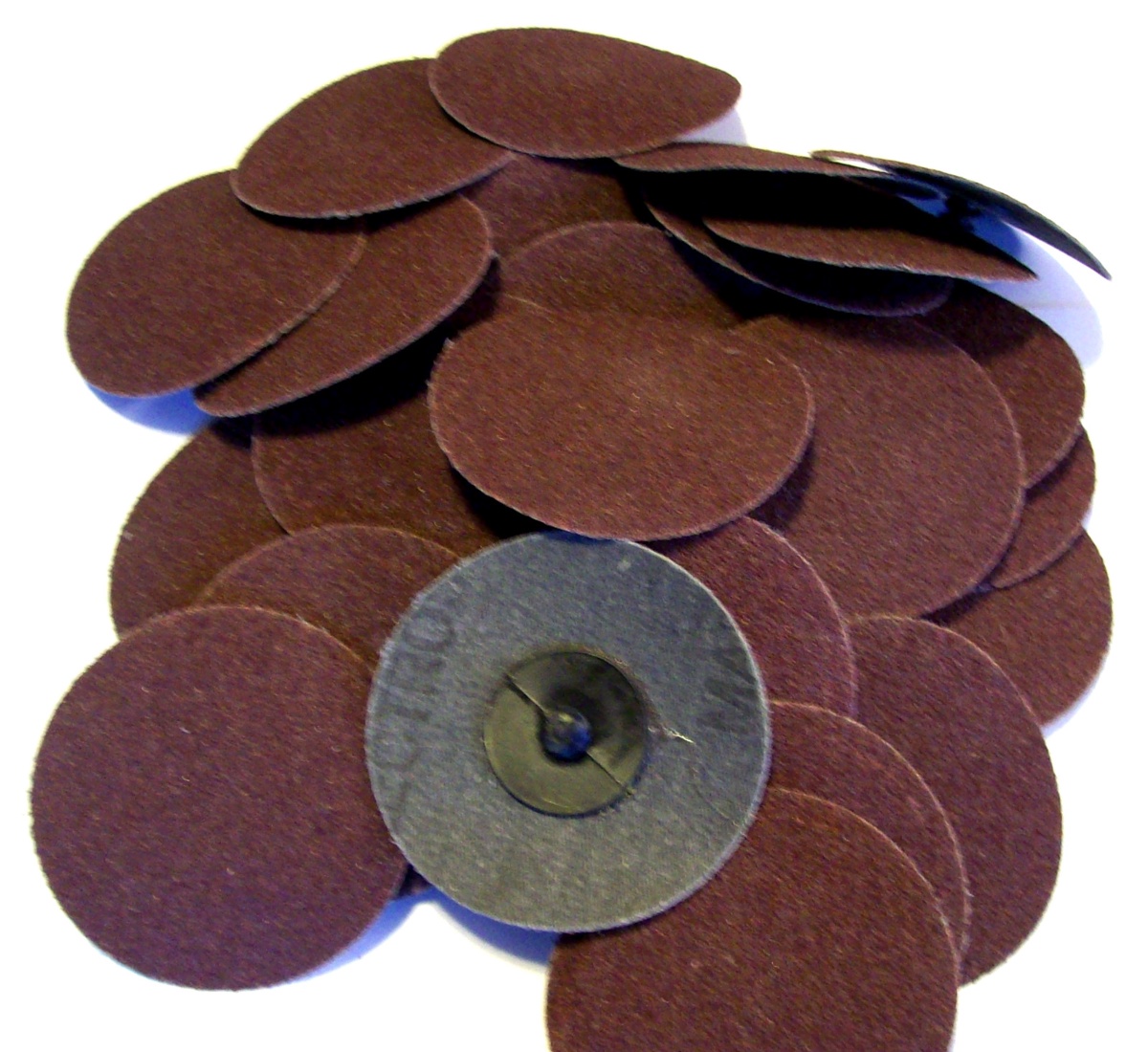
Sanding pads are the abrasive interface between your power tool and the workpiece, and their performance is dictated by backing type, attachment method, and abrasive grain—not by brand hype. The core trade-off is between fast material removal (coarse grit, rigid backing) and surface finish (fine grit, flexible backing), with attachment compatibility (hook-and-loop, PSA, Roll & Lock, or clamp) determining which pads actually fit your sander. The decision rule is simple: match the pad's attachment system and diameter to your tool's platen, then select grit and backing for the task—never force a pad that doesn't lock securely.

Flashlights & Headlamps

Rechargeable Headlamp

Rechargeable headlamps replace disposable batteries with an integrated or swappable Li-ion cell, but the real divide is between sealed plastic toys and serviceable, regulated lights. The core trade-off is upfront simplicity versus durability: glued shut plastic bodies with non-replaceable cells die at first battery degradation, while aluminum or impact-rated polymer hosts with standard 18650 cells and USB-C charging survive years of work use. The decision rule: pick a headlamp with a user-replaceable cell, a regulated driver, and an IPX rating if you need reliability; accept a sealed budget unit only as an occasional-task spare.

Power Tools

Belt Grinder

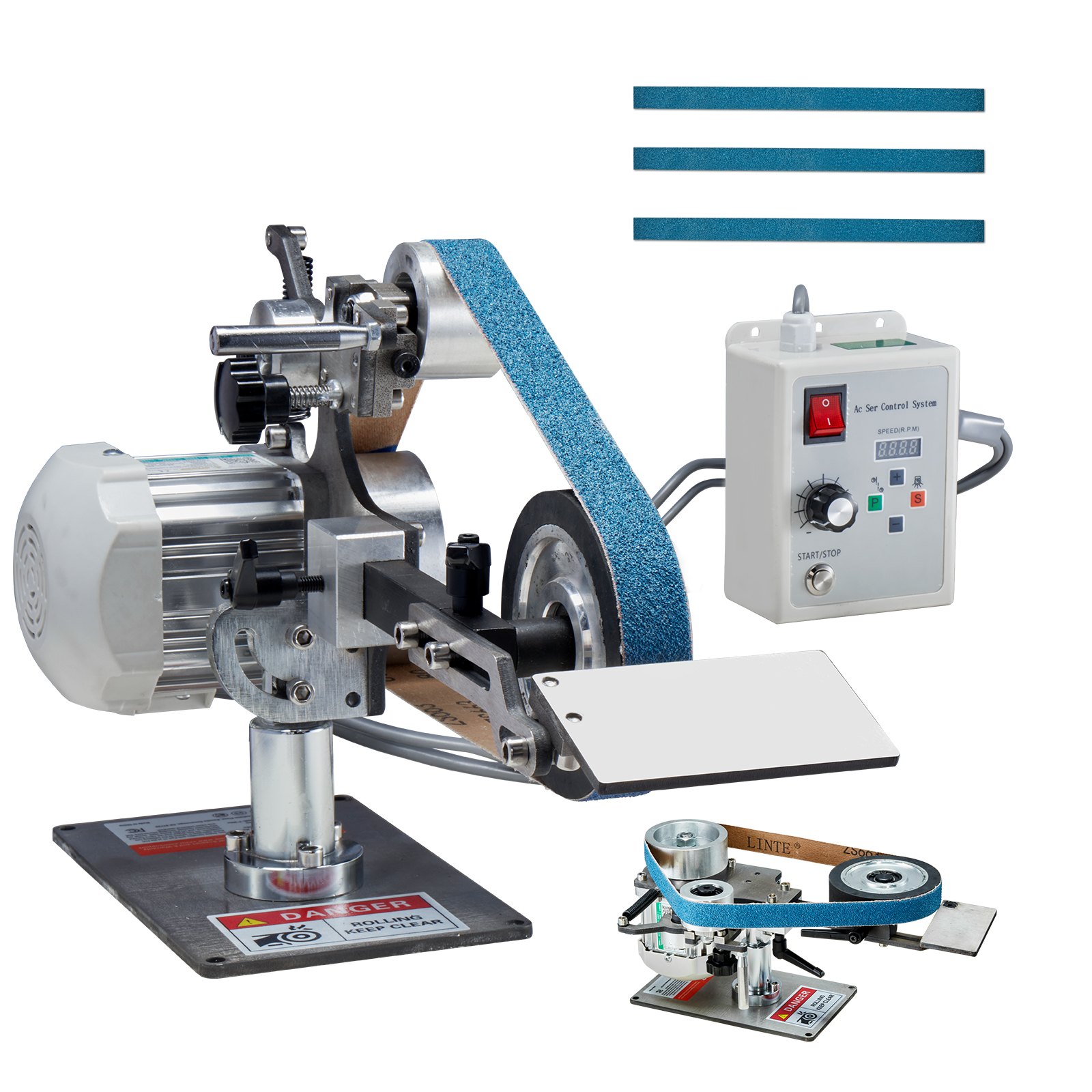
A belt grinder is a abrasive-machining power tool that uses a continuous loop of abrasive belt running over contact wheels to remove material fast and cool, and the primary trade-off is between small-belt hobby units with limited power and larger-belt machines with VFD-controlled torque and heat management. The clear decision rule: for knife making and metal fabrication, choose a 2-inch-wide belt with at least 1.5 HP (1.1 kW) and variable frequency drive (VFD); for light workshop sharpening and woodworking, a 1-inch or 2-inch belt combo unit at 350–550 W is sufficient.

Hand Tools

Digital Torque Wrench

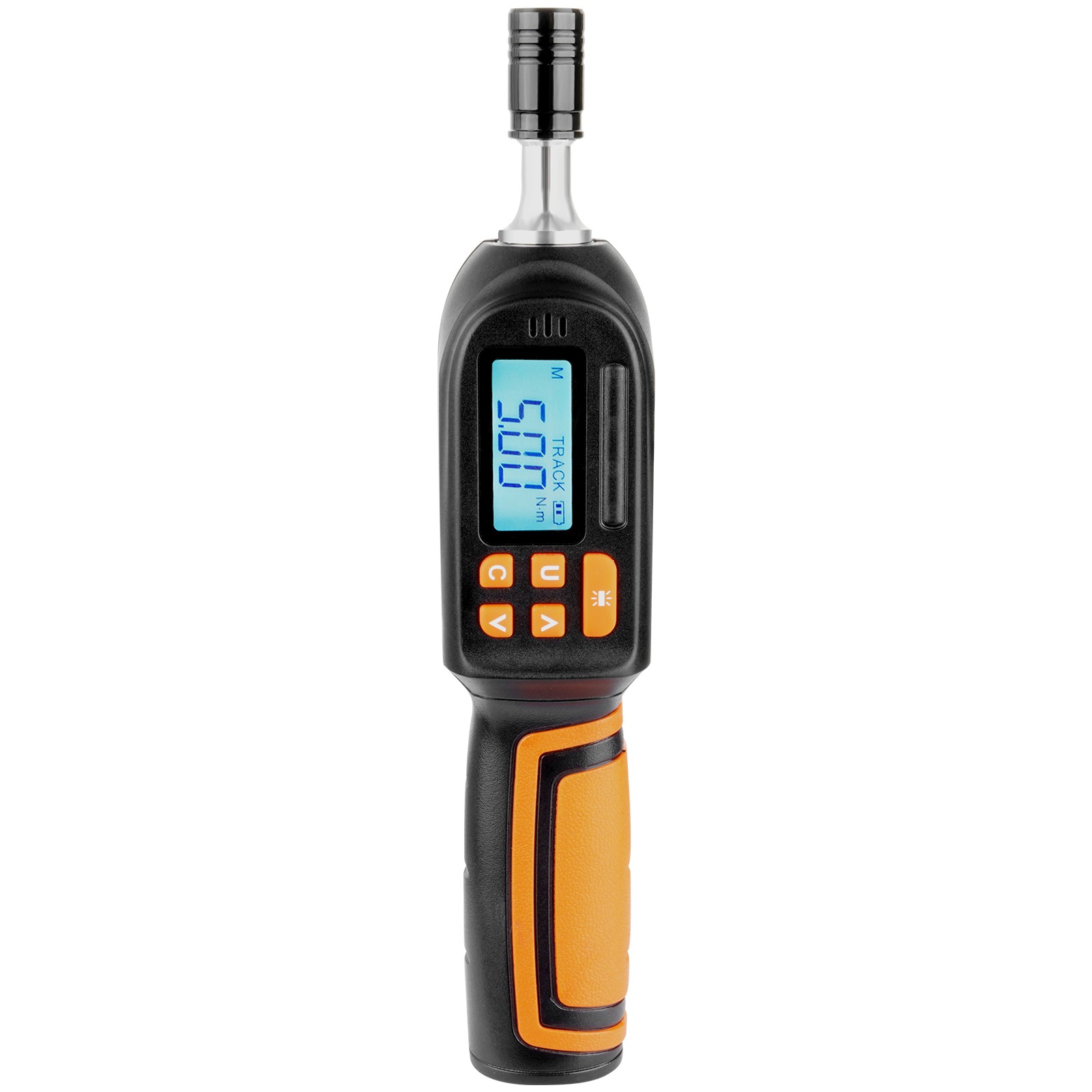
A digital torque wrench replaces the mechanical click with strain-gauge electronics and an LCD, trading impact durability for ±1–2% accuracy, preset modes, and data feedback. The core decision is drive size and torque range versus the precision and features you actually need, since a 1/2-inch 250 ft-lb wrench and a 1/4-inch bit-driver serve completely different fastener classes. Buy according to the torque band of your fasteners and the drive interface your sockets use; skip any unit that cannot state its accuracy grade and calibration method.

You may also like

Finding more guides for you…