DIY Tool Picks

DIY Tool Picks

Tools & Home Improvement Reviews & Buying Guides

Compare tools & home improvement by use case, features, trade-offs, price, returns, and seller terms before you buy.

Buying guides

Hand Tools

Shovel

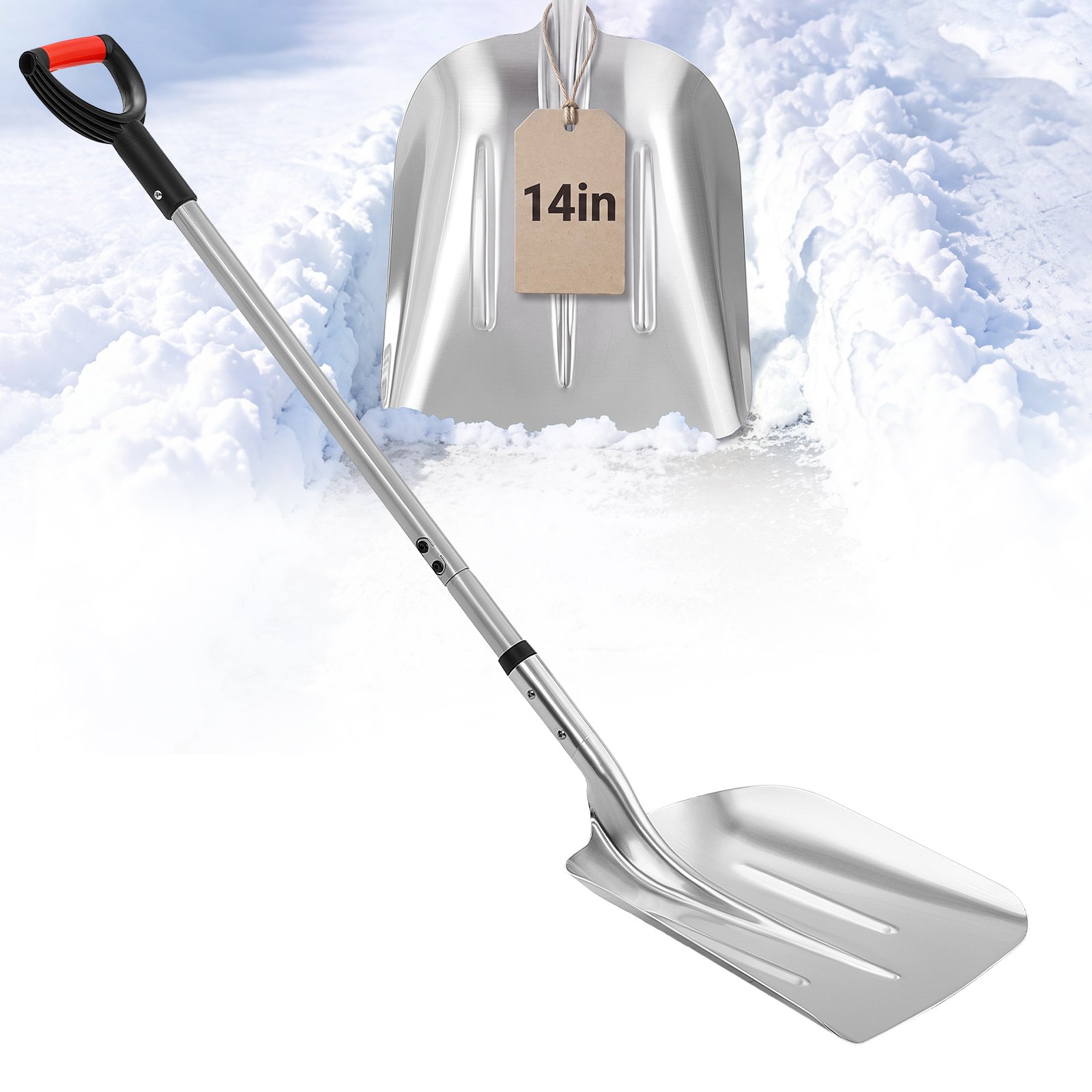
A shovel is a lever-and-blade hand tool whose durability is set by blade alloy or polymer grade, handle-to-blade joint construction, and shaft length matched to user height. Buyers face a clear trade-off: one-piece welded or forged heads survive prying and frozen ground, while two-piece bolted or push-fit sockets and thin HDPE blades flex, crack, or peel under load. The decision rule is simple: if the tool will pry, chip ice, or move dense soil, buy a forged/welded steel head on an ash or fiberglass shaft; reserve plastic or aluminum blades for light snow pushing and loose material only.
Flashlights & Headlamps

Light With Magnetic Base

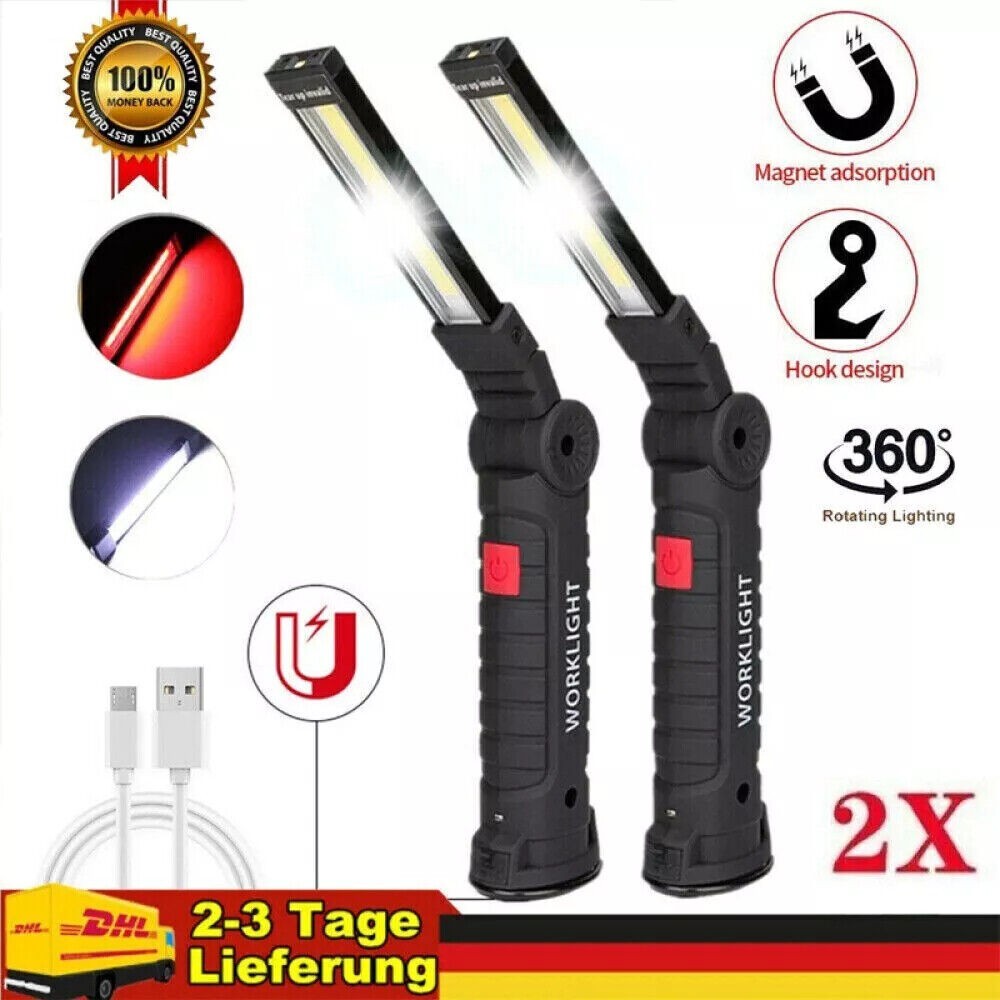
A light with a magnetic base is a task or work light whose base contains permanent magnets strong enough to hold the unit on ferrous metal surfaces, enabling hands-free inspection, repair, and emergency use. The core trade-off is between magnet holding strength and light output/run time: neodymium magnets provide secure attachment but add cost and weight, while weaker ferrite magnets or suction cups compromise stability. Choose a model with neodymium magnets rated for at least 5x the light's weight and a COB LED with 300+ lumens for real work; skip any light relying on adhesive tape or weak magnets that slide under load.

Woodworking Clamps, Jigs & Joinery

90 Degree Clamp

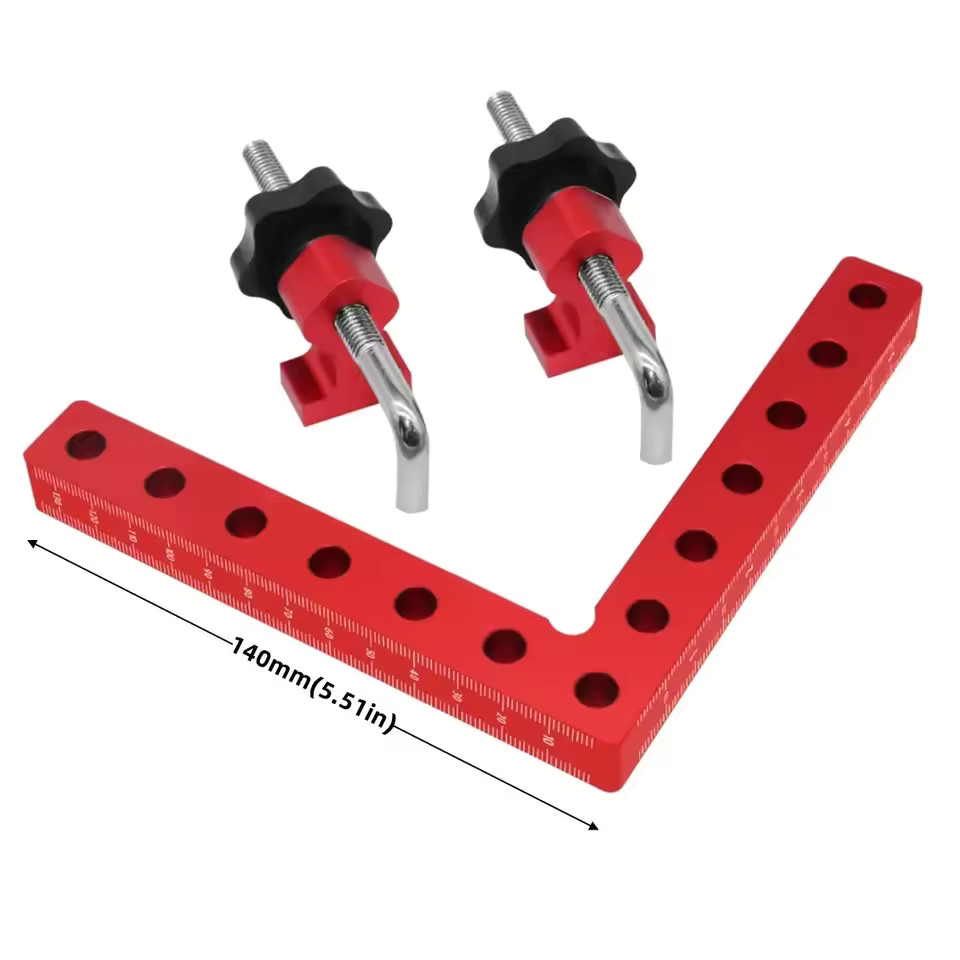
A 90-degree clamp is a right-angle positioning tool that holds two workpieces square during glue-up, drilling, or welding. The core trade-off is between cast aluminum bodies with fixed jaws (light, fast, but limited to one thickness range) and adjustable or auto-adjusting corner clamps that self-square across different stock sizes. Buy cast aluminum with machined jaw faces and a confirmed throat depth if you need repeatable square joins; skip stamped-steel or plastic-bodied units that deflect under clamp pressure.

Woodworking Hand Tools & Chisels

Japanese Chisel

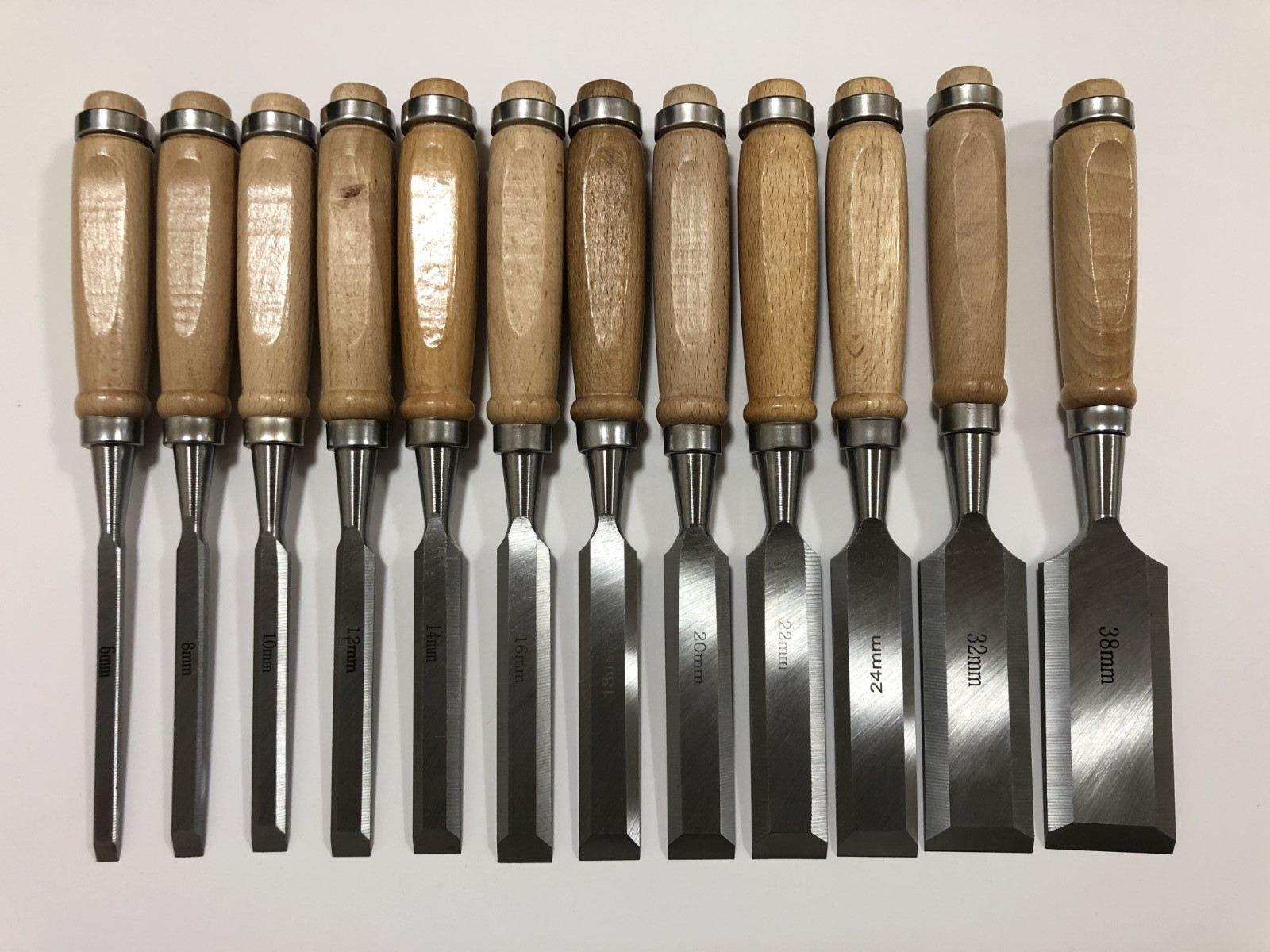
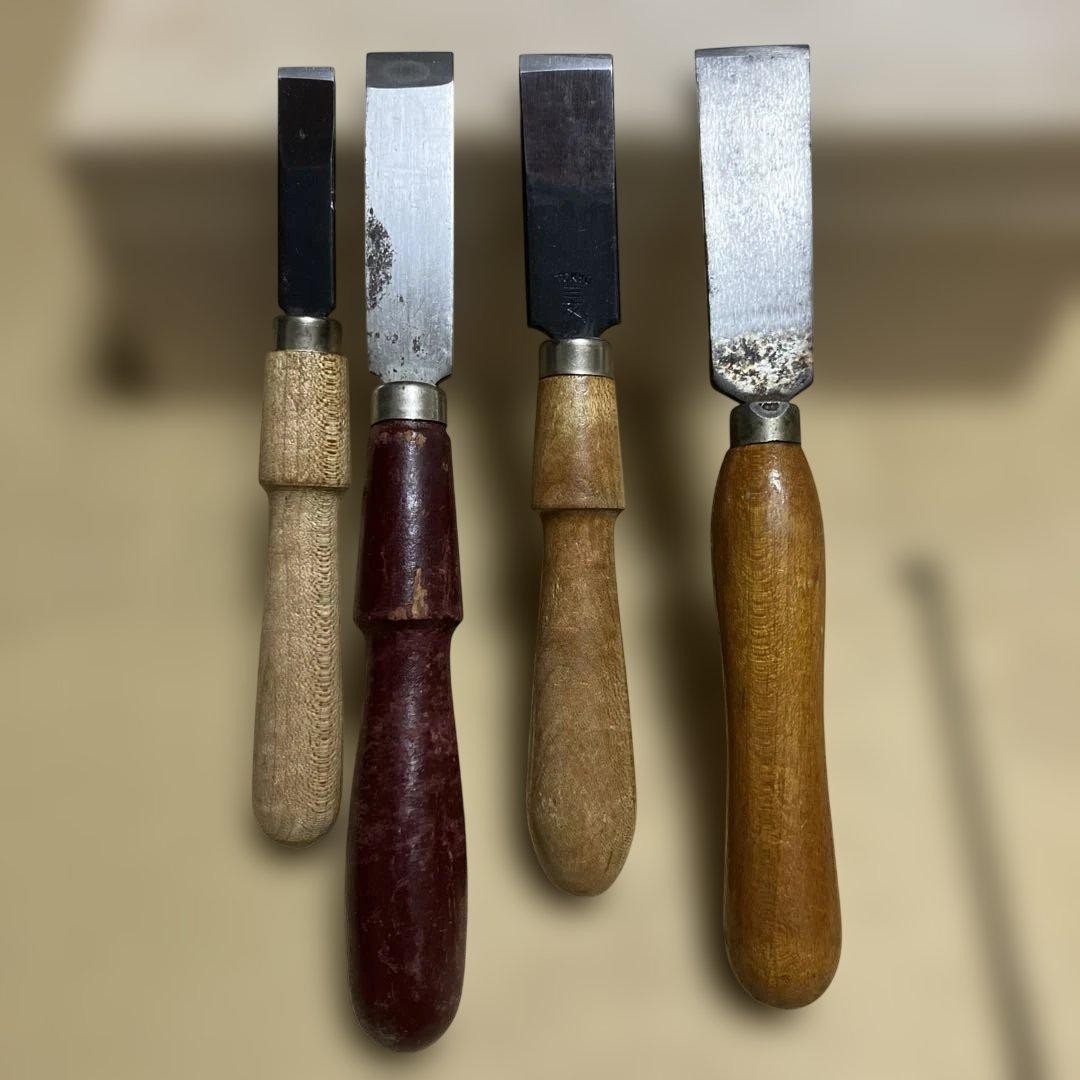
Japanese chisels (nomi) are laminated high-carbon steel blades forge-welded to a softer iron body, delivering a keener edge and faster honing than Western chrome-vanadium chisels—but they demand a flat, shock-free technique and careful water-stone maintenance. The core trade-off is blade steel and hollow-ground flatness versus handle durability: white-paper steel takes the sharpest edge but chips under prying, while blue-paper and oirenomi patterns trade a little sharpness for toughness. Buy a set whose blade widths span your joinery (typically 3–24 mm) and whose handles are hooped for mallet work; skip bargain 'set of 12' lots with unknown steel and no flat-back guarantee.

Soldering & Electronics Repair Tools

Soldering Pen Kit

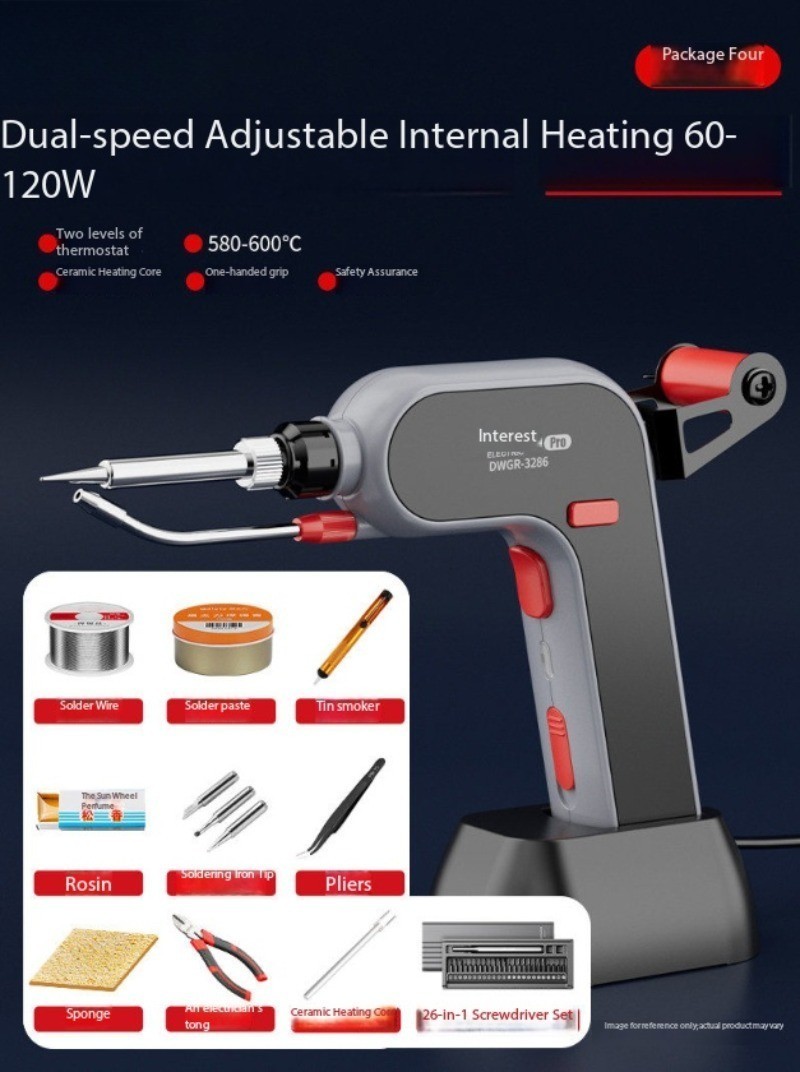
A soldering pen kit is a compact, integrated iron—usually USB-C or battery powered—with a fine-point tip, designed for electronics repair and on-the-go joints rather than sheet-metal work. The core trade-off is thermal recovery vs. portability: barrel-style pens with high-wattage elements and precision tips hold heat through repeated joints, while slim low-power pens are light but stall on ground planes and thick wire. Buy a kit with a temperature-controlled element and swappable precision tips for electronics; skip any unregulated pen that lacks thermal feedback for board-level work.

Measuring & Layout Tools

Torpedo Level With Light

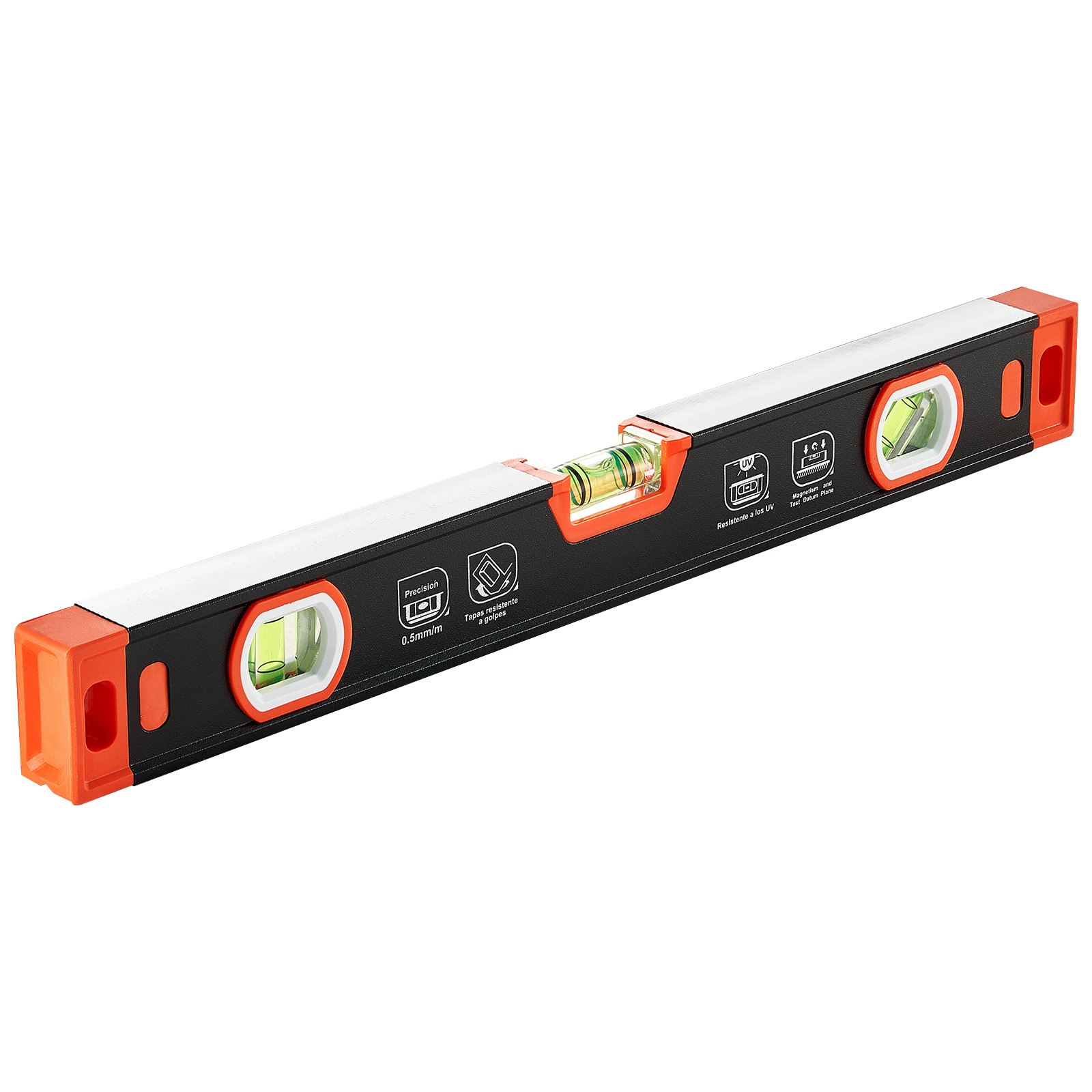
A torpedo level with light is a compact spirit level whose illuminated vial lets you read the bubble in dim cabinets, crawlspaces, and conduit runs where ambient light fails. The core trade-off is vial visibility and shock resistance versus beam rigidity: cast aluminum frames hold calibration far better than stamped or plastic bodies, while sealed LED modules add bulk and battery dependency. Buy a milled aluminum frame with replaceable AAA or coin-cell lighting and machined vial seats; skip injection-molded bodies, unsealed battery doors, and levels whose vials cannot be recalibrated.

Hand Tools

Snow Pusher With Wheel

A snow pusher with wheel combines a wide, non-scooping blade with a rolling axle to clear driveways and decks without lifting. The core trade-off is blade width and material versus wheel load capacity and frame rigidity: wide HDPE blades clear fast but flex under wet snow, while metal-edged or reinforced blades need a heavier axle and handle. Buy a wheeled pusher only when you push straight runs on smooth surfaces; skip it for stairs, deep drifts, or gravel where a scoop shovel wins.

Flashlights & Headlamps

LED Light With Magnetic Base

A magnetic-base LED light is a portable work or inspection light whose magnetized foot or bracket lets it stick to steel surfaces while you work hands-free. The key trade-off is between magnet strength and beam flexibility: entry models use a single weak ferrite disc with a fixed COB panel, while durable models use neodymium magnets, articulated or 360° rotating heads, and metal housings that survive drops and heat. Choose a metal-bodied unit with neodymium magnets and an articulating head for real shop use; skip plastic-shell single-magnet lights with fixed beams unless you only need occasional household task lighting.

Flashlights & Headlamps

Rechargeable Work Light With Magnetic Base

A rechargeable magnetic work light is a portable COB or LED area light with a rotating magnetic base for hands-free attachment to steel surfaces. The core trade-off is magnet hold strength and battery runtime versus body bulk: neodymium magnets and 18650/21700 cells hold firmly and run for hours, while ferrite magnets and pouch cells slip or fade quickly. Buy a neodymium-magnet, metal-bodied light with a standard USB-C port if you need reliable overhead or under-hood placement; skip ferrite-magnet plastic lights for any load-bearing use.

Wood Routers & Carving Tools

Cmt Router Bit Set

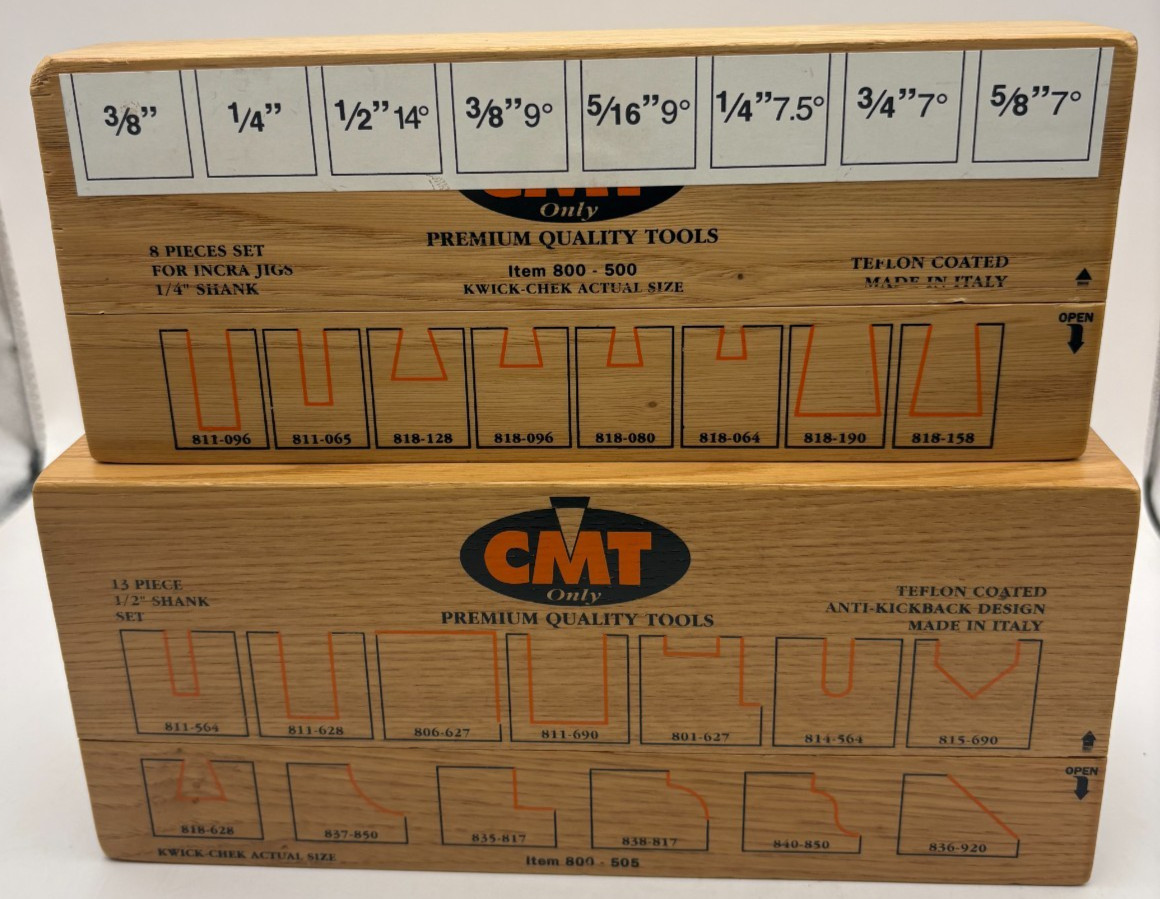
A CMT router bit set is a grouped purchase of carbide-tipped cutters from CMT Orange Tools, sold either as a factory-matched master set (e.g., 800.500 or 500.505 in a wooden box) or as a mixed lot of CMT and Katana bits for cabinetry joinery. The core trade-off is carbide grade and grind quality versus set completeness: CMT's 2.0mm micro-grain carbide and laser-etched specs deliver clean cuts and repeatability, while bargain sets trade edge life and concentricity for lower cost. The decision rule is simple: buy a factory CMT master set when you need guaranteed 1/4-inch or 1/2-inch shank compatibility and matched profiles, and only buy mixed lots when you can verify every bit's shank size and carbide condition.

Woodworking Hand Tools & Chisels

Japanese Woodworking Chisel Set

Japanese chisels (nomi) are laminated high-carbon steel blades forge-welded to a softer iron body, ground with a hollow ura to speed flattening and reduce friction. The core trade-off is steel hardness versus brittleness: white paper steel takes a keener edge but chips under abuse, while blue paper steel and high-speed steel tolerate rougher use. Buy a set only if the blade backs are flat and the ura is shallow and even; hollow-ground or gappy backs mean a lifetime of flattening work.

Woodworking Saws & Planers

Circular Saw With Guide Rail

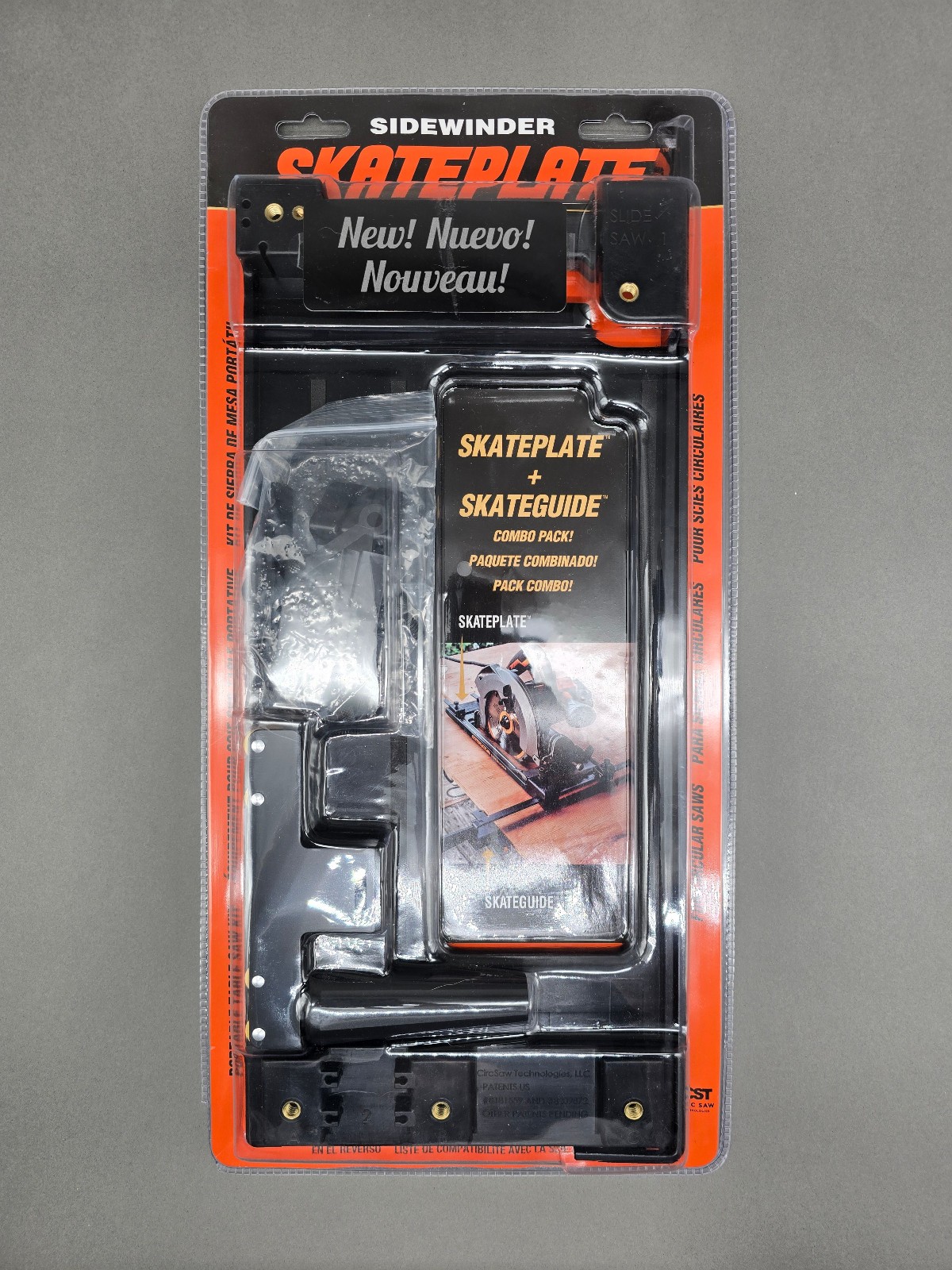
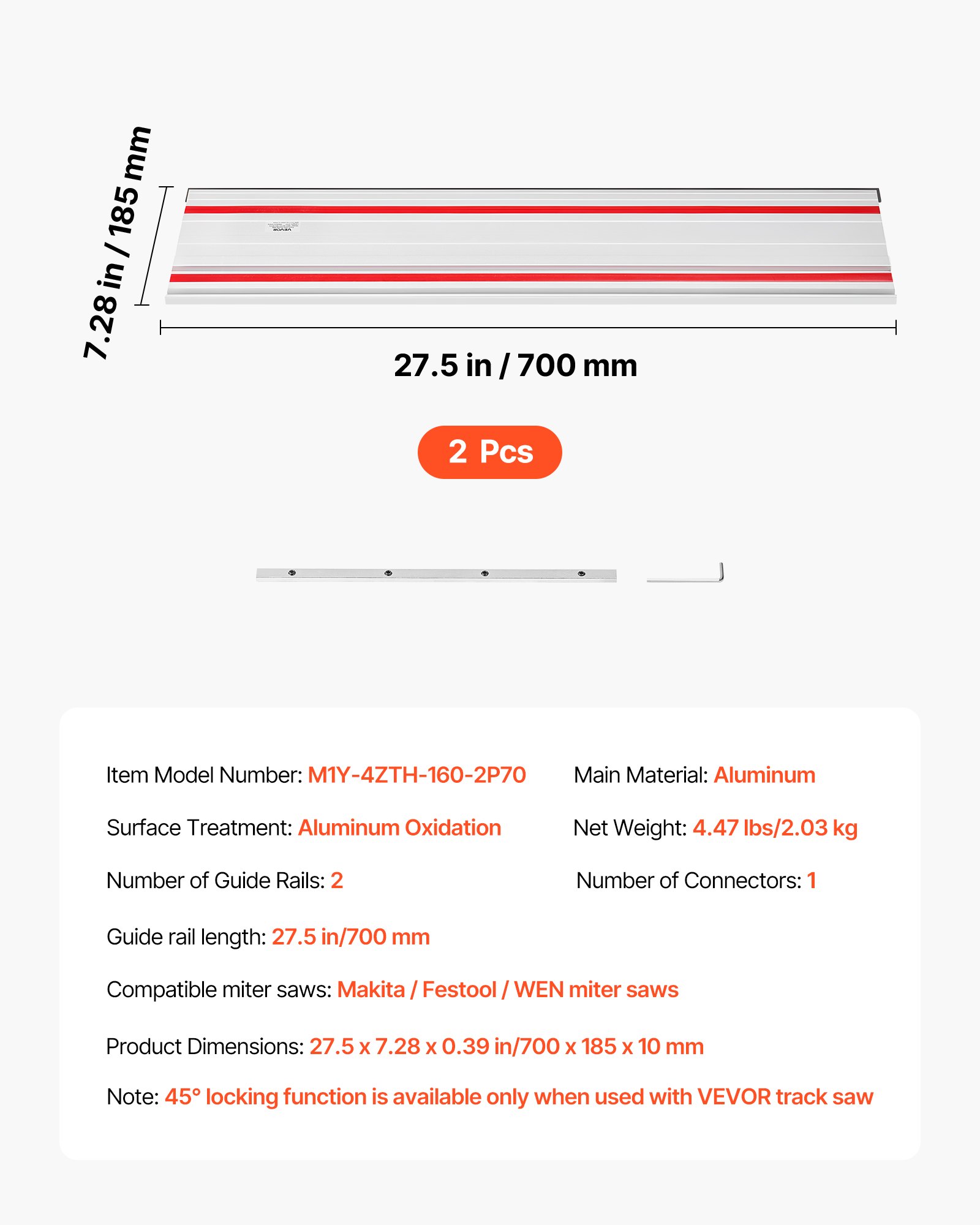
A circular saw with guide rail combines a handheld saw's portability with track-guided straight cuts, but the critical trade-off is between a dedicated plunge-cut track saw and a sidewinder circular saw paired with an aftermarket rail. Dedicated track saws deliver true plunge action, riving-knife safety, and splinter guards for finish work, while sidewinder-plus-rail setups suit rough framing and sheet breakdown on a budget. Choose based on whether you need clean, repeatable cuts in sheet goods or fast dimensional lumber cuts.

Woodworking Saws & Planers

Straight

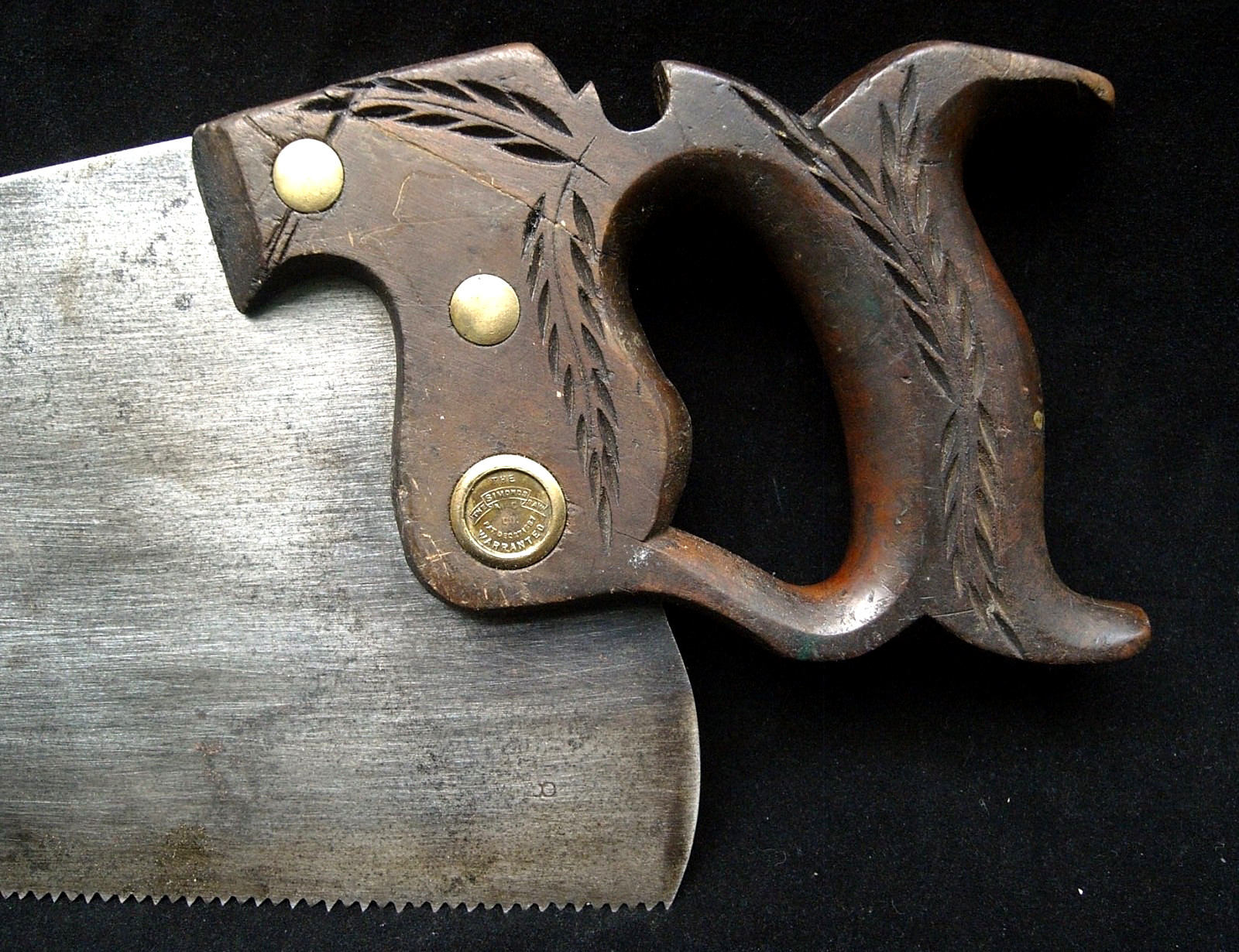
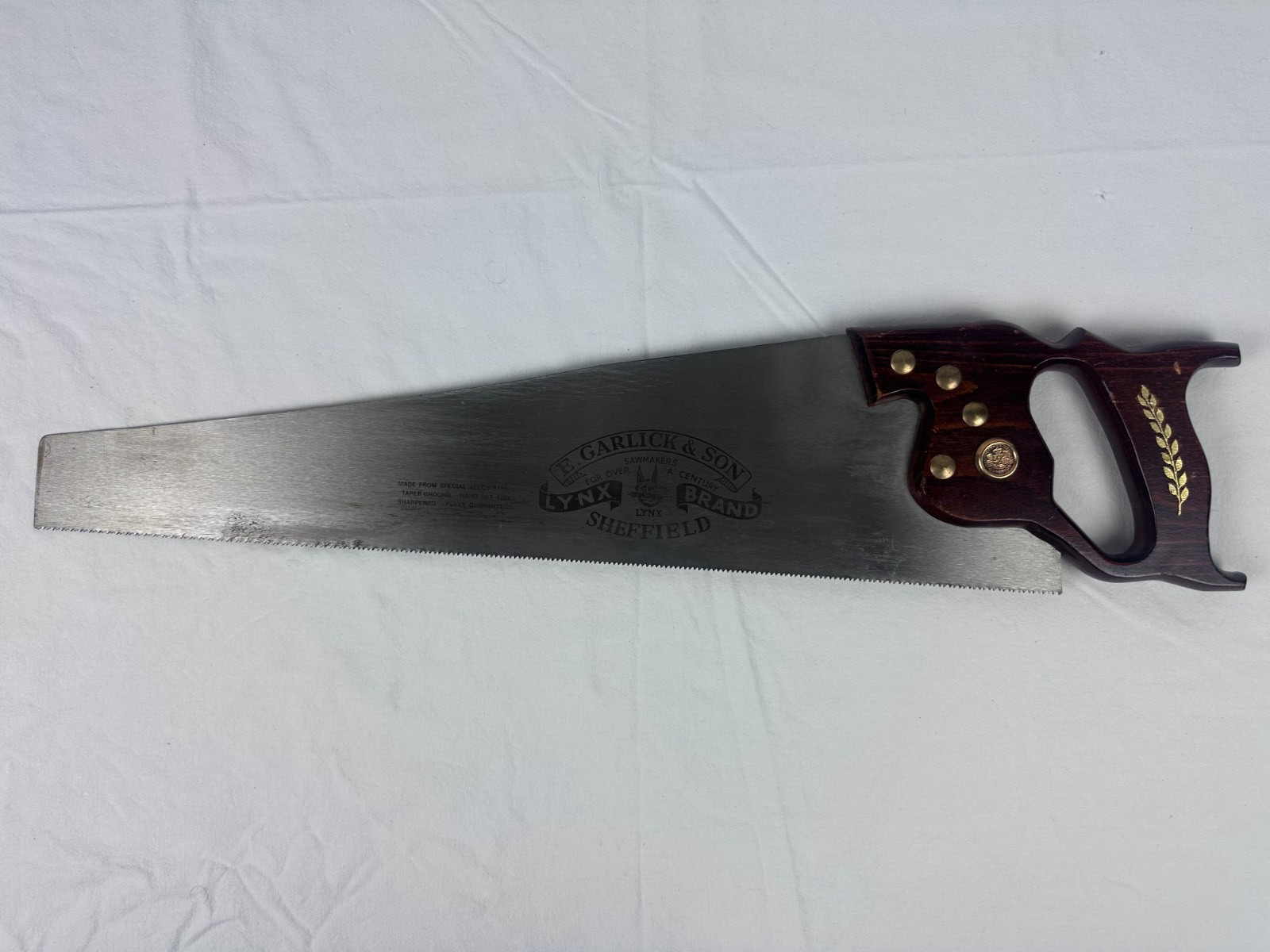
Straight woodworking saws and planers cover hand panel saws with straight backs and machines using straight-knife cutterheads, and the core trade-off is cut quality and setup speed versus cost and maintenance. Straight-knife systems are simpler, cheaper, and easier to sharpen, but they leave more tear-out and need more frequent knife changes than helical or spiral heads. The decision rule: buy straight-knife only if you work softwoods or painted stock and accept knife maintenance; choose helical/spiral for hardwoods, figured grain, or low-noise finishing.

Woodworking Clamps, Jigs & Joinery

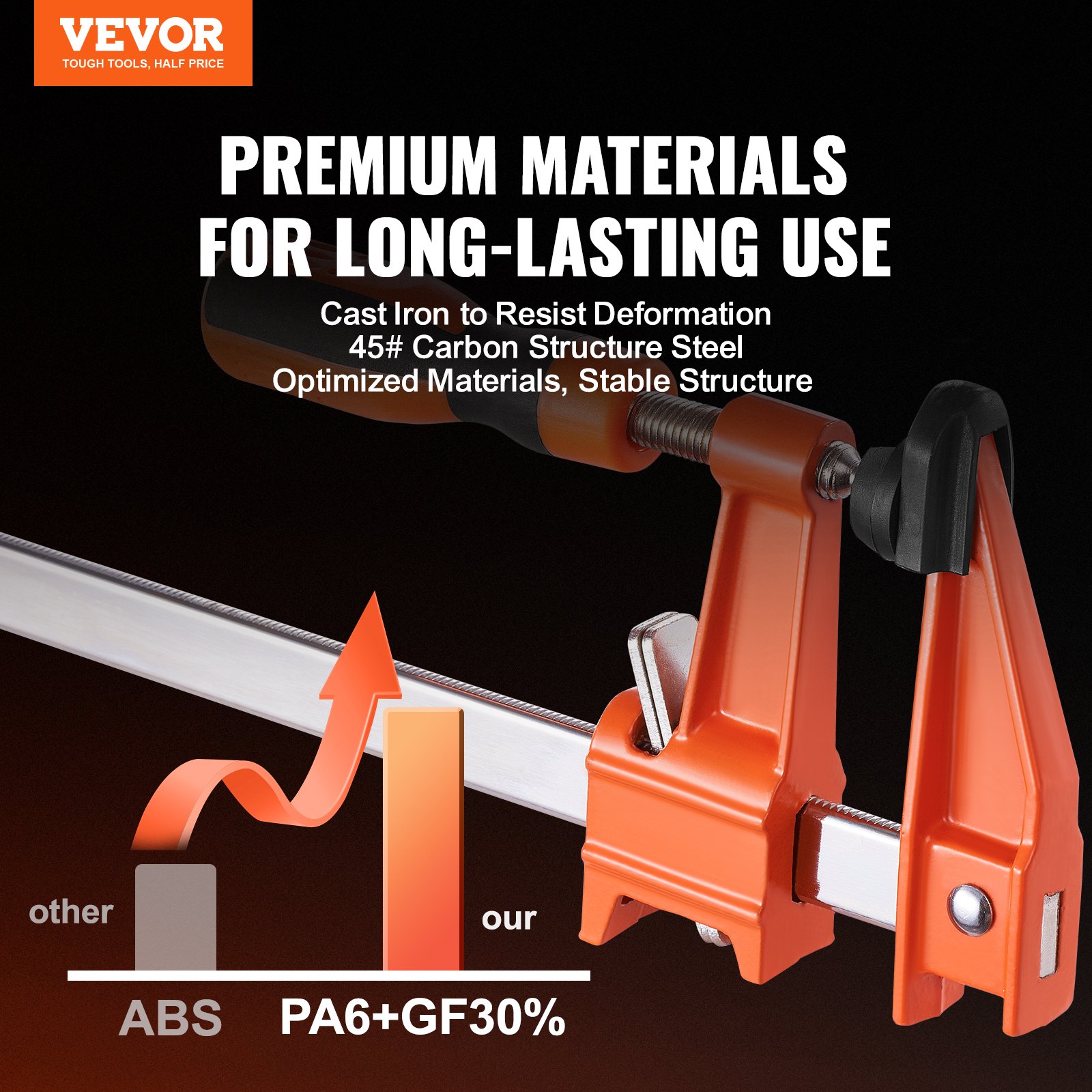
Quick Clamp

Compare current listings and seller terms before buying.

Woodworking Saws & Planers

Makita Saw With Guide Rail

A Makita saw with guide rail is a track-saw system that pairs a Makita plunge or rear-handle saw with an aluminum extrusion rail for straight, splinter-free cuts. The core trade-off is rail compatibility and saw power: Makita's own rails lock into the saw base with cams, while generic 55-inch rails rely on friction strips and require base adjustments. Buy the Makita saw that matches your rail system's generation and never mix rail brands without confirming the base groove width.

Woodworking Saws & Planers

Miter

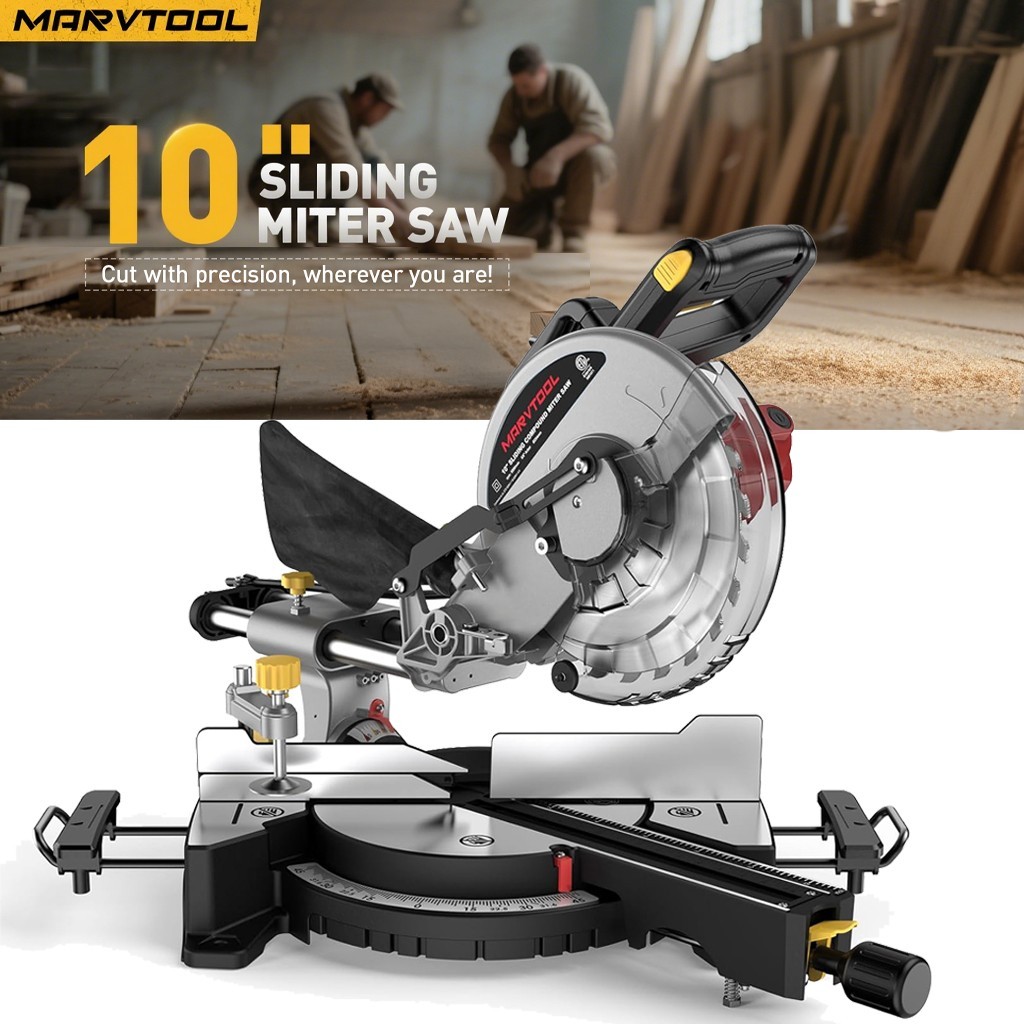
Miter saws are the precision crosscut and angle-cutting workhorses of woodworking, with the core trade-off between a compact single-bevel 10-inch sliding saw and a larger dual-bevel 12-inch unit determining capacity, portability, and cut complexity. Buy a sliding compound model when you need crosscut capacity beyond 8 inches or compound bevels for crown molding; skip non-sliding or single-bevel-only saws only if you exclusively cut trim at 90 degrees. The clear rule: prioritize a sliding rail system and at least single-bevel capability for general carpentry, and step up to dual-bevel only if you routinely cut both sides of compound angles without flipping stock.

Woodworking Saws & Planers

Cross Cut

Compare current listings and seller terms before buying.

You may also like

Finding more guides for you…