DIY Tool Picks

DIY Tool Picks

Tools & Home Improvement Reviews & Buying Guides

Compare tools & home improvement by use case, features, trade-offs, price, returns, and seller terms before you buy.

Buying guides

Hand Tools

Heavy Duty Snap Ring Plier

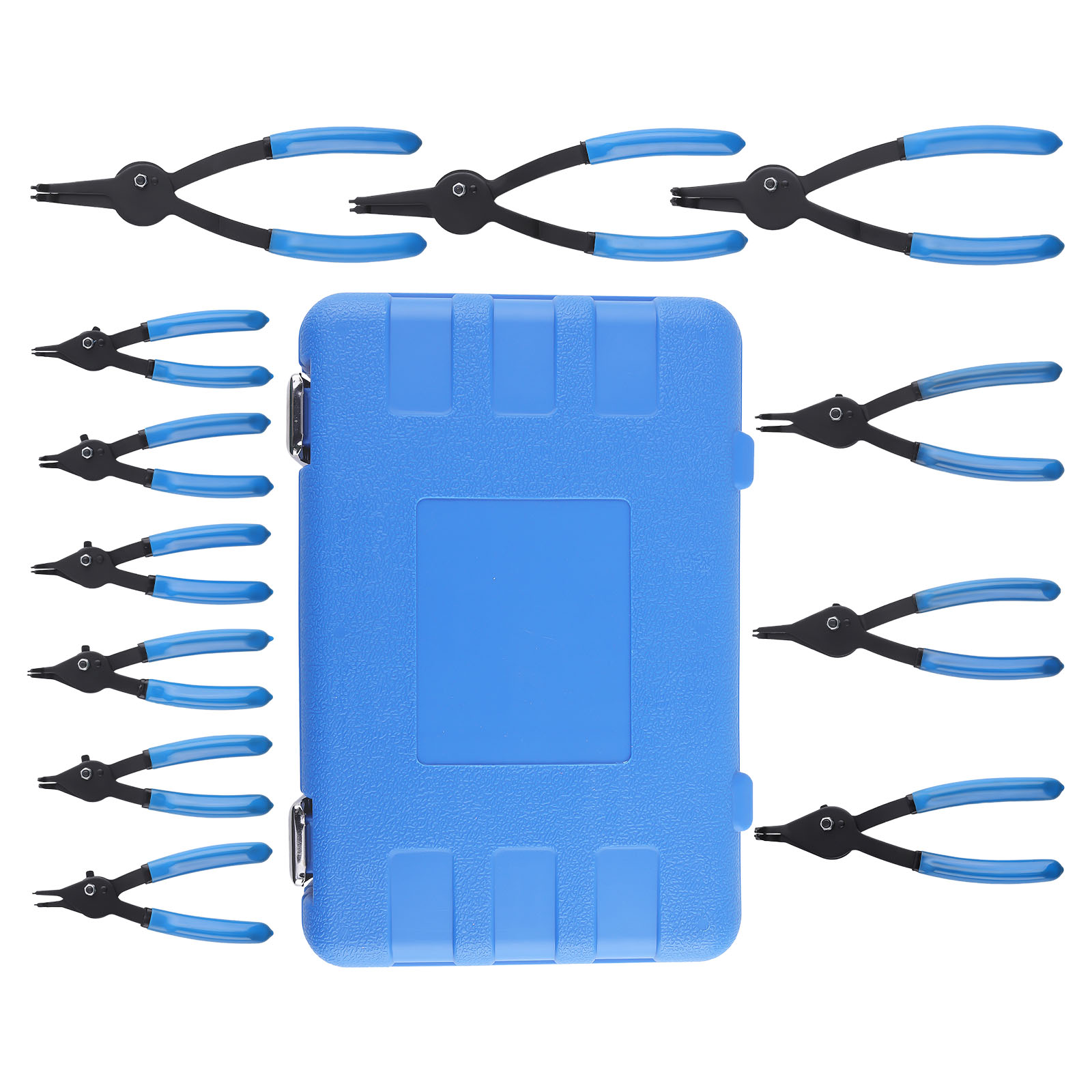
Heavy-duty snap ring pliers are precision hand tools engineered to compress or expand retaining rings under high spring tension without tip deflection or jaw fatigue. The core trade-off is fixed-tip simplicity versus interchangeable-tip versatility, with forging quality and tip hardness separating tools that survive daily shop use from those that cam out or snap under load. Buy fixed-tip forged pliers for repetitive high-force work, and a convertible-tip set only for varied occasional jobs.

Garage Storage

Outdoor Tool Storage

Outdoor tool storage covers the racks, holders, and freestanding organizers that keep long-handled yard tools off the floor and out of the weather. The core trade-off is static load capacity versus mobility and corrosion resistance—powder-coated steel racks hold heavy rakes and shovels, while wheeled or resin units trade some rigidity for portability and rust immunity. The decision rule: buy steel with a stated per-tier load rating and welded or bolted gussets for a fixed wall or floor station, and choose wheeled or resin construction only when the unit must move between garage, shed, and yard.

Hand Tools

Snow Shovel

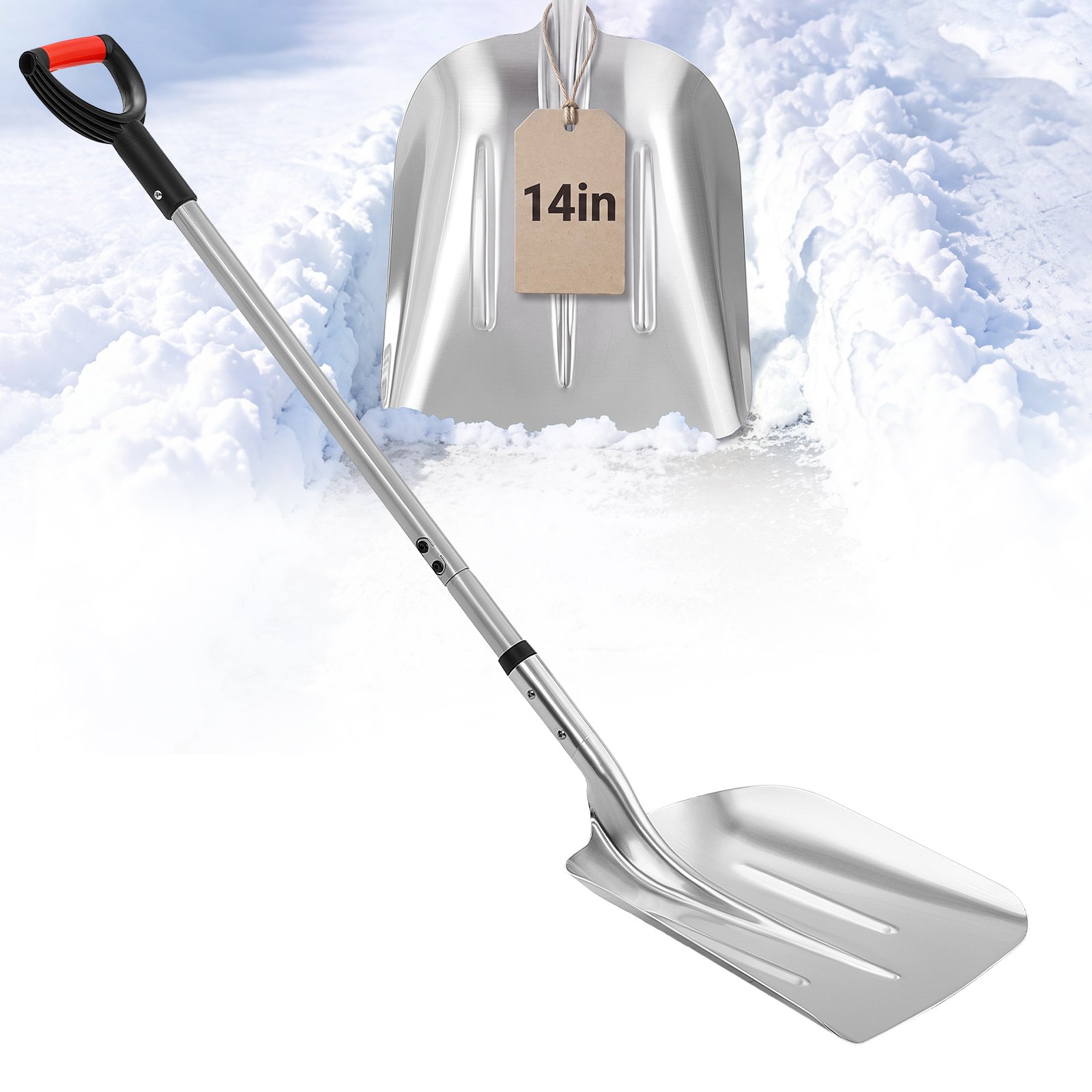
A snow shovel is a manual clearing tool whose core trade-off is weight versus blade rigidity: plastic blades are light and won't scratch decks but flex under heavy loads, while aluminum or steel edges bite into ice and pack without deforming. Choose a pusher for large flat driveways, an ergonomic handle for senior or back-sensitive users, and a compact aluminum car shovel for trunk storage — any split-handle light-duty plastic shovel is a compromise for deep, wet snow.

Soldering & Electronics Repair Tools

Electric Precision Screwdriver

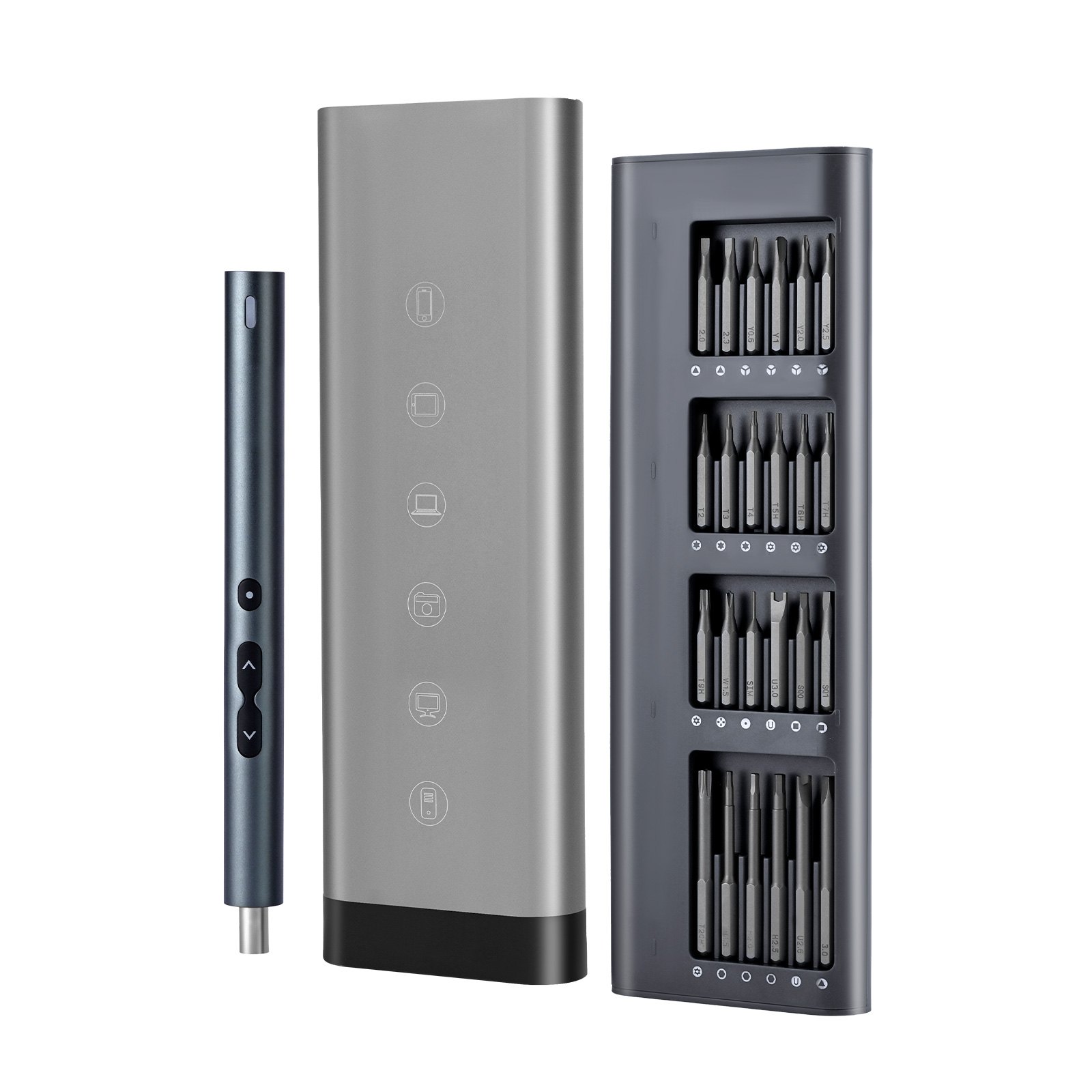
An electric precision screwdriver is a small battery-powered driver (typically 3.6–4.2 V) that delivers controlled torque for tiny fasteners in phones, laptops, and electronics. The core trade-off is motor/gearbox quality and bit steel grade versus raw bit count: S2 tool steel and a metal planetary gearbox define durability, while soft CR-V bits and plastic internals strip under load. The decision rule is simple: buy for torque control, bit hardness, and collet precision, not for the number of bits in the box.

Woodworking Saws & Planers

Circular Saw Cutting Guide

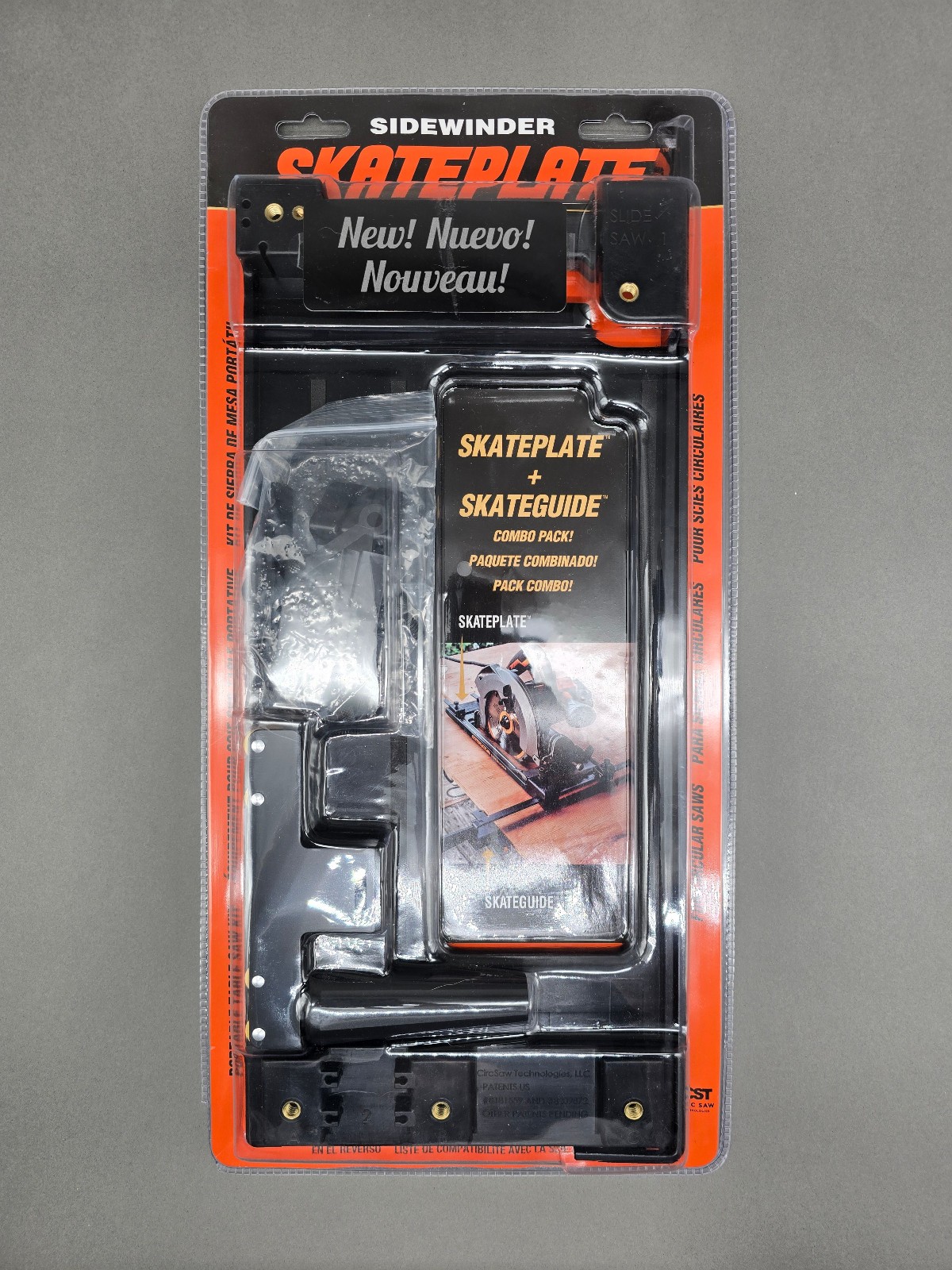
A circular saw cutting guide is a straight-edge system—either a dedicated guide rail or a clamp-on edge guide—that constrains a sidewinder or plunge saw to a precise line, eliminating freehand wander. The core trade-off is between a full plunge-track-saw system (rail + saw, best dust control and plunge safety) and a bolt-on guide for an existing sidewinder (cheaper but flex-prone and depth-limited). The decision rule: buy a dedicated track-saw system if you cut sheet goods weekly and need splinter-free edges; buy a clamp-on guide only if you already own a good sidewinder and cut under 2 ft of stock at a time.

Power Tools

Jack Hammer

Jack hammers are heavy-duty demolition tools that deliver high-impact blows to break concrete, asphalt, and masonry, available as corded electric or pneumatic units. The primary trade-off is impact energy versus weight and power source: electric models offer plug-and-play convenience but need high-amperage circuits, while pneumatic units demand a large compressor yet deliver relentless duty cycles. Decide by matching the tool's impact energy (joules) and beats-per-minute to your material thickness and runtime needs—skip underpowered 1500W-class units for sustained slab work.

Painting & Finishing Supplies

Touch Up Paint Car

Touch-up paint for cars is a small-volume, color-matched coating kit for repairing stone chips, scratches, and curb rash without a full panel respray. The decisive trade-off is between generic multi-surface paint (fast, cheap, poor color and gloss match) and vehicle-specific OEM-code aerosol or pen systems with clearcoat. Buy only when the color code is matched to your VIN tag and the product includes a separate clearcoat layer for metallic and pearl finishes.

Painting & Finishing Supplies

Touch Up Paint Rim

Touch-up paint for rims is a small-volume, color-matched coating used to conceal curb rash, stone chips, and scratches on alloy or steel wheels. The primary trade-off is between precise OEM color-match and film durability: generic multi-surface paints are convenient but rarely match wheel finishes or resist brake dust and UV. The clear decision rule is to buy a system with a verifiable color code and a compatible clear coat, not a single universal bottle.

Measuring & Layout Tools

Laser Tape Measure

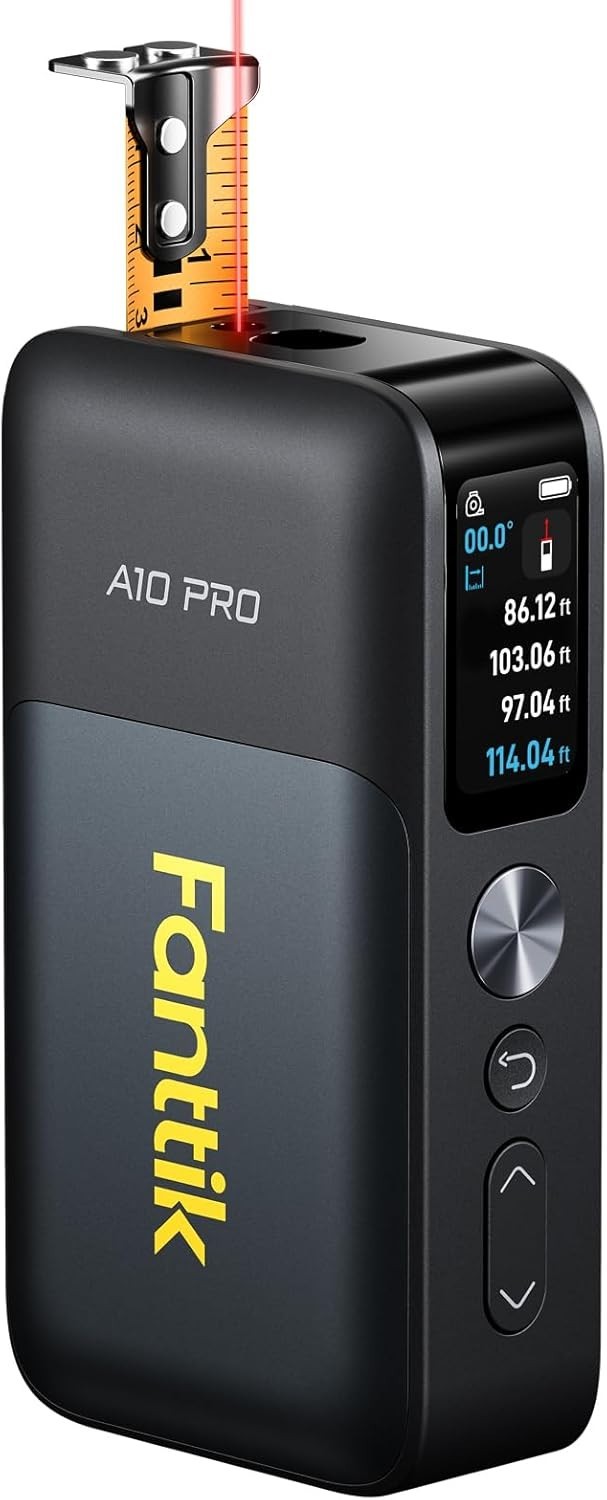
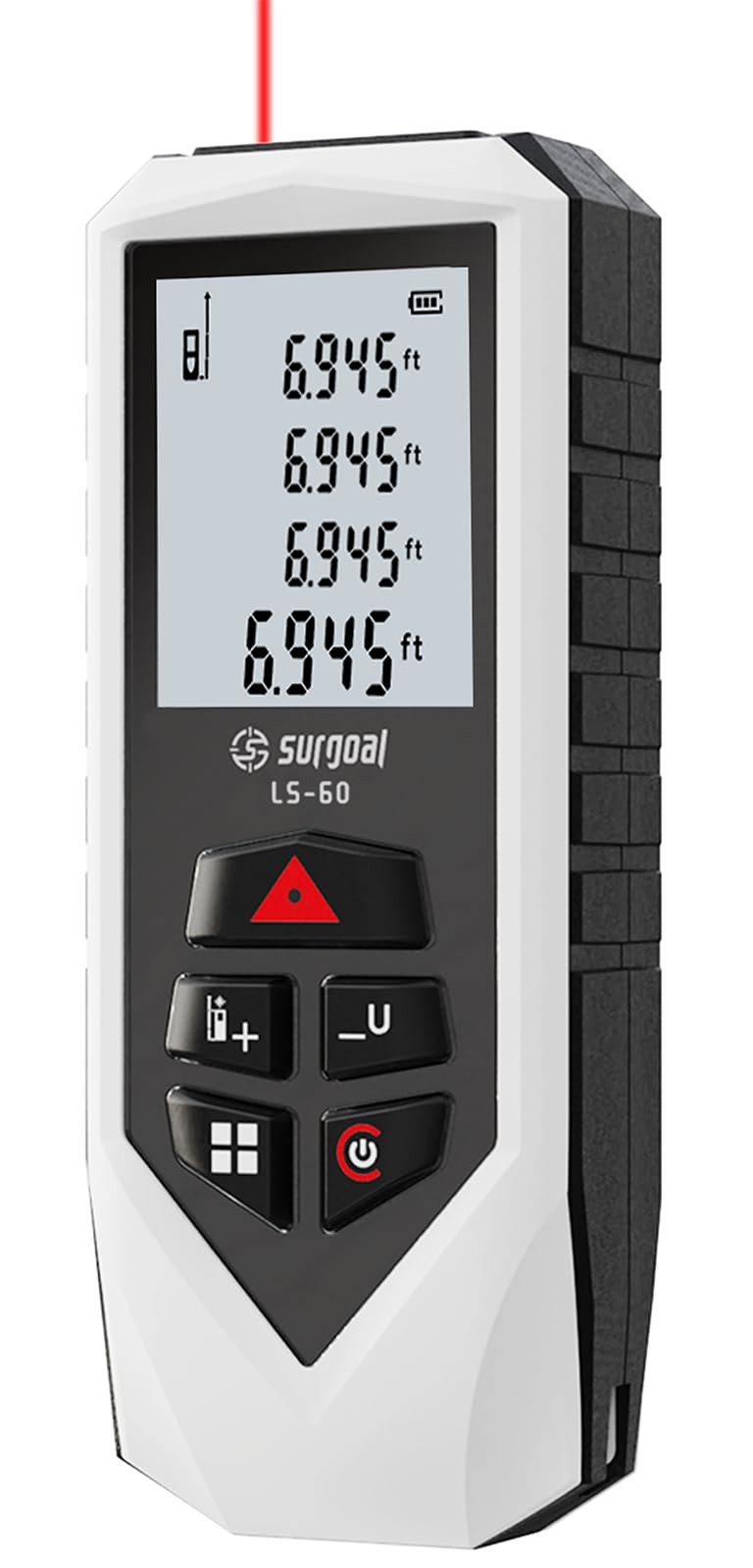
A laser tape measure replaces the physical blade with a Class 2 laser diode to capture distance, area, and volume instantly, while usually retaining a short physical tape for edge and short-span work. The core trade-off is measurement accuracy (±1/16 in typical) and laser range (65–165 ft) versus display readability, battery type, and whether the unit includes a physical tape for code-compliant short measurements. Buy a dedicated laser meter with a backlit IPS display and rechargeable USB-C battery if you measure long spans daily; buy a 2-in-1 digital tape with a stubby physical blade only if you need both modes in one pocket-sized tool.

Painting & Finishing Supplies

Touch Up Paint

Touch-up paint is a small-format repair coating designed to conceal chips, scratches, and scuffs on vehicle panels or painted household surfaces. The core trade-off is color-match method versus durability: factory-matched OEM codes and 2K clear-topcoat systems deliver invisible, long-lasting repairs, while universal brush bottles rely on approximate blending and softer resin that fades or washes out. Choose by application — vehicle OEM code match for cars, multi-surface enamel for furniture and trim — and treat generic 30 ml brush bottles as temporary cosmetic fixes, not structural panel repair.

Power Tools

Concrete Drill Bit

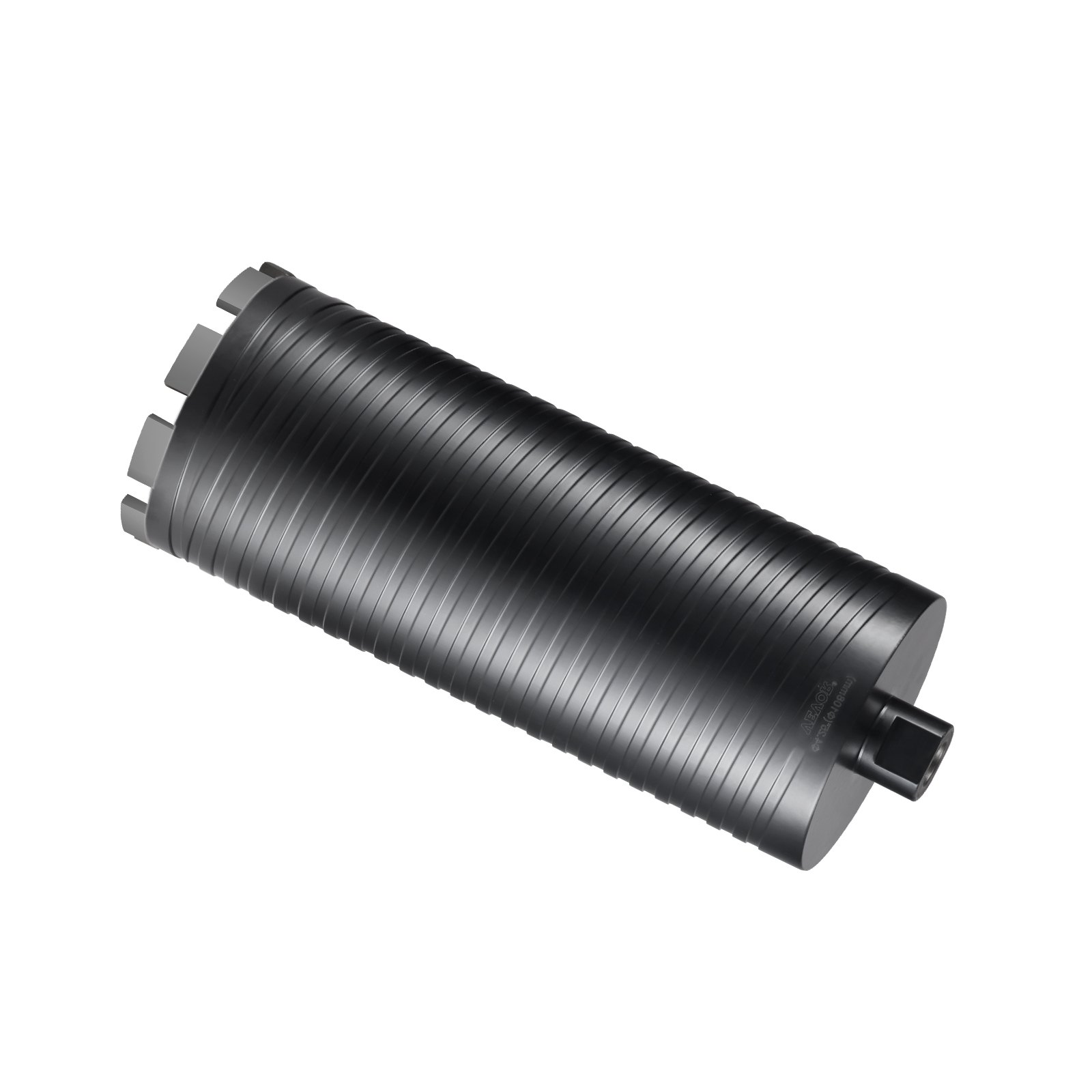
Concrete drill bits fall into two fundamentally different architectures: carbide-tipped masonry bits for light impact drilling, and diamond-impregnated core bits for large-diameter holes. The primary trade-off is shank compatibility versus drilling speed and hole size, so match the bit's shank system and tip grade to your drill's chuck and the concrete's aggregate hardness before buying.

Power Tools

Portable Metal Bandsaw

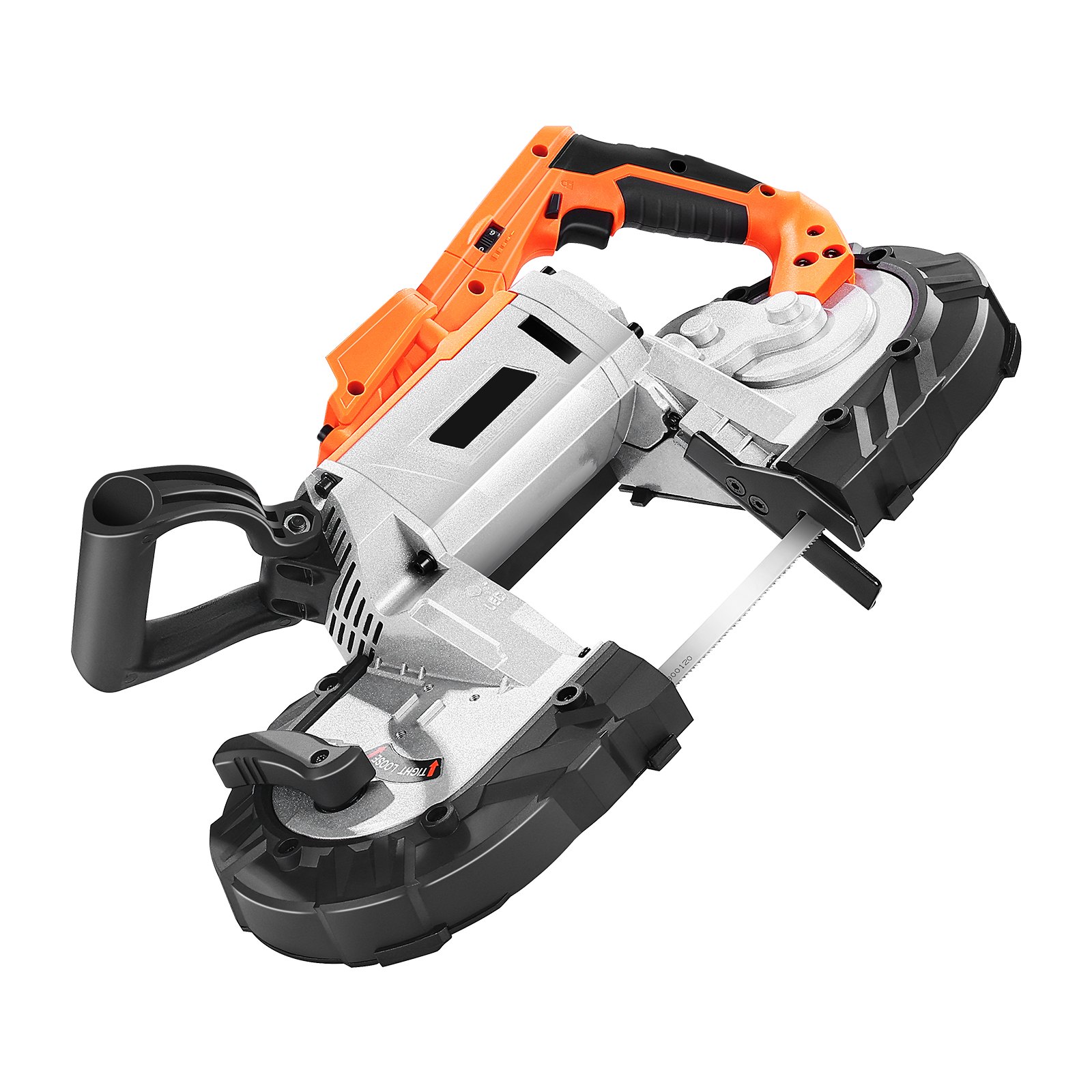
A portable metal bandsaw (portaband) is a handheld or benchtop-style saw that uses a continuous bi-metal blade to cut conduit, pipe, angle iron, and threaded rod with clean, low-spark cuts. The core trade-off is between corded AC power for continuous shop use and 20V-class cordless freedom for field work, with blade quality and cut capacity separating real metal-cutting tools from compromised multi-material toys. The decision rule: buy a brushless motor with a variable-speed range that reaches at least 120 m/min for mild steel, and skip any saw that lists a single fixed speed or a plastic blade-guide housing.

Hand Tools

Auto Dent Removal Tool

Auto dent removal tools are specialized hand tools that pull or push sheet-metal dents without repainting, and the primary trade-off is between glue-pulling systems for shallow, accessible dents and push-rod or slide-hammer systems for deeper or creased damage. Durable options use hardened steel rods, high-tensile glue tabs, and a controlled pulling mechanism, while compromises rely on soft plastic tabs, weak suction, or thin rods that flex under load. The clear decision rule: match the tool architecture to dent depth and panel access, then buy the highest material grade you can within that architecture.

Woodworking Saws & Planers

Miter Saw

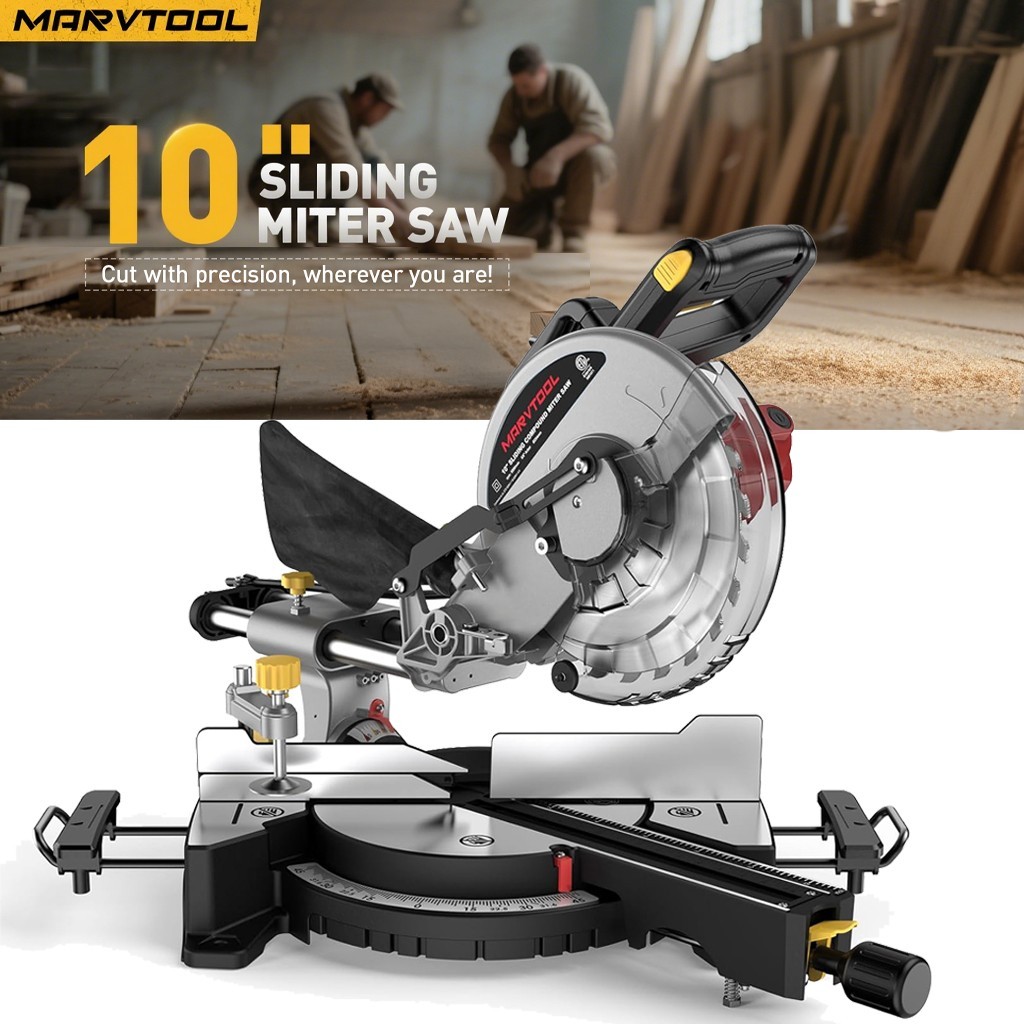
A miter saw is a dedicated crosscutting station: the blade swings across a turntable to cut accurate angles, with sliding rails expanding crosscut capacity on wider stock. The core trade-off is between a single-bevel, brushed-motor 10-inch slider and a dual-bevel, belt-driven 12-inch saw with a more rigid fence and detents. Buyers who cut trim, framing, and furniture joinery should prioritize dual-bevel capability and a cast-metal table; buyers doing occasional 2x4 blocking can stay with a compact single-bevel 10-inch unit.

Measuring & Layout Tools

Torpedo Level

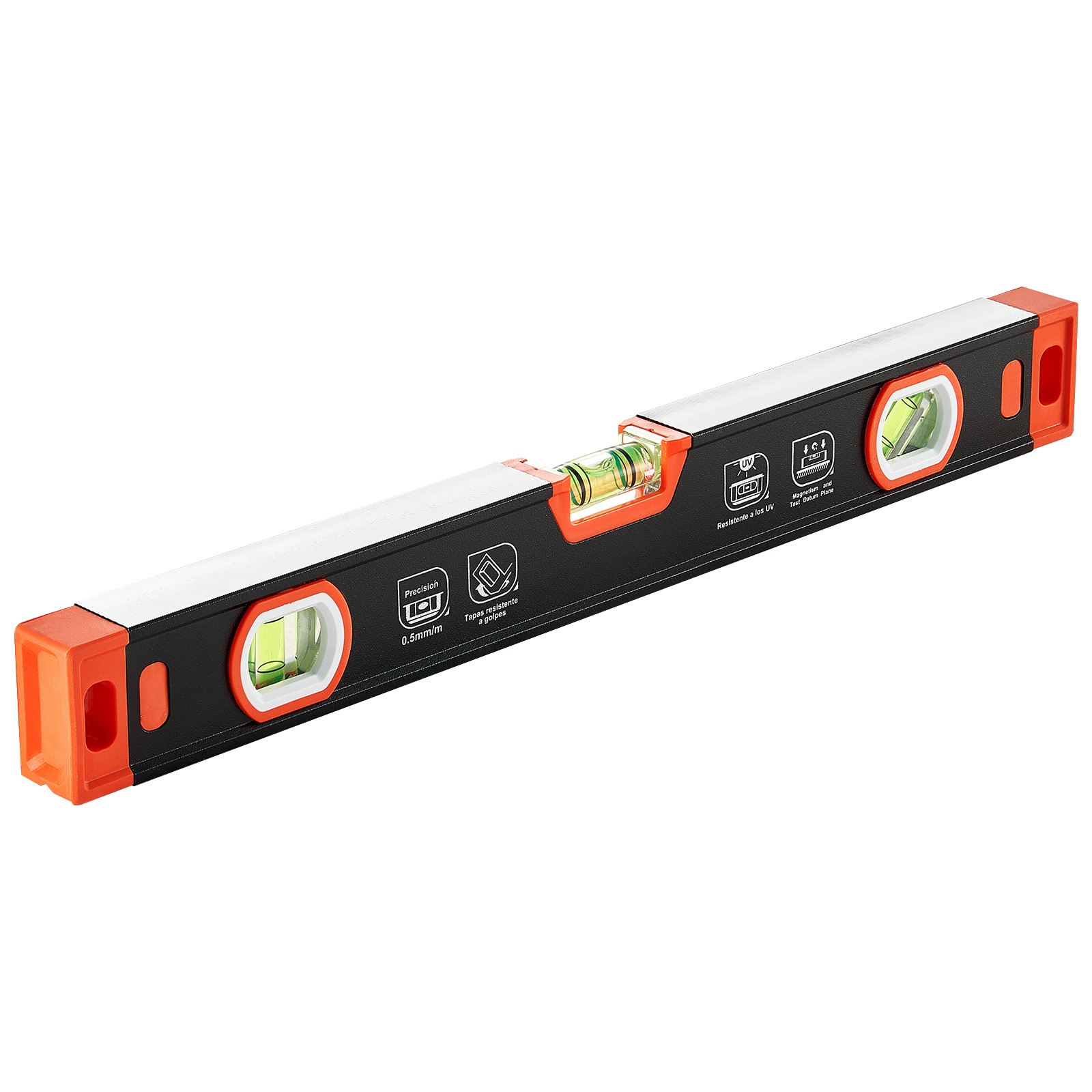
A torpedo level is a short (typically 9–12 in) spirit level with a V-groove base for pipe and conduit work and often a magnetic edge for steel studs. The core trade-off is vial accuracy and frame rigidity versus price: machined aluminum bodies with hand-calibrated acrylic vials hold tolerance, while stamped or plastic frames twist and lose accuracy after drops. Buy a machined aluminum frame with a milled V-groove and replaceable vials if the tool must survive jobsite abuse; skip plastic-bodied or non-adjustable models for professional plumbing, electrical, and steel-stud work.

Hand Tools

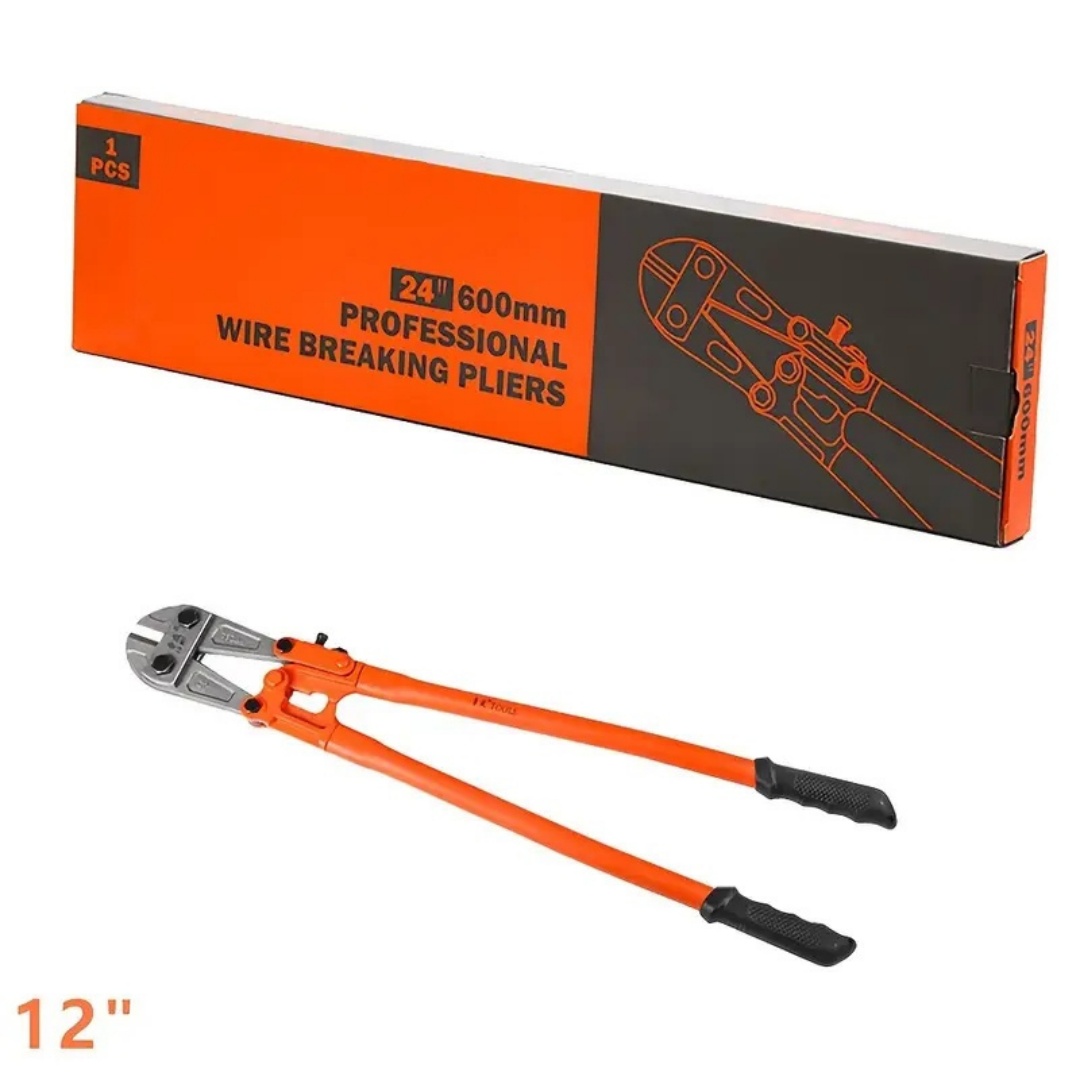
Bolt Cutter

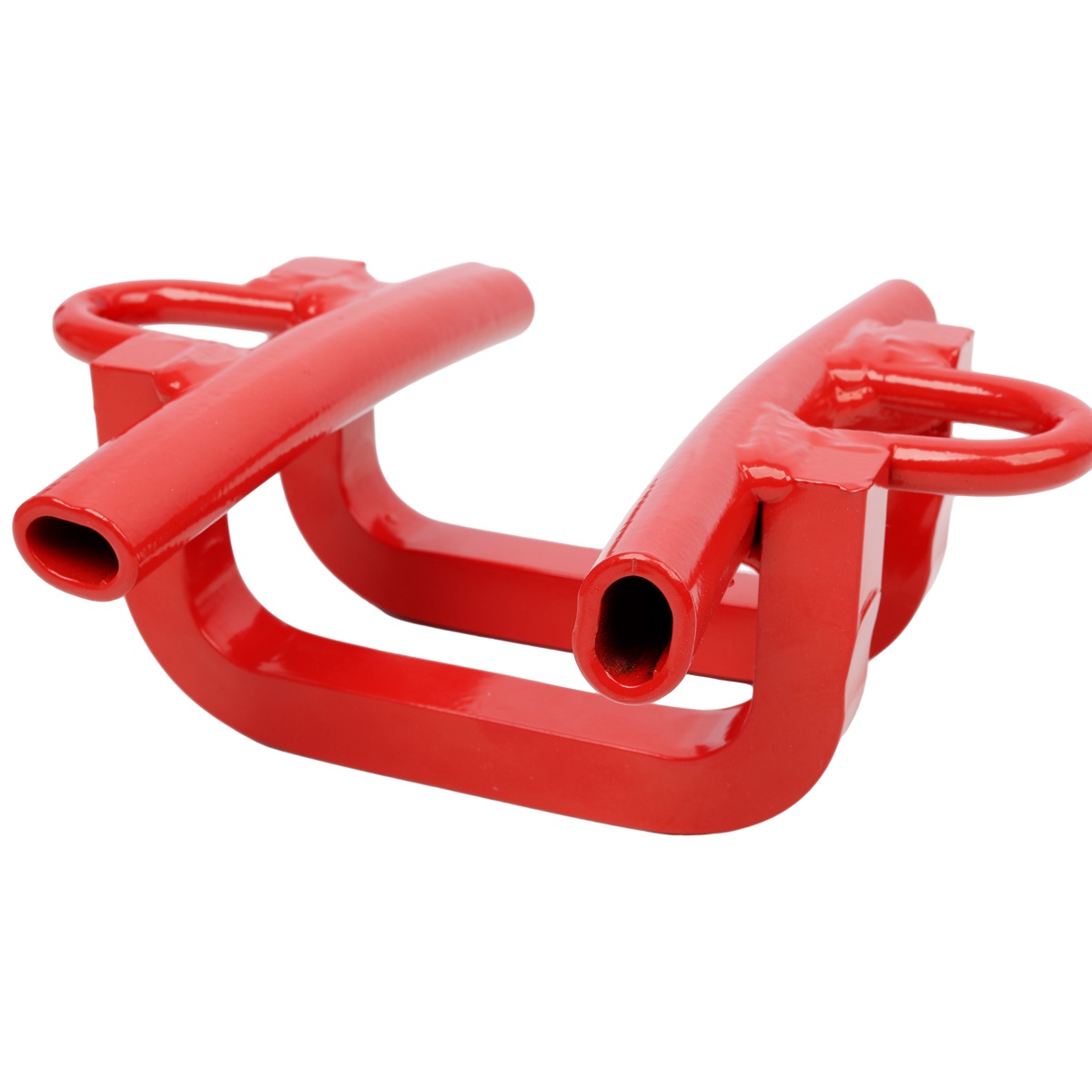
A bolt cutter is a compound-leverage shear that trades handle travel for multiplied cutting force, so the real question is whether the jaw steel and pivot geometry survive hardened chain and padlock shackles. Buyers face a three-way trade-off between jaw hardness, handle length, and cutter-head profile — and the decisive rule is simple: match the rated cut capacity and jaw hardness to the actual material, and refuse any cutter whose pivot is a rivet rather than a serviceable bolt.

Woodworking Saws & Planers

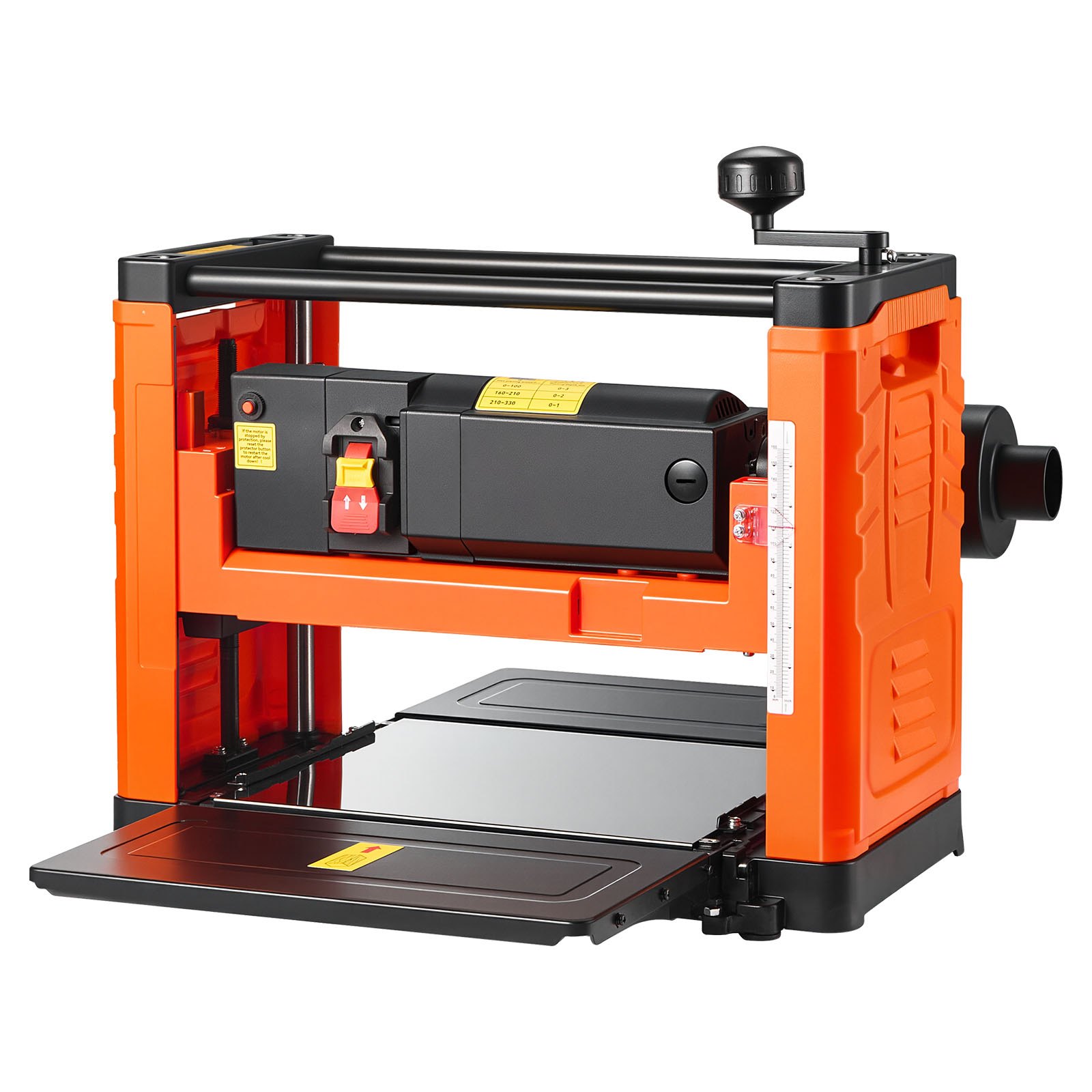
Benchtop Planer

A benchtop planer is a portable thicknesser that dimensionally mills boards to uniform thickness using a rotating cutterhead and powered feed rollers. The core trade-off is cutterhead architecture: two-blade HSS systems are cheapest but tear out figured grain, while spiral-style insert heads with carbide cutters deliver smoother cuts, lower noise, and replaceable edges at higher cost. Buy a spiral insert-head unit if you mill hardwood or figured stock; choose a two-blade only for softwood construction lumber and tight budgets.

Measuring & Layout Tools

Digital Tape Measure

Digital tape measures split into two architectures: pure laser distance meters (point-and-shoot, no physical blade) and 2-in-1 hybrid units that pair a laser module with a retractable steel blade for inside/outside and short-span work. The core trade-off is laser accuracy and range versus the need for a physical blade on reflective, outdoor, or short takeoff measurements. Buy a pure laser meter for long indoor spans and area/volume math; buy a 2-in-1 only if you routinely need blade contact measurements alongside laser.

Measuring & Layout Tools

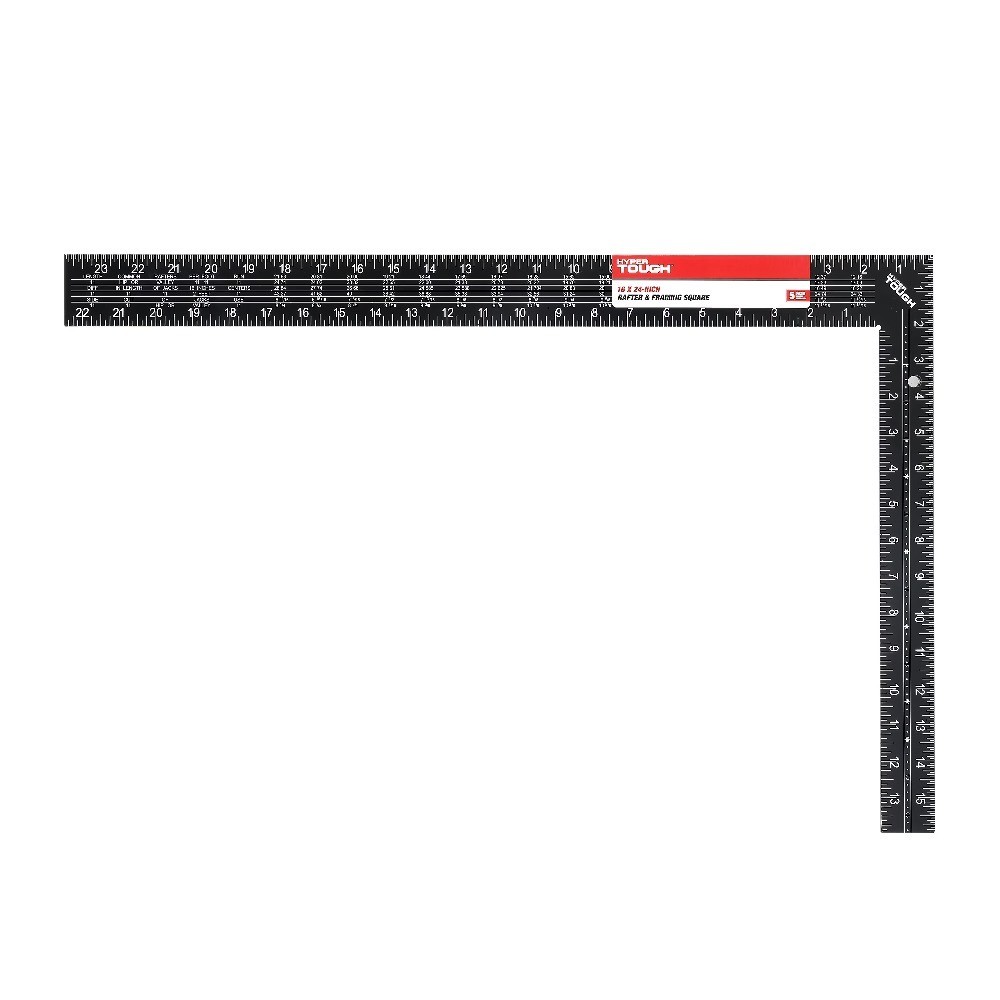
Square Measuring Tool

A square measuring tool is a rigid 90-degree reference for marking, verifying, and transferring angles in carpentry, layout, and fabrication. The core trade-off is stamped or folded sheet metal versus machined or forged solid stock: thin stamped squares flex and lose true over time, while thicker blade stock and hardened heels hold accuracy under load. Choose a solid-steel or aluminum square with a reinforced heel for daily framing; reserve folding or lightweight stamped squares for occasional layout and trim work.

Measuring & Layout Tools

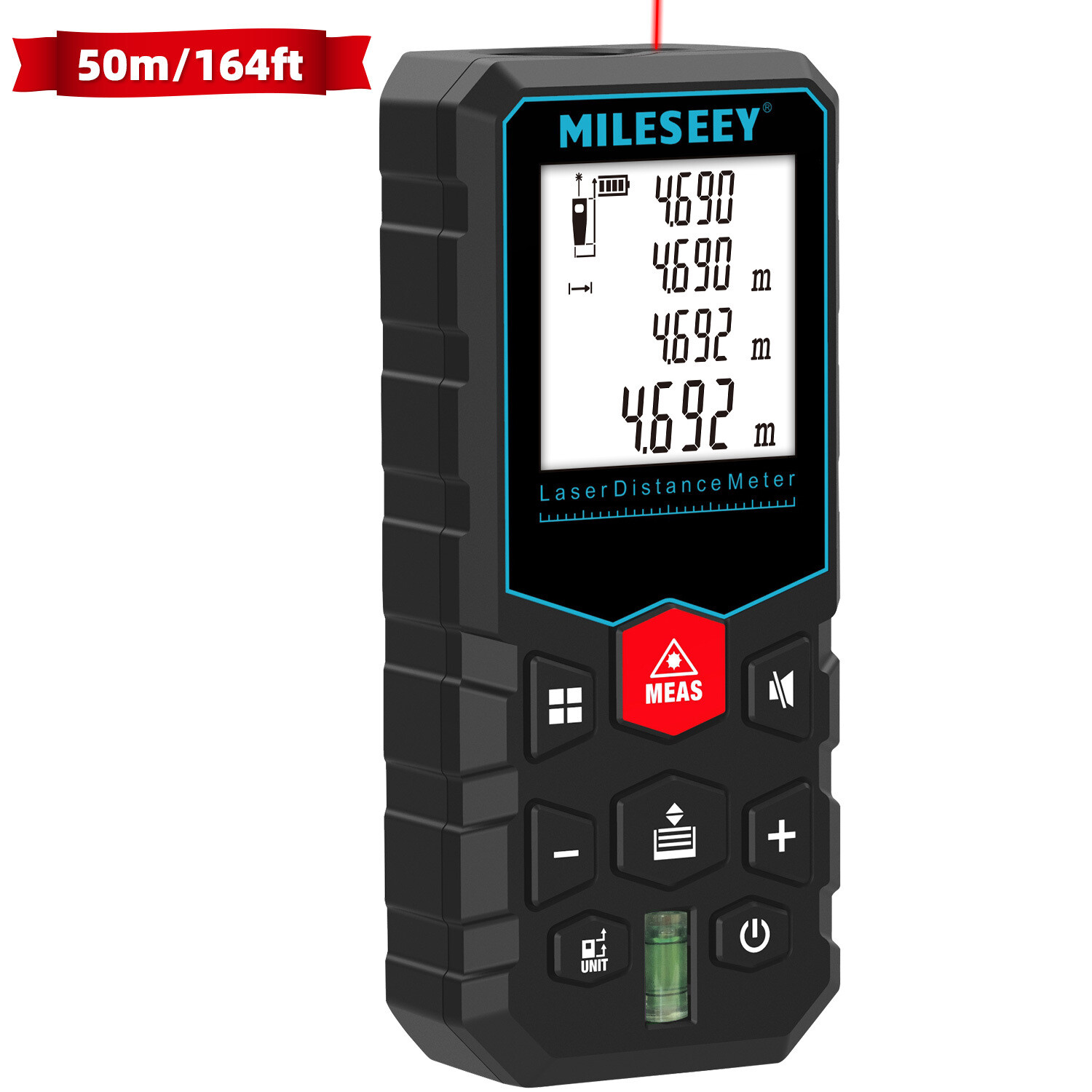
Laser Distance Measuring Tool

A laser distance measurer replaces the tape for interior point-to-point and area/volume work, trading a physical blade for a pulsed diode and optical sensor. The decisive trade-off is measuring range and accuracy class versus environmental robustness: short-range ±2 mm units are fine indoors, while outdoor or long-span work demands a target plate, a viewfinder, and a higher range tier. The rule: pick a name-brand laser with a documented accuracy class and a replaceable AAA or rechargeable pack; skip no-name units that omit the accuracy tolerance and lack a Pythagorean/area function.

You may also like

Finding more guides for you…