DIY Tool Picks

DIY Tool Picks

Tools & Home Improvement Reviews & Buying Guides

Compare tools & home improvement by use case, features, trade-offs, price, returns, and seller terms before you buy.

Buying guides

Workbenches & Shop Equipment

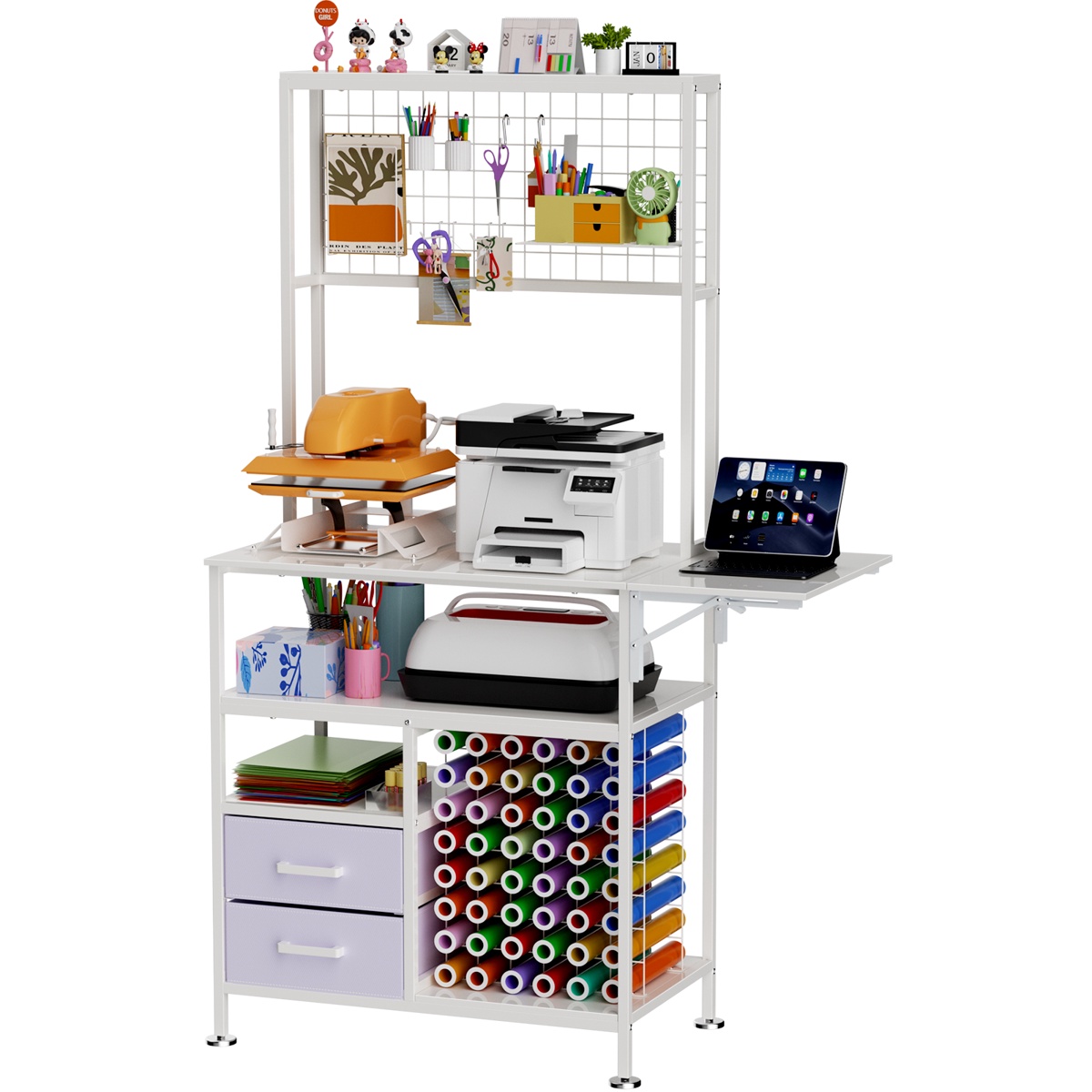
Foldable Workbench

A foldable workbench is a space-saving shop table that hinges or collapses for storage, trading permanent rigidity for portability. The key engineering trade-off is joint stiffness and top flatness versus fold convenience, so pick a bench with a triangulated steel frame and a thick laminated or solid-wood top if you need to saw and plane on it. Treat any bench whose folding mechanism doubles as its only leg bracing as a light-duty assembly table, not a hand-tool woodworking bench.
Workbenches & Shop Equipment

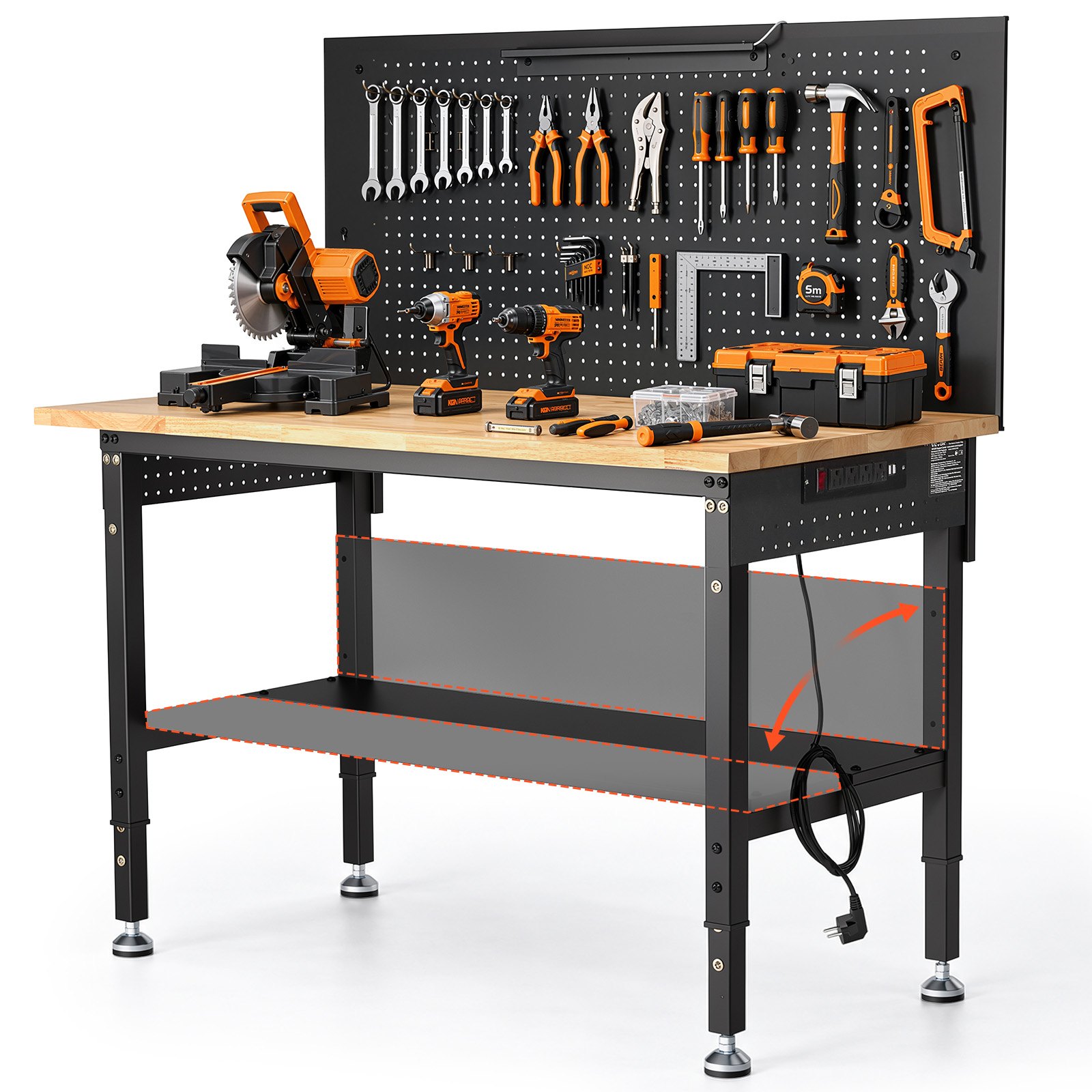
Heavy Duty Adjustable Height Workbench

A heavy-duty adjustable-height workbench is a load-bearing shop surface whose height adjusts to suit the task and user, typically rated 1,000–2,000 lbs with steel frames and hardwood or MDF tops. The core trade-off is between frame steel gauge/leg design for rigidity and the adjustment mechanism's load capacity and wobble resistance. Choose a welded or bolted steel frame with a mechanical pin or crank adjustment rated for the full load; skip particleboard tops and friction-lock height systems for serious shop use.

Woodworking Saws & Planers

Cordless Hand Planer

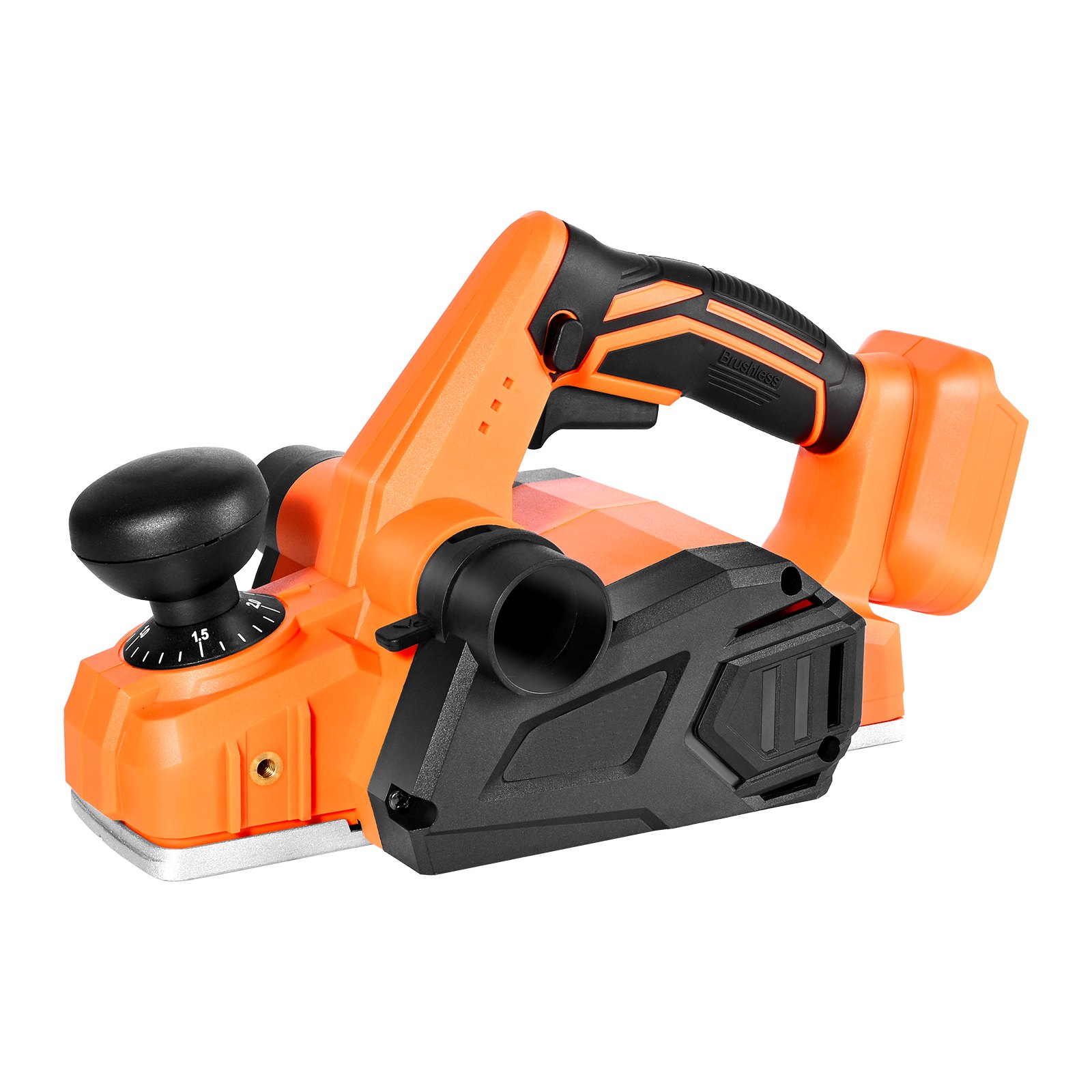
A cordless hand planer replaces the traditional bench plane for chamfering, scribing, and trimming doors or lumber on site, trading the unlimited runtime of a corded model for battery portability. The primary trade-off is battery platform lock-in versus bare-tool flexibility: planers with a 3-1/4-inch cut width and brushless motors deliver smooth, continuous cuts, while 2-1/5-inch models suit light trim and chamfer work. The clear decision rule: buy into a battery system you already own with a brushless motor and a 3-1/4-inch width for serious stock removal; choose a 12V or 2-1/5-inch model only for occasional chamfering and edge work.

Woodworking Saws & Planers

Track Saw Guide

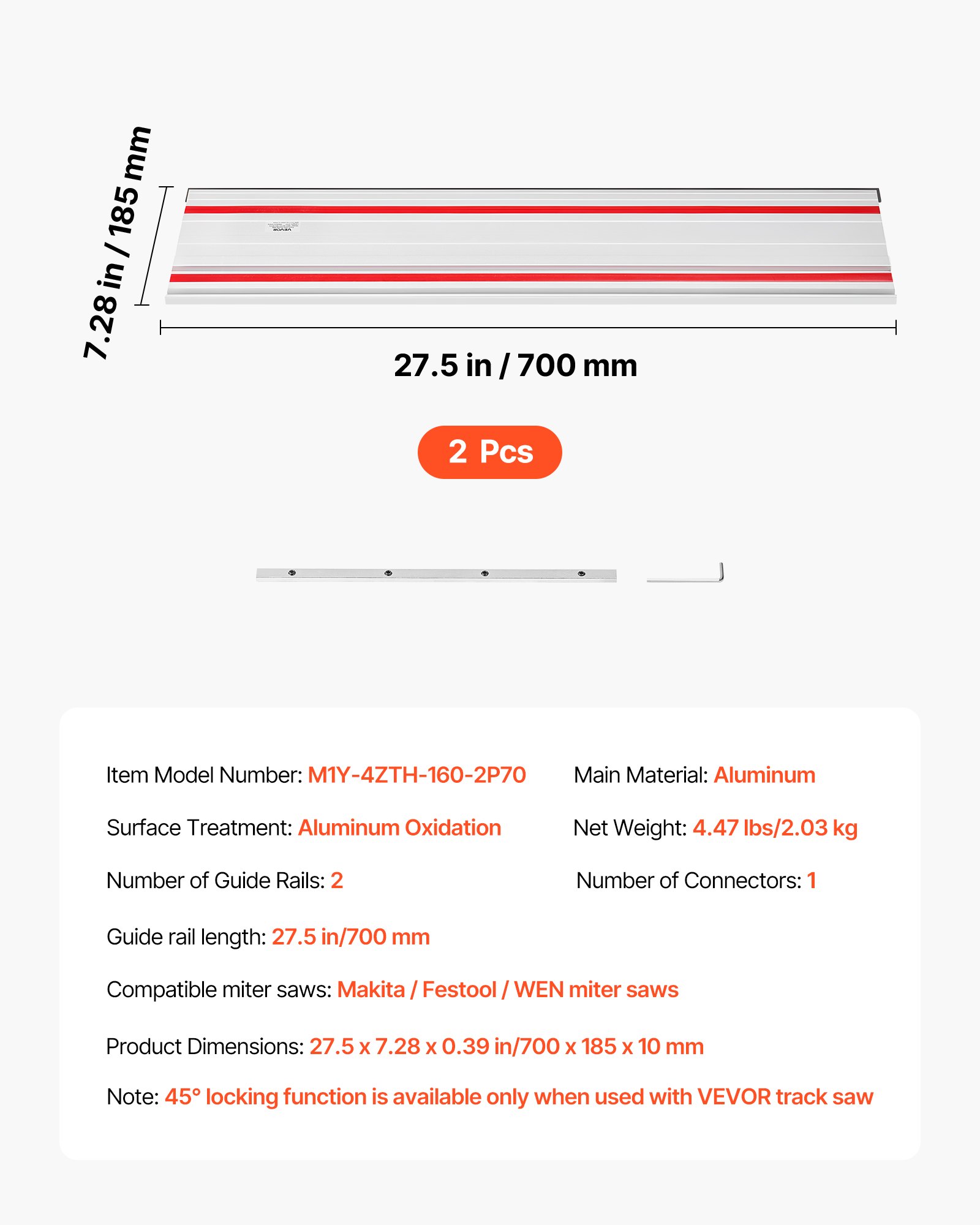
A track saw guide is an aluminum extrusion that constrains a circular saw or plunge saw to a straight, splinter-free cut. The key trade-offs are rail thickness and straightness, the saw's base-to-rail interface (Festool/Makita/WEN pattern vs proprietary), and whether you need portability or full-sheet capacity. Buy a saw-pattern-matched rail system with a splinter guard and anti-slip strips; skip generic rails without a replaceable splinter guard or saw-specific base key.

Soldering & Electronics Repair Tools

Electric Soldering Iron Kit

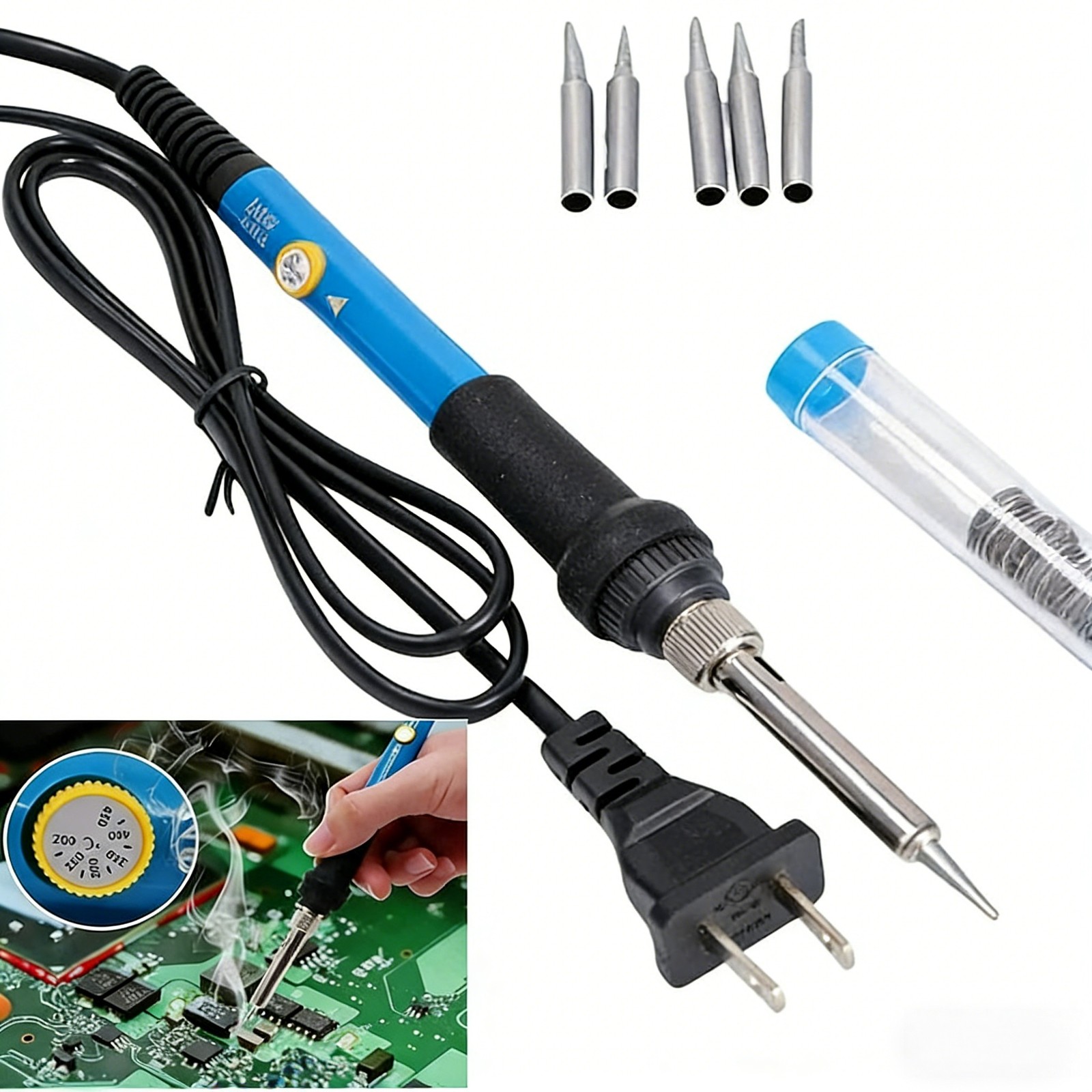
An electric soldering iron kit bundles a heating iron with essential consumables and hand tools, so the core trade-off is heater architecture and thermal recovery versus included accessory quality. Buyers should treat wattage as a starting point, not a spec: a regulated ceramic- or nichrome-element iron with a grounded tip and replaceable parts is durable, while unregulated high-watt pens with fixed tips are disposable compromises.

Flashlights & Headlamps

Magnetic Flashlight

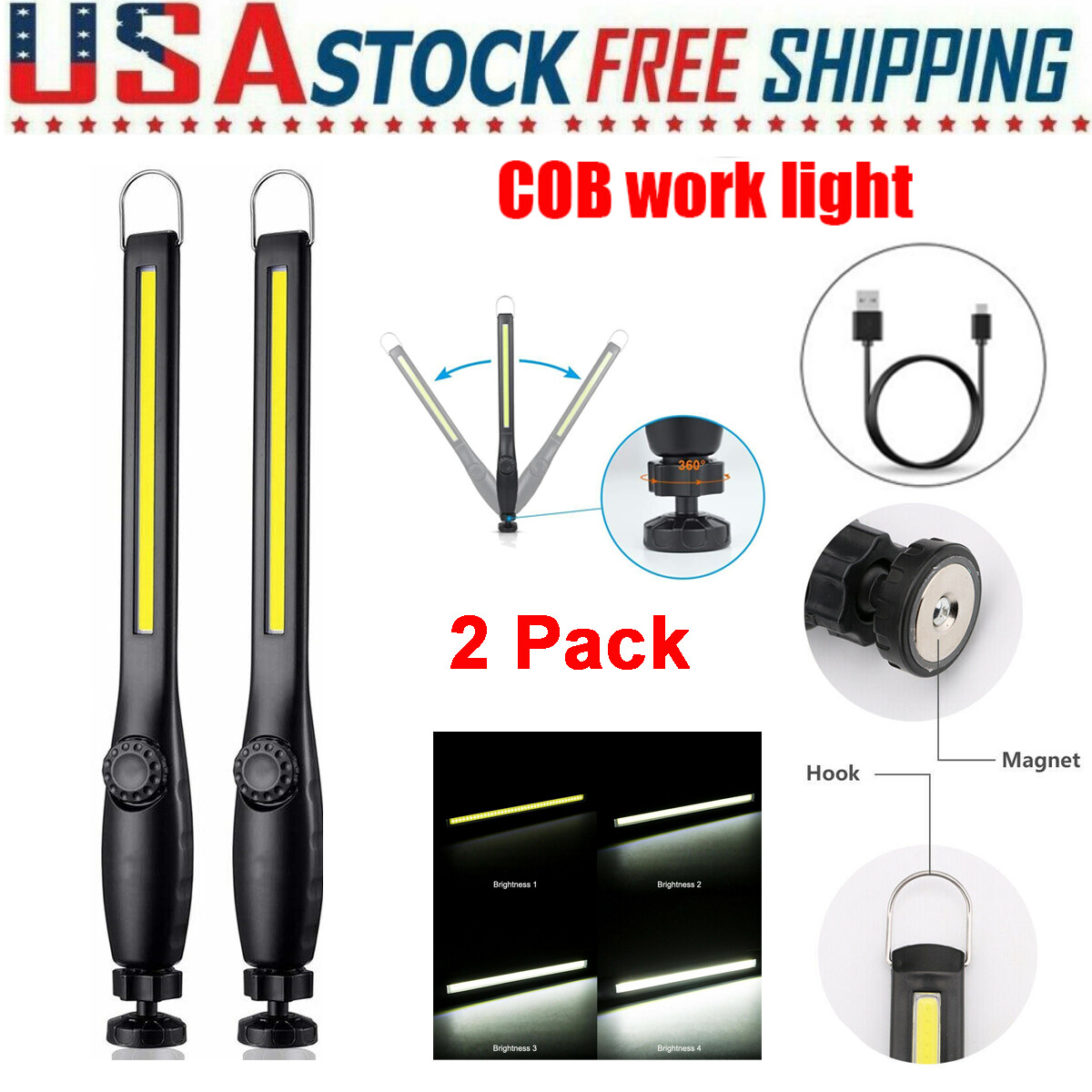
A magnetic flashlight is a handheld or work light with a magnetized base or body that clings to steel surfaces for hands-free illumination. The decisive trade-off is between magnetic hold strength and weight, plus whether the light uses a fixed lithium-ion cell or swappable AA/AAA batteries. Choose a neodymium-magnet model with a metal-reinforced base for durability; skip weak ferrite-magnet plastic lights that slide off vertical steel.

Electrician Hand Tools

Wire Crimp Tool

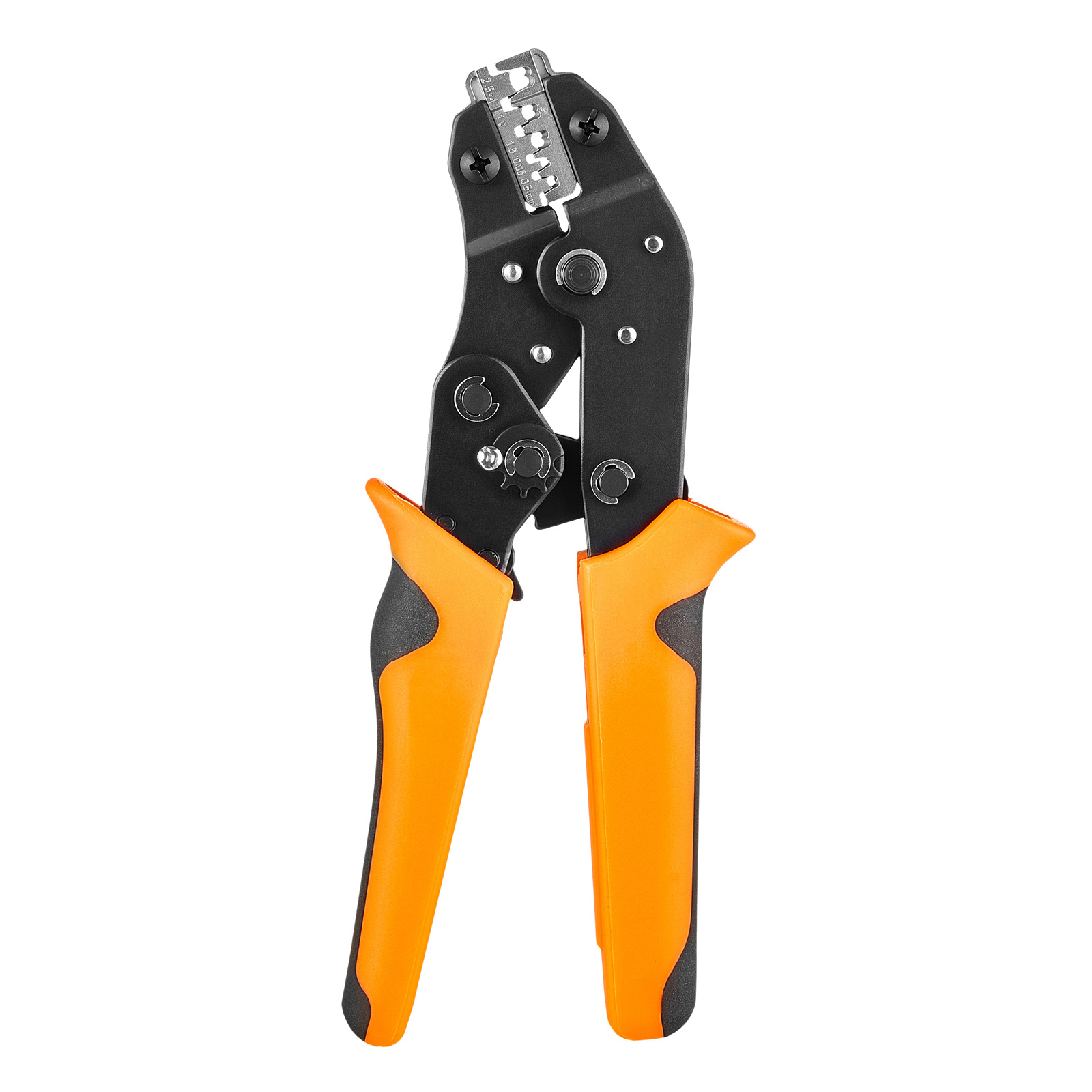
Wire crimp tools are the hand tools that cold-form a terminal or connector barrel onto a stripped conductor, and the decisive trade-off is ratcheting vs. non-ratcheting mechanism plus jaw geometry matched to the terminal family. Buy a ratcheting tool with hardened steel jaws and a full-cycle release for anything you need to trust; skip stamped-plate pliers-style crimpers and fixed-die tools with no pressure adjustment.

Workbenches & Shop Equipment

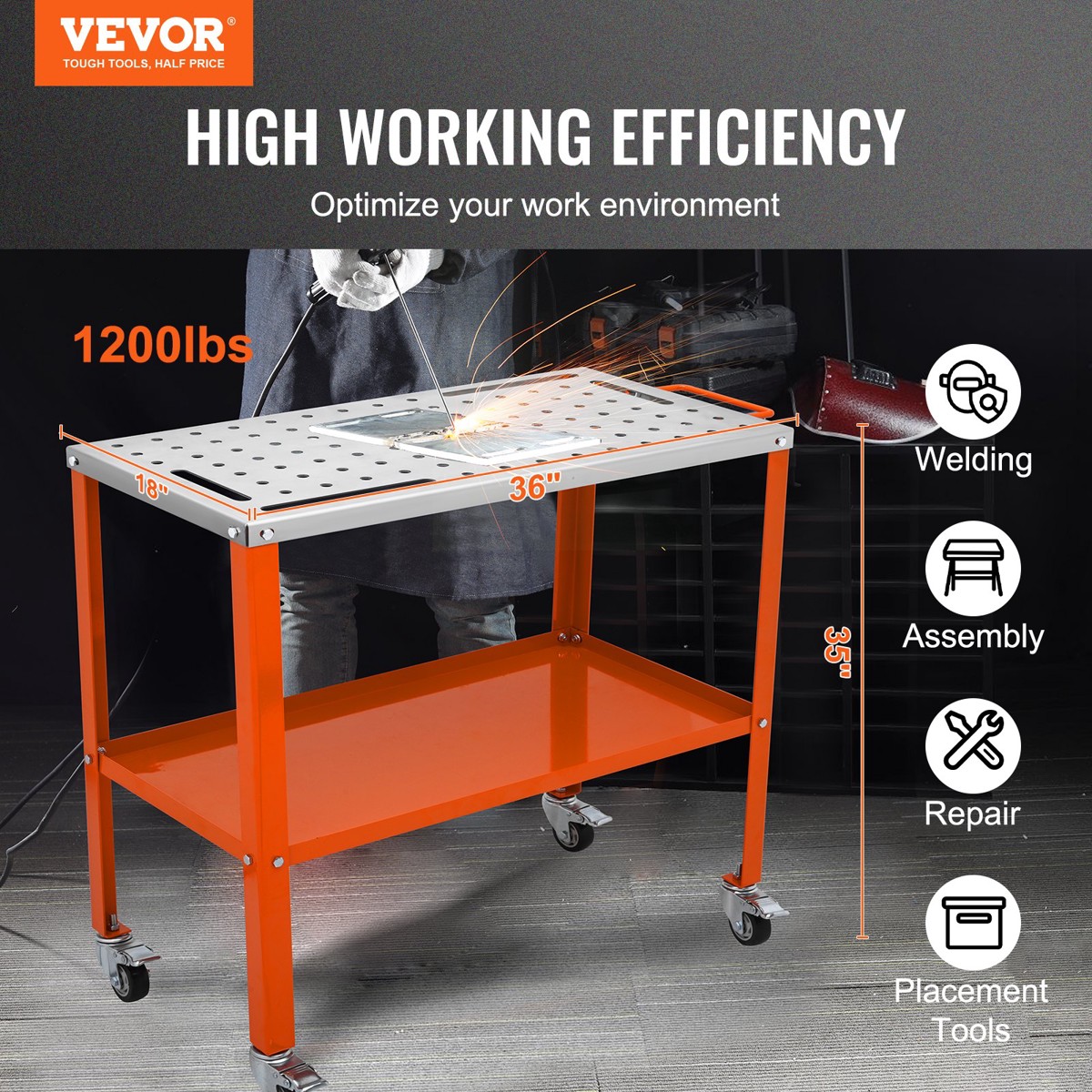
Portable Work Table With Wheel

Portable work tables with wheels bridge the gap between a stationary bench and a mobile assembly station, and the core trade-off is caster load rating versus frame rigidity—cheap casters and thin-gauge steel flex and flat-spot under load. The decision rule is simple: match total caster capacity to at least 1.5x your heaviest expected load, and demand locking casters with a steel or heavy-duty nylon wheel, not hollow plastic.

Power Tools

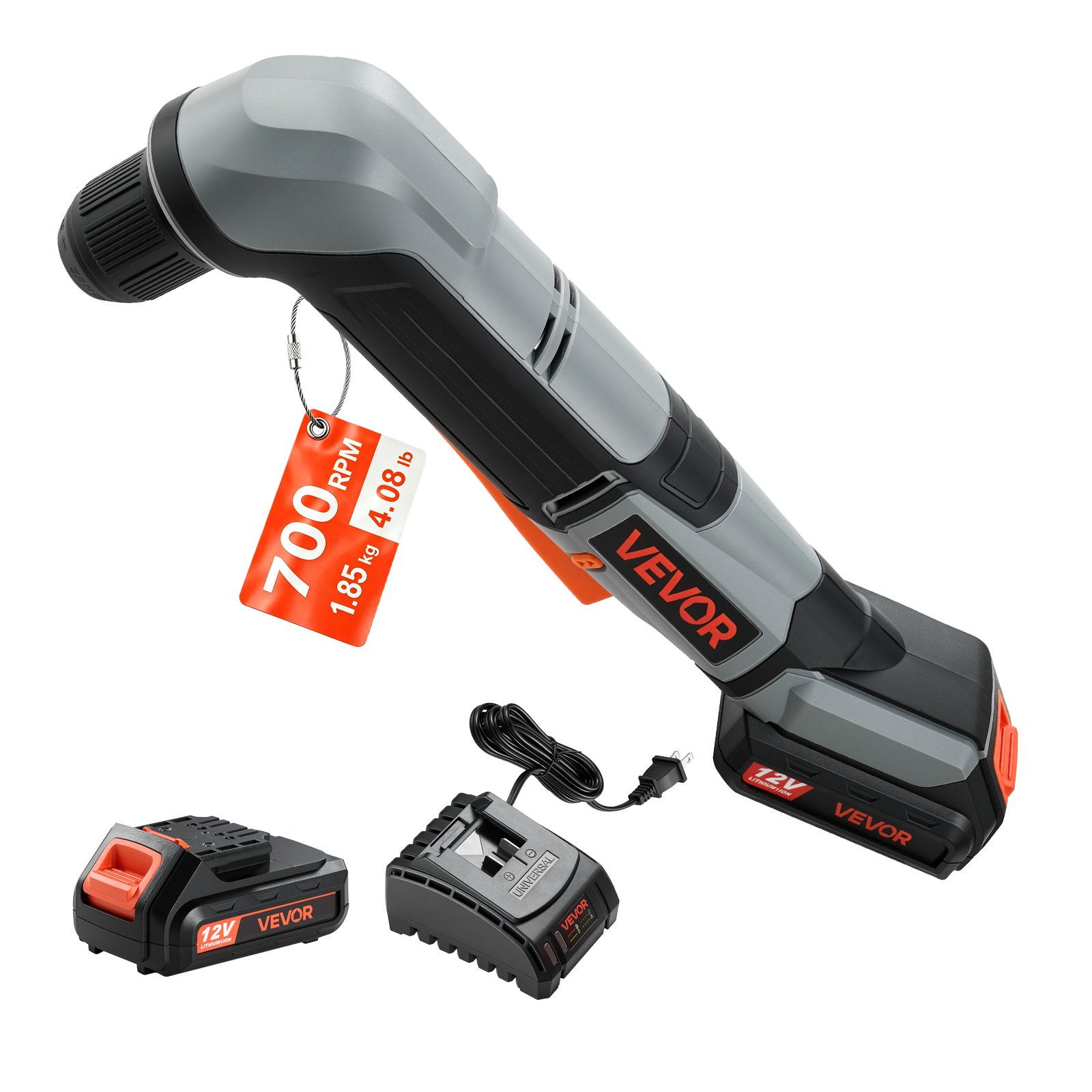
Right Angle Drill

A right angle drill is a compact, geared drilling/driving tool whose 90-degree head lets you work flush against studs, cabinets, and joists where a standard pistol-grip drill cannot fit. The core trade-off is head size and torque delivery: inline planetary-gear heads stay short but deliver lower torque, while offset/angle-head designs reach deeper but add bulk and cost. Buy a brushless, dedicated right-angle tool with a metal gearbox for repeated tight-space work; skip brushed, single-speed, or hex-chuck conversions for anything beyond light assembly.

Woodworking Clamps, Jigs & Joinery

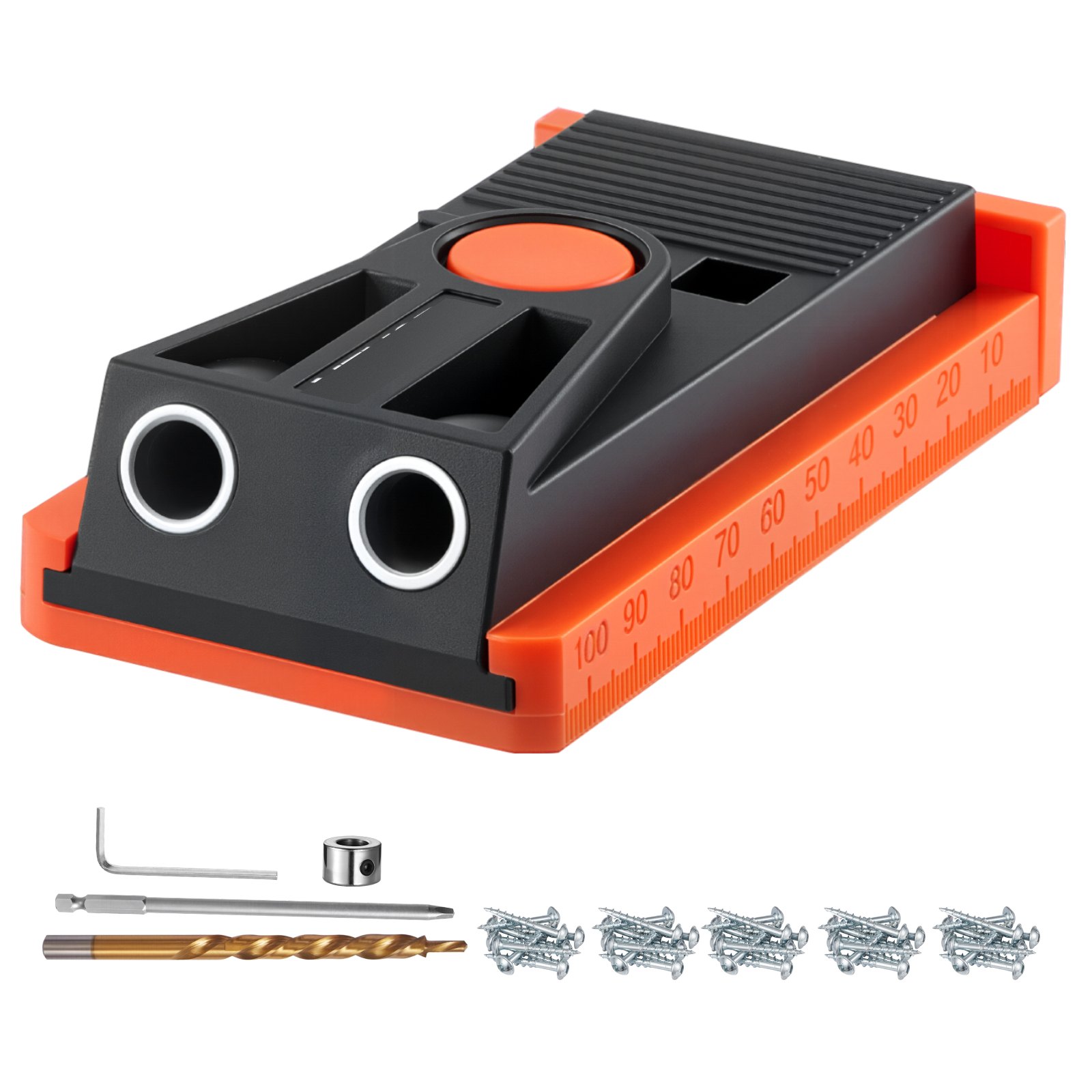
Pocket Screw Kit

A pocket screw kit pairs a drill jig with stepped bits, stop collars, and square-drive screws to cut angled pilot holes for hidden joints. The core trade-off is jig frame rigidity and clamping method versus price: nylon frames flex under load, metal frames hold tolerance, and integrated clamps beat separate C-clamps for repeatability. Buy a metal-bodied jig with a positive stop collar and matched bit if you build more than occasional projects; a nylon mini jig is fine only for light 1/2-inch stock work.

Power Tools

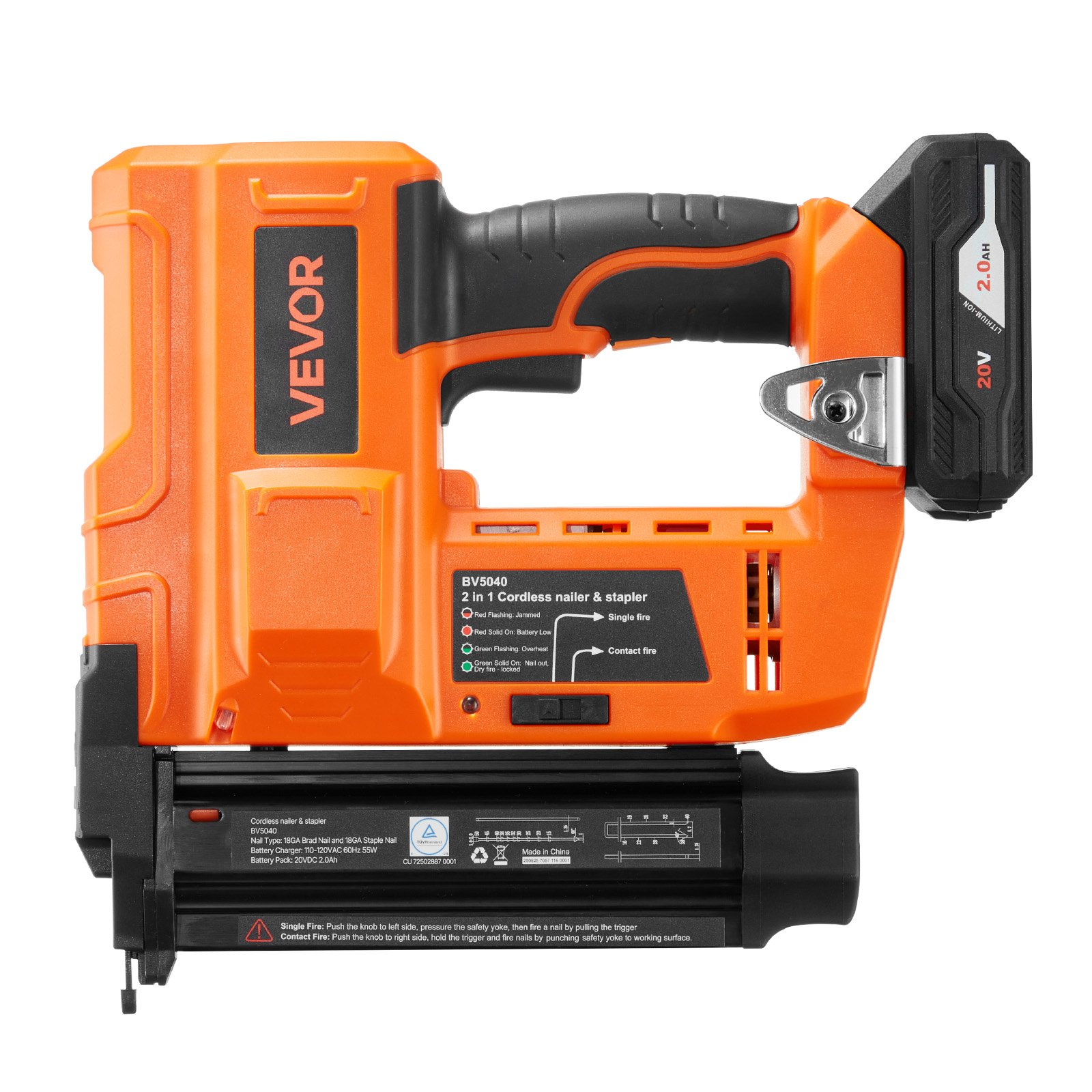
Battery Brad Nailer

A battery brad nailer is a cordless 18-gauge fastening tool for trim, casing, and light assembly where a compressor hose is impractical. The core trade-off is solenoid-driven speed and duty cycle versus flywheel-driven consistency and service life, and the decision rule is simple: buy a flywheel or brushless solenoid unit with a tool-free jam release and depth adjustment if you need repeated trim work, and skip low-cost single-solenoid kits priced as one-off DIY tools.

Power Tools

Cordless Brad Nailer With Battery

A cordless brad nailer with battery is an 18-gauge finishing tool that drives headless pins into trim, casing, and light assembly work without a compressor or hose. The core trade-off is between flywheel-driven and spring/gas-ram designs: flywheel units deliver consistent drive depth and faster recharge but are heavier, while spring mechanisms are lighter yet lose power as the battery drains. Choose a model rated for 18-gauge brads up to 2 inches with an adjustable depth setting and a battery platform you can expand; skip any unit that lacks a nose-mounted safety contact or lists only 1.5-inch max fastener length.

Woodworking Saws & Planers

Cordless Handheld Planer

Cordless handheld planers free you from a power cord for chamfering, scribing, and light stock removal, but the platform voltage and battery kit decide real capability. The core trade-off is 12V compactness versus 18V/20V cutting power and runtime, with brushless motors now standard at both tiers. Buy the battery platform you already own at 18V for serious work, or a complete 12V kit only for trim and chamfer tasks.

Plumbing Tools

Pipe Stand

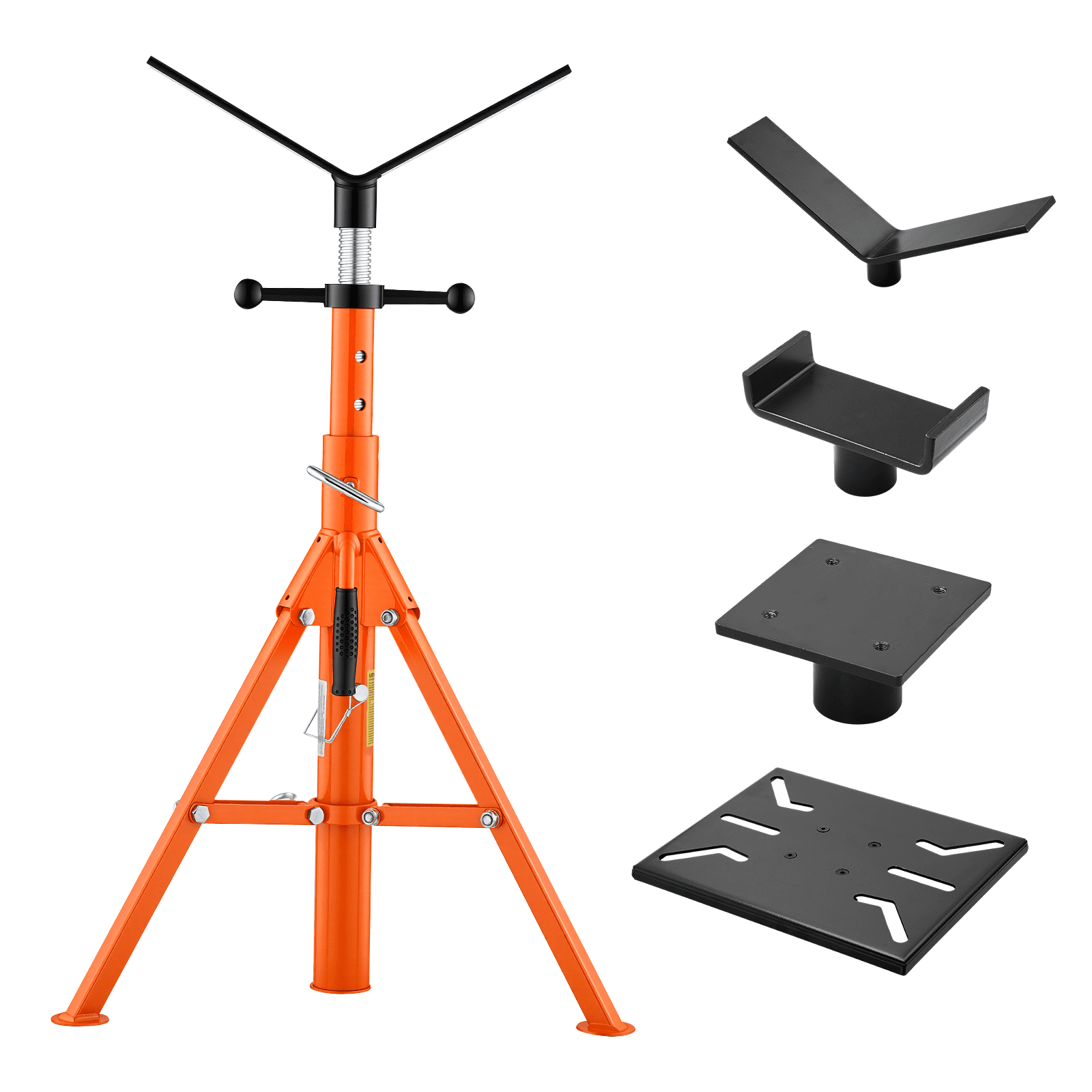
A pipe stand is a portable or benchtop support that holds pipe, conduit, or tubing at working height for cutting, threading, welding, or assembly. The primary trade-off is load capacity versus portability: folding tripod stands trade max weight for transport ease, while heavy-duty V-head and chain-vise stands trade mobility for stability under high torque. The decision rule is simple: match the stand's rated capacity and head style to your heaviest pipe and operation (threading/welding demands a chain vise or V-head; simple support uses a roller or flat head) and never exceed the rated load.

Woodworking Saws & Planers

Track

Compare current listings and seller terms before buying.

Woodworking Saws & Planers

Circular Saw Guide

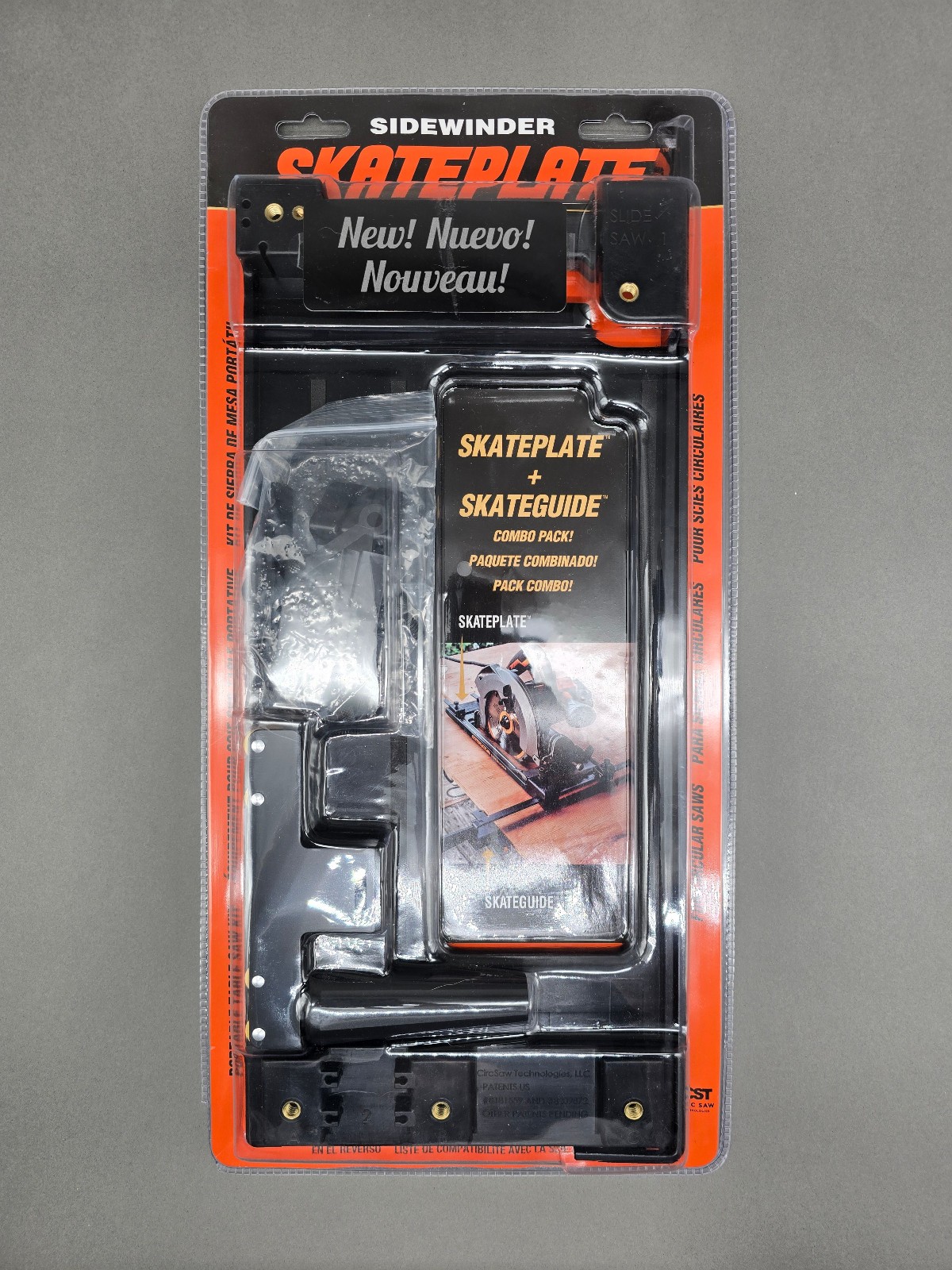
A circular saw guide is a straight-edge or track system that turns a handheld circular saw into a repeatable, splinter-free cutting tool for sheet goods and dimensional lumber. The core trade-off is between universal clamp-on straight edges that fit any saw and dedicated plunge-track systems that lock the saw to a rail for superior dust collection and cut quality. Buy a track-compatible plunge saw if you break down sheet goods weekly; buy a clamp-on guide for occasional rips with the saw you already own.

Power Tools

Cordless Circular Saw

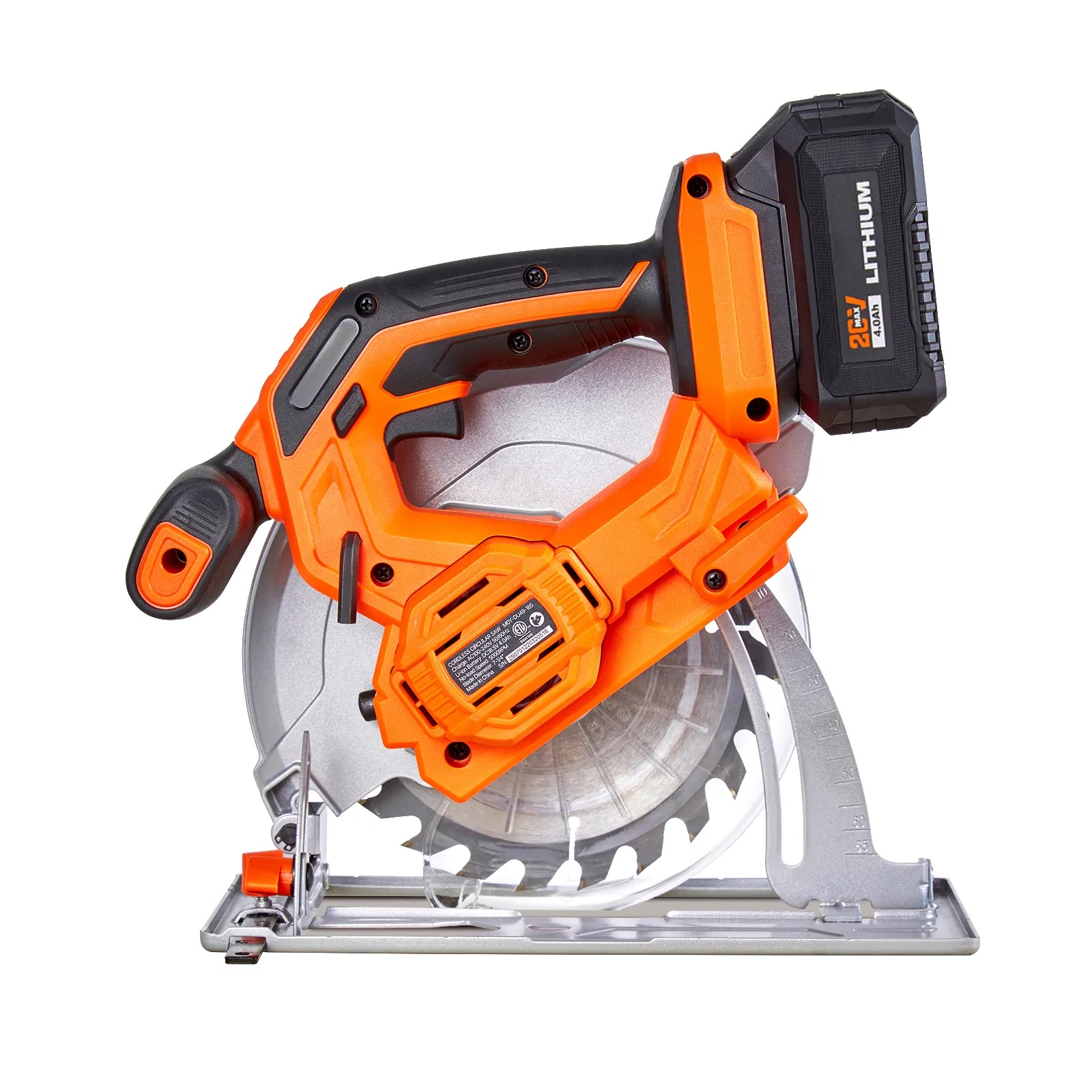
A cordless circular saw cuts framing lumber, sheet goods, and trim without a cord, trading runtime and torque against battery platform lock-in. The decisive trade-off is brushless motor and battery ecosystem versus brushed budget kits: brushless saws deliver 20-50% more cuts per charge and longer motor life, while brushed kits are only viable for occasional light duty. Buy into a battery platform first, then pick blade size and bevel capacity for your material thickness.

Woodworking Saws & Planers

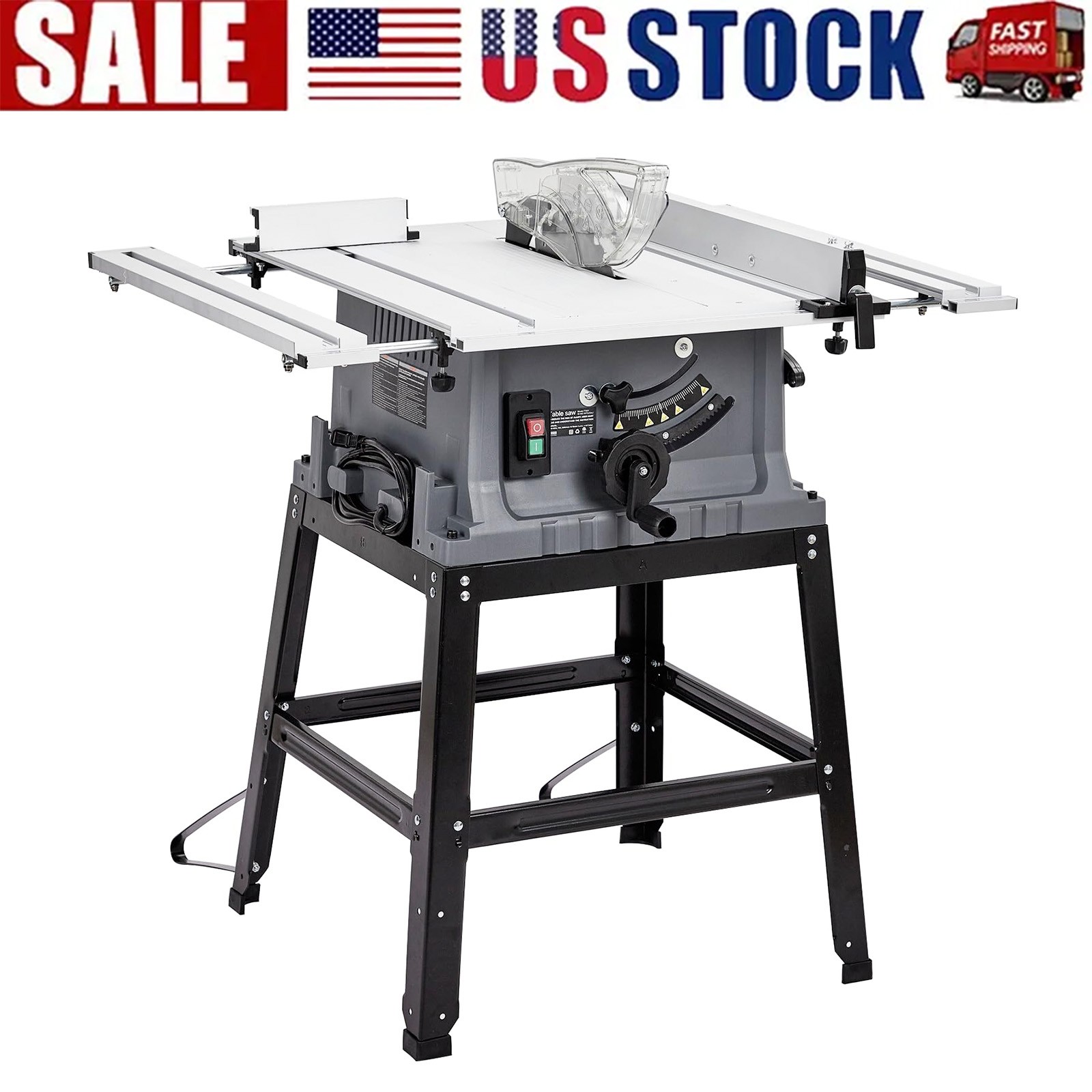
Table Saw

A table saw is the central ripping and crosscutting machine in a woodshop, defined by its table flatness, fence rigidity, and blade-tilt mechanism. The primary trade-off is between benchtop portability (jobsite saws) and cast-iron mass with a belt-driven induction motor (contractor/hybrid/cabinet saws) that resists vibration and holds alignment. The decision rule: buy a belt-driven saw with a rack-and-pinion fence and a standard 5/8-inch arbor if you cut hardwood thicker than 1 inch or need repeatable joinery; accept a direct-drive jobsite saw only if it must fold and roll to a vehicle.

Power Tools

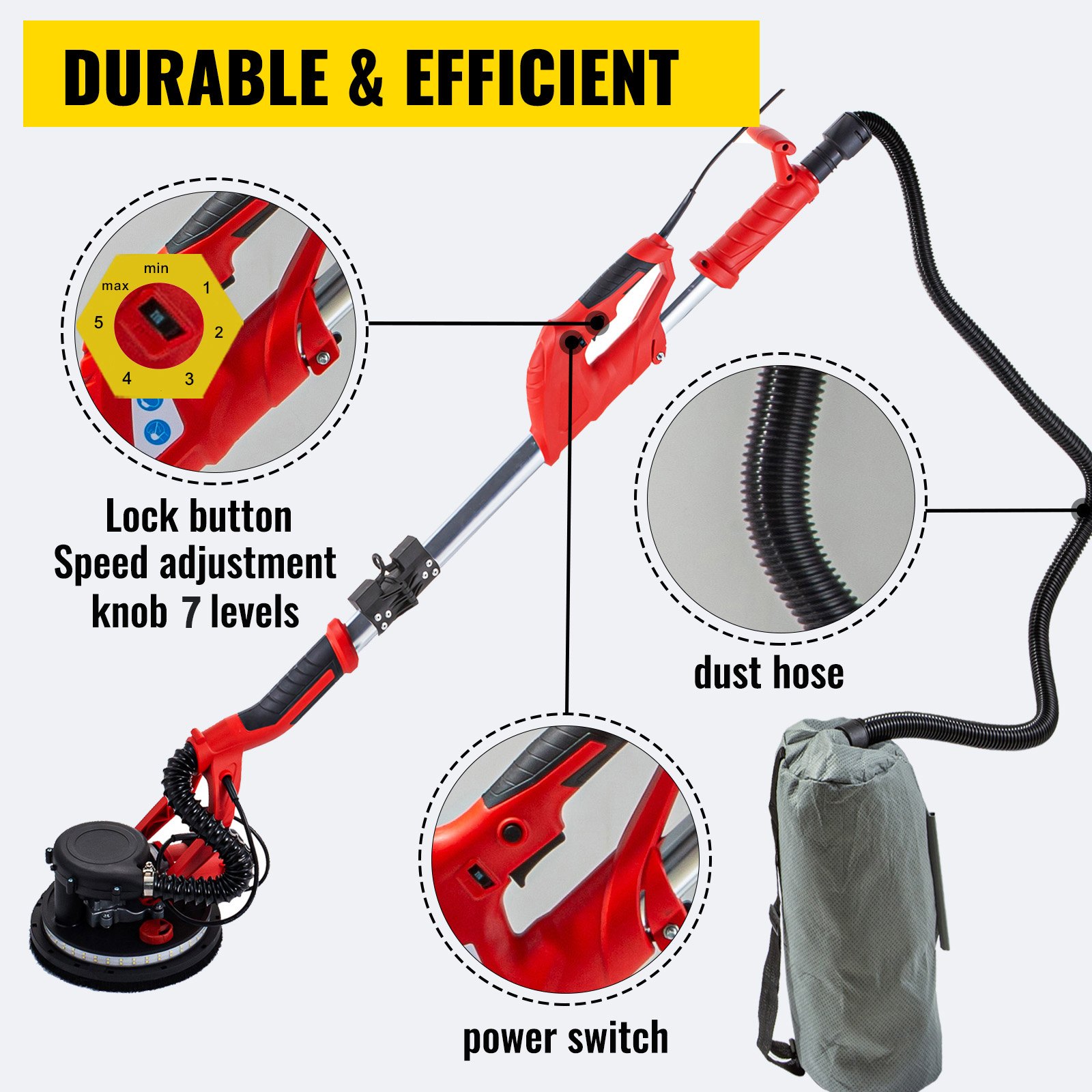
Drywall Sander With Vacuum

A drywall sander with vacuum combines a long-reach rotary head with dust extraction to smooth joints and skim coats without choking the room in gypsum dust. The primary trade-off is motor type and dust-management design: brushed universal motors with cloth bags are cheap but leak fine dust, while brushless or induction motors paired with HEPA cyclonic extraction hold RPM under load and protect lungs. The decision rule: buy by extraction CFM and hose seal quality first, then motor type and head articulation—bag-only units are finish-sanding compromises, not production tools.

You may also like

Finding more guides for you…