DIY Tool Picks

DIY Tool Picks

Tools & Home Improvement Reviews & Buying Guides

Compare tools & home improvement by use case, features, trade-offs, price, returns, and seller terms before you buy.

Buying guides

Woodworking Hand Tools & Chisels

Hand Plane

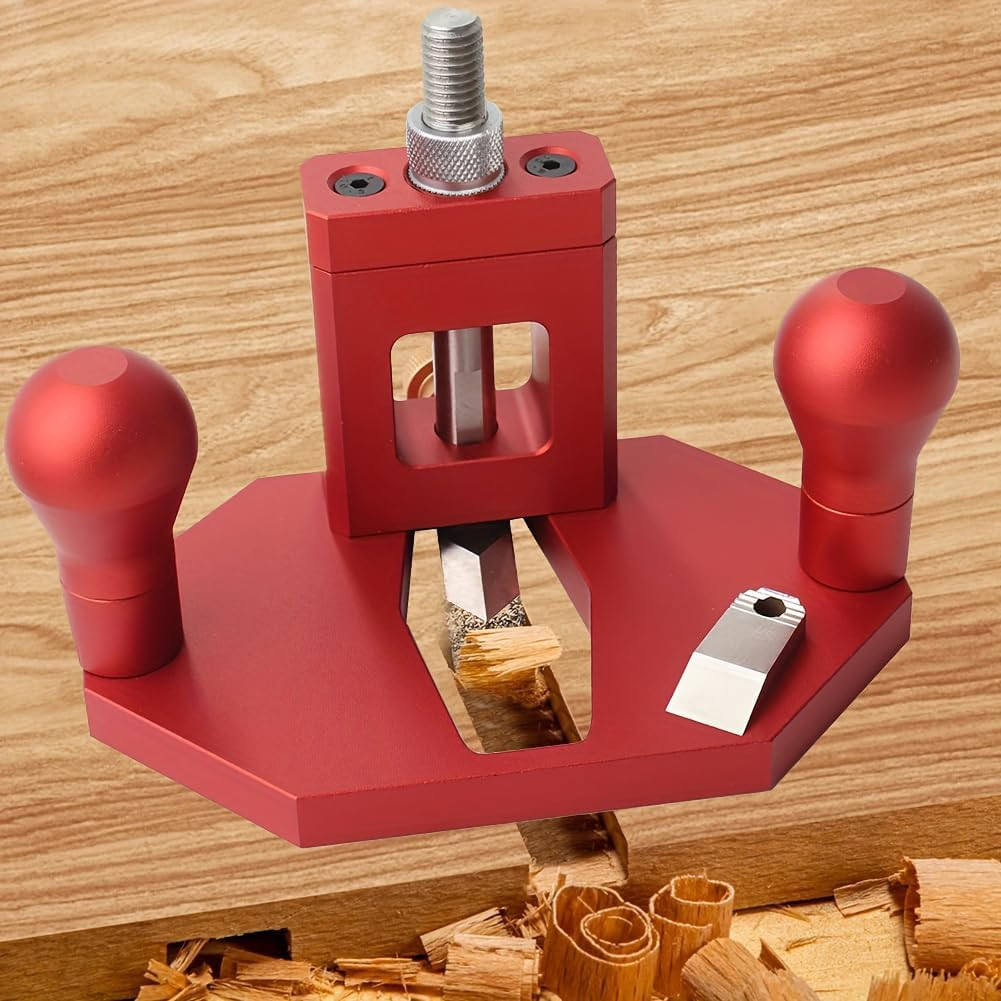
A hand plane is a precision edge-cutting tool where a sharpened iron is held at a fixed angle in a rigid body to flatten, dimension, or trim wood. The core trade-off is body rigidity and adjuster precision versus cost: cast iron or bronze bodies with machined soles and screw adjusters hold tolerance, while stamped steel or thin aluminum bodies flex and chatter under load. The decision rule is simple: buy a solid cast-body plane with a flat sole and a cap iron for stock removal and jointing; skip any plane whose sole you can flex by hand or whose depth adjuster lacks a positive lock.
Hand Tools

Slide Hammer Bearing Puller

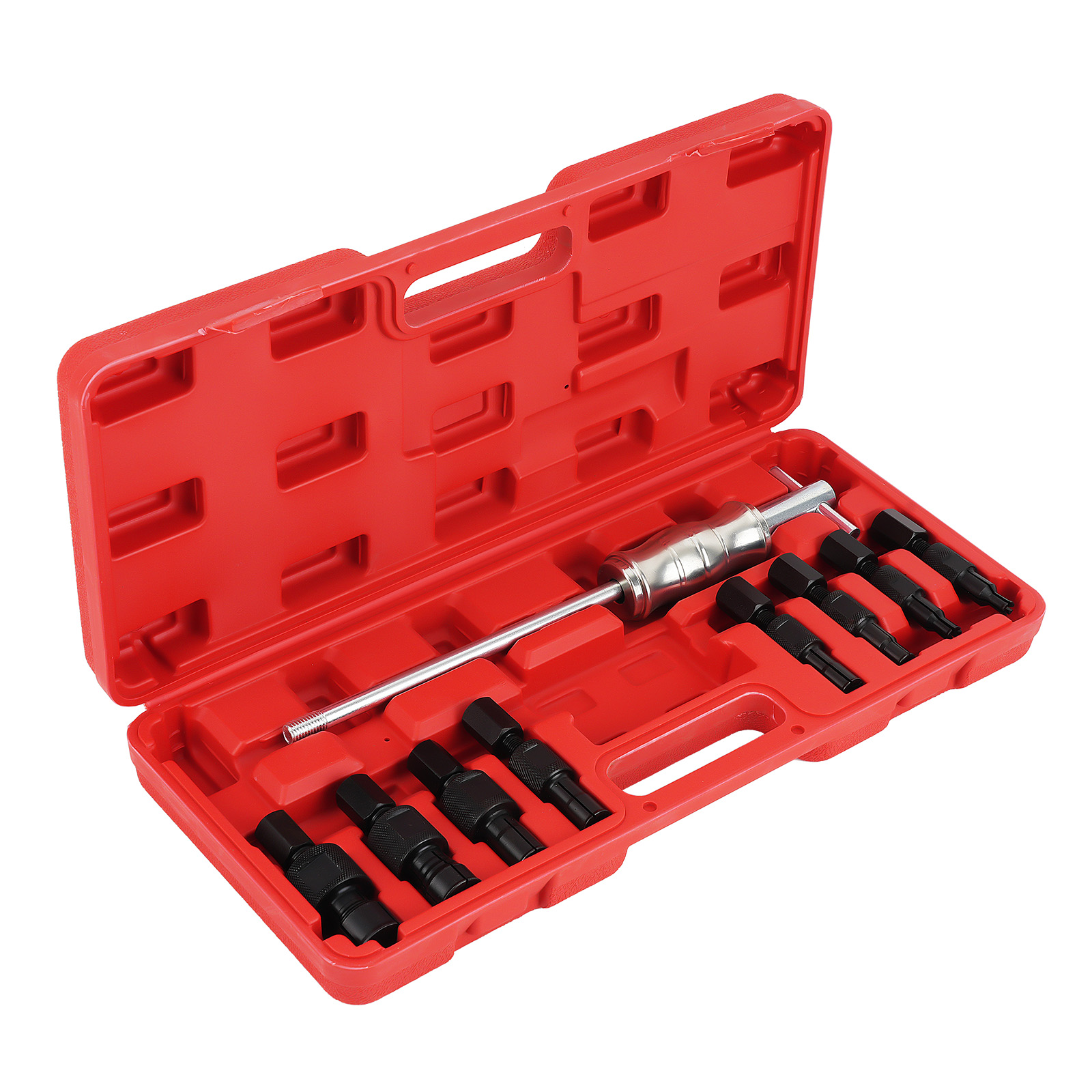
A slide hammer bearing puller converts a sliding weight's kinetic energy into a sharp axial pull, letting you extract press-fit bearings, hubs, and seals without a hydraulic press. The decisive trade-off is jaw reach and thread durability versus kit breadth: 3-jaw internal pullers cover blind holes, while 2-jaw and hub adapters handle exposed races and axle bearings. Buy by jaw spread range and slide-hammer mass, not by piece count—cheap kits skimp on heat-treated steel and shear at the jaw pivot.

Dust Collection, Sanding & Finishing

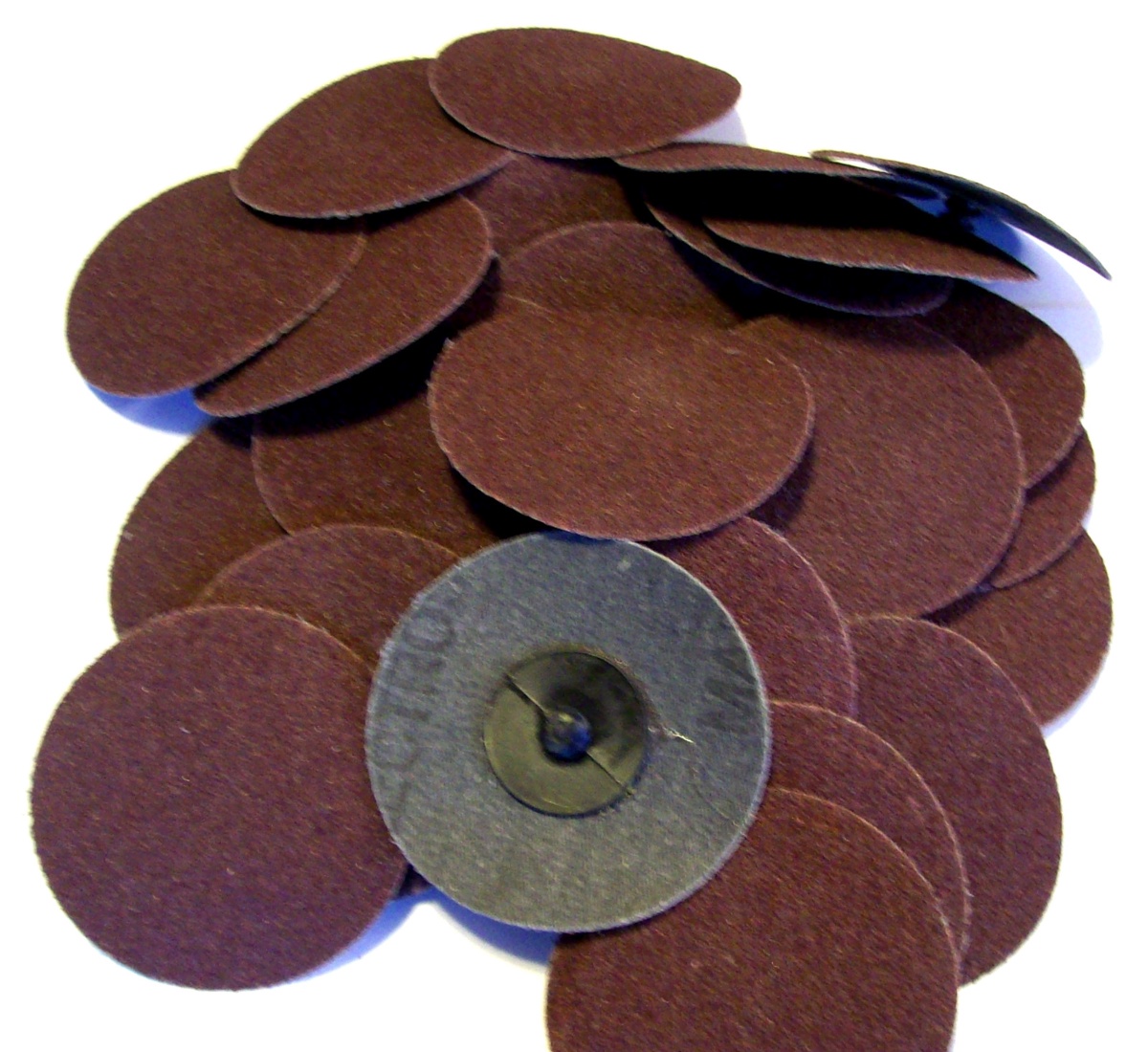
Sanding Wheel

Sanding wheels are rotary abrasives that mount on drills, die grinders, or angle grinders to shape, blend, and finish wood, metal, drywall, and paint. The core trade-off is backing-system security and abrasive grain quality: cheap adhesive or plastic hubs shed discs at speed, while locking systems and zirconia or ceramic grains hold torque and cut cooler. The decision rule is simple: match the mount standard (roll-lock, arbor, or hook-and-loop) to your tool's chuck or spindle, then buy the highest grain tier your material demands.

Woodworking Hand Tools & Chisels

Wood Carving Gouge Set

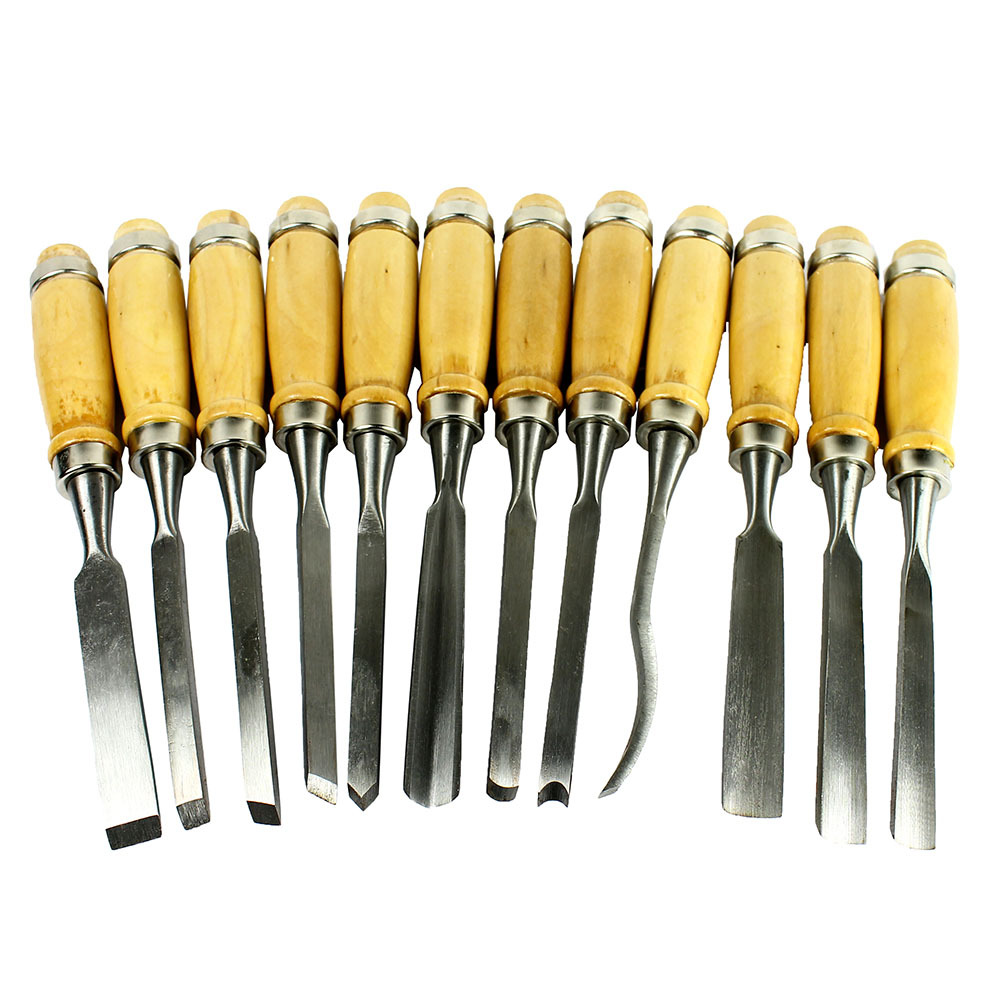
A wood carving gouge set is a matched collection of shaped-edge chisels—typically 6 to 12 pieces—used for removing wood in curves, hollows, and detail work. The core trade-off is steel quality and edge geometry versus piece count: high-carbon or tool steel with properly ground bevels holds an edge and sharpens cleanly, while cheap sets add filler sizes with soft stainless that dulls fast. The decision rule: prioritize steel type and handle-to-bolster construction over the number of pieces, and buy a set whose sweep sizes match the scale of your projects.

Power Tools

Battery Powered Nail Gun

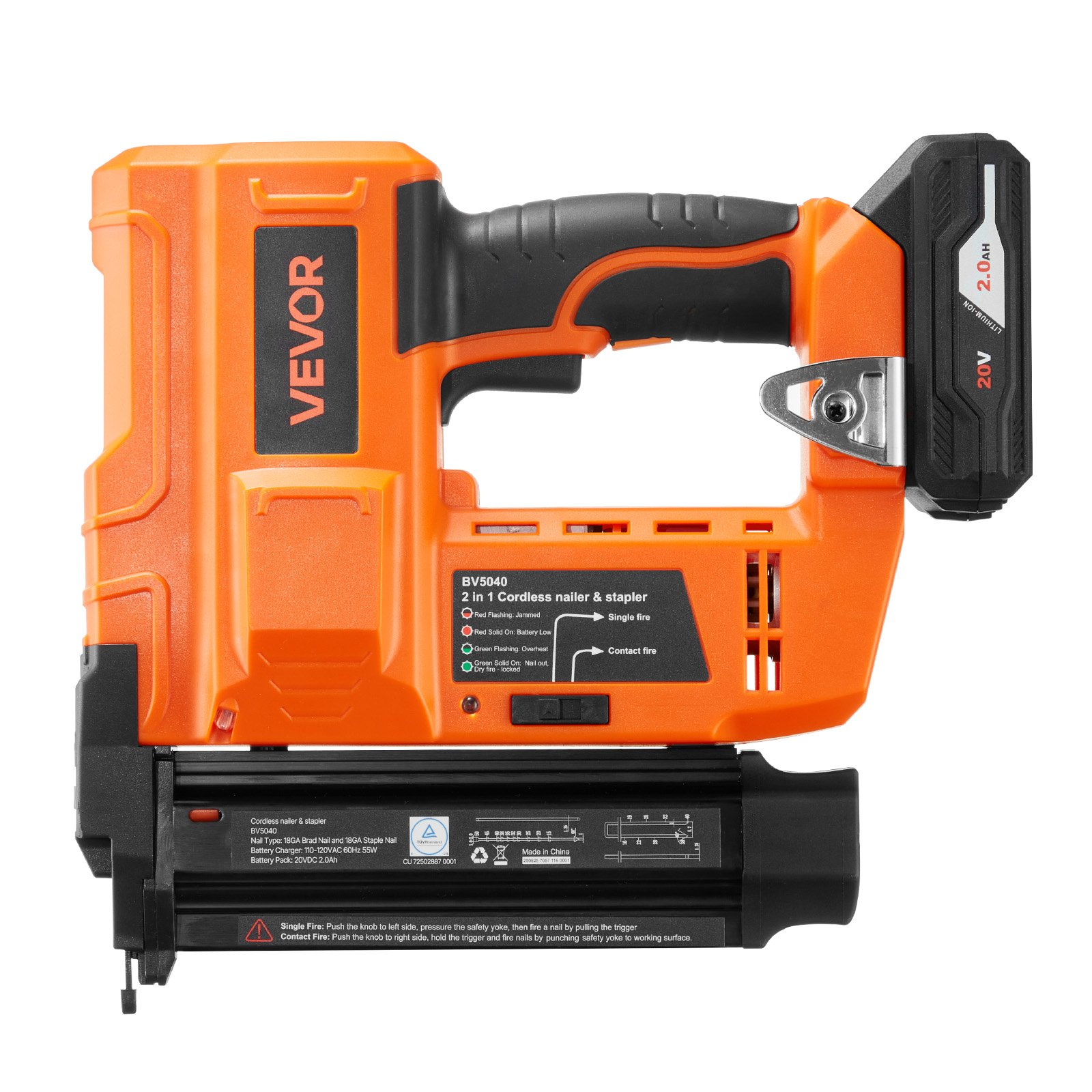
Battery-powered nail guns replace compressor hoses with a cordless platform, but the core trade-off is fastener gauge and driving mechanism: 18-gauge brad nailers handle trim and light assembly, while 16-gauge and framing tiers demand higher burst energy and heavier battery packs. The decision rule is simple—match gauge to your thickest regular fastener and buy into a battery platform with at least a 2.0 Ah pack and adjustable depth, skipping any tool that lacks a dry-fire lockout or tool-free jam release.

Power Tools

Buffing Wheel Bench Grinder

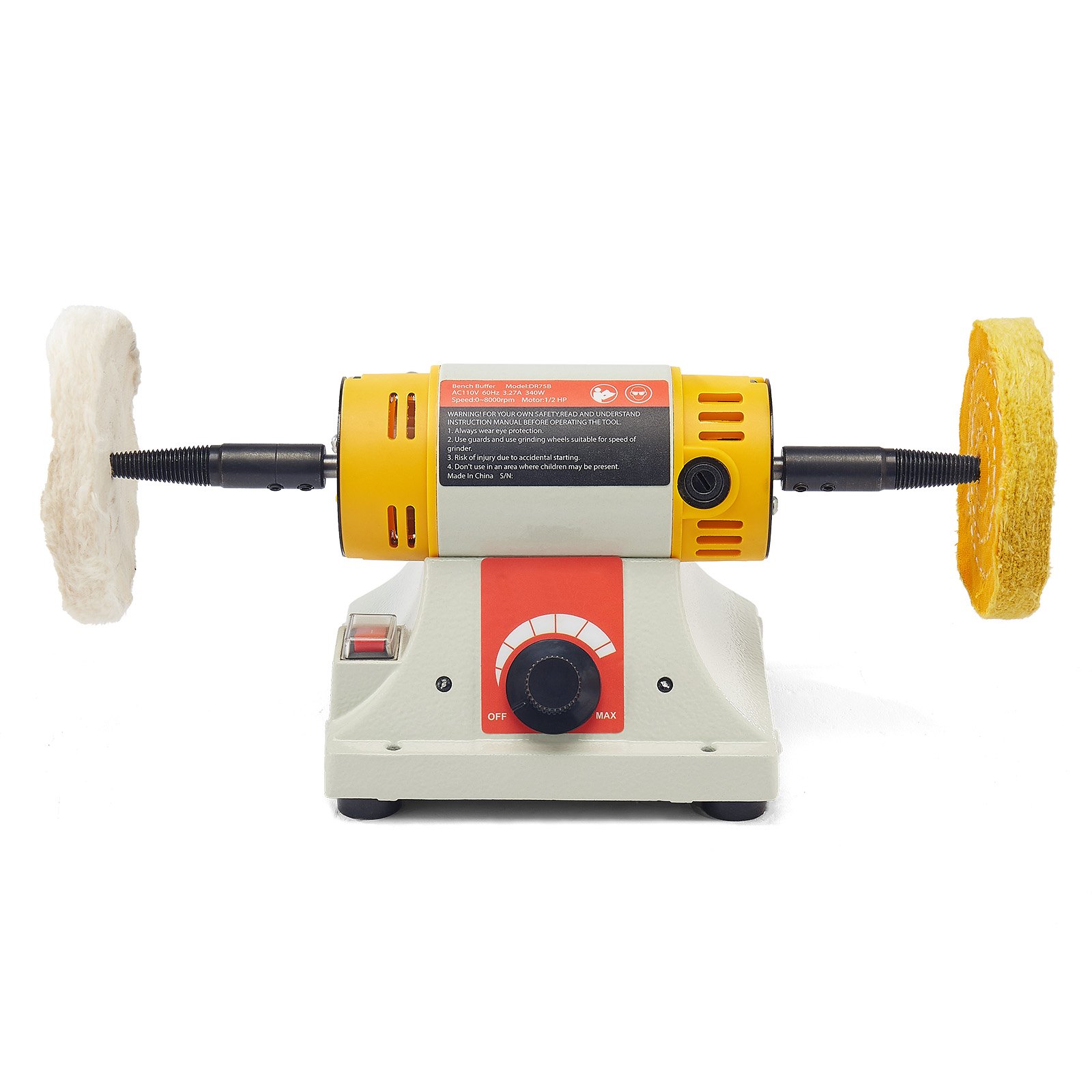
A buffing wheel bench grinder is a benchtop motorized spindle that spins sewn or loose cotton, wool, or fiber wheels for polishing metal, jewelry, wood, and stone. The core trade-off is spindle power and wheel diameter versus speed control: a 1/2 HP to 3/4 HP motor with 6- to 8-inch wheels is the durable baseline, while low-power high-RPM units with small 4-inch wheels are light-duty compromises. Choose a 3450 RPM single-speed buffer for heavy metal removal with large wheels, and choose a variable-speed 0-8000 RPM unit only for delicate jewelry, plastic, or wood work where heat control matters.

Power Tools

Drill Press

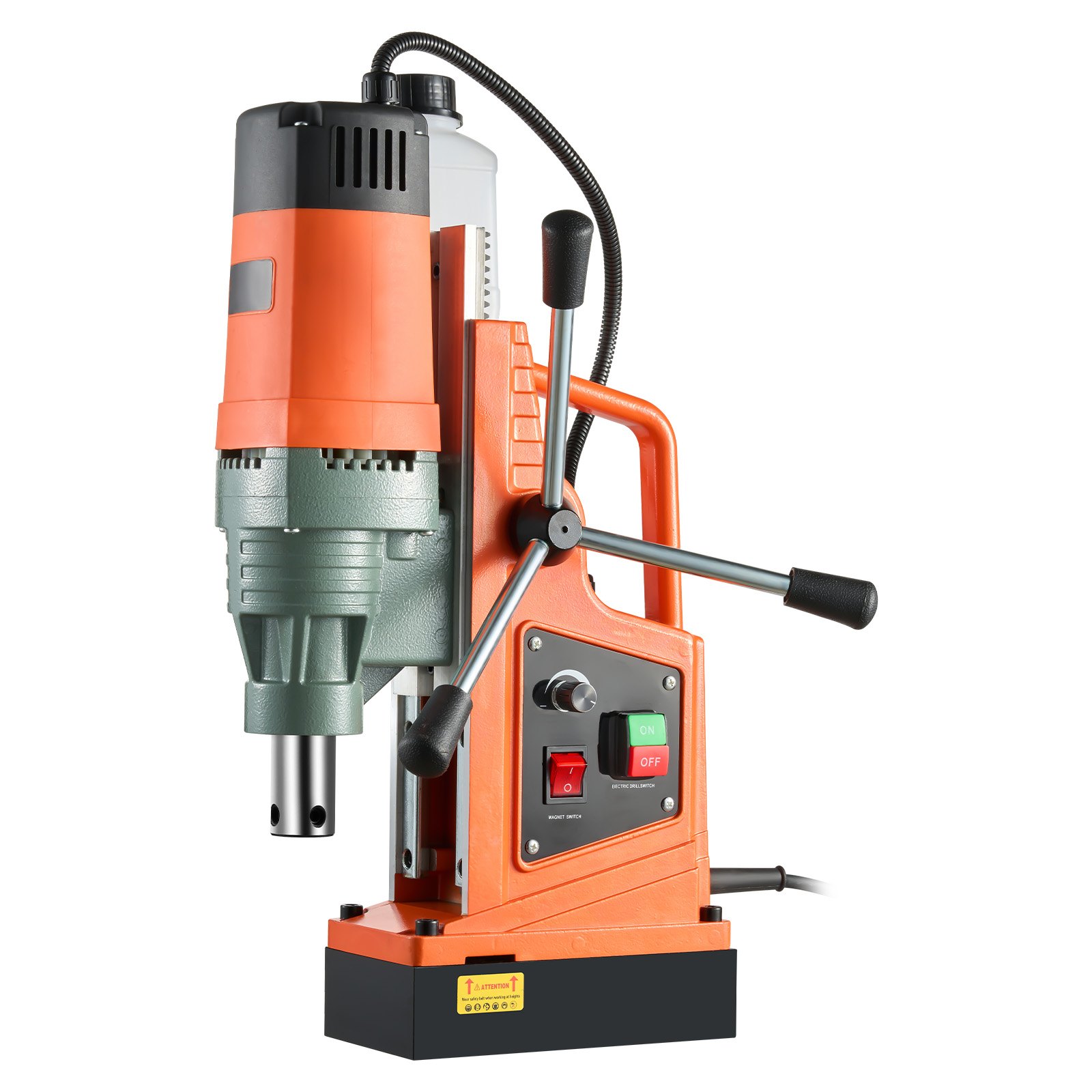
A drill press is a stationary or portable drilling machine that applies controlled, aligned feed force to a rotating bit, trading portability for precision and repeatability. The primary trade-off is between bench/floor cast-iron spindle accuracy and magnetic-base portability for metalwork. Choose a floor or bench press with MT2 or MT3 taper and 12+ speeds for wood/metal shops; choose a magnetic drill only for structural steel field work.

Power Tools

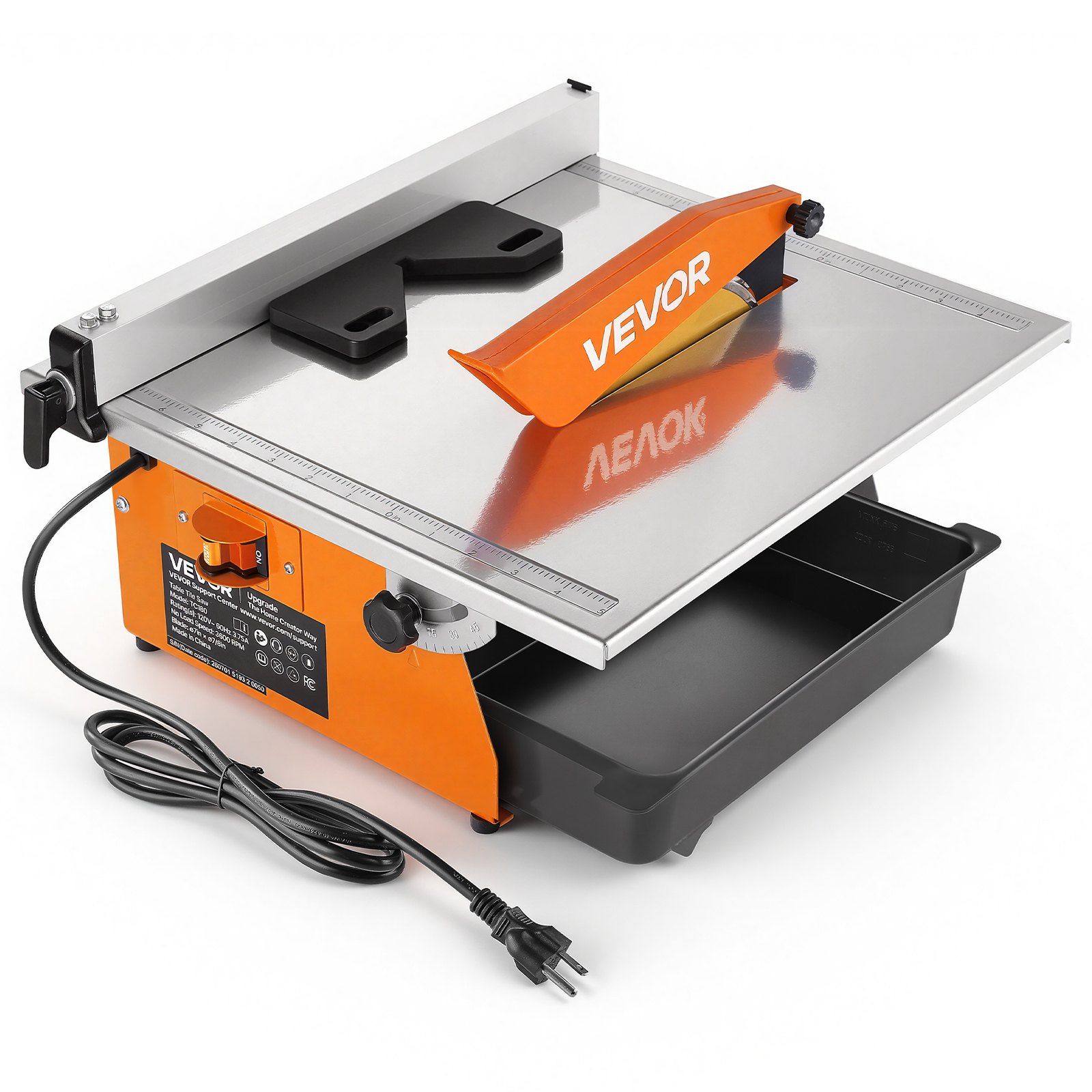
Tile Saw

A tile saw is a specialized wet-cutting power tool that uses a diamond-impregnated blade and water cooling to slice ceramic, porcelain, and natural stone without chipping or overheating. The primary trade-off is between a benchtop wet saw (precision, clean edges, high torque) and a hand-held grinder with a diamond wheel (speed, portability, but dustier and less accurate). Buy a true wet saw for any installation where visible cut quality matters; choose a grinder only for rough notches or rapid stock removal.

Electrician Hand Tools

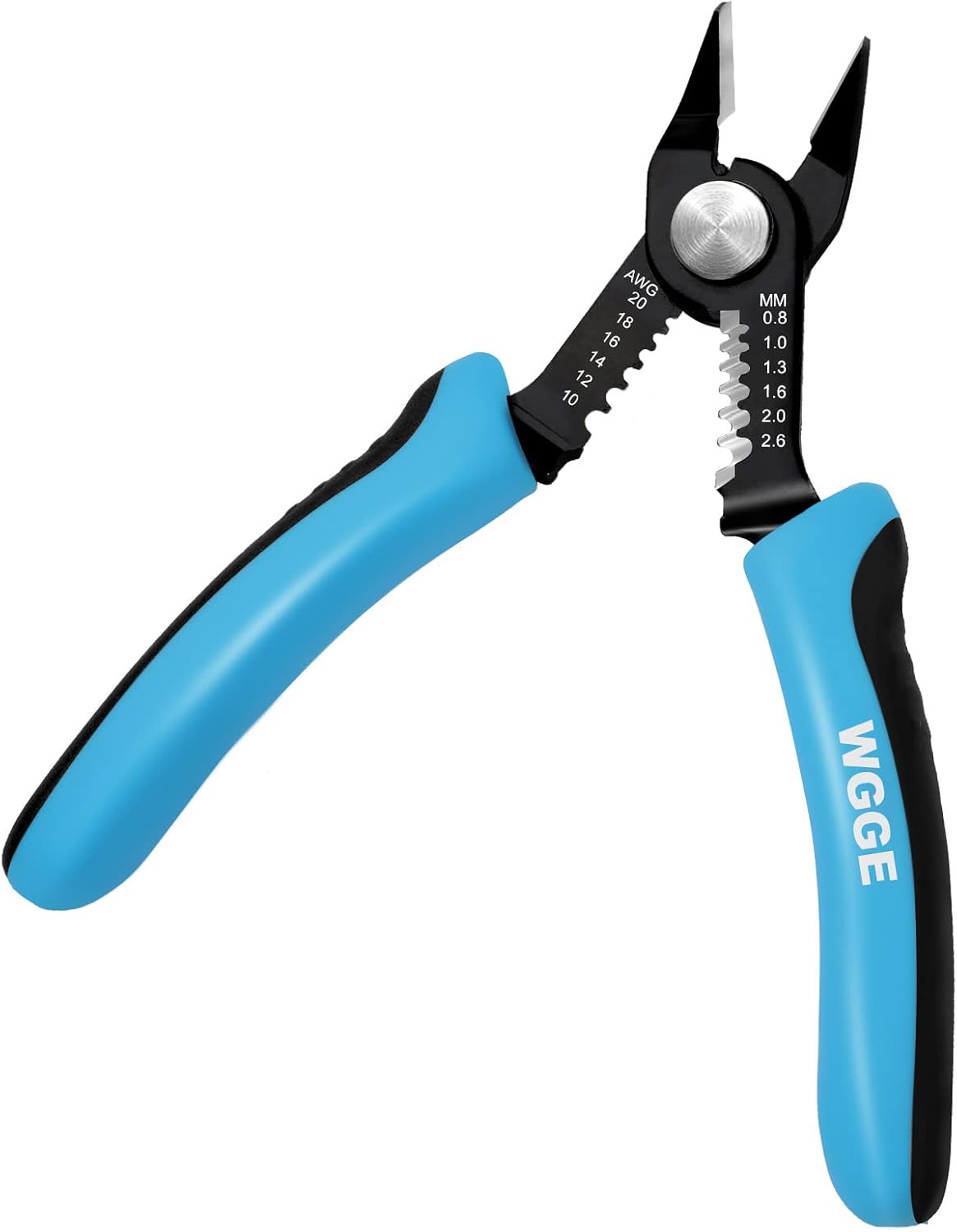
Wire Cutter

Wire cutters for electricians are defined by jaw geometry and steel hardness: flush diagonal cutters for clean electronics work versus high-leverage side cutters for hard copper and armored cable. The core trade-off is edge retention versus cutting capacity, so buyers must match the cutter type to the conductor and insulation they cut daily. A clear decision rule separates durable forged, induction-hardened tools from soft stamped steel that dents on first use.

Dust Collection, Sanding & Finishing

Sandpaper

Sandpaper is an abrasive consumable defined by grit, backing, and abrasive mineral — not by brand hype. The core trade-off is cut rate versus finish quality and clog resistance: open-coat aluminum oxide for wood, stearated silicon carbide or ceramic for paint and hardwoods. The decision rule is simple: match grit progression to your finish target, match backing to your sander type, and refuse paper that loads or sheds grit within one pass.

Woodworking Hand Tools & Chisels

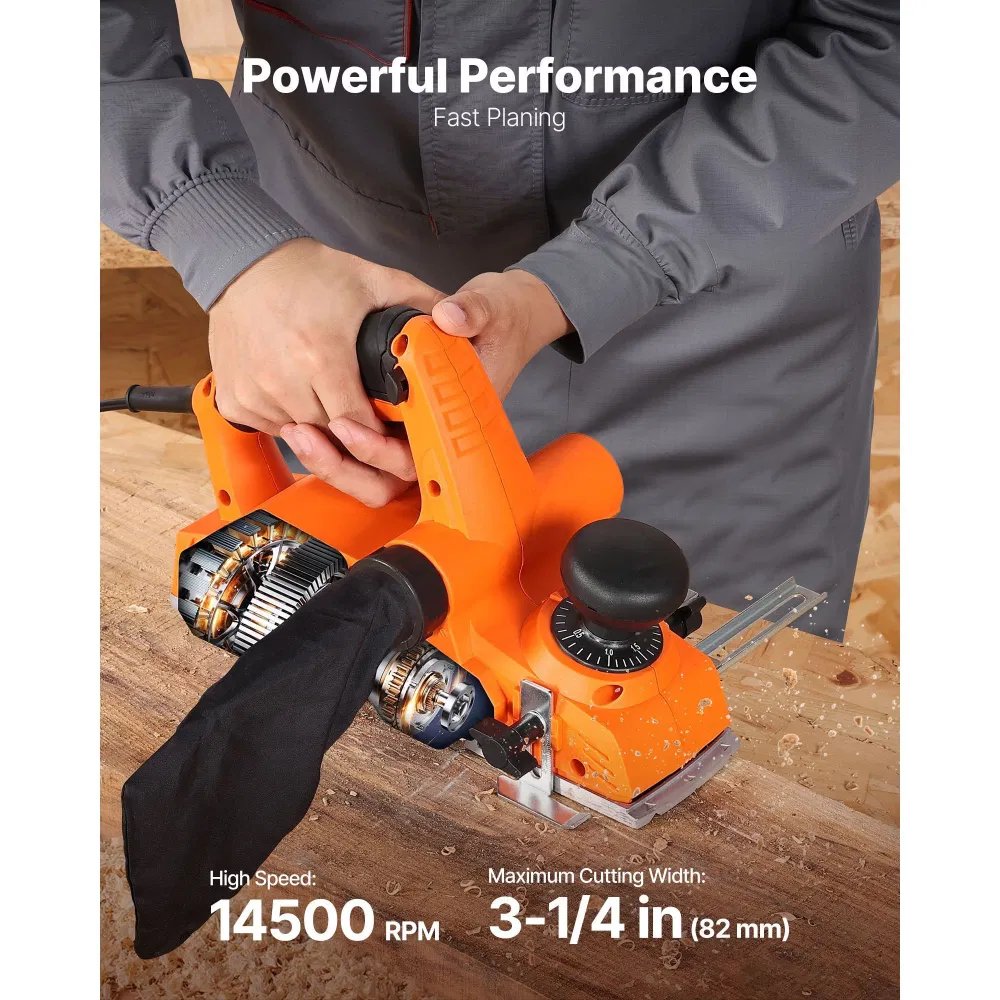
Hand Planer

Hand planers split into two distinct architectures: traditional bench planes (cast iron or ductile steel bodies with adjustable frog and cutter) for precision surface finishing, and power hand planers (electric or cordless) for rapid stock removal on doors, joists, and slabs. The primary trade-off is control and finish quality versus material removal speed, with body flatness and blade steel grade determining whether a manual plane stays true or chatters. Choose a manual bench plane for furniture-grade jointing and smoothing; choose a power planer only when you need to remove millimeters fast and can accept a rougher surface.

Power Tools

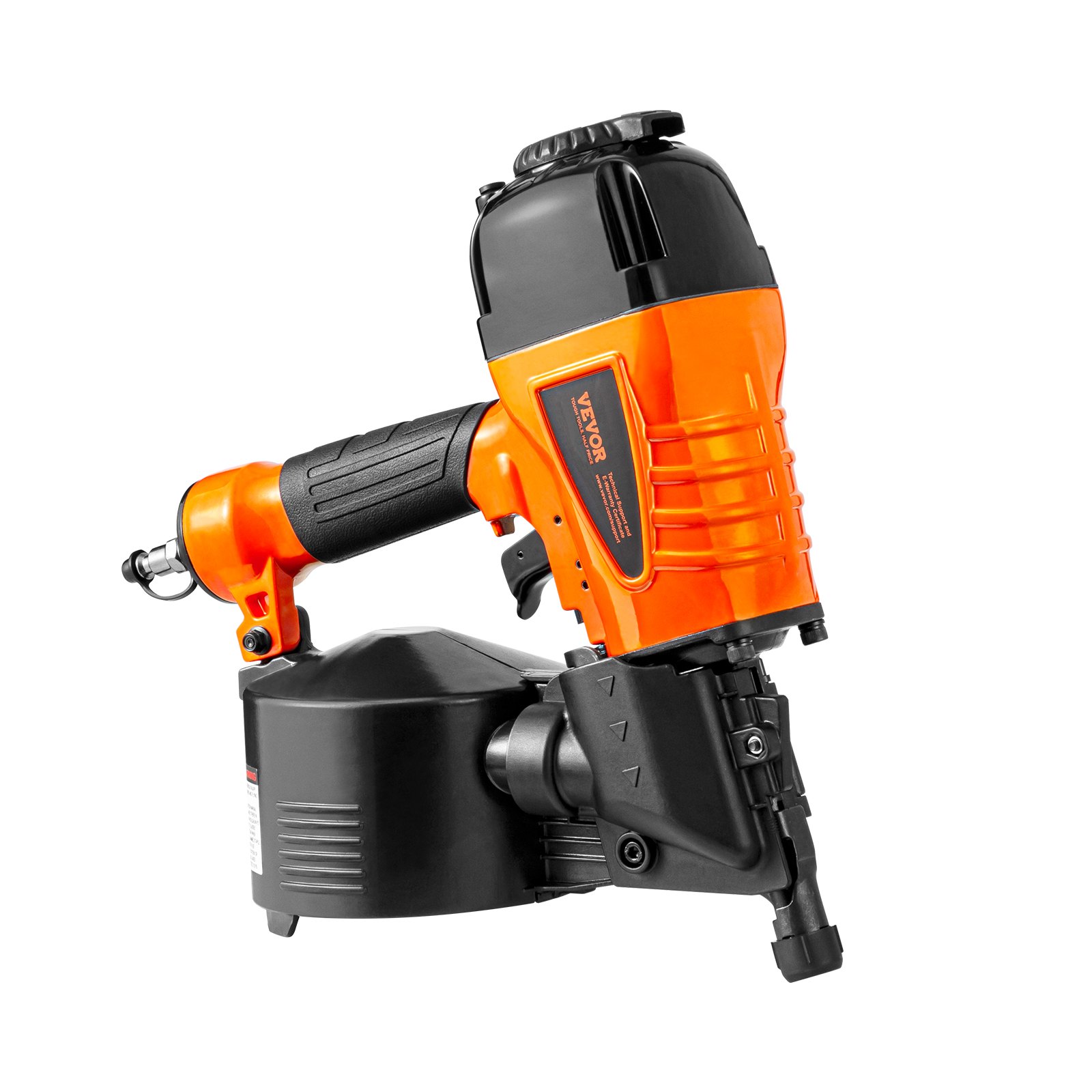
Coil Siding Nailer

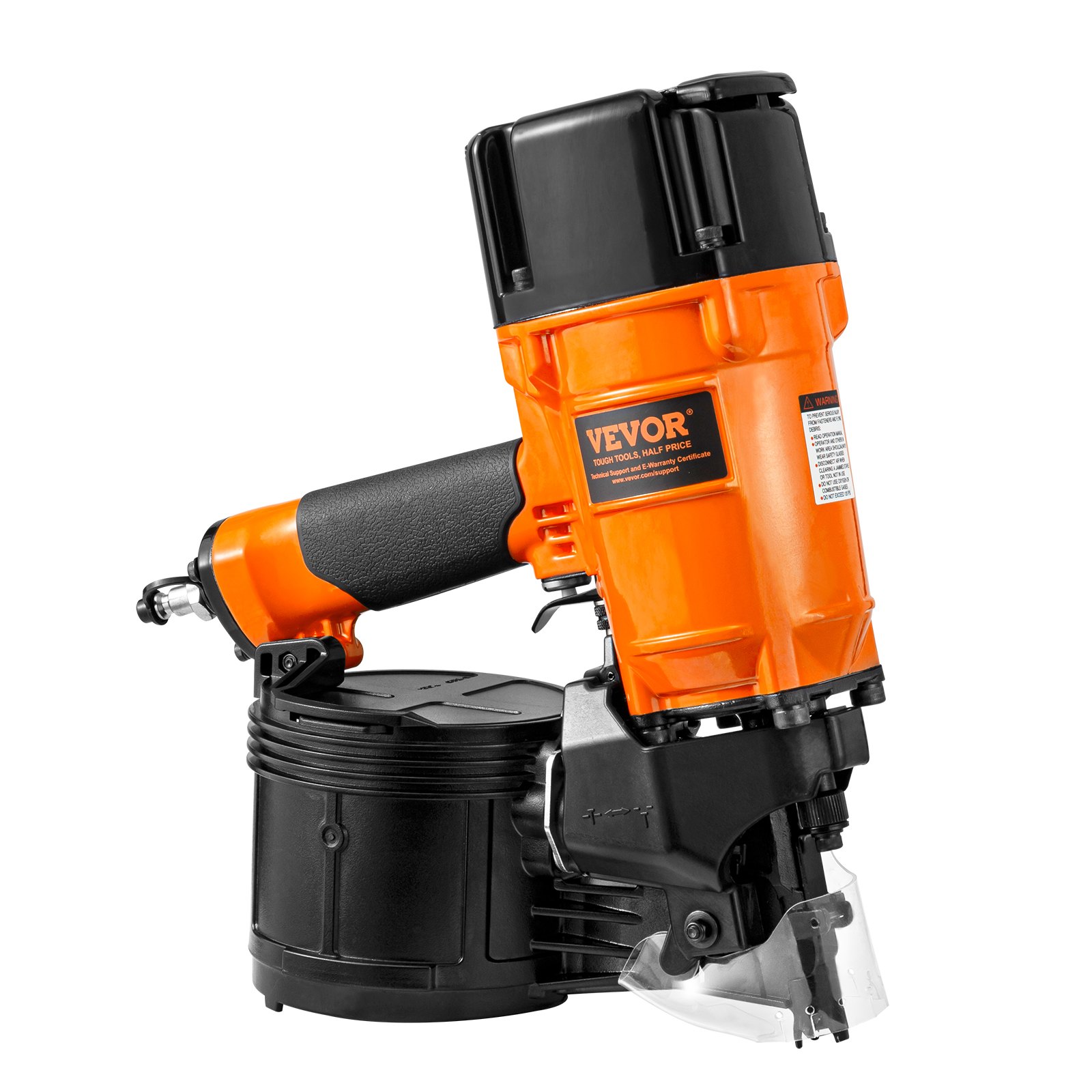
A coil siding nailer is a pneumatic tool that drives 15-degree wire-collated nails for siding, sheathing, fencing, and light framing; the core trade-off is barrel length and motor/air efficiency versus weight and cost. Durable options use hardened steel drivers, magnesium or aluminum housings, and tool-less depth adjustment; compromises skimp on driver metallurgy and seal quality, leading to misfires and air leaks.

Power Tools

Siding Nail Gun

A siding nail gun is a pneumatic coil nailer built to drive corrosion-resistant nails through fiber-cement, cedar, engineered wood, and vinyl siding without denting the face. The core trade-off is fastener capacity and wear parts versus portability: full-size 15-degree coil guns deliver 2 to 3-1/4 inches and long service life, while compact models cover 1-1/4 to 2-1/2 inches for sheathing and trim. The durable choice is a tool-less depth-adjust coil nailer rated 70–120 PSI with a hardened driver blade and full sequential or bump-fire trigger.

Power Tools

Siding Nailer

A siding nailer is a pneumatic coil nailer sized for fastening lap siding, sheathing, and light fencing with 15-degree wire-collated nails. The core trade-off is fastener capacity and driving power versus tool weight and maneuverability; choose a model whose nail-length range and pressure rating match your siding thickness, and skip light-duty brad or framing nailers that cannot hold siding nails at the correct depth.

Soldering & Electronics Repair Tools

Soldering Flux Paste

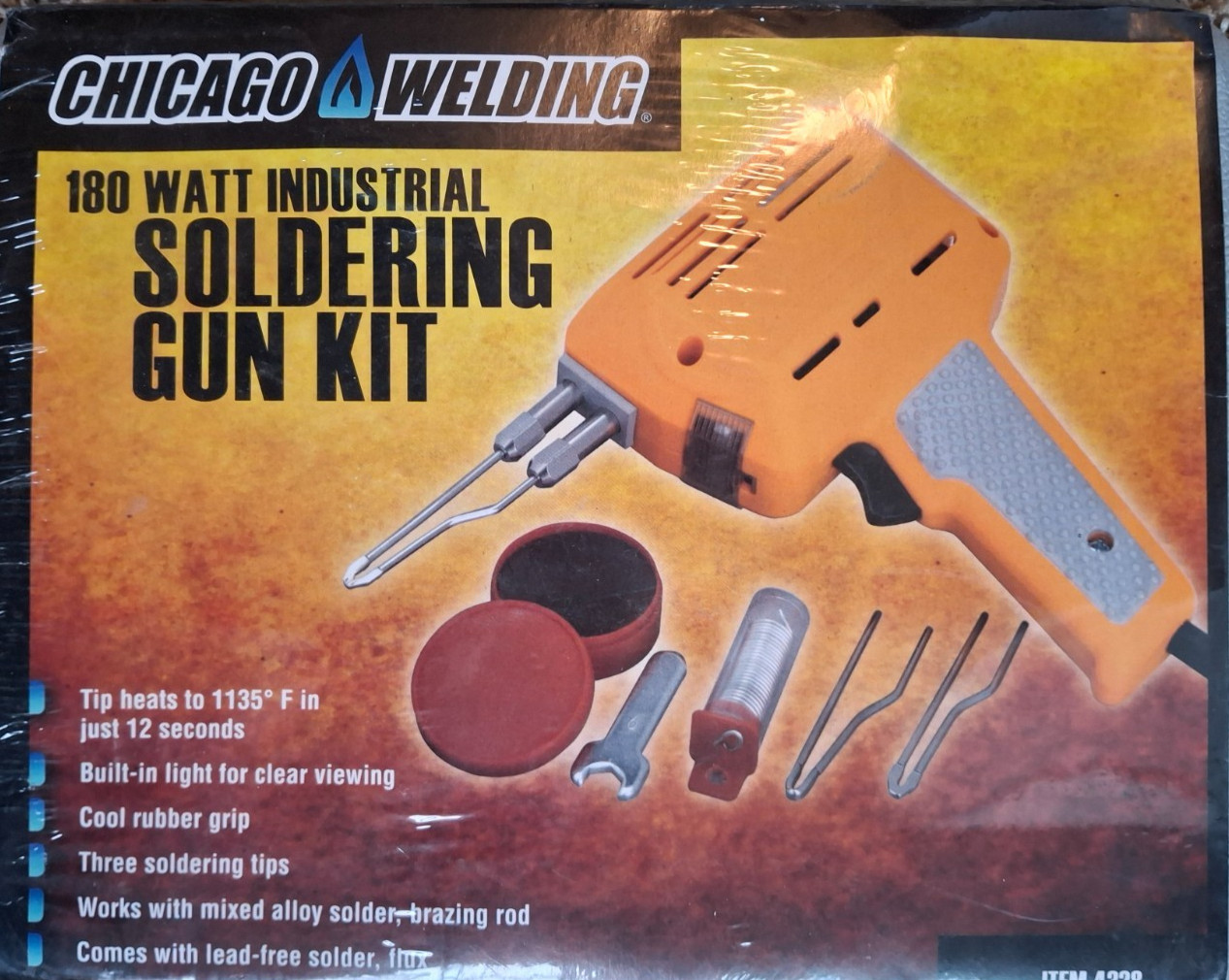
Soldering flux paste is the chemical enabler that removes oxidation and lowers surface tension so molten solder wets pads and component leads; it is not solder itself. The core trade-off is activity versus residue safety: high-activity inorganic or halide-rich pastes clean heavily oxidized joints but are corrosive and conductive if left on the board, while no-clean and rosin-based pastes are benign but demand clean, well-tinned surfaces. The decision rule: match flux class to joint cleanliness and post-solder cleaning capability—use no-clean or rosin (R/RMA) for repairable electronics you will not wash, and reserve water-soluble or high-activity pastes for bare metal prep and joints you can fully rinse and neutralize.

Plumbing Tools

Pro Press Tool Kit

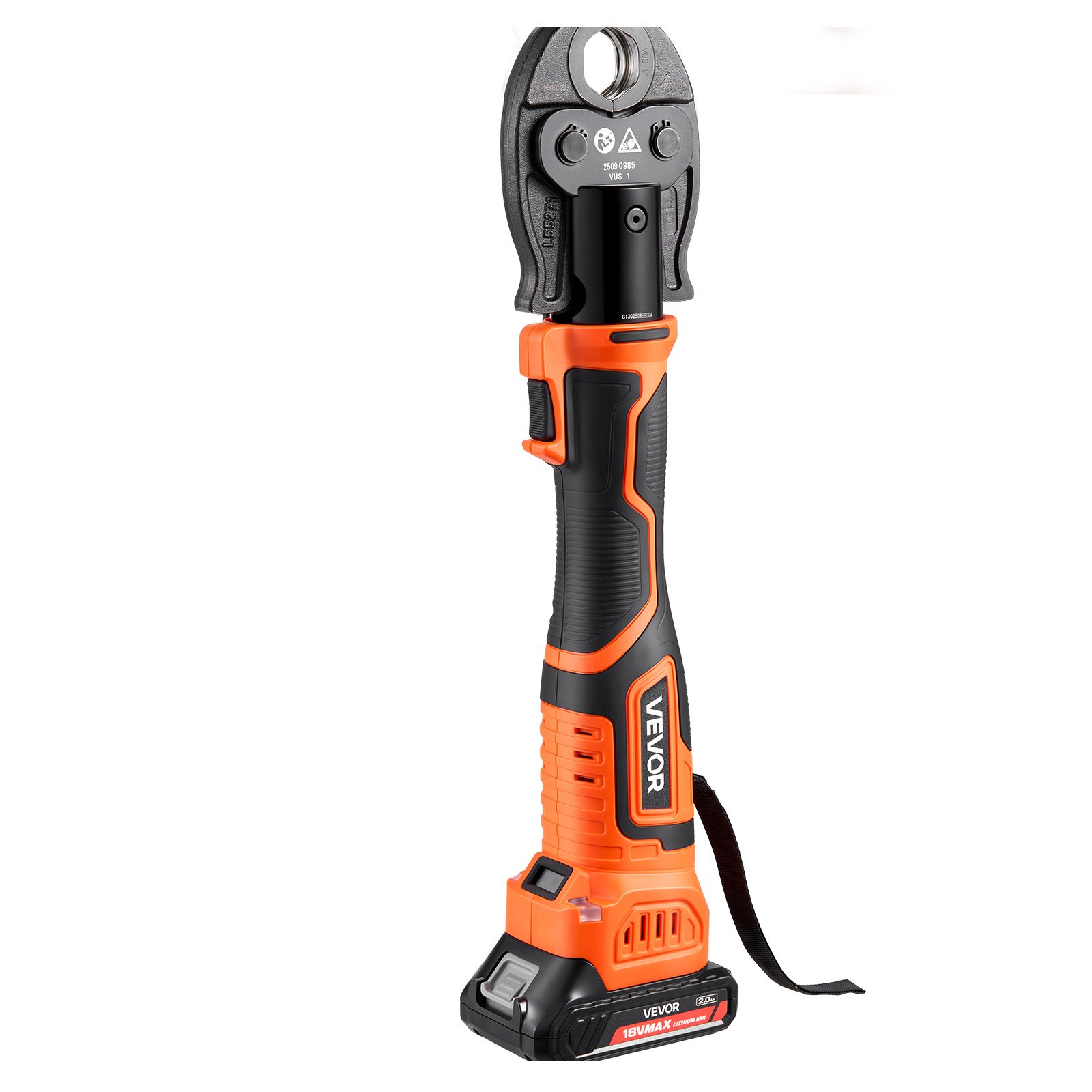
A pro press tool kit is a battery-powered crimping system that joins copper, stainless steel, or PEX tubing by deforming a fitting with 32kN-class force instead of soldering. The core trade-off is jaw compatibility and cycle force versus kit completeness: generic 18V tools fit standard VUS profiles, but only kits with matched jaws, two batteries, and a fast charger eliminate mid-job downtime. Buy a kit whose jaw range matches your largest pipe size and whose battery platform you already own; skip any kit with a single battery or unclear jaw standard.

Measuring & Layout Tools

Stud Layout Tool

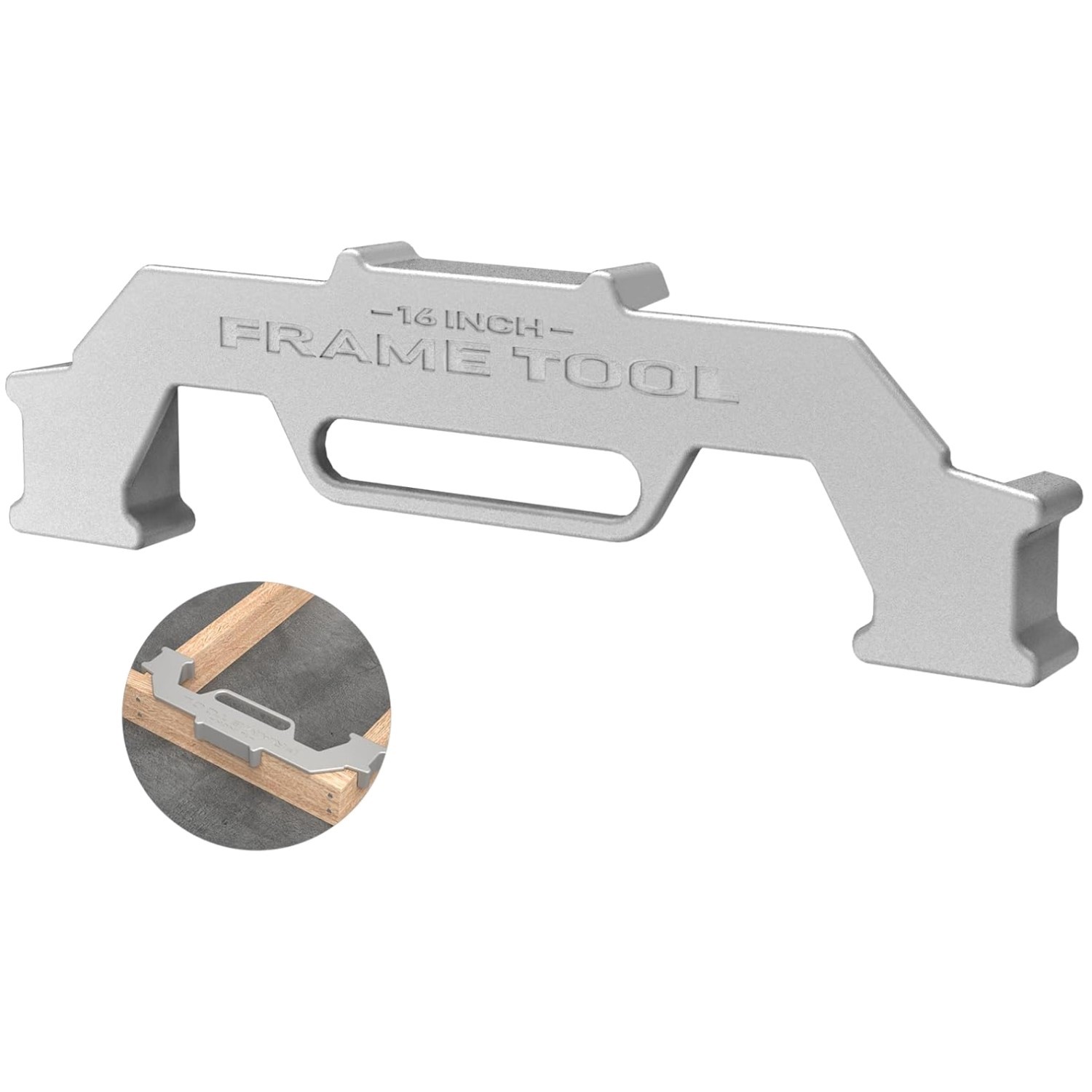
A stud layout tool is a dedicated jig or spacer that accelerates and standardizes on-center marks for wall framing—typically at 16-inch or 24-inch intervals. The core trade-off is between a single-purpose stamped spacer and a multi-function cast-aluminum tool with integrated rail and ledge references. Buy cast aluminum with positive stud-width stops if you frame regularly; a basic plastic or thin stamped spacer is acceptable only for occasional layout on a single stud width.

Garage Storage

Floating Shelf

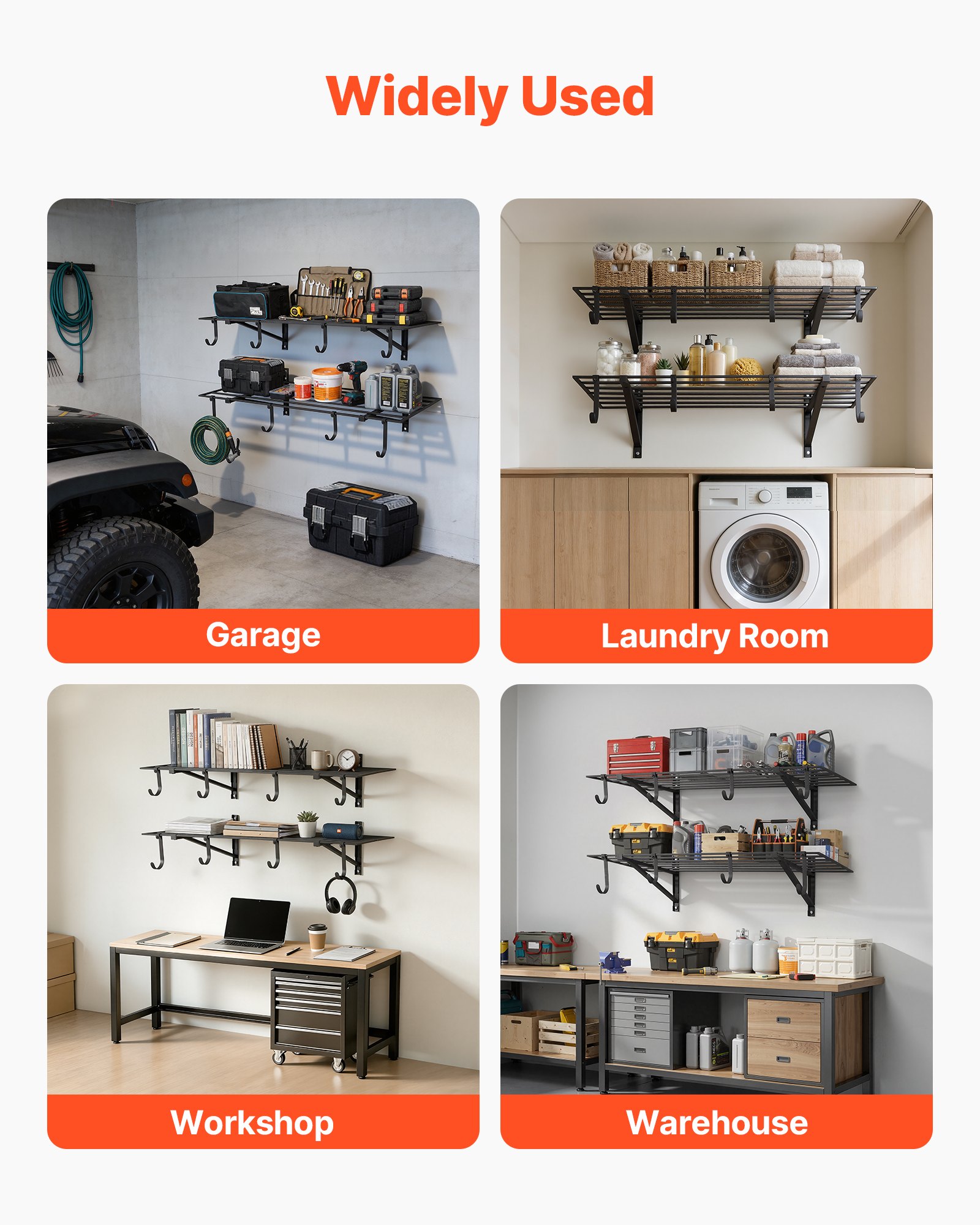
Floating shelves are wall-mounted storage platforms that hide their brackets inside or behind the shelf, creating a clean, furniture-like look in garages, workshops, and utility rooms. The core trade-off is concealed support strength versus installation simplicity: hollow-back Chinese-made MDF shelves with metal keyhole brackets are cheap but load-limited, while solid-wood or steel-core shelves with full-length steel rods or French cleats carry serious weight. The decision rule: buy the strongest concealed bracket system your wall framing can anchor into, and never mount a floating shelf to drywall alone without a stud or masonry anchor rated for the shelf's fully loaded weight.

Flashlights & Headlamps

Keychain With Light

Keychain lights are micro-illumination tools that trade battery capacity and beam throw for always-with-you convenience, typically weighing under 2 oz and clipping to a keyring. The core trade-off is between disposable coin-cell bodies (lightest, zero maintenance, limited output) and rechargeable COB/LED units (higher lumens and work-light modes, but need periodic USB charging and add bulk). Buy a metal-bodied light with a locking keyring gate and at least 50 lumens for real utility; skip plastic-shell novelty lights and unregulated button-cell models if you need dependable output.

Wood Routers & Carving Tools

1 4 Router Bit Set

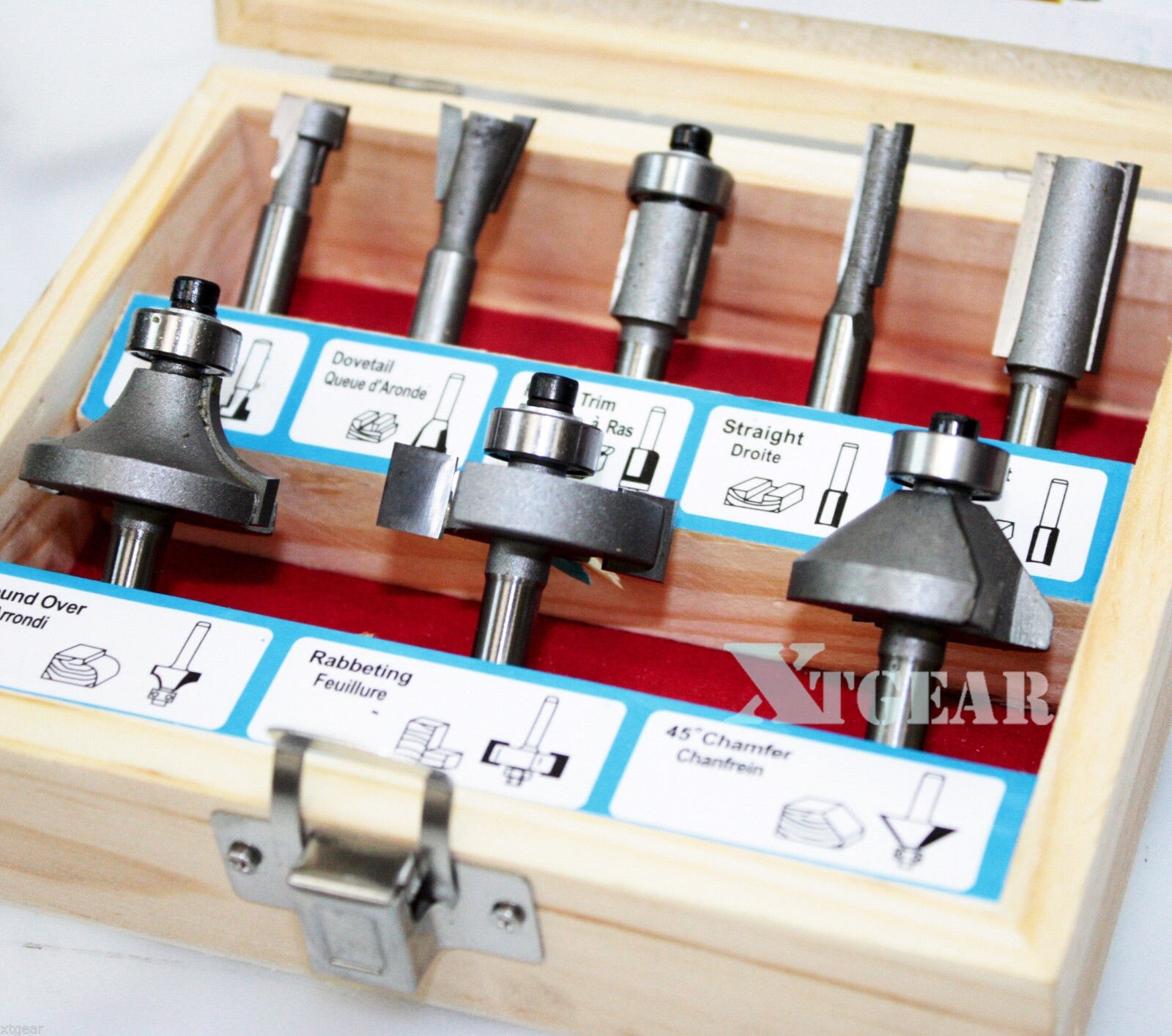
A 1/4-inch router bit set is a collection of cutting tools sharing a 1/4" (6.35 mm) shank, designed for trim routers and mid-size woodworking routers. The core trade-off is carbide grade and shank-to-cutter metallurgy versus piece count: budget sets add bits but often use lower-grade YG8 carbide with thin brazing, while durable sets use premium micro-grain carbide and hardened shanks. The decision rule: buy a smaller set of thick-carbide bits with a 1/4" shank that matches your collet, and skip high-piece-count kits where cutter geometry duplicates profiles you will never use.

You may also like

Finding more guides for you…