DIY Tool Picks

DIY Tool Picks

Tools & Home Improvement Reviews & Buying Guides

Compare tools & home improvement by use case, features, trade-offs, price, returns, and seller terms before you buy.

Buying guides

Wood Routers & Carving Tools

1 4 Router Bit With Bearing

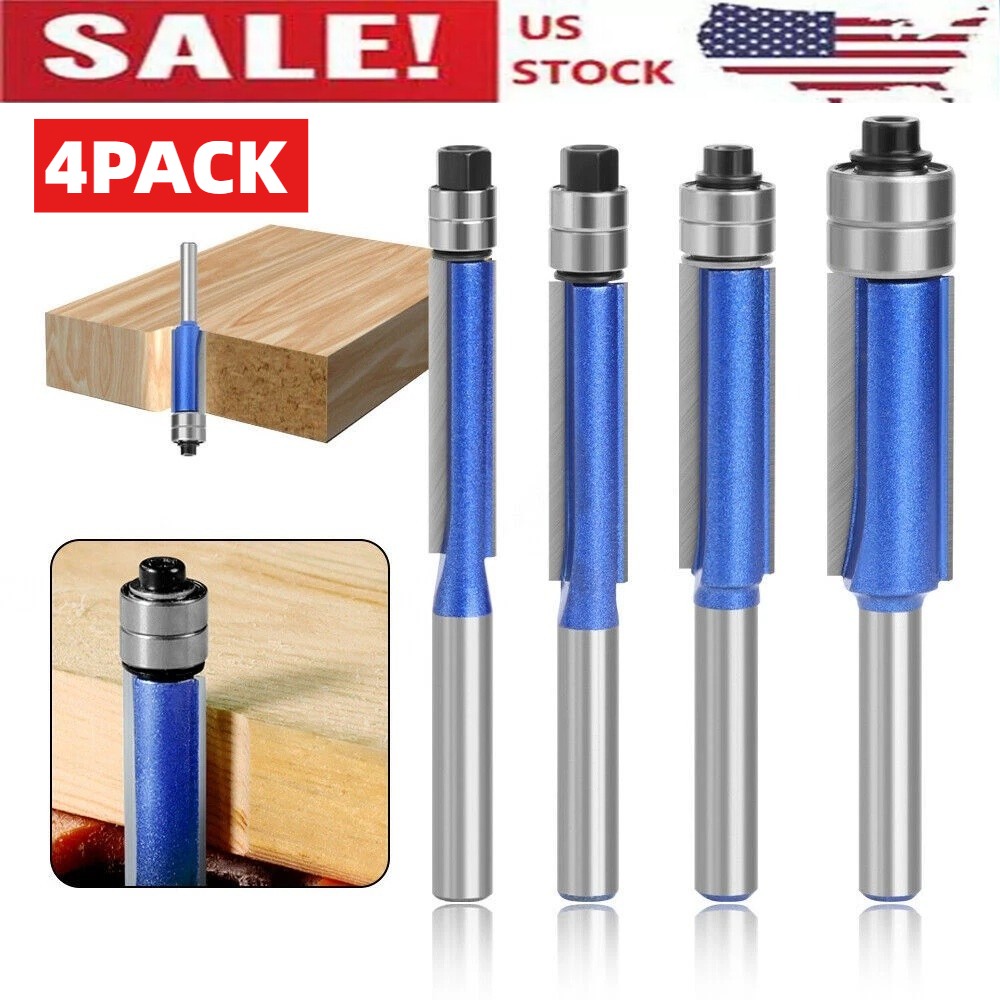
A 1/4-inch shank router bit with bearing is a guided cutting tool that uses a ball-bearing pilot to follow templates, jigs, or workpiece edges for flush trimming, template routing, and pattern work. The core trade-off is bearing quality and cutter geometry: sealed, precision-ground bearings and carbide cutters maintain accuracy and finish, while unsealed bearings and high-speed-steel cutters wear quickly and cause burn or chatter. Choose bits with sealed bearings, carbide tips, and a shank diameter matched to your collet; skip unsealed or HSS bits for production or hard-wood work.
Garage Storage

Large Metal Tool Box

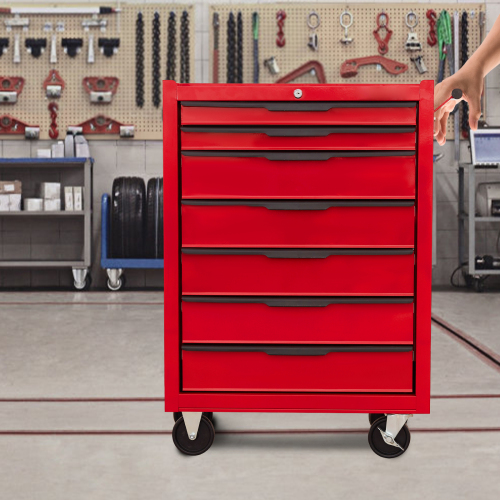
A large metal tool box is a rolling or stationary steel storage chest that must balance drawer load capacity, steel gauge, and locking security against the mobility of casters and the footprint of your garage. The primary trade-off is steel thickness and drawer-slide rating versus weight and cost: thin-gauge cabinets flex and sag under heavy tools, while thick-gauge units with ball-bearing slides stay rigid for decades. The clear decision rule is to buy a welded or fully riveted steel body with ball-bearing slides rated for the drawer's intended load, and skip any unit that relies on friction slides or spot-welded thin panels for daily professional use.

Woodworking Clamps, Jigs & Joinery

Kreg Jig Kit

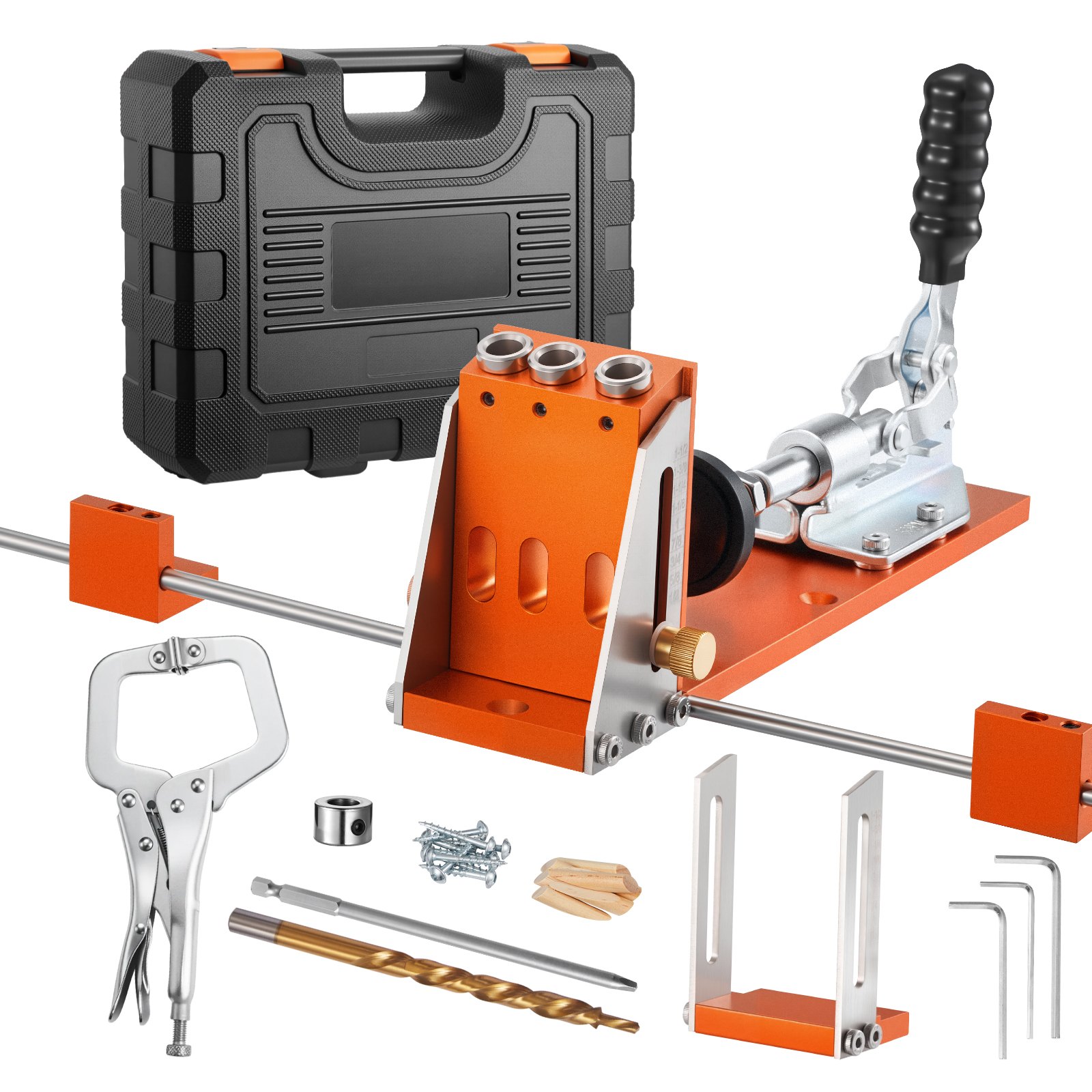
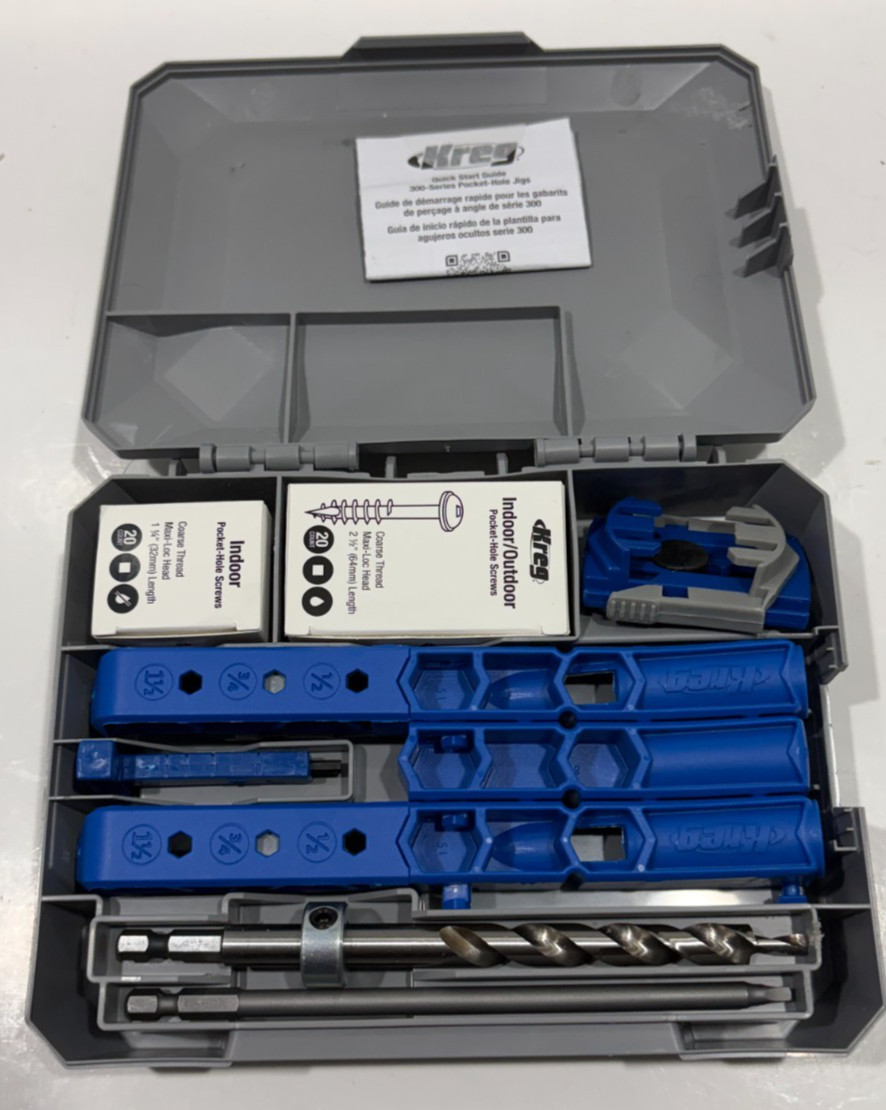
A Kreg Jig kit is a pocket-hole joinery system: a drill guide, stepped drill bit, stop collar, and driver bit that let you bore angled pilot holes and drive self-tapping screws for strong, hidden joints in wood. The core trade-off is between fixed, single-material jigs and adjustable multi-material jigs with hardened bushings; durable kits use hardened steel guides, a depth-setting collar, and a dust-collection port, while cheap kits rely on soft metal or plastic guides that oval out. The decision rule: buy a kit whose guide block can be set to your actual stock thickness (½–1½ in) and whose bushings are hardened steel—skip any jig with molded-in, non-replaceable guides.

Woodworking Clamps, Jigs & Joinery

Kreg Pocket Hole Jig Kit

Kreg pocket hole jig kits are modular drilling systems that let you create strong, hidden angled-screw joints in wood without a shop full of tools. The core trade-off is clamp force and adjustability versus portability: single-hole entry jigs rely on manual clamping and fixed settings, while multi-hole kits add material stops, thickness setters, and vacuum ports for repeatable production work. Choose a kit with a hardened-steel drill guide bushing and a rigid clamp; skip fixed-angle plastic jigs if you plan to work in hardwoods or assemble daily.

Woodworking Clamps, Jigs & Joinery

Table Saw Clamp

A table saw clamp is a work-holding device that secures stock or accessories to the saw's table, fence, or miter slot, preventing kickback and enabling safe, repeatable cuts. The primary trade-off is between quick-release, low-profile hold-downs for general ripping and heavy-duty, high-clearance clamps for sleds and jigs, with durability determined by clamp bar rigidity and clamping force. Buy a clamp whose bar and jaw geometry match your saw's miter slot width and table thickness; skip any clamp that lacks a positive locking mechanism or whose reach cannot clear your blade guard.

Workbenches & Shop Equipment

Planer Stand With Wheel

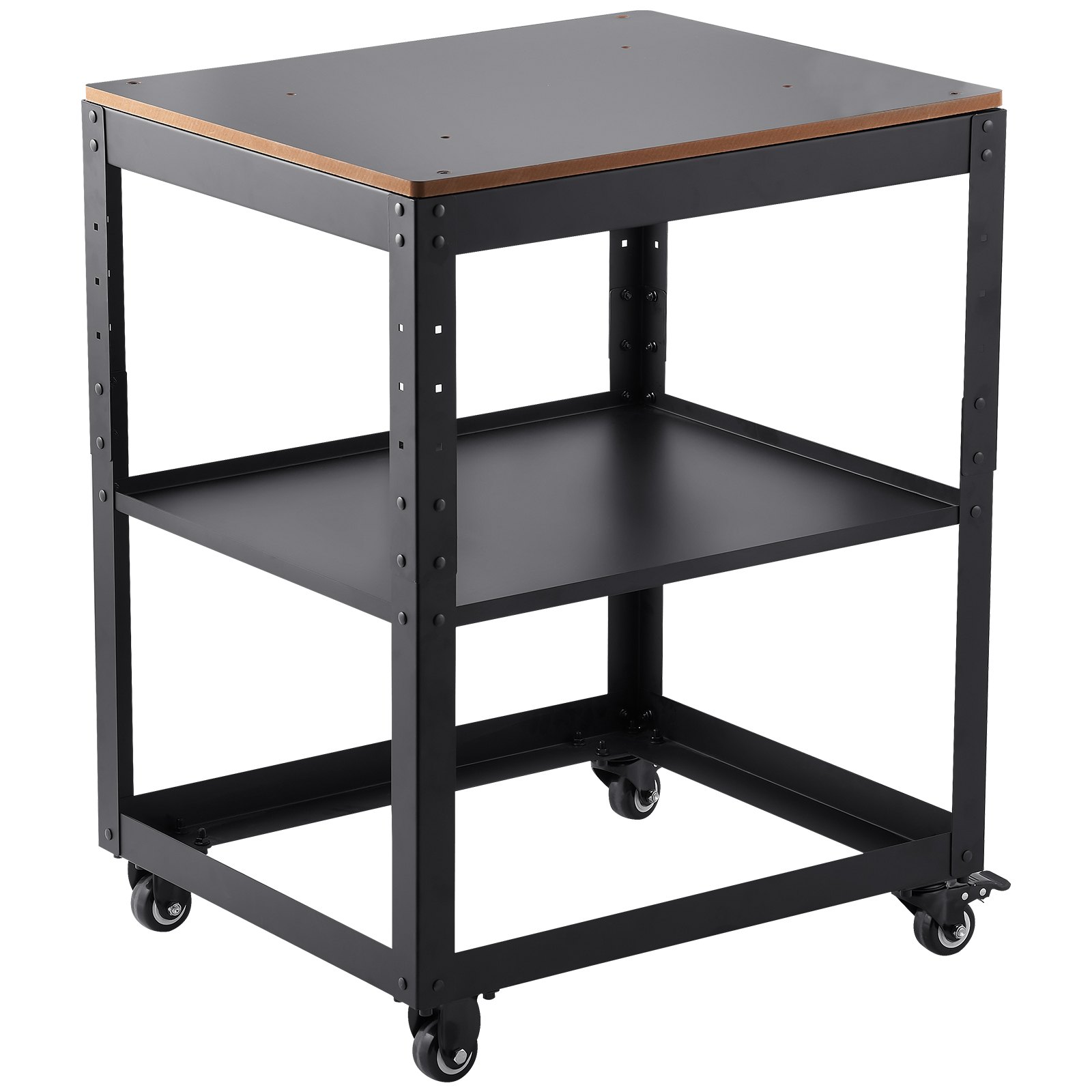
A planer stand with wheels is a mobile base that supports a benchtop thickness planer and lets you reposition it in a small shop; the core trade-off is load rating and wheel quality versus footprint and height-adjustability. Buy the stand rated at least 1.5x your planer's wet weight with locking casters and a steel frame; skip particle-board or plastic bases and fixed-height stands if you need to match infeed/outfeed heights.

Power Tools

Cordless Dual Action Polisher

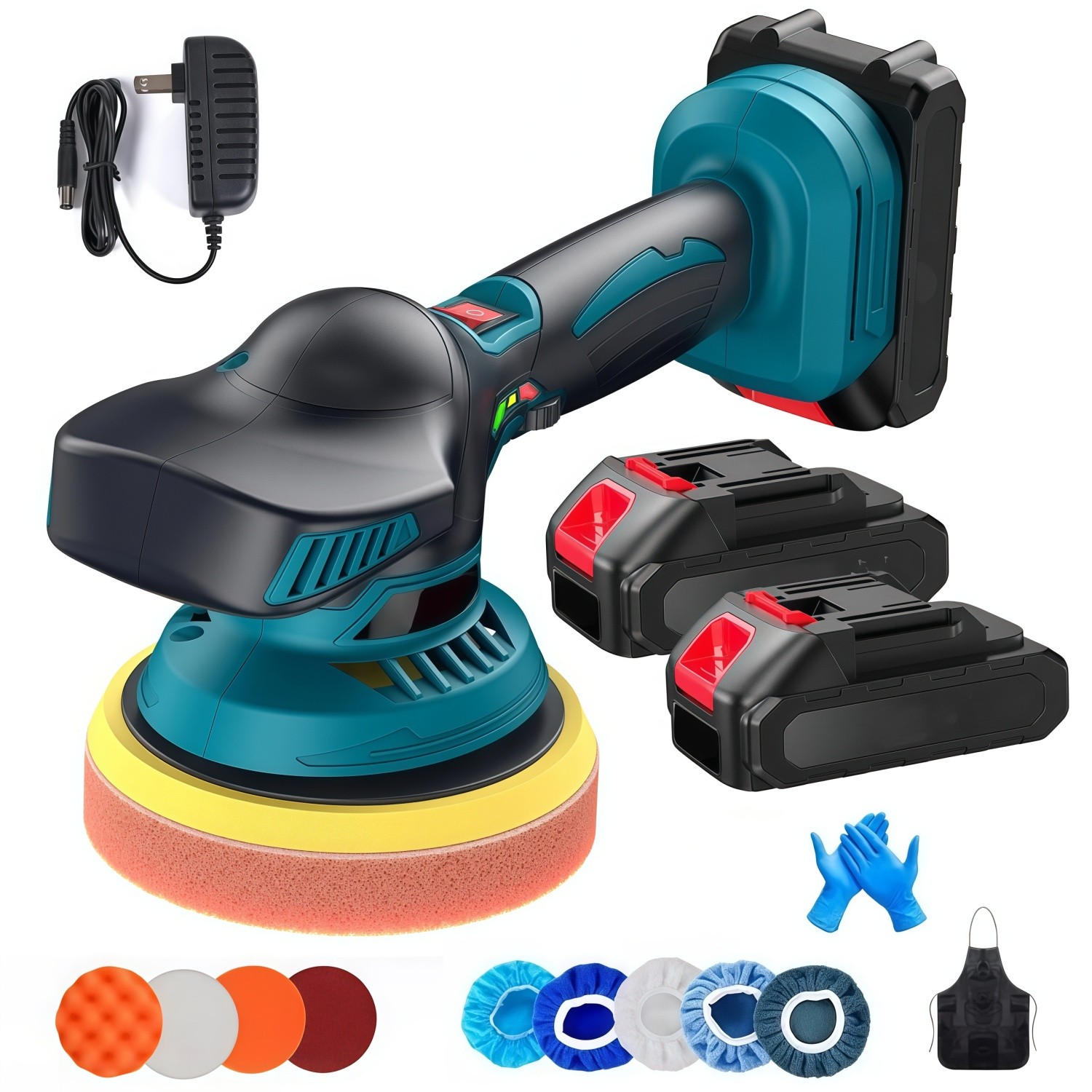
A cordless dual-action (DA) polisher uses a free-spinning offset pad to randomize motion, preventing holograms and burn-through that rotary buffers cause on paint. The core trade-off is battery platform vs. pad throw: 8mm throw is safe for beginners and spot repair, while 15-21mm long-throw units clear full panels faster but demand more technique and torque. Buy into a battery system you already own or commit to a platform with at least 4Ah cells and 5-inch pads; generic single-battery kits with 6-inch pads and unknown cell grades are the compromise tier.

Flashlights & Headlamps

Automotive Work Light

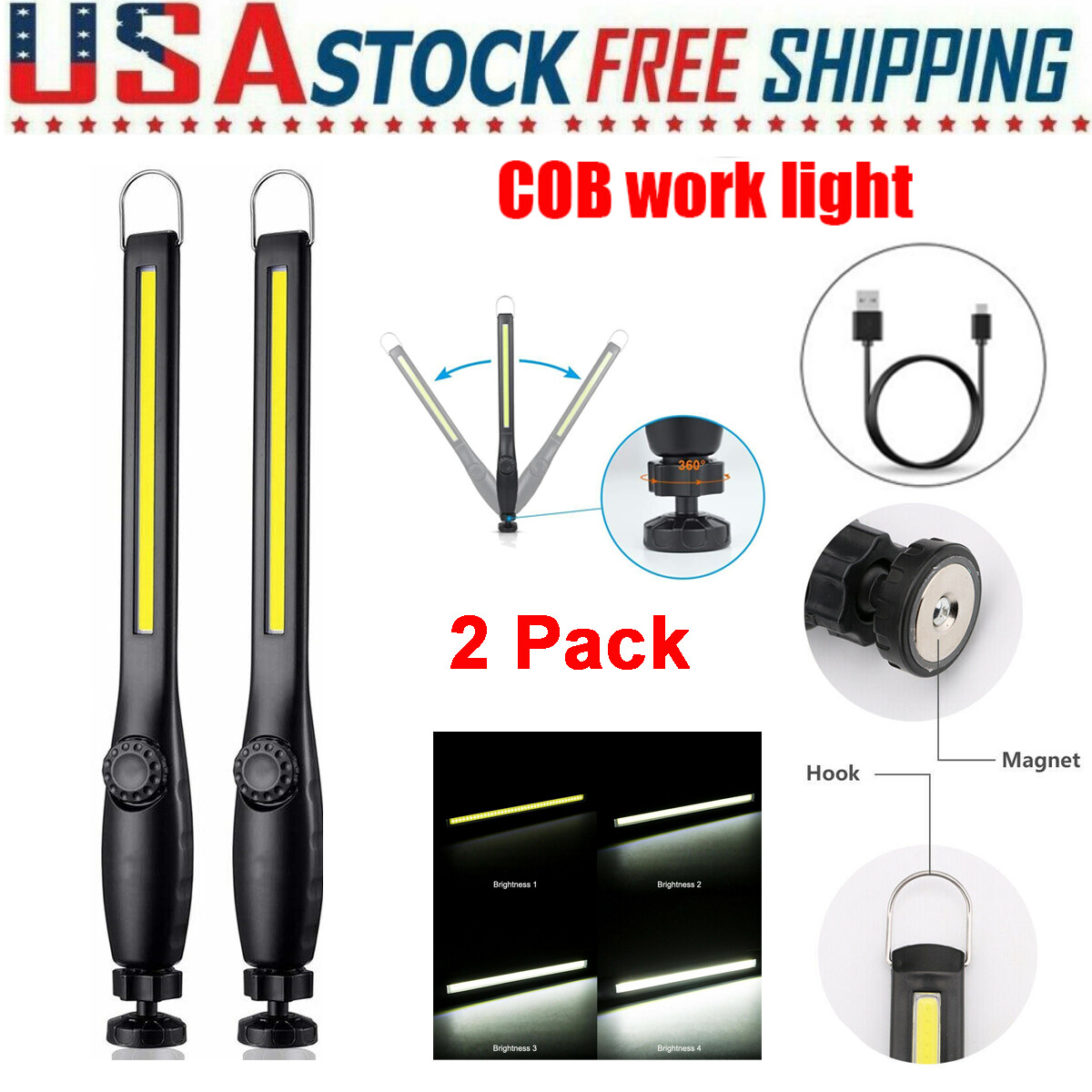
Automotive work lights are portable, often magnetic or hanging LED fixtures built to illuminate engine bays, undercarriages, and roadside repairs. The primary trade-off is between raw lumen output and runtime versus ruggedized construction—impact-resistant housings, IP-rated water/dust sealing, and reliable magnetic or hook mounting. Durable options use aluminum or reinforced polymer bodies with regulated drivers and standard USB-C charging; compromises are plastic-shell lights with unregulated output that dims as the battery drains and weak magnets that drop under vibration.

Woodworking Clamps, Jigs & Joinery

Kreg Pocket Hole Jig

A Kreg pocket hole jig is a guided drilling system that bores angled pilot holes for hidden screw joinery, and the core trade-off is between fixed single-position blocks and adjustable multi-material carriages. Choose an adjustable, hardened-steel jig with a clamped workpiece and dust collection for furniture-grade repeatability; fixed plastic blocks are only for light repair work.

Woodworking Clamps, Jigs & Joinery

Panel Clamp

Panel clamps are long-reach bar or pipe clamps designed to pull wide boards, panels, and cabinet parts into flush, gap-free glue-ups; the core trade-off is jaw reach and rail rigidity versus weight and cost. Durable panel clamps use hardened steel rails or thick-walled pipe with anti-slip clutch plates and swivel pads, while compromises flex under load or lose clamping force at full extension. Buy the longest rail your widest panel requires with a proven clutch mechanism; skip short bar clamps repurposed as panel clamps and any clamp whose rail visibly bows at full reach.

Woodworking Clamps, Jigs & Joinery

Table Clamp

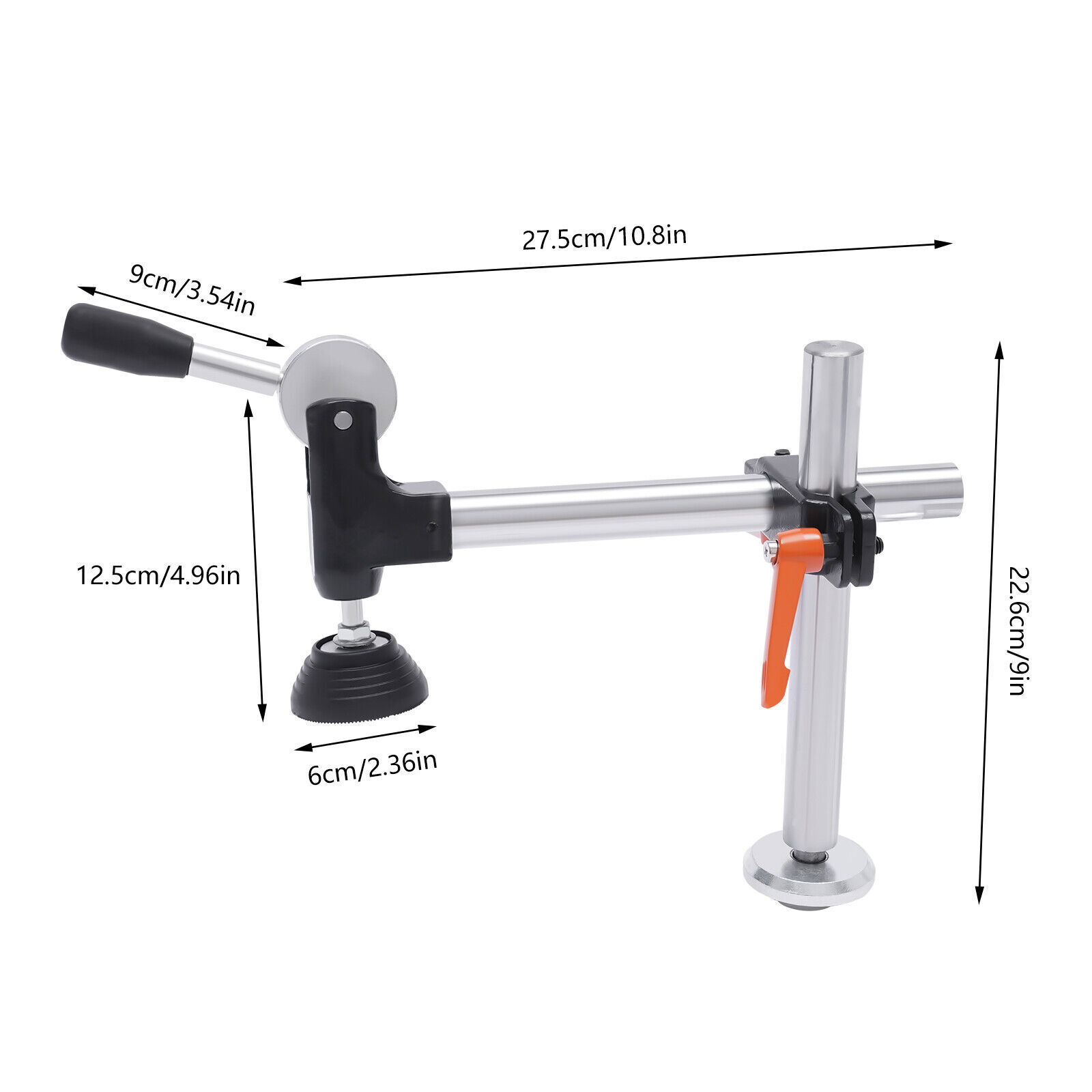
Table clamps secure workpieces to a bench or table, and the decisive trade-off is clamping force delivery versus table-slot compatibility—cheap F-style clamps flex and slip, while dedicated hold-down and toggle clamps lock rigidly. The rule: buy a clamp whose throat depth and bar thickness match your tabletop or T-slot, and skip any clamp with a stamped steel jaw or plastic body for load-bearing work.

Workbenches & Shop Equipment

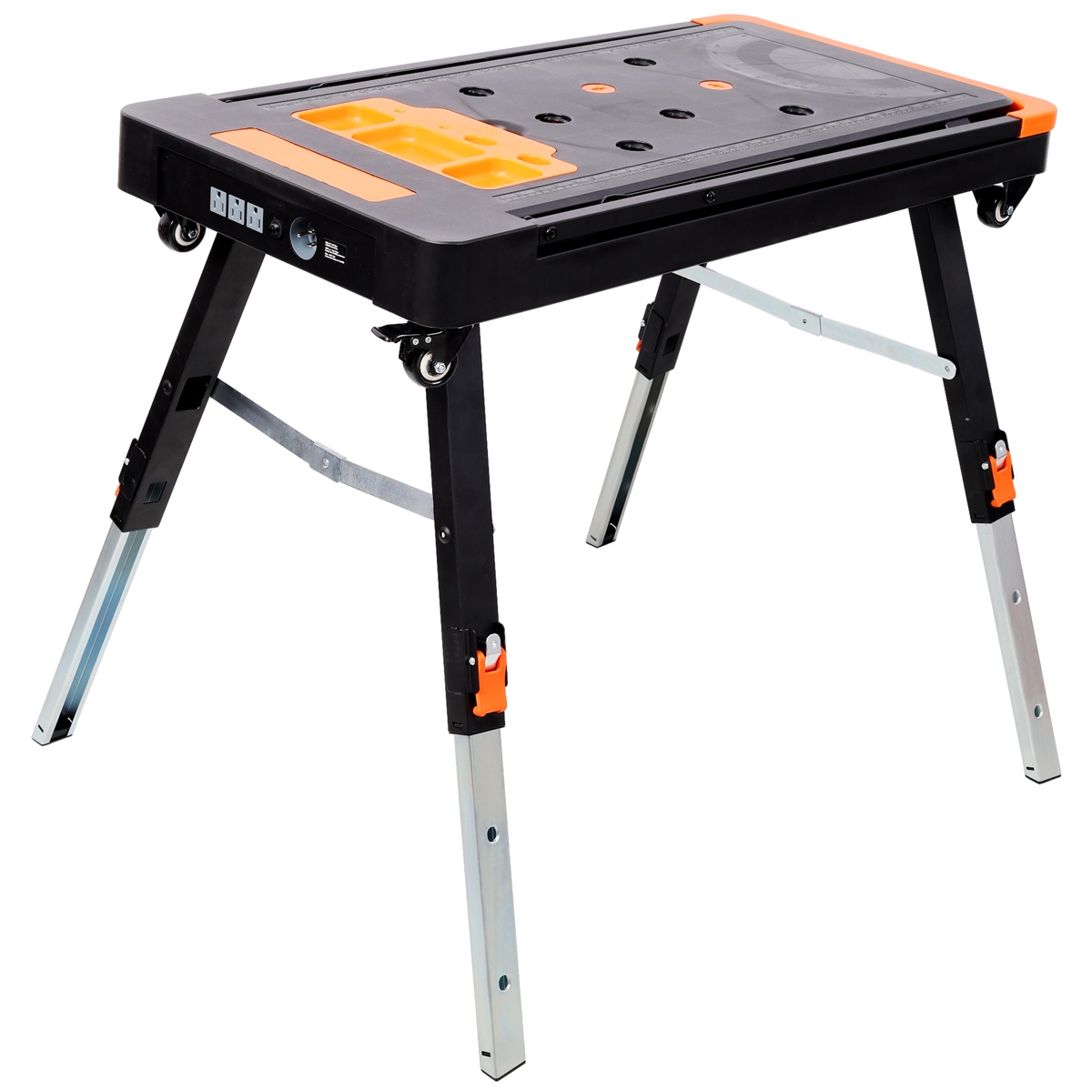
Heavy Duty Folding Work Table

A heavy duty folding work table is a portable, stowable workbench engineered to resist racking and surface deflection under sustained loads. The core trade-off is between folded-portability and load-bearing rigidity: tables that fold flat save space but rely on thinner tops, fewer braces, or plastic joints that flex under hammering and clamping. Choose a steel-framed table with a top of at least 1-inch-thick engineered wood or 18-gauge steel and a rated capacity of 300 lb or more; skip any table with a particleboard top under 3/4 inch, plastic folding hinges, or a capacity under 200 lb.

Soldering & Electronics Repair Tools

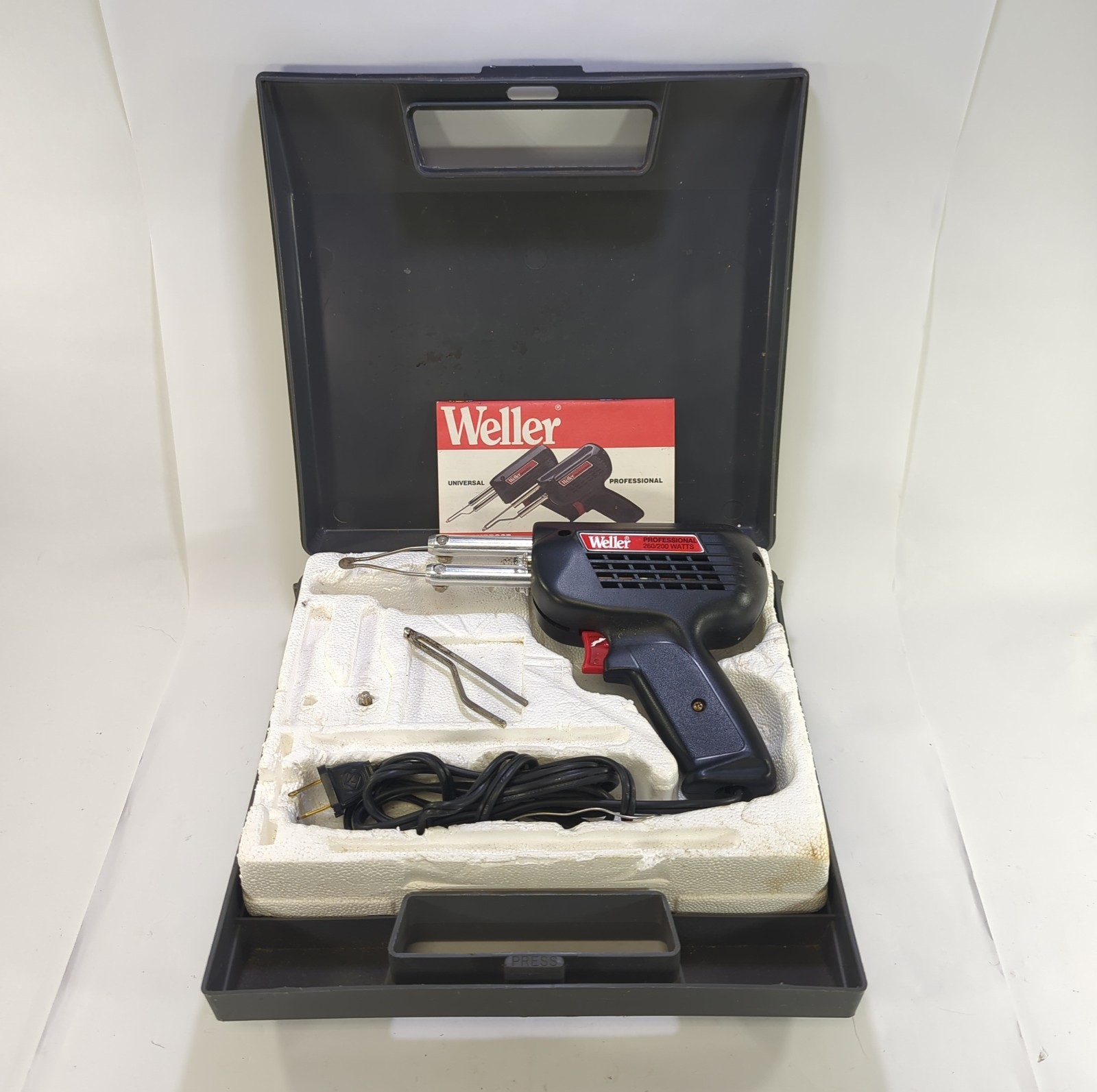
Weller Soldering Gun Kit

A Weller soldering gun kit is a high-wattage, instant-heat tool built for heavy-gauge wire, chassis lugs, and rapid rework where a pencil iron stalls. The core trade-off is trigger-controlled dual-heat power versus continuous-duty thermal recovery, and the rule is simple: buy a gun only for intermittent high-mass joints; choose a temperature-controlled station for sustained PCB work.

Woodworking Saws & Planers

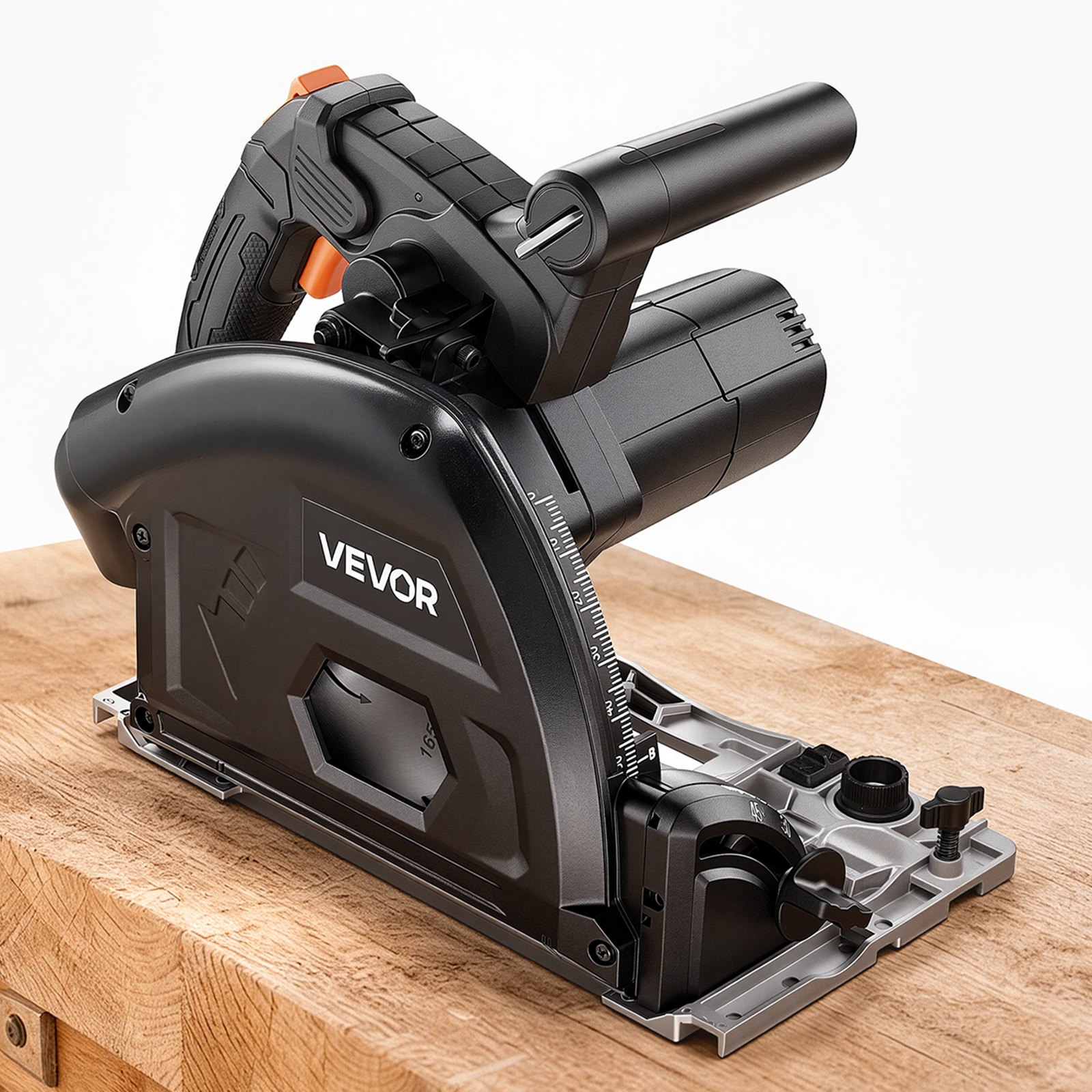
Track Saw Circular Saw

A track saw circular saw is a plunge-cut circular saw paired with a straight guide rail to deliver dead-straight, splinter-free cuts that rival a table saw on full sheets. The core trade-off is rail compatibility and plunge mechanism precision versus raw wattage—a 1400W saw on an incompatible or flimsy rail will wander, while a lower-power saw on a rigid, anti-slip rail cuts cleanly. The decision rule: buy a saw whose rail system is explicitly named and supported, and treat 'guide rail not included' listings as saw-only purchases that require a separate rail investment.

Woodworking Saws & Planers

Circular Saw Rail

A circular saw rail (guide rail) is an extruded aluminum track that constrains a compatible circular saw or plunge saw to a dead-straight cut, replacing a freehand fence. The core trade-off is rail system compatibility and extrusion rigidity: a rail only works with saws whose baseplate groove and offset match the rail's rib, and thin-walled rails flex under load. Buy a rail that explicitly lists your saw model or a universal adapter, and choose a rail with a rib-and-groove profile and at least 1.5 mm wall thickness for durable straight cuts.

Woodworking Saws & Planers

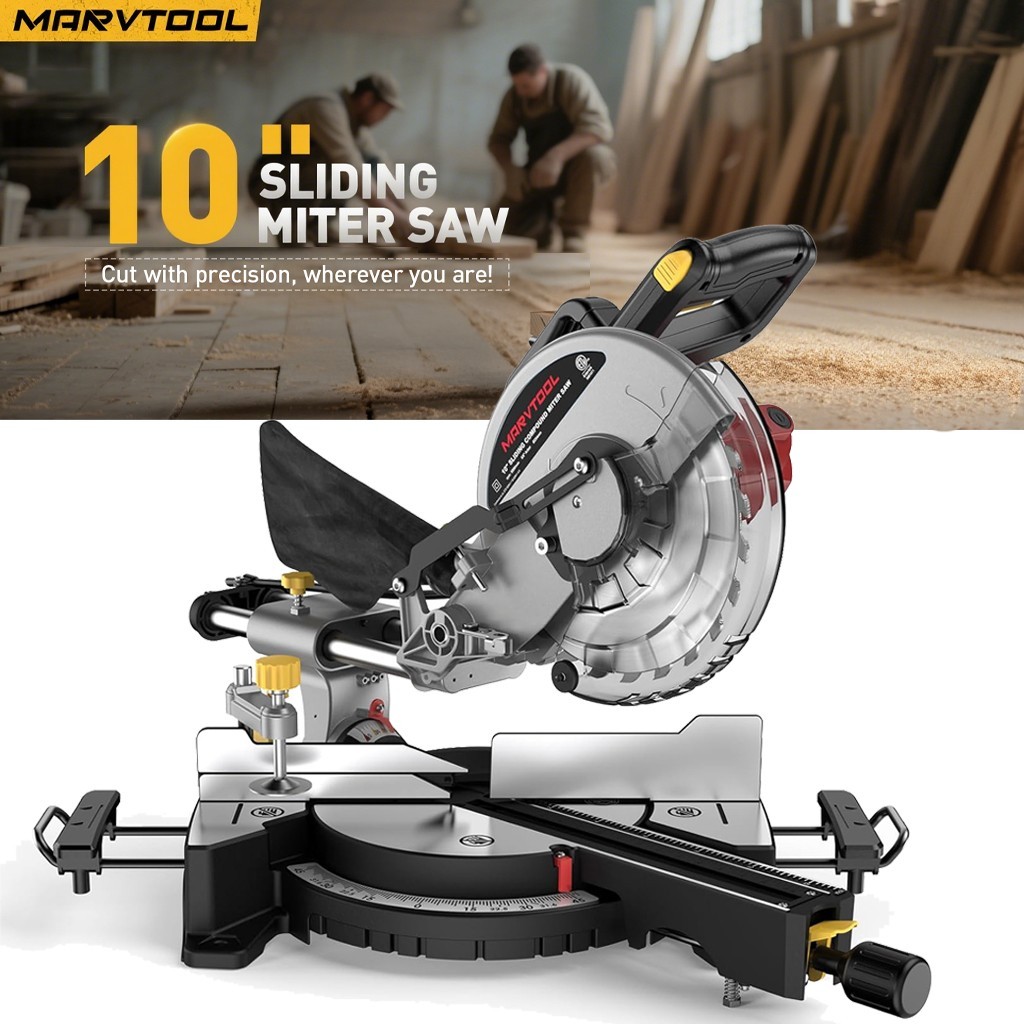
Marvtool Miter Saw

The Marvtool Miter Saw is a sliding compound miter saw aimed at compact home-workshop and job-site use, where the core trade-offs are motor type, sliding-rail rigidity, and table/fence construction versus a full-size professional unit. The decision rule: buy a sliding compound saw only if its crosscut capacity and bevel/miter range match your widest stock and intended trim angles; otherwise a fixed single-bevel saw saves cost and space without losing capability for 90-degree cuts.

Wood Routers & Carving Tools

Flush Trim Router Bit

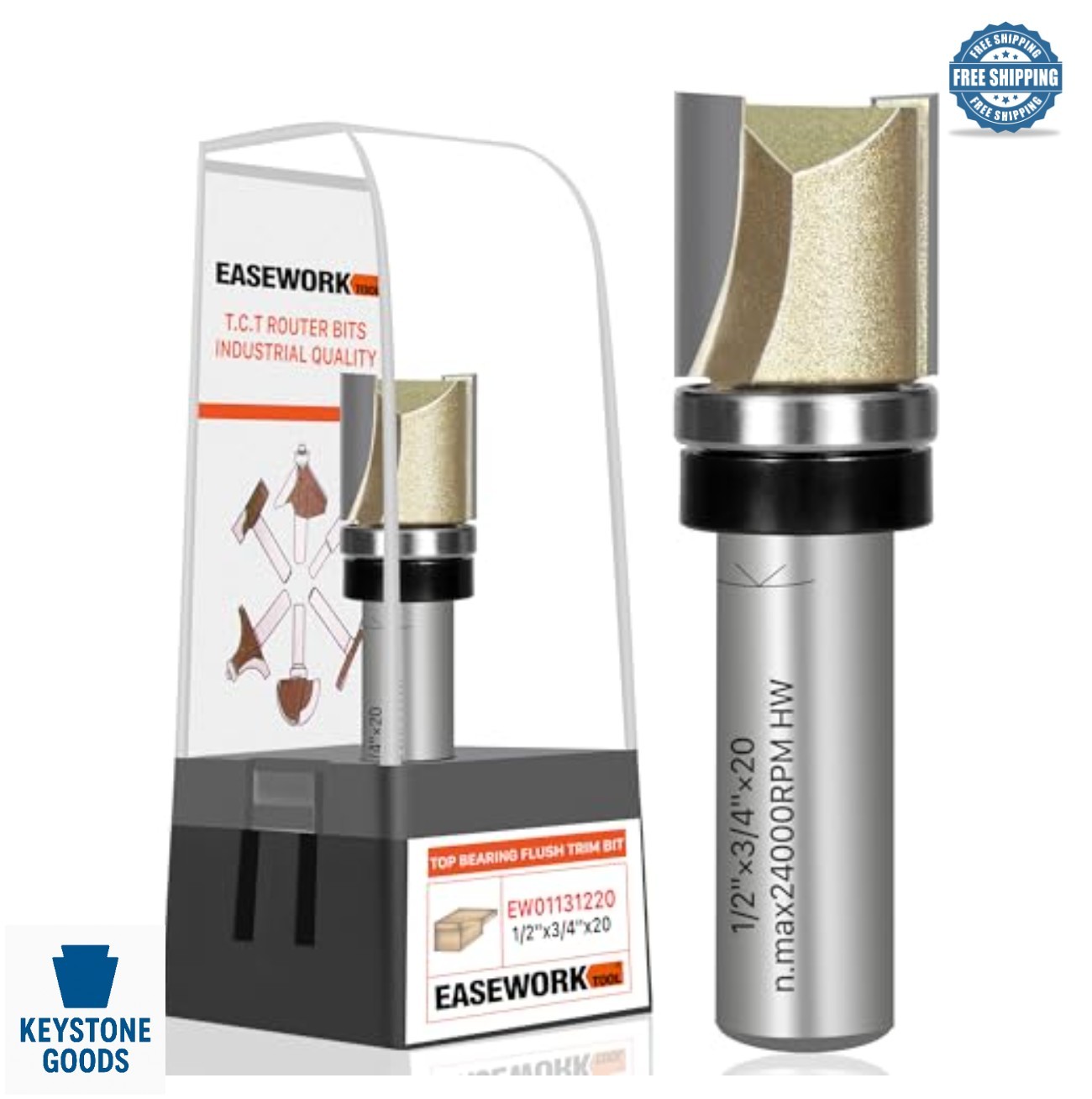
Flush trim router bits are pattern-following tools defined by their bearing-guided cutting geometry and shank diameter. The core trade-off is between 1/4-inch shanks for compact routers and 1/2-inch shanks for stability and deep cuts, with carbide grade and bearing quality determining edge life and accuracy. Choose a 1/2-inch shank carbide bit with a sealed bearing for production work; accept a 1/4-inch shank only for light trimming in a palm router.

Woodworking Clamps, Jigs & Joinery

Square Clamp

Compare current listings and seller terms before buying.

Painting & Finishing Supplies

Rust Converter Primer

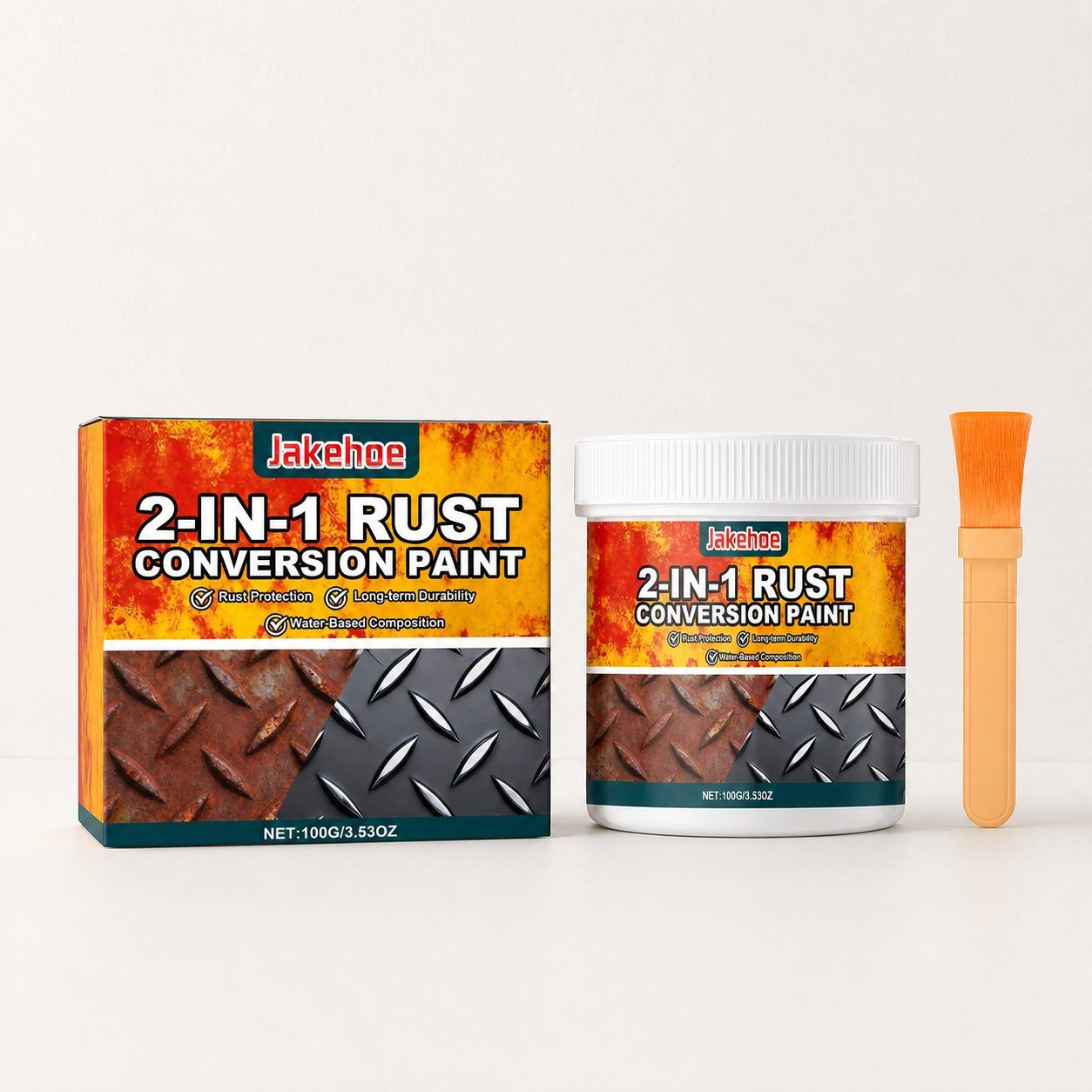
Rust converter primers chemically neutralize iron oxide and leave a protective polymer layer that can be topcoated, unlike plain rust-preventive paints that only seal over active corrosion. The core trade-off is conversion chemistry strength versus surface tolerance: cheap latex-based converters fail on heavy scale, while solvent-borne or water-based acrylic converters with phosphoric acid or tannin conversion agents bond only to tightly bound rust. The decision rule is simple: choose a converter rated for tightly adhering rust and a dry film thickness of at least 2 mils, and skip any product that requires perfectly white-metal blasting—that is a primer, not a converter.

You may also like

Finding more guides for you…