DIY Tool Picks

DIY Tool Picks

Tools & Home Improvement Reviews & Buying Guides

Compare tools & home improvement by use case, features, trade-offs, price, returns, and seller terms before you buy.

Buying guides

Hand Tools

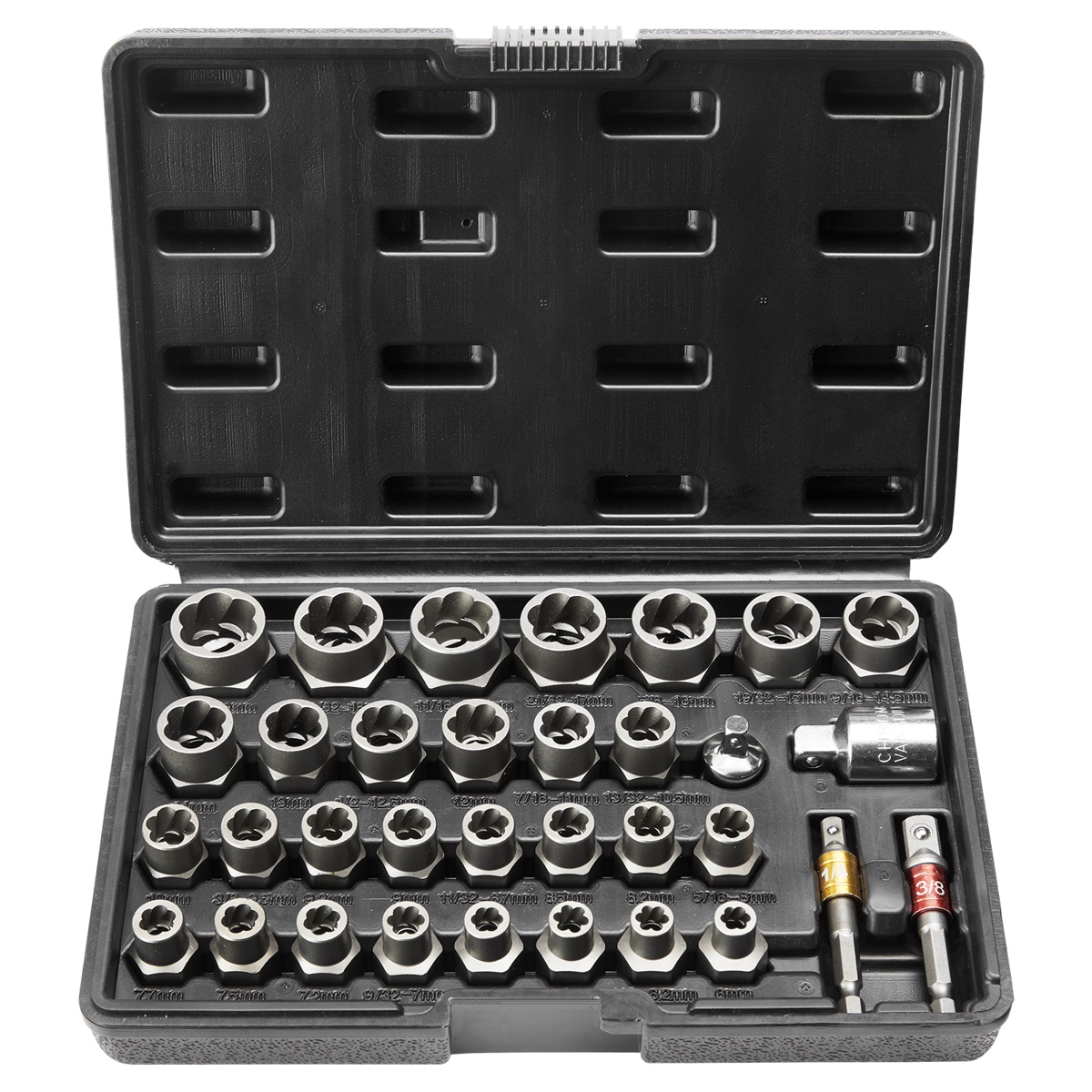
Extraction Socket Set

Extraction socket sets are specialized hand tools designed to grip and remove damaged, rounded, or rusted fasteners that standard sockets cannot turn. The primary trade-off is between chromium-molybdenum (Cr-Mo) steel for high-torque impact use and chromium-vanadium (Cr-V) steel for lighter, corrosion-resistant general use. Choose Cr-Mo for seized bolts and impact drivers; choose Cr-V only for hand-tool use on mildly damaged fasteners.
Home Repair

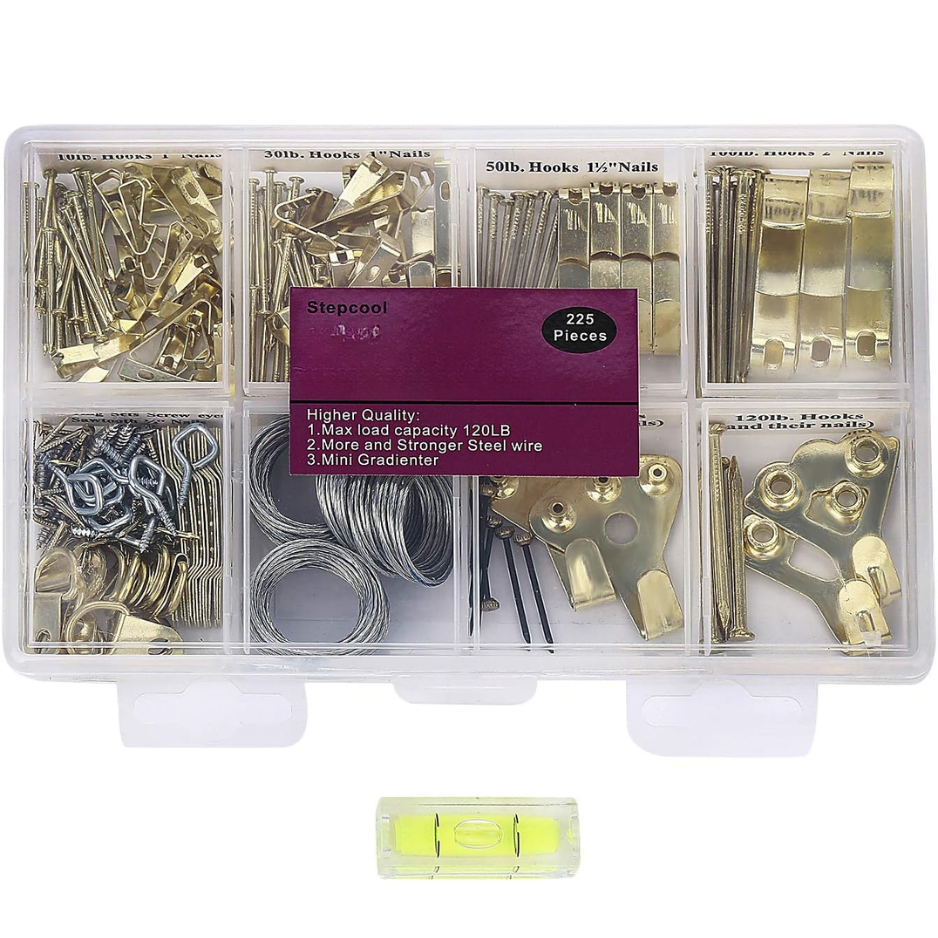
Hanging Heavy Picture Without Nail

Nail-free heavy-picture hanging relies on adhesive strips, hooks, or toggle-style anchors that transfer load into drywall or plaster without studs. The core trade-off is between chemical adhesive systems (damage-free but load-limited and surface-sensitive) and mechanical anchors (higher capacity but require drilling and patching). Choose adhesive strips for flat, clean, painted drywall under 20 lb per strip pair; choose mechanical toggles or self-drilling anchors for anything above 30 lb or on plaster, tile, or brick.

Woodworking Clamps, Jigs & Joinery

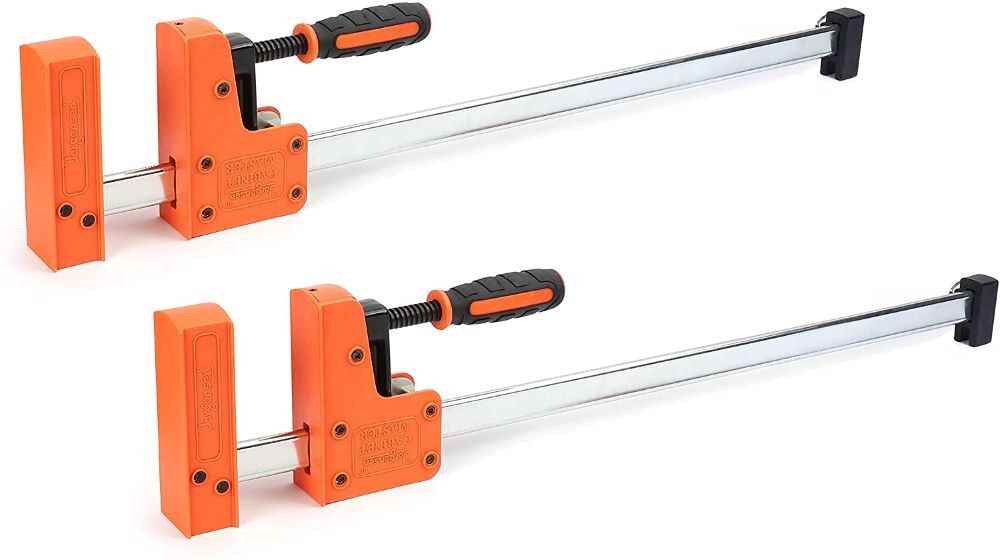
Jorgensen Parallel Clamp

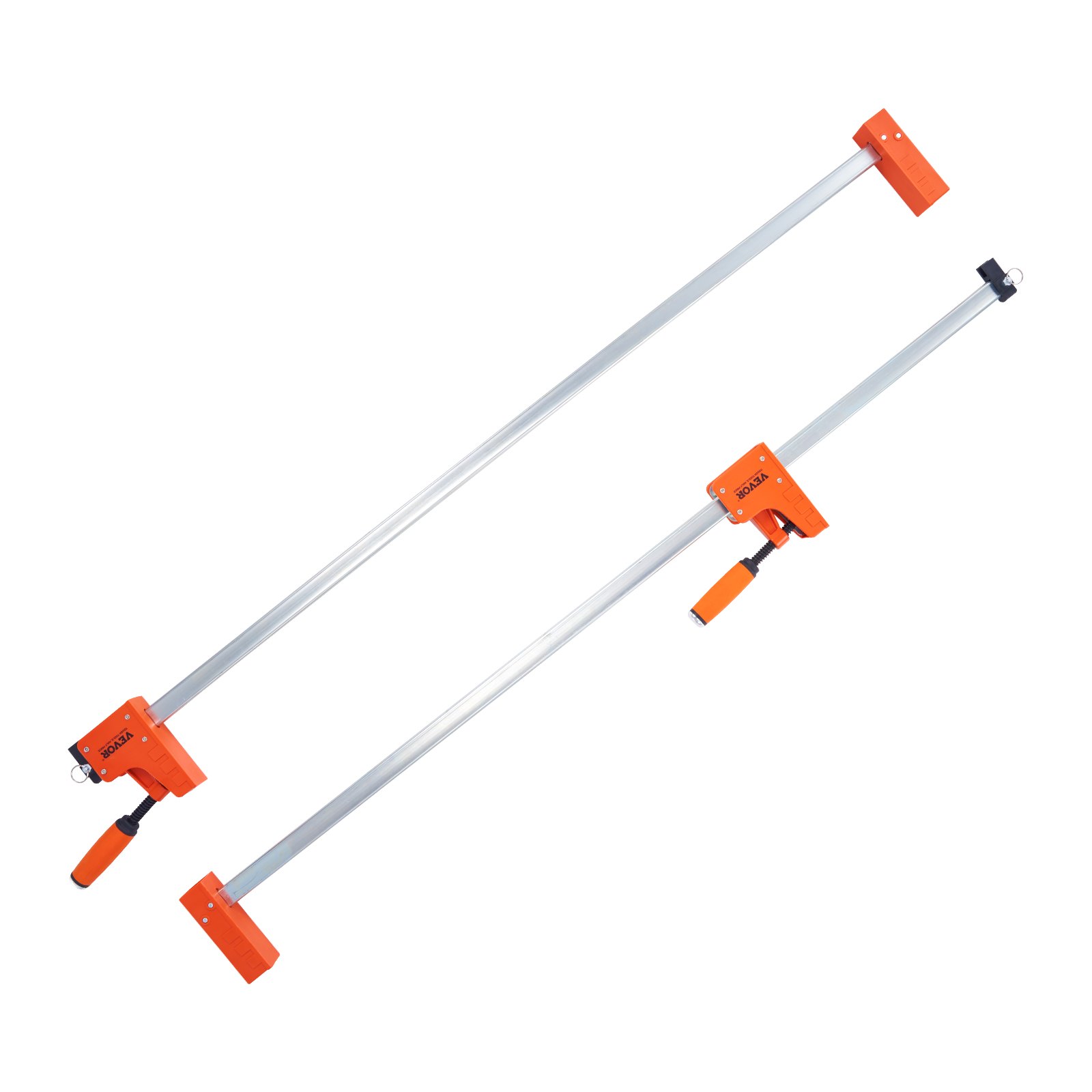
Jorgensen parallel clamps are heavy-duty bar clamps with wide, flat jaws that stay parallel to the bar, delivering even clamping pressure across panels and glue-ups. The key trade-off is jaw rigidity and bar straightness versus weight: steel bars and cast jaws hold panels flat, while lighter aluminum or plastic-bodied clamps flex under load. Buy steel-bar Jorgensen parallel clamps for cabinet and tabletop glue-ups; skip them for light craft work where a quick-grip or F-clamp is faster and cheaper.

Home Repair

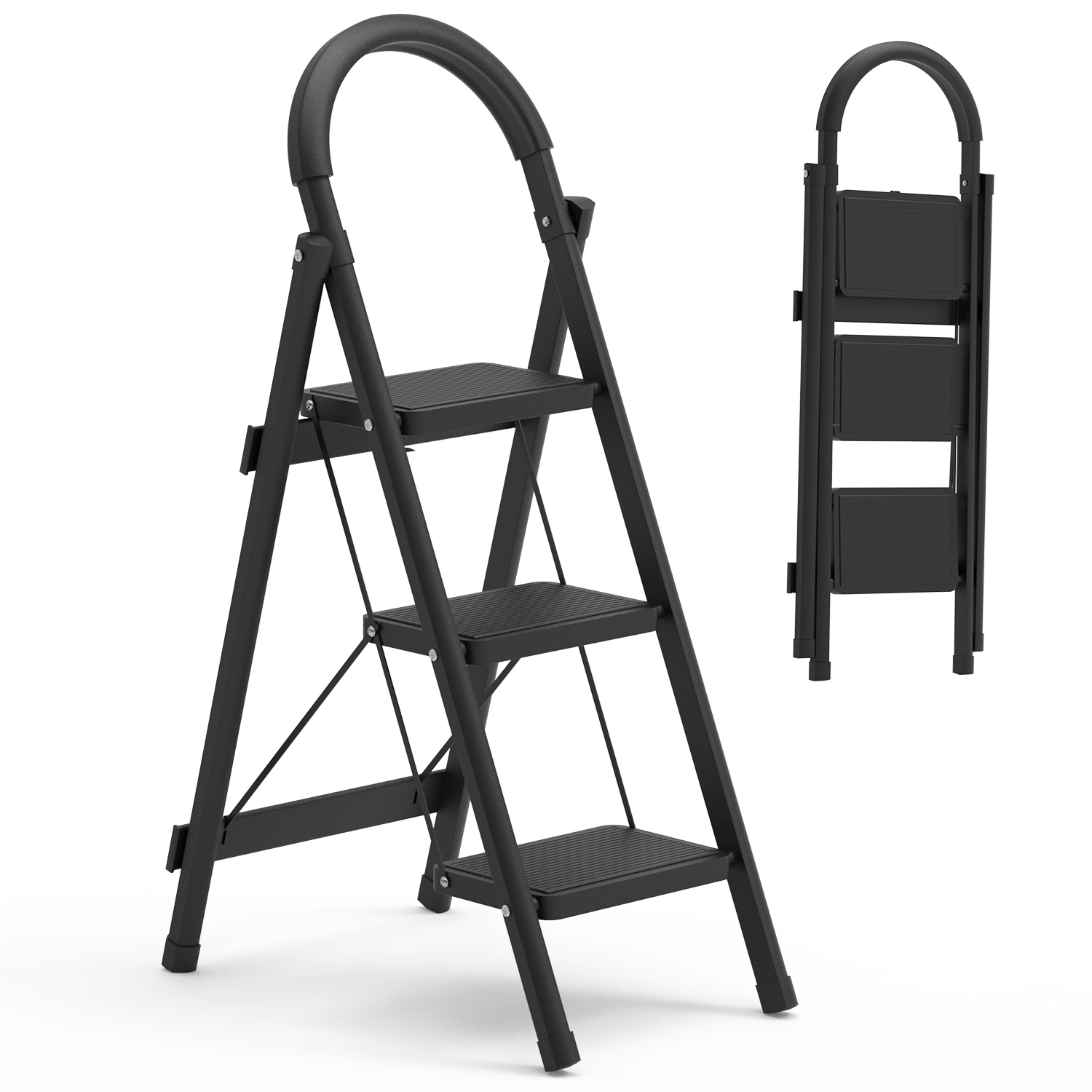
Foldable Ladder

A foldable ladder is a compact, temporary access platform that trades fixed structural mass for portability via hinges, locking joints, and lightweight materials. The core trade-off is load capacity and stability versus folded size and weight: stamped-steel or aluminum step stools with rated capacities of 300–330 lb are durable household tools, while thin-gauge plastic or unrated hinges are convenience compromises. The decision rule: buy only ladders with a published ANSI Type rating (Type III 200 lb, Type II 225 lb, Type I 250 lb, Type IA 300 lb) and a locking mechanism that engages on every hinge.

Power Tools

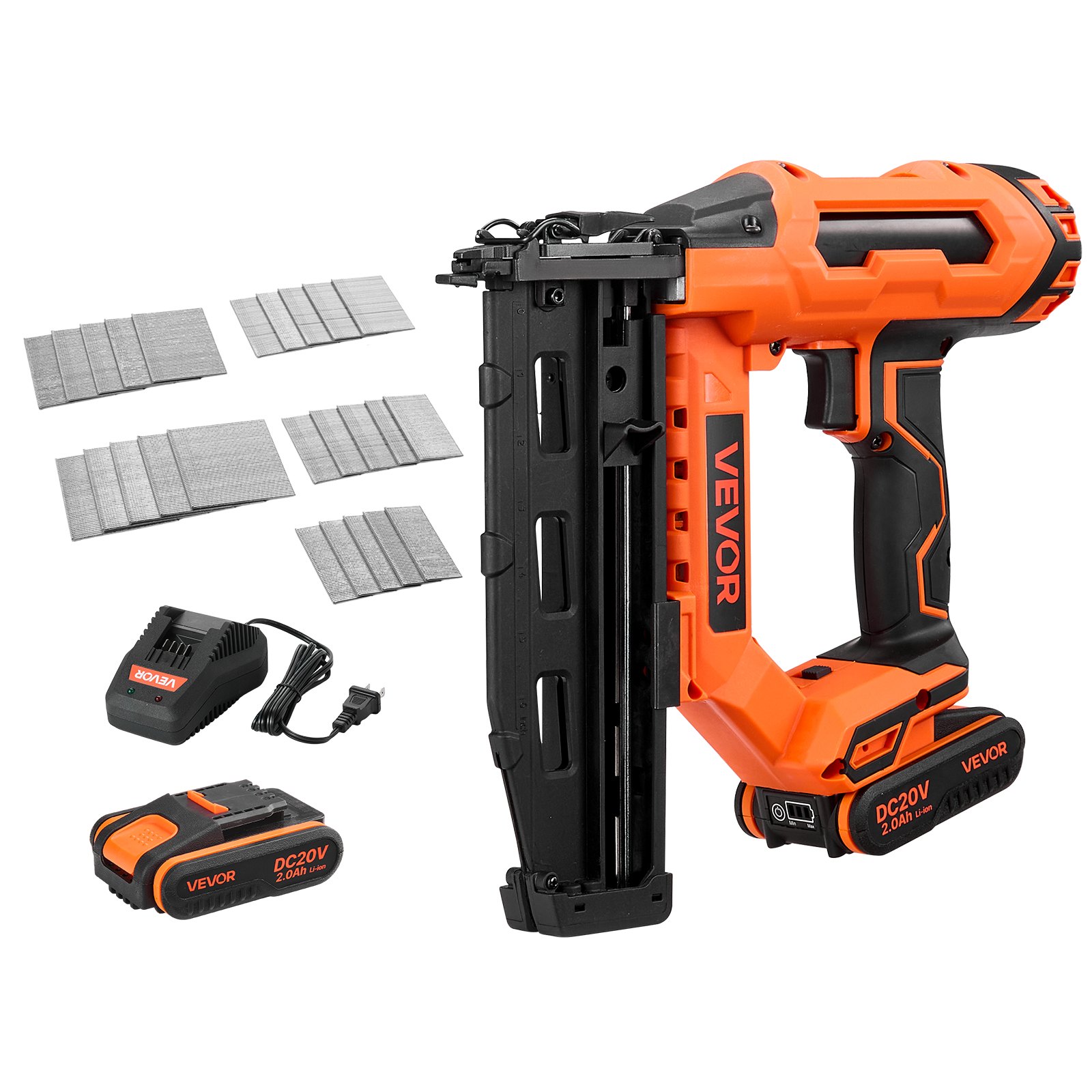
Cordless Finish Nailer

A cordless finish nailer is a battery-powered trim nailer that drives 15- or 16-gauge fasteners into baseboard, casing, crown, and cabinetry without a compressor hose. The core trade-off is drive mechanism: flywheel/spring ram systems deliver consistent depth and fast cycle rates, while cheaper solenoid or combustion designs lose power as the battery drains. Buy a 16-gauge straight or 15-gauge angled model from a battery platform you already own; skip any no-name brand with proprietary batteries and no replacement-parts supply.

Flashlights & Headlamps

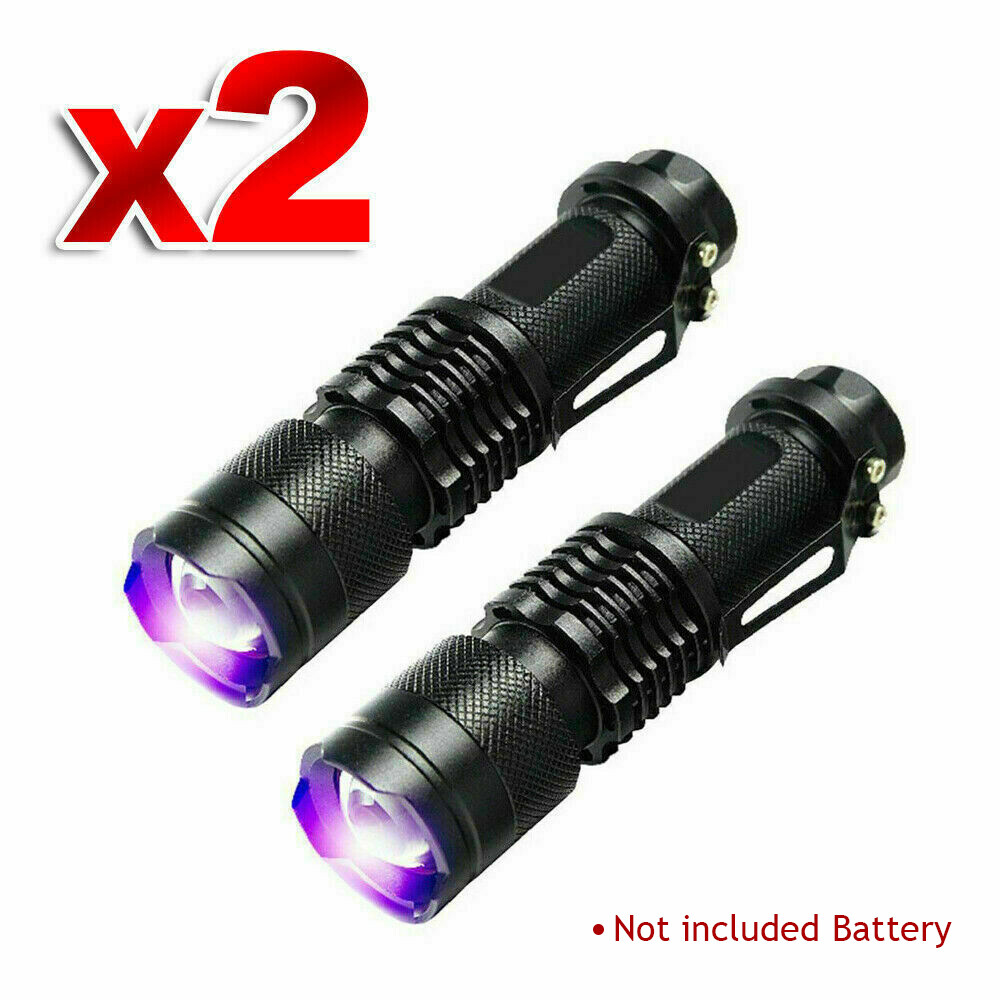
Compact Flashlight

Compact flashlights span keychain EDC lights, pocket throwers, and 18650/21700 rechargeable work lights, where the core trade-off is output and runtime versus pocketable size and cell chemistry. The decisive rule: buy a light with a user-replaceable standard cell (14500, 18650, 21700) and a regulated driver if you need durability, and skip sealed non-replaceable micro-cells unless the light is a backup keychain unit.

Electrician Hand Tools

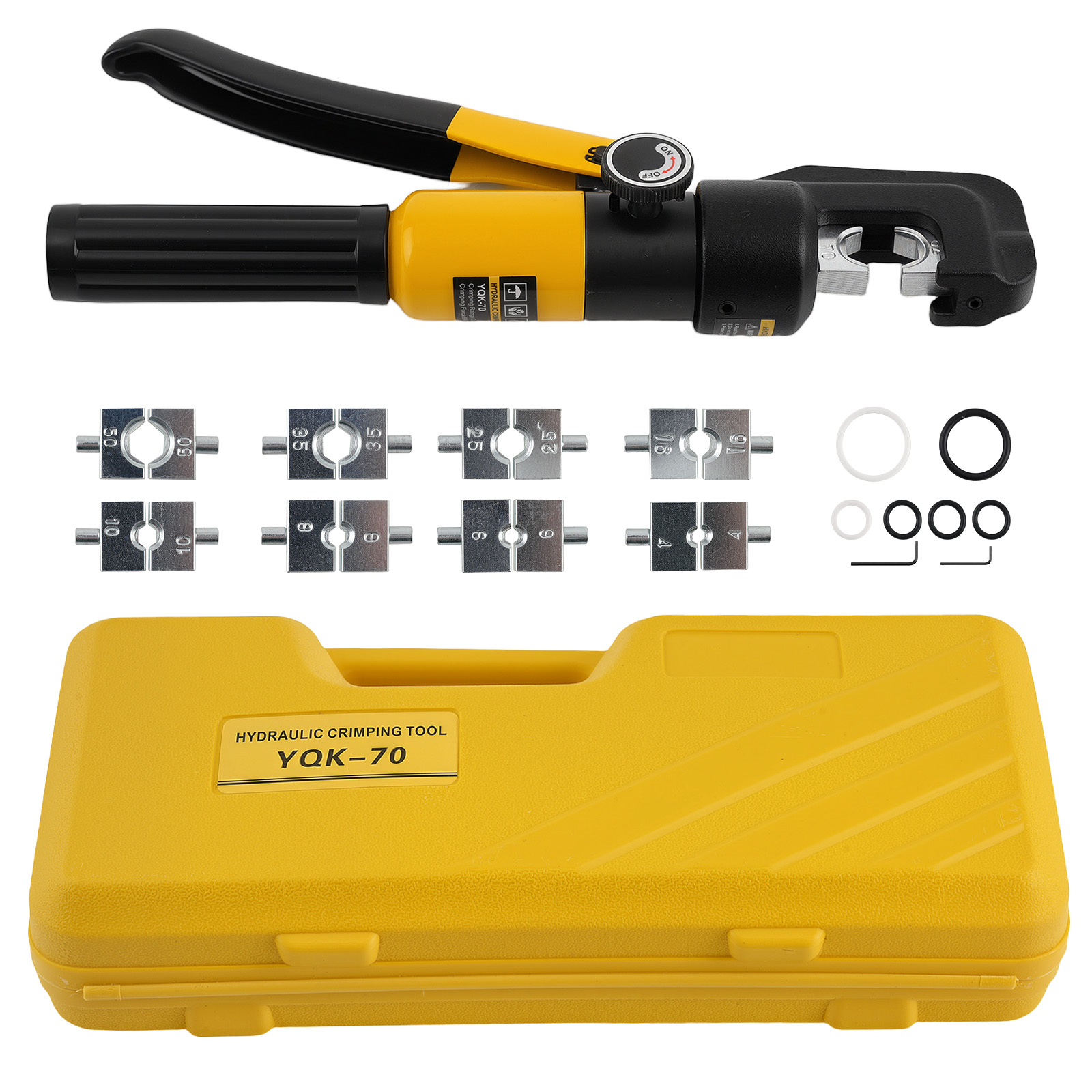
Professional Wire Crimping Tool

A professional wire crimping tool is a ratcheting or hydraulic press that permanently joins a terminal to conductor using calibrated force, not a plier-style squeeze. The core trade-off is die compatibility and jaw geometry versus raw handle pressure: interchangeable-die frames demand the correct die set for each terminal family, while fixed-die tools only serve one connector standard. The decision rule is simple: buy a tool whose die range and crimp profile match the terminals you actually stock, and skip anything that cannot complete a full cycle before release.

Dust Collection, Sanding & Finishing

Cordless Drywall Sander

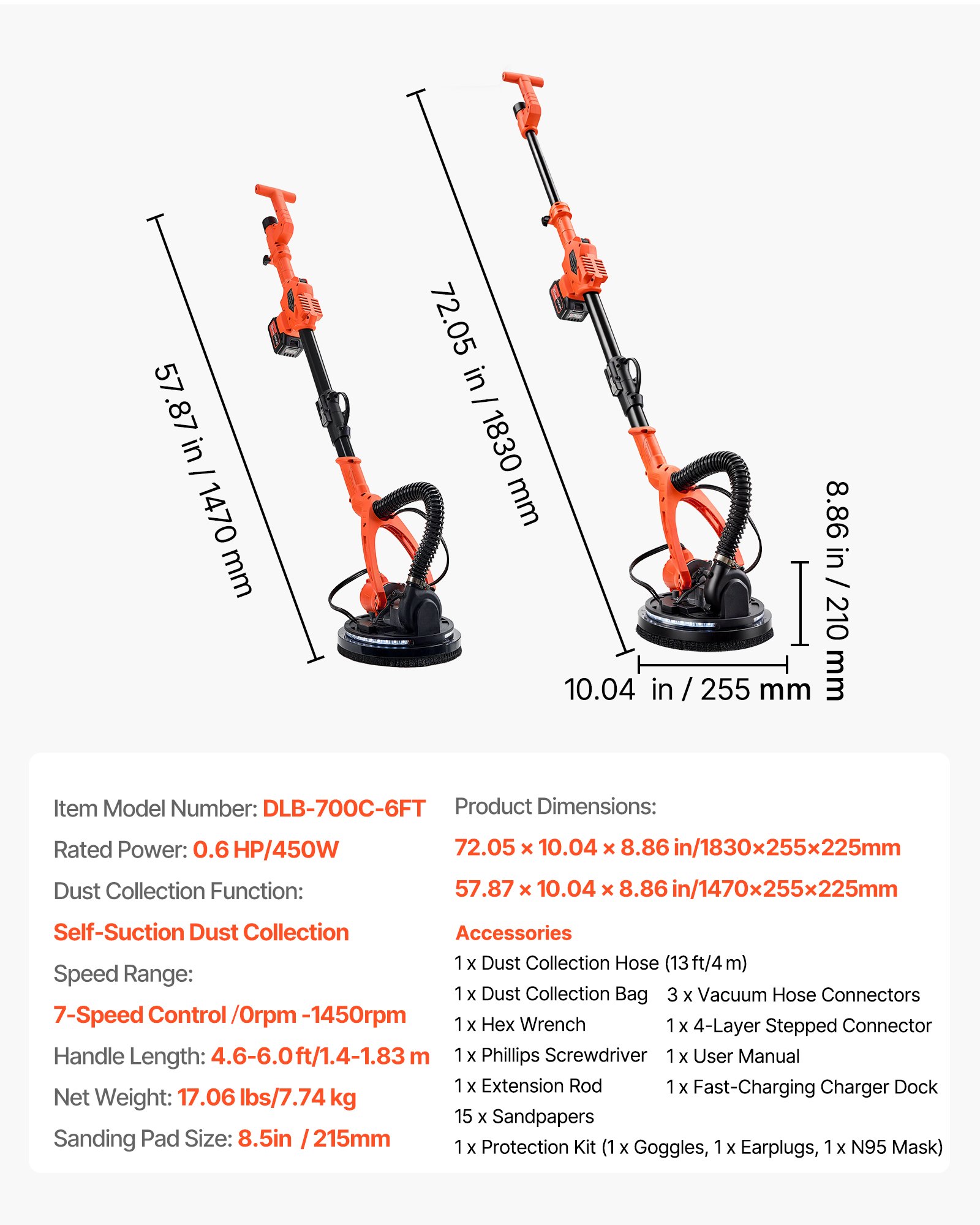
A cordless drywall sander is a battery-powered rotary tool with an articulating head and dust port for flattening drywall joints and removing texture without a wall outlet. The core trade-off is runtime and head torque versus corded constant power, so buyers must match battery platform and disc diameter to ceiling work. Durable options use brushless motors, rigid telescoping shafts, and sealed dust paths; compromises rely on brushed motors, flex-shaft wobble, and leaky cloth bags.

Woodworking Clamps, Jigs & Joinery

Cabinet Hardware Jig

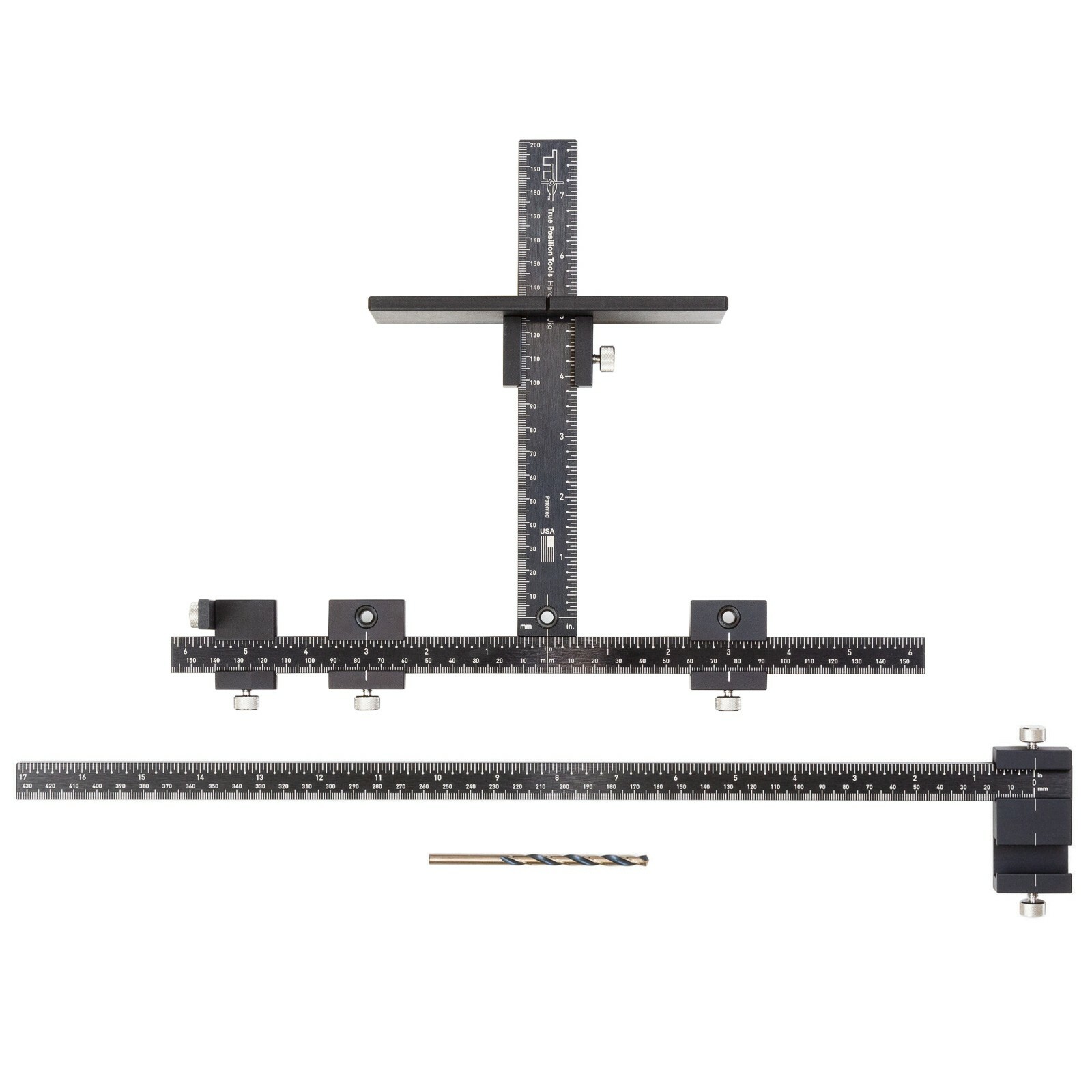
A cabinet hardware jig is a drilling guide that locates and spaces pulls and knobs on cabinet doors and drawers, and the primary trade-off is between a fixed-template jig and an adjustable rail system with hardened bushings. Durable options use thick anodized aluminum with replaceable steel drill bushings and positive locking stops; compromises rely on thin stamped plates, plastic guides, or friction-only adjustments that drift under repeated drilling.

Woodworking Clamps, Jigs & Joinery

Parallel Jaw Clamp

Parallel jaw clamps are bar clamps that keep both jaws square to the bar and parallel through the full opening, so pressure stays even instead of tilting the workpiece. The primary trade-off is jaw rigidity versus weight and cost: stamped-steel or plastic-body clamps flex under load, while cast-iron or forged-steel jaws with hardened steel bars hold 90° alignment at full extension. The decision rule is simple—if the clamp jaw is plastic or the bar is thin aluminum, expect deflection above light pressure; for glue-ups that must stay flat, buy cast-iron or forged-steel jaws on a hardened steel bar.

Woodworking Saws & Planers

Portable Table Saw

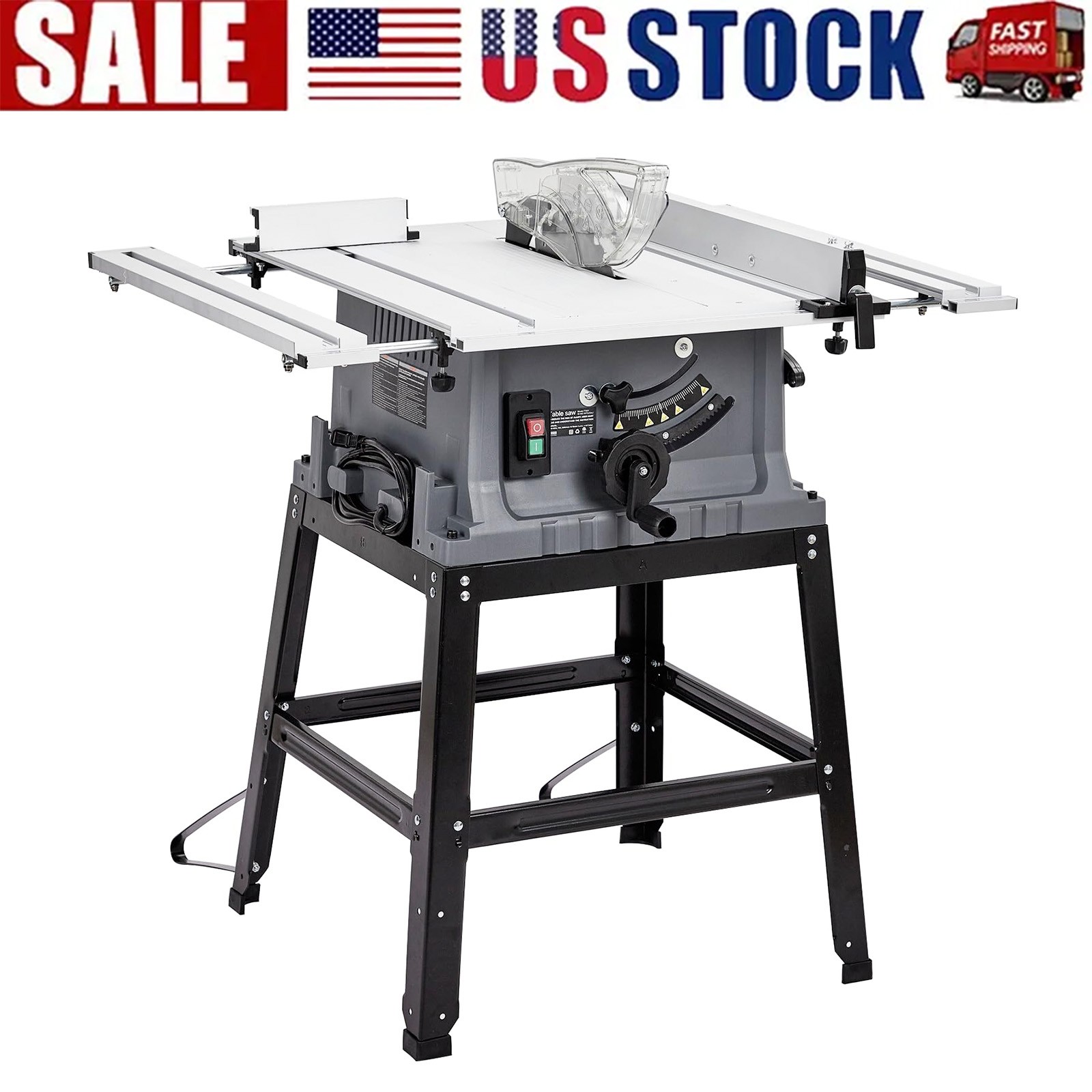
A portable table saw is a benchtop or job-site saw built around a 10-inch blade that trades cast-iron mass and full rip capacity for transportability and compact footprint. The core trade-off is between a lightweight direct-drive universal motor with a stamped-steel table and a heavier belt-drive induction motor on a precision-machined top: the latter resists bogging in hardwoods and holds fence alignment, while the former wins on portability and cost. The decision rule is simple: buy a belt-drive or brushless saw with a rack-and-pinion fence if you cut hardwood or need repeatable rips; buy a direct-drive benchtop model only for dimensional lumber and occasional sheet-goods breakdown.

Wood Routers & Carving Tools

Electric Carving Tool

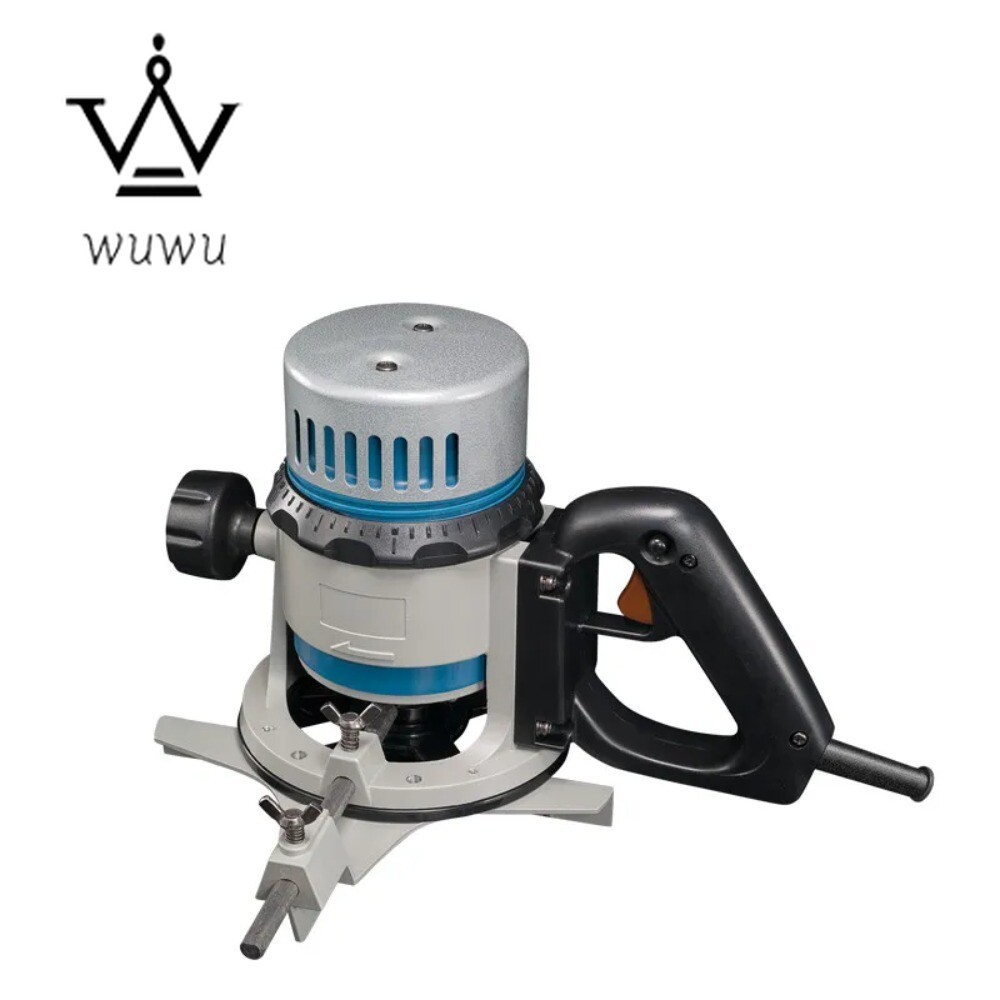
An electric carving tool is a handheld rotary or reciprocating power tool used for wood shaping, detail carving, engraving, and stock removal where chisels are too slow. The core trade-off is spindle speed and torque versus control and bit compatibility: high-speed rotary tools excel at fine detail but bog down in hardwoods, while lower-speed high-torque units carve aggressively but demand two-handed control. The decision rule is simple: choose a rotary tool only for detail work under 1/4-inch bits and light stock removal, and step up to a reciprocating or high-torque flexible-shaft unit for sustained hardwood carving and deep relief work.

Power Tools

Cordless Car Buffer Polisher Kit

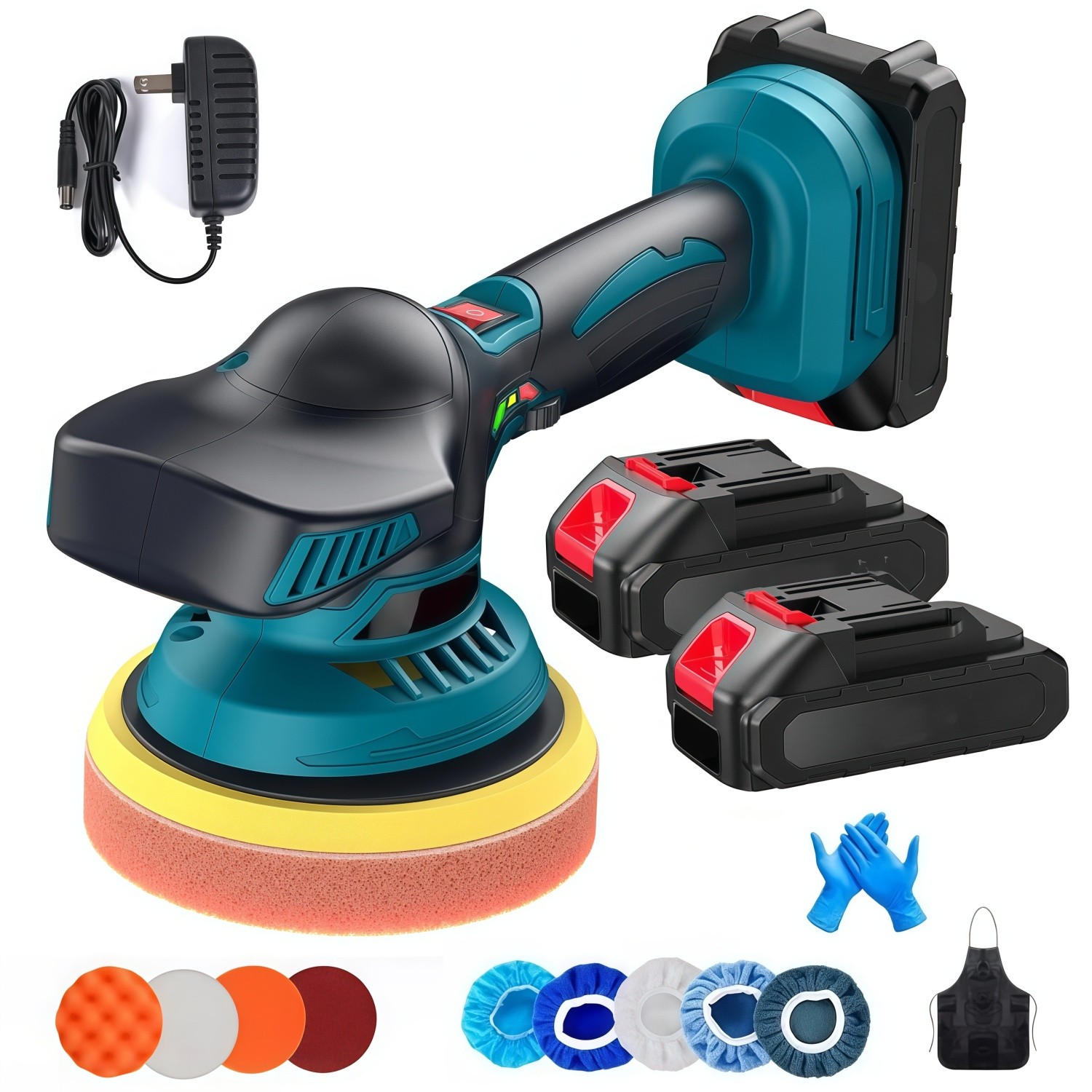
A cordless car buffer polisher kit pairs a battery-powered dual-action (DA) or rotary head with pads and a charger for swirl-free paint correction away from outlets. The core trade-off is orbit diameter and battery platform versus head weight and pad size: large-throw DA units finish faster but demand more technique, while compact 3-inch rotary tools fit tight panels. Choose a kit with at least two batteries and a variable-speed DA head for safe clearcoat work; skip single-battery, fixed-speed rotary bundles as false economy.

Woodworking Clamps, Jigs & Joinery

Parallel Wood Clamp

Parallel wood clamps are bar clamps with jaws that stay parallel across the full opening, delivering even pressure for panel glue-ups and casework. The key trade-off is jaw rigidity and bar straightness: steel bars with reinforced nylon or cast jaws hold alignment under load, while thin bars and all-plastic jaws flex and skew. Choose a clamp rated for at least the load your widest glue-up demands, and skip any clamp whose bar deflects visibly when tightened dry.

Painting & Finishing Supplies

Rust Converter Paint

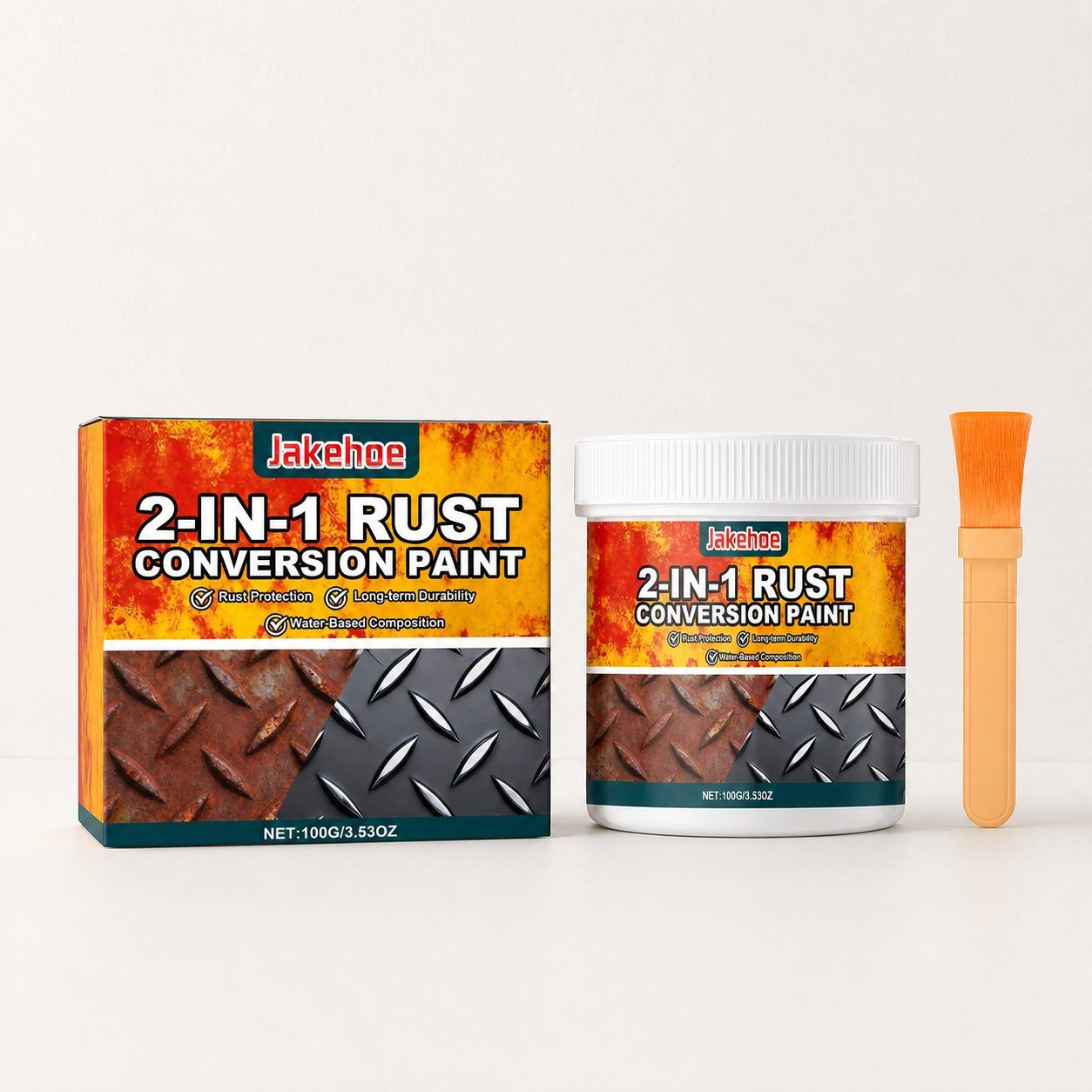
Rust converter paint is a reactive coating that chemically converts iron oxide into a stable, paintable surface—typically via phosphoric or tannic acid—eliminating the need for full abrasive blasting. The critical trade-off is between acid strength/penetration depth and film-build durability: weak converters leave latent rust, while heavy epoxy-modified formulas require longer cure and may not adhere to tight crevices. The decision rule is simple: choose a converter that names its active acid and film-build type, then match the tier to surface prep level—brush-off for light rust, near-white for structural or high-humidity exposure.

Hand Tools

Basic Tool Set

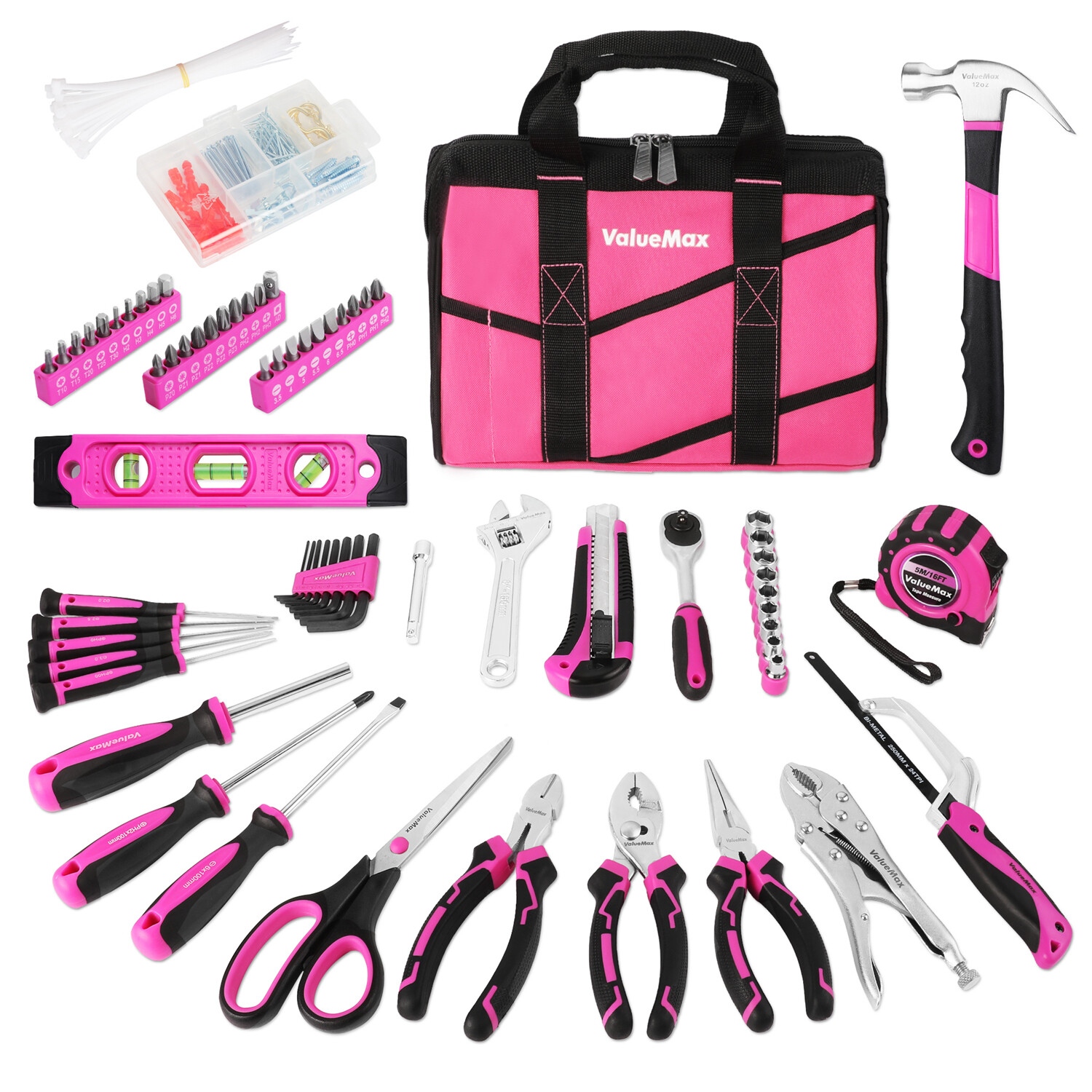
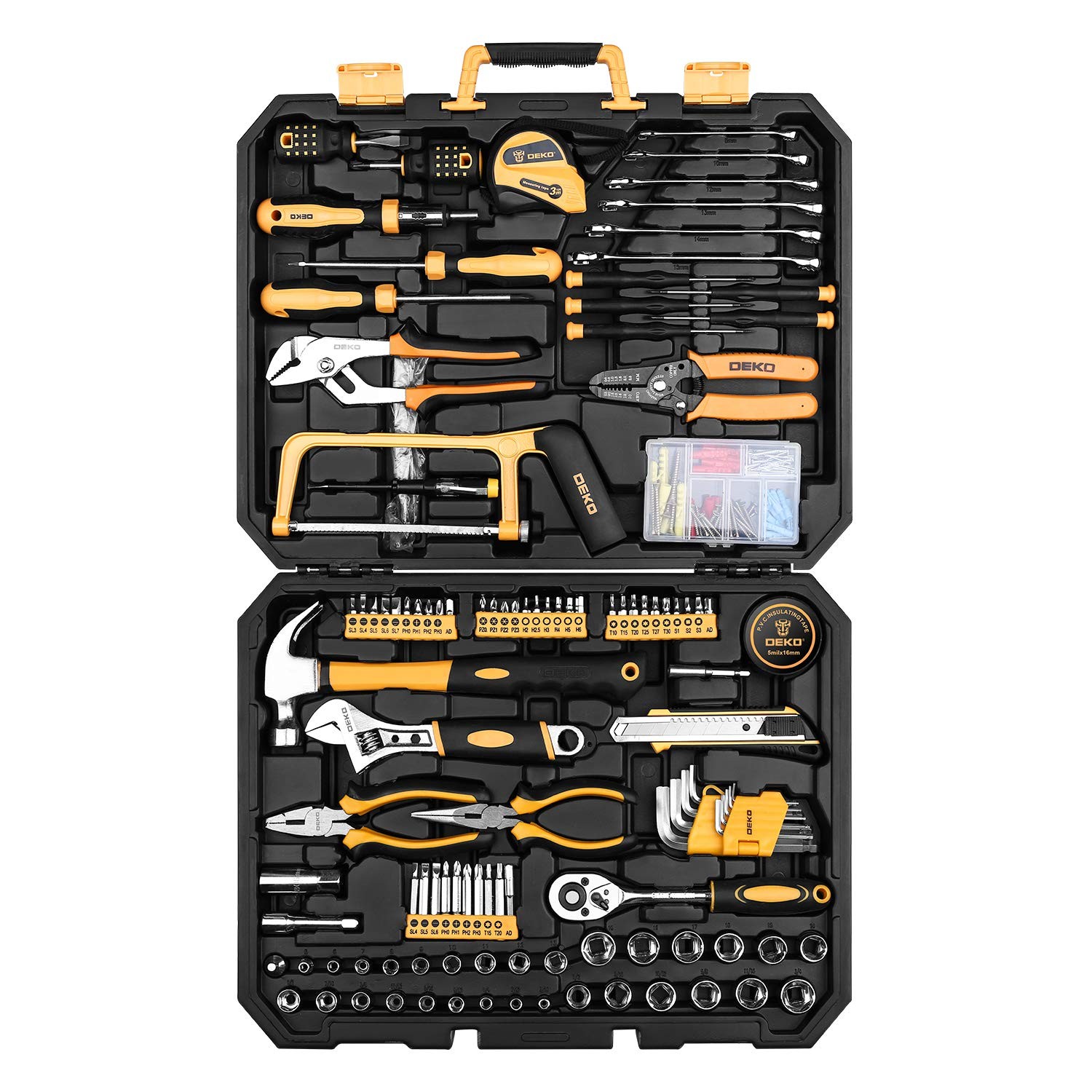
A basic tool set is a curated collection of hand tools for household repair, assembly, and light maintenance. The primary trade-off is piece count versus tool quality: large kits often pad counts with low-grade bits and thin sockets, while smaller sets use durable chrome-vanadium steel and proper heat treatment. The decision rule is simple: buy a set with forged or Chrome Vanadium (CrV) steel, a clear storage case, and a lifetime or limited-lifetime warranty rather than chasing the highest piece count.

Hand Tools

Dekopro Tool Set

A Dekopro tool set is a pre-packaged hand-tool kit aimed at home repair and light maintenance, typically built around chrome-vanadium or carbon-steel sockets and wrenches in a molded case. The core trade-off is piece count versus per-tool grade: high-count kits reach 198 pieces by including bit drivers, hex keys, and low-load accessories, while lower-count kits concentrate value in thicker chrome-vanadium sockets and a sturdier ratchet. The decision rule: buy by the ratchet-tooth count, socket steel grade, and case latch quality — not by the headline piece number — if you need tools that survive repeated torque.

Woodworking Hand Tools & Chisels

Hand Wood Auger

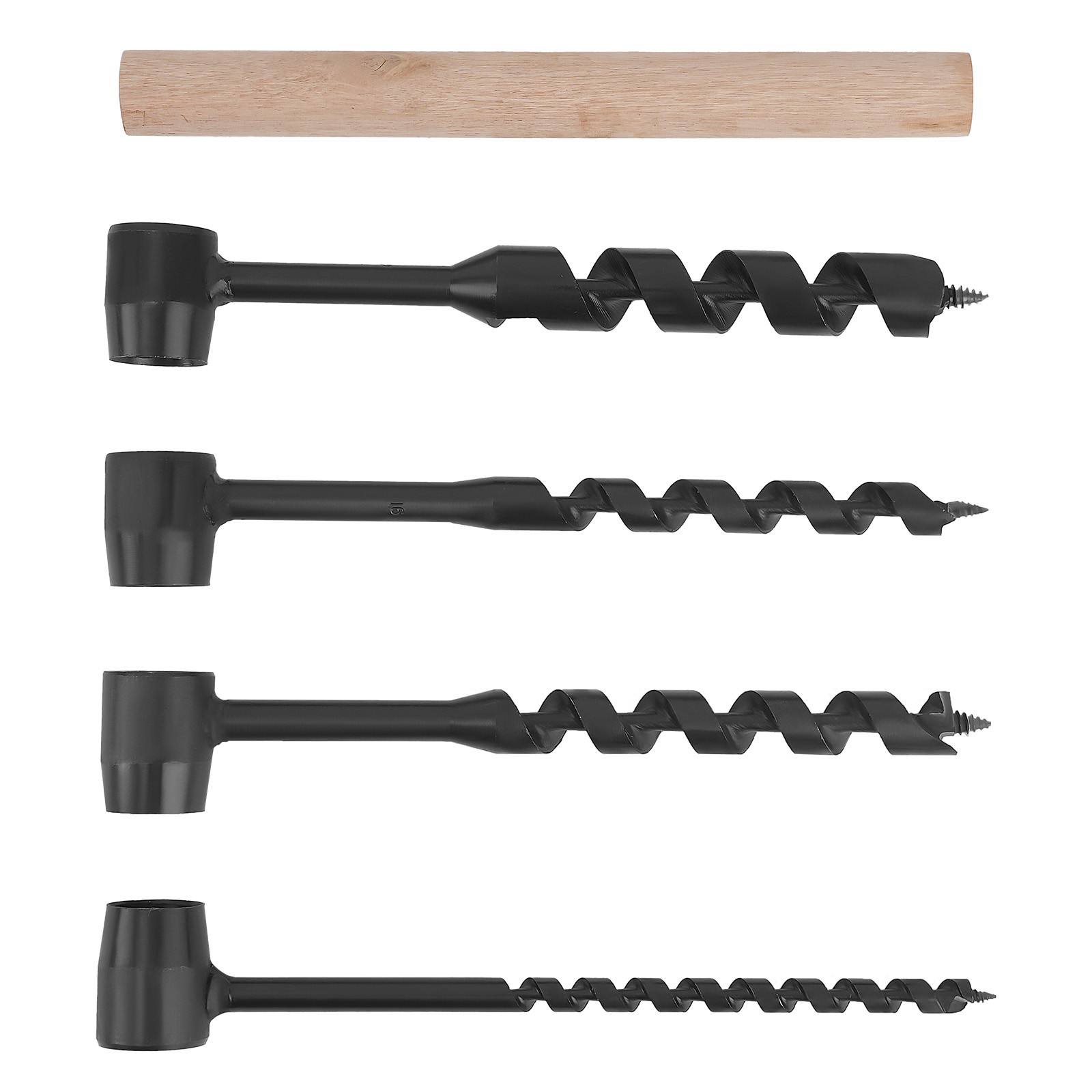
A hand wood auger is a manual boring tool that drives a self-feeding screw-point bit through timber without electricity, trading motor power for leverage, control, and portability. The core trade-off is bit steel and shank geometry versus handle torque: a hardened, correctly tapered lead screw and a secure chuck or T-handle determine clean, straight holes and long service life. Buy a traditional T-handle auger with a full-length hex or round shank for deep timber boring; accept a compact bushcraft auger only when pack size matters more than bore diameter and depth.

Woodworking Hand Tools & Chisels

Irwin Chisel Set

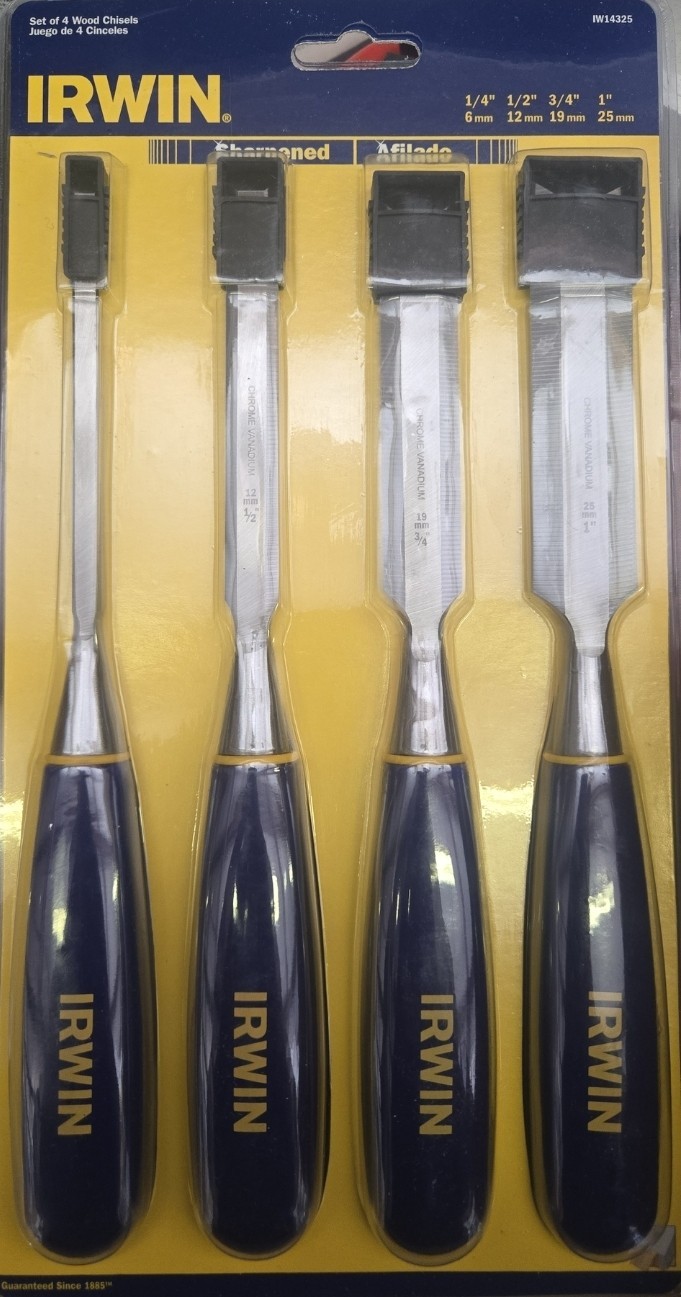
Irwin chisel sets are general-purpose woodworking tools sold in 3- or 4-piece sets, typically with bevel-edge blades and either acetate or polypropylene handles. The primary trade-off is steel hardness and handle impact resistance versus edge-holding geometry and reset cost: hardened chrome-vanadium blades hold an edge longer but sharpen slower, while softer carbon steel sharpens fast but dents on knots. Buy Irwin sets with through-tang blades and steel strike caps for mallet work; skip short-tang plastic-handle sets for heavy chopping.

Workbenches & Shop Equipment

Heavy Duty Folding Workbench

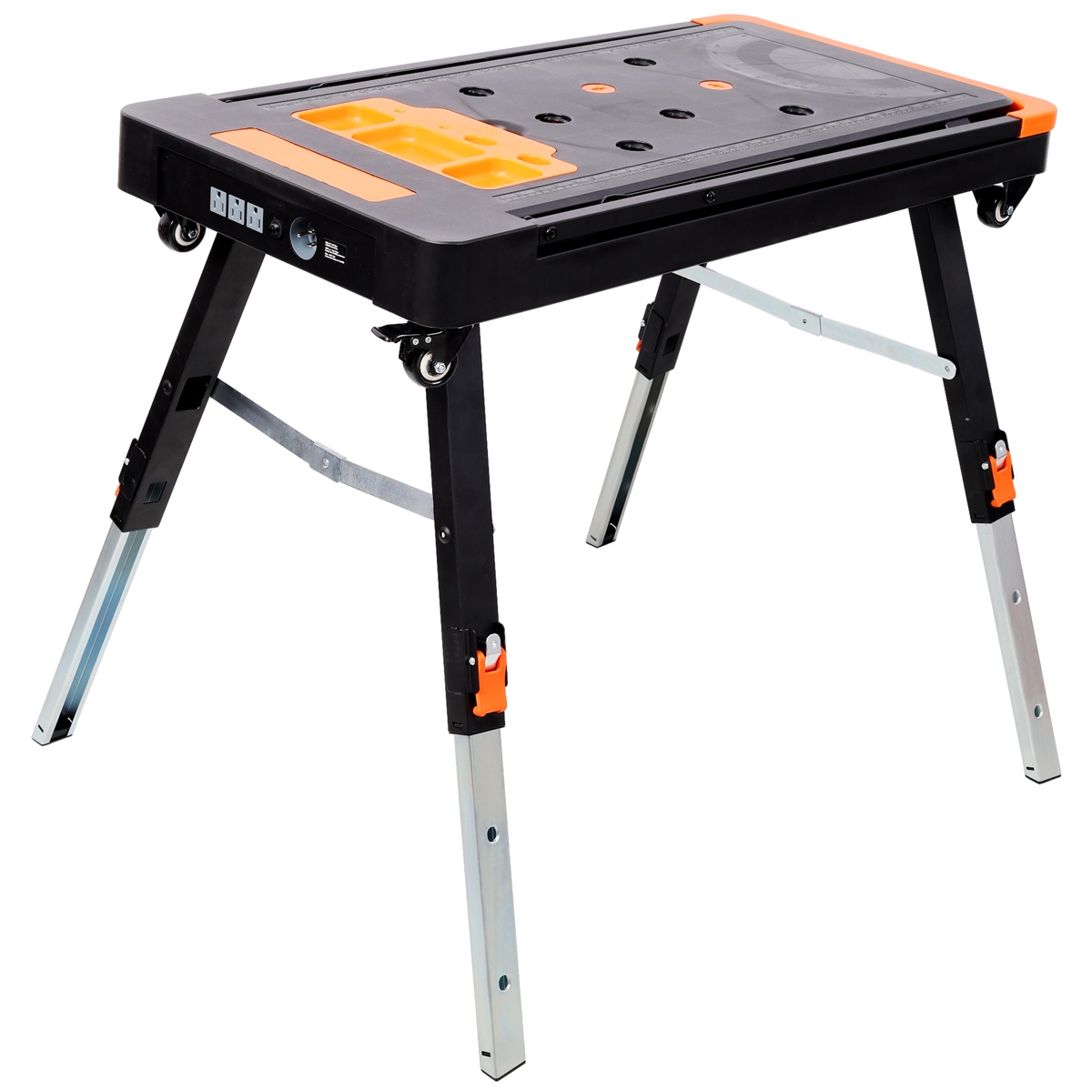
A heavy-duty folding workbench is a portable or stowable work surface engineered to support 300–1000+ lb loads while collapsing for storage. The key trade-off is between steel frame gauge, leg-lock design, and top thickness versus portability and price. Choose a welded or bolted steel frame with a minimum 16-gauge wall and a 1.5-inch or thicker top for real durability; skip particleboard tops and friction-lock legs for sustained heavy use.

You may also like

Finding more guides for you…