DIY Tool Picks

DIY Tool Picks

Tools & Home Improvement Reviews & Buying Guides

Compare tools & home improvement by use case, features, trade-offs, price, returns, and seller terms before you buy.

Buying guides

Home Repair

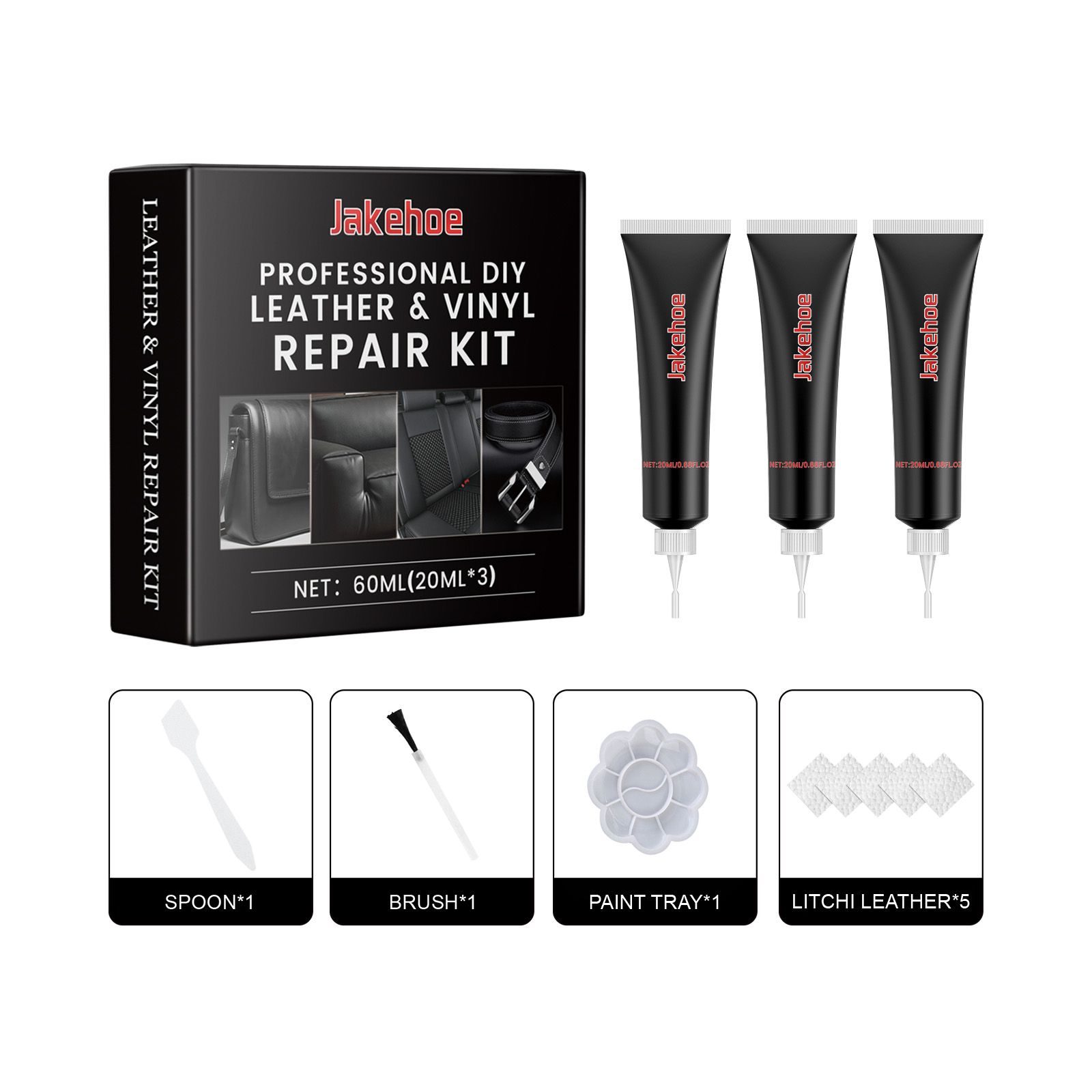
Leather Repair Patch

Leather repair patches are adhesive-backed or heat-activated sheets used to cover holes, tears, and worn spots on furniture, auto upholstery, and jackets. The primary trade-off is between thin vinyl films that peel in months and thick, leather-fiber or genuine-leather patches with high-tack adhesive that hold under flex and cleaning. The decision rule: buy a patch whose backing is at least 0.8 mm thick and whose adhesive is labeled permanent, and skip any patch that is under 0.5 mm or sold without a backing release liner.
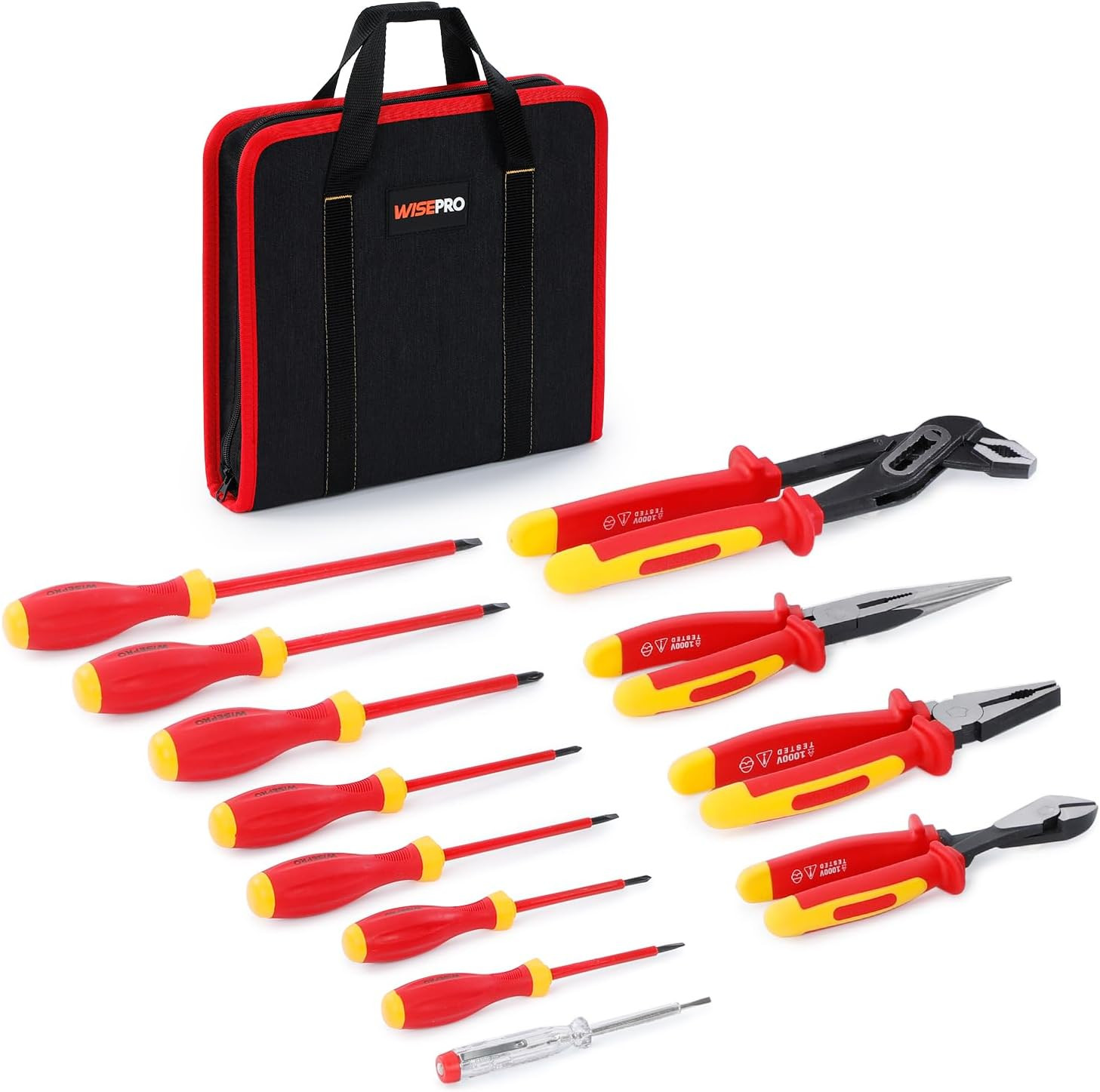
Electrician Hand Tools

Electric Screwdriver Milwaukee

Milwaukee electric screwdrivers are compact cordless drivers built for professional assembly, electrical, and finish work, offering precise torque and fast bit changes over manual tools. The core trade-off is between brushed motors with lower torque and brushless motors with higher efficiency, longer runtime, and better durability. Choose a brushless model with a clutch and LED light for daily professional use; brushed models are acceptable only for light occasional tasks.

Electrician Hand Tools

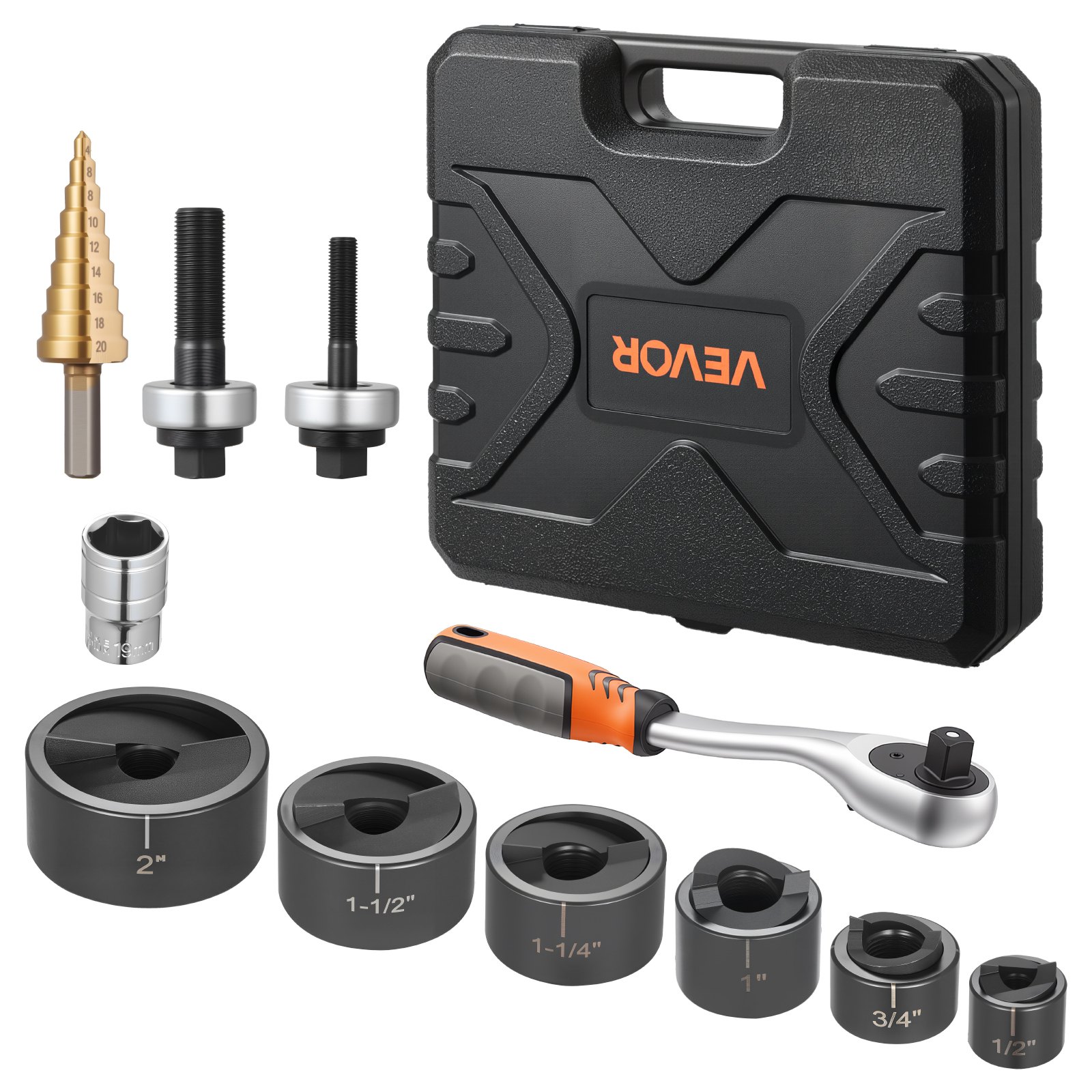
Hole Punch

A hole punch for electricians is a knockout (KO) punch set that cuts clean, correctly sized conduit and connector holes in electrical enclosures, panels, and boxes. The decisive trade-off is between manual ratchet or hydraulic drivers and the die quality: 40Cr or similar hardened steel dies with precise slug-splitting geometry determine cutter life and hole roundness, while the driver type dictates speed and required clearance. Buy a ratchet or hydraulic set with standard conduit trade-size dies (1/2 in to 2 in) from a known metallurgy grade when you cut mild steel regularly; skip generic carbon-steel dies and undersized mini sets for production work.

Woodworking Clamps, Jigs & Joinery

Parallel Clamp

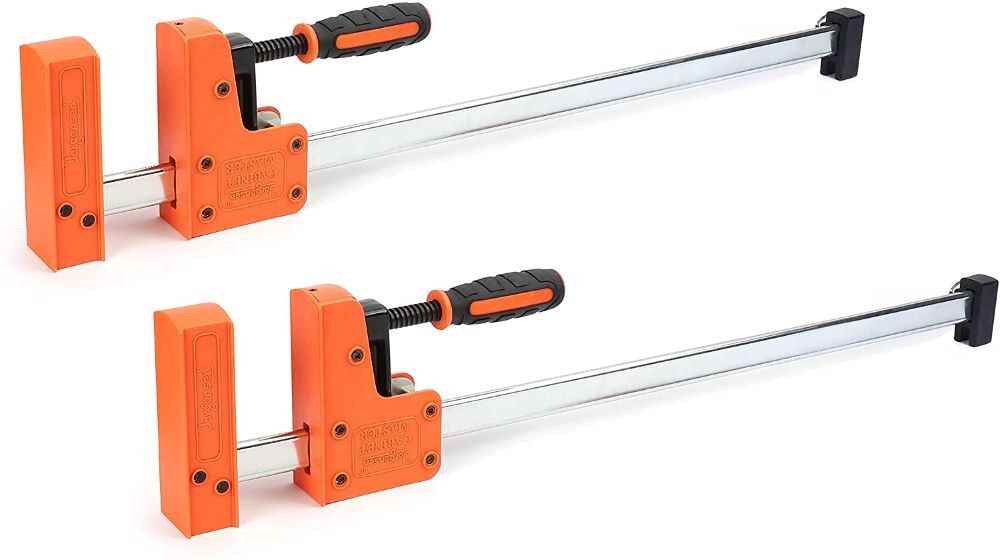
Parallel clamps are deep-reach bar clamps with wide, flat jaws that stay square to the bar, so they spread glue-up pressure across a panel instead of denting one spot. The core trade-off is jaw rigidity and bar straightness versus weight and cost: heavy steel I-beam bars hold 90° under load, while lightweight plastic-and-steel hybrids flex and rack. Buy steel-bar clamps with rated load for panel glue-ups; skip plastic-bodied 'parallel' clamps for anything wider than a small box.

Workbenches & Shop Equipment

Blast Cabinet

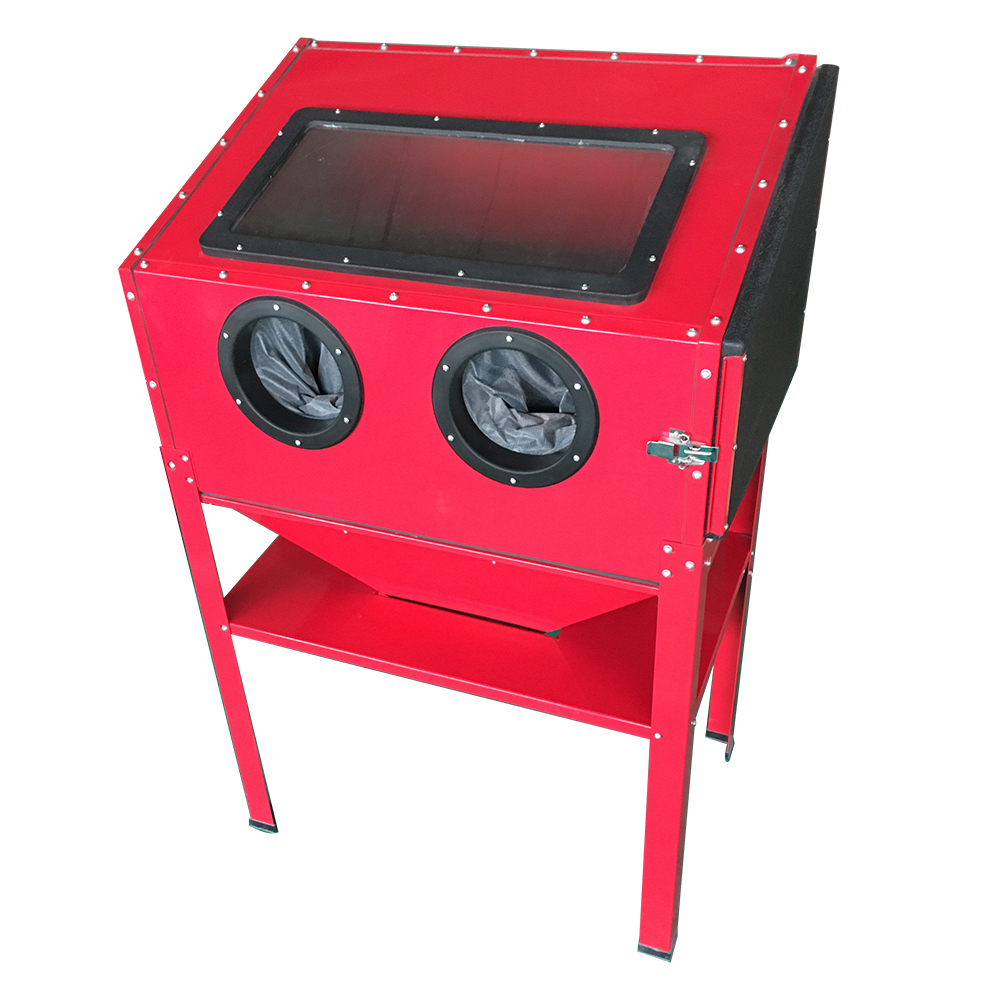
A blast cabinet is a sealed enclosure that uses compressed air to propel abrasive media at a workpiece for cleaning, deburring, or surface prep while containing dust and recycling grit. Buyers face a core trade-off between cabinet size, media-handling architecture, and dust extraction—cheap units skimp on seals, view windows, and abrasive recovery, which shortens media life and creates hazardous dust leaks. The decision rule: prioritize a welded or rigid frame, a proper dust-collection port, and glove-port geometry over raw gallon capacity; a well-sealed small cabinet outperforms a leaky large one.

Workbenches & Shop Equipment

Heavy Duty Welding Table

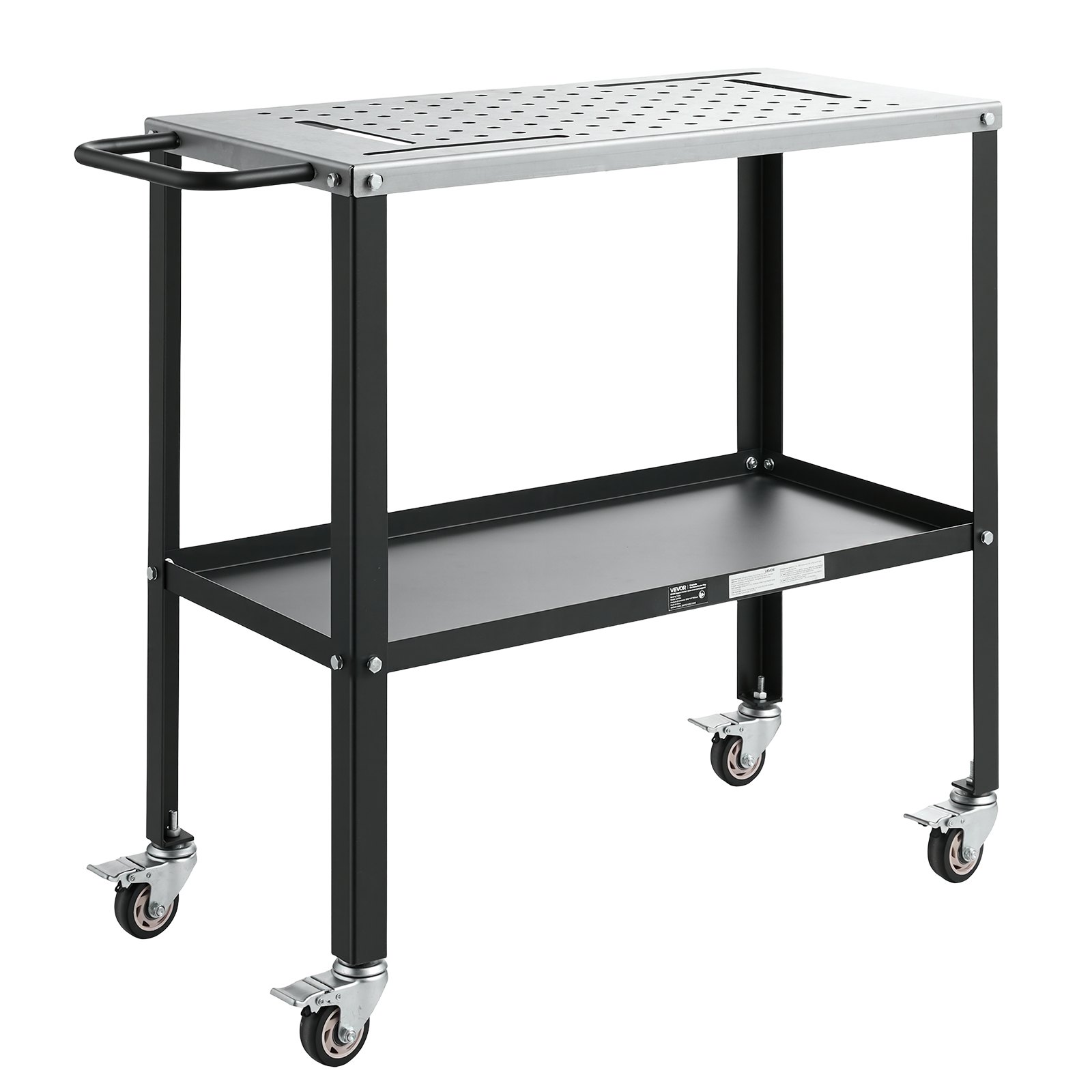
A heavy-duty welding table is a rigid steel work surface built to hold fixtures, absorb hammering, and stay flat under load, with the primary trade-off being plate thickness and frame rigidity versus portability. The clear decision rule: choose a table rated for at least 2x your heaviest workpiece and with a top plate of 3/16 in (4.75 mm) or thicker for fixture-based welding, or a 1200 lb mobile unit with lockable casters when you need to reposition between bays.

Wood Routers & Carving Tools

Electric Wood Carving Tool

Electric wood carving tools are compact rotary or reciprocating powerheads that spin small burrs, bits, or gouges to shape wood with control and detail impossible with a fixed router. The core trade-off is spindle torque and collet precision versus handpiece weight and speed range: low-torque, high-RPM units suit fine detail, while higher-torque, lower-RPM units handle stock removal and hardwoods without stalling. The decision rule is simple: choose a tool whose collet system, speed band, and motor type match your hardest wood and largest bit, not the highest advertised RPM.

Hand Tools

Button Maker Machine

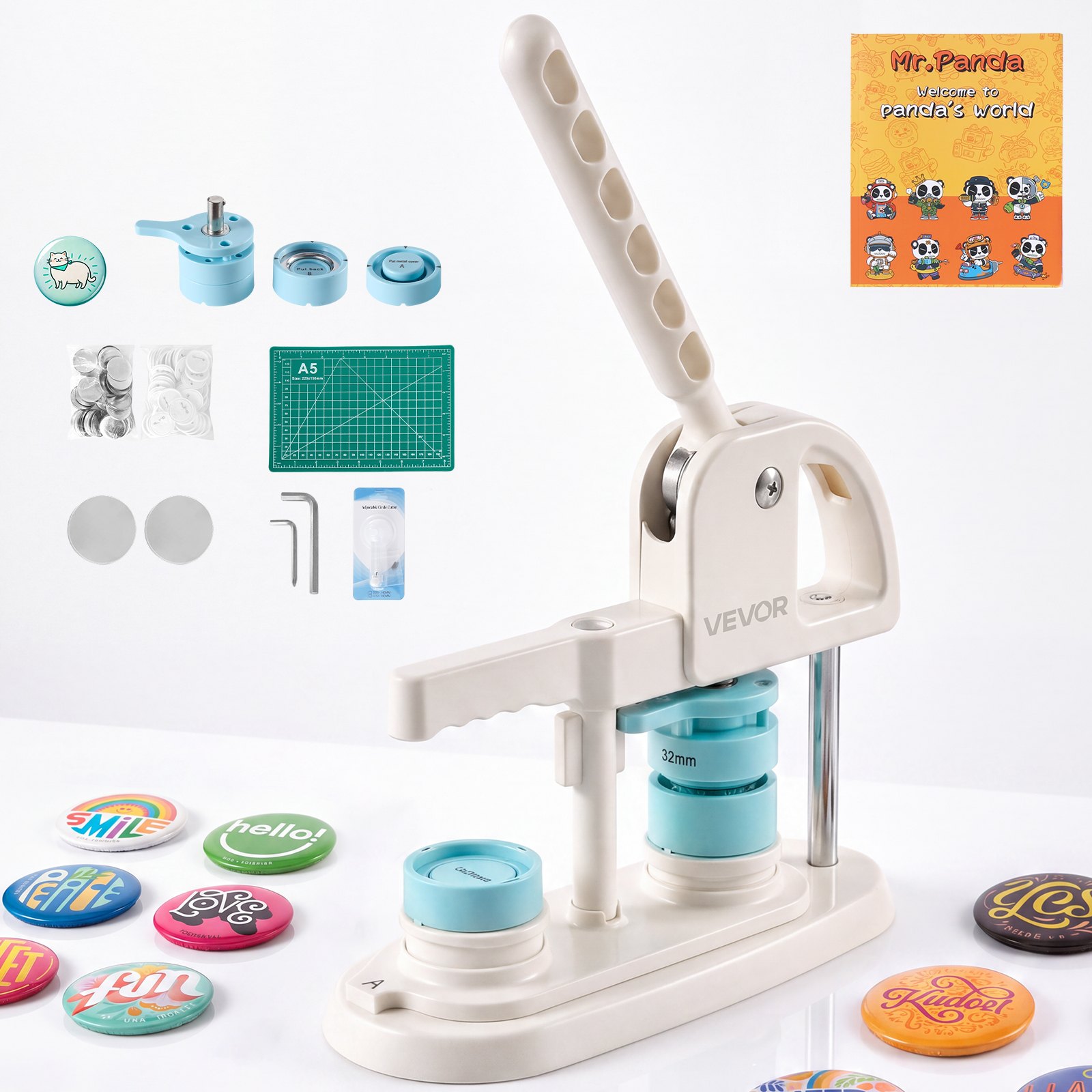
Button maker machines are manual or semi-automatic presses that punch and crimp metal shell components around printed graphics to create pin-back badges, keychains, and mirrors. The decisive trade-off is die-cast aluminum frame rigidity and true interchangeable die systems versus stamped-steel or plastic-bodied presses with glued-in, single-size tooling that flex and misalign over time. Buy a press with a reinforced lever, a machined die cavity, and a standard swappable die format if you plan more than occasional batches; skip plastic-frame kits with non-replaceable molds.

Home Repair

Picture Hook Heavy Duty

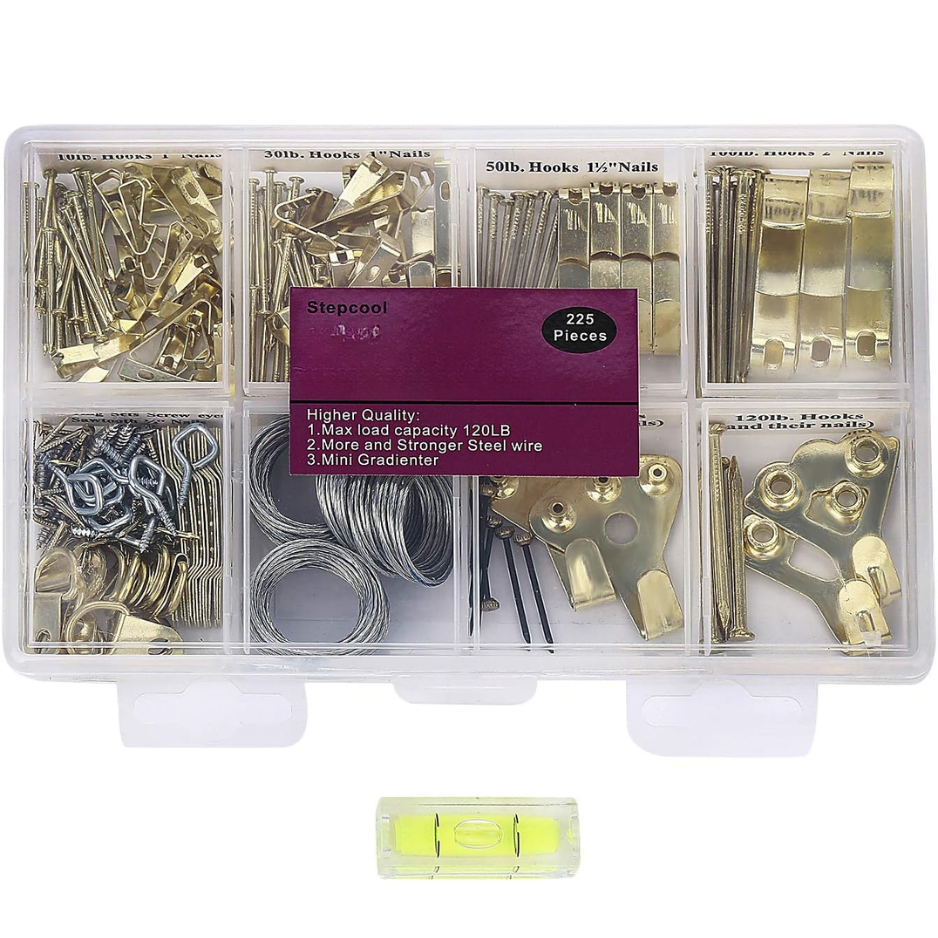
Heavy-duty picture hooks are rated by weight capacity and nail geometry, not by piece count in a kit. The core trade-off is hardened-steel hook design with proper nail angle versus soft zinc-plated hooks that bend or pull out under load. Choose a hook whose listed capacity exceeds your frame weight by at least 1.5x and whose nail type matches your wall material.

Woodworking Clamps, Jigs & Joinery

Woodworking Bench Clamp

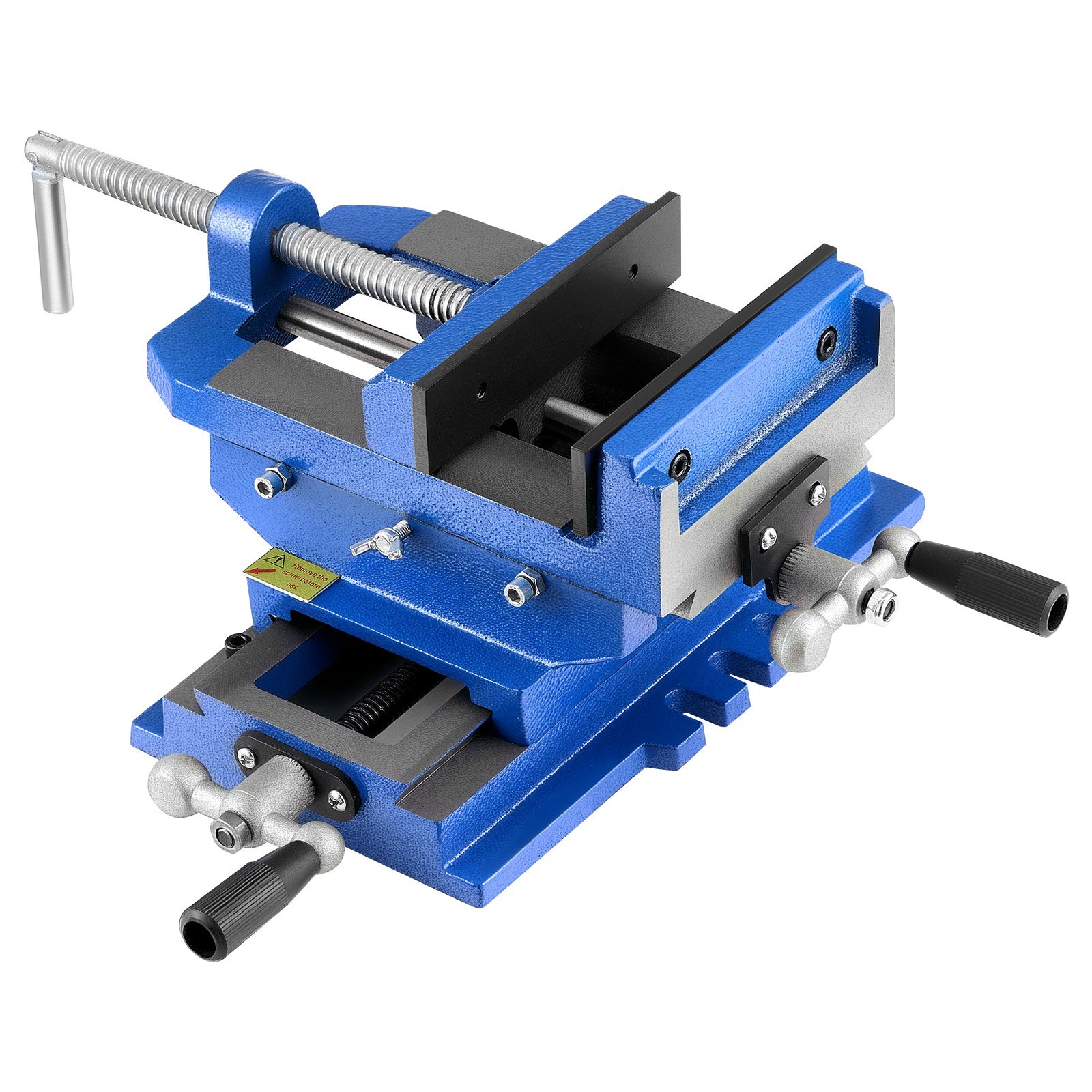
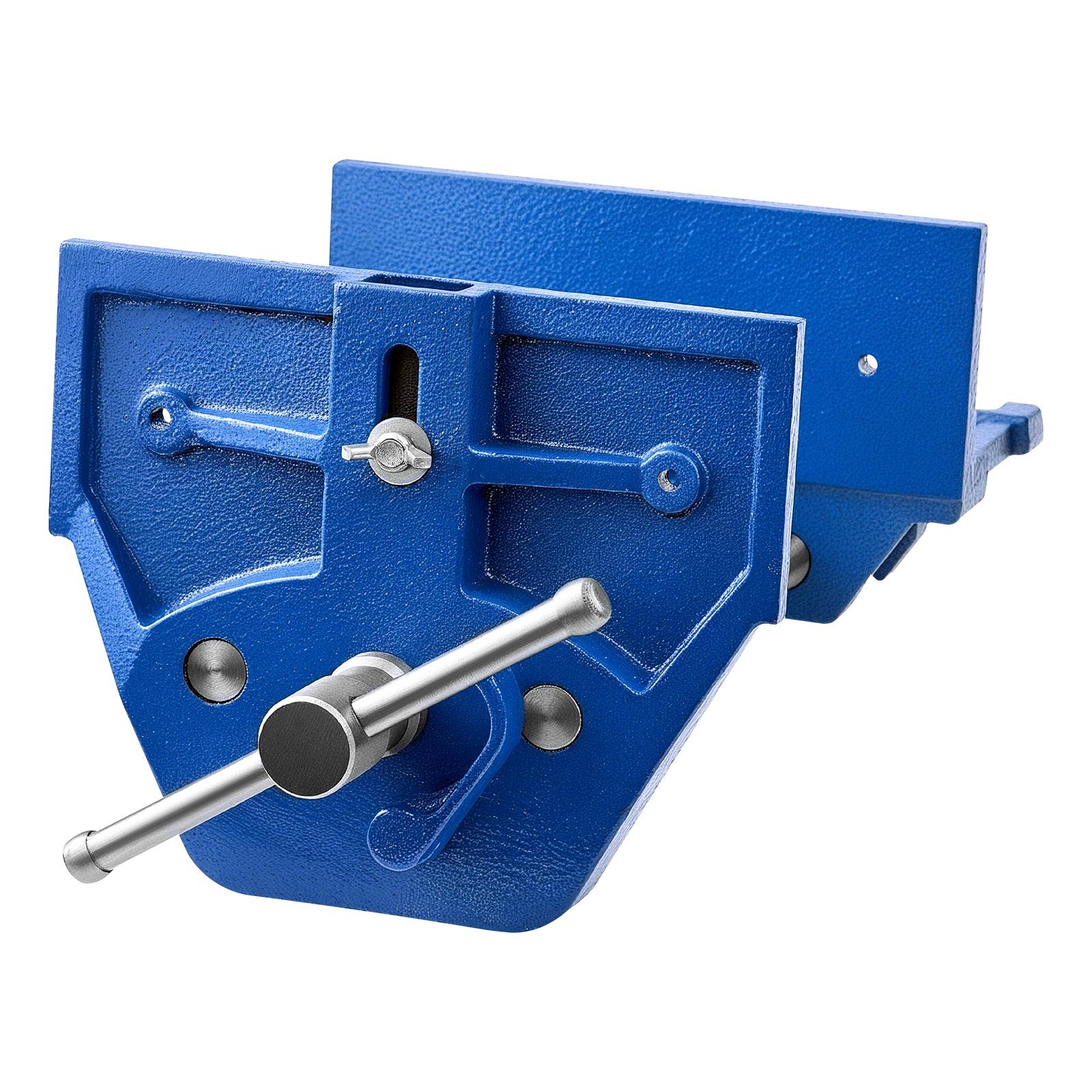
A woodworking bench clamp is a work-holding device that secures stock to a bench or drill-press table for planing, drilling, and joinery—ranging from quick-release hold-downs to X-Y cross-slide vises for precision positioning. The core trade-off is holding capacity and rigidity versus setup speed and bench space: iron vises offer maximum clamping force but are stationary, while hold-down clamps and sliding jigs trade some rigidity for portability and fast repositioning. Buy iron-bodied vises with replaceable jaws and sealed lead screws for heavy vibration work, and skip lightweight aluminum or plastic-bodied clamps only if you routinely plane or drill hardwoods.

Measuring & Layout Tools

Height Stick

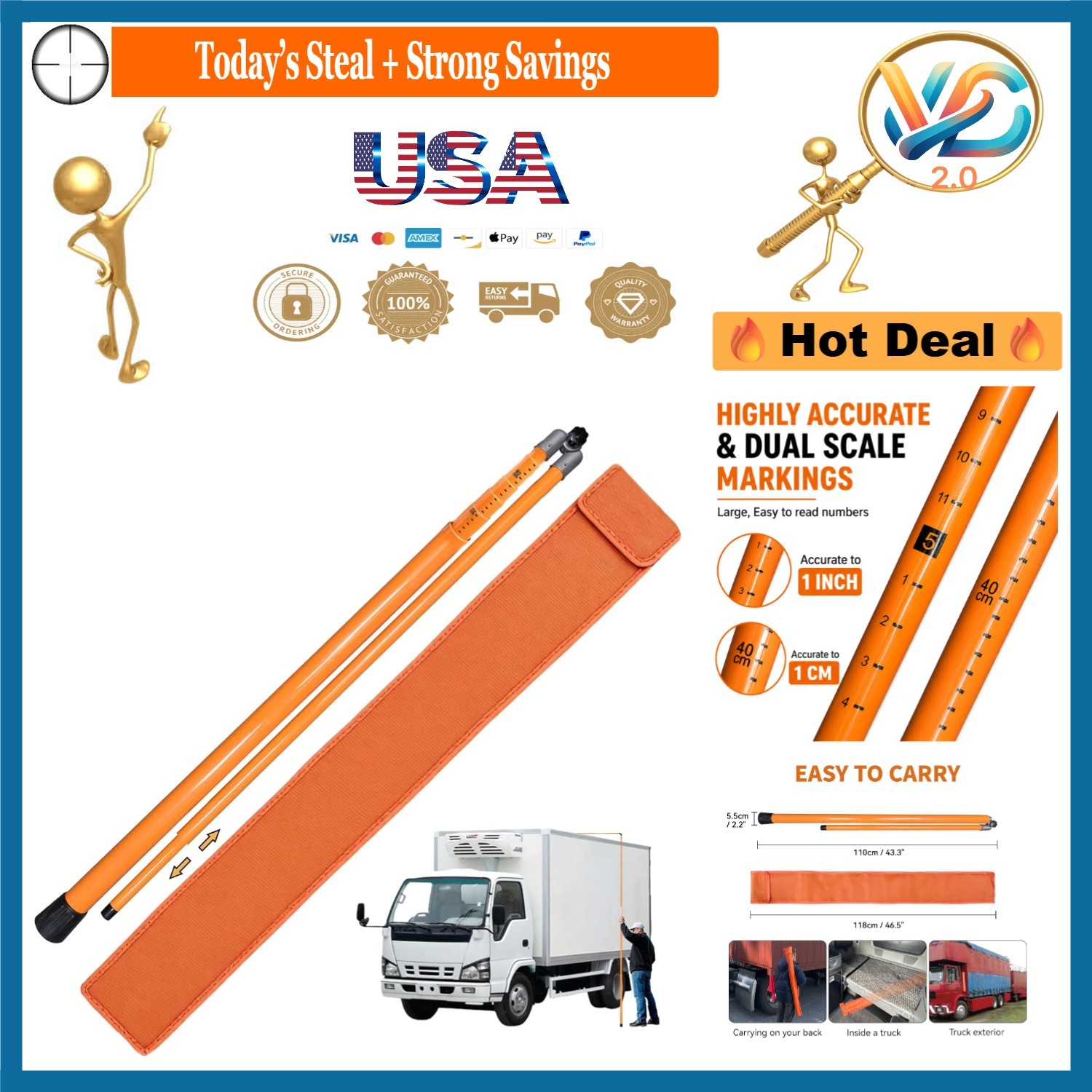
A height stick is a telescoping measuring pole used to verify overhead clearance or vehicle load height quickly and safely. The primary trade-off is between fiberglass (non-conductive, rust-proof, but flexible) and aluminum (rigid, but conductive and dent-prone). Choose a fiberglass stick with a locking collar and graduated markings if you need reliable, repeatable height checks around trucks, trailers, or low-clearance structures; skip thin aluminum poles that flex or lack positive locks.

Workbenches & Shop Equipment

Woodworking Bench

A woodworking bench is a rigid, flat workholding platform whose mass, joint stiffness, and vise quality determine whether hand-plane strokes stay flat or chatter. The core trade-off is between solid hardwood/plywood tops with proper mortise-and-tenon or bench-dog systems and lightweight MDF/steel benches that flex under planing force. Buy a bench that weighs at least 100 lb with a laminated top 2 inches or thicker and a quick-release vise; skip anything under 60 lb or with a hollow-core top.

Power Tools

Bench Grinder With Belt Sander

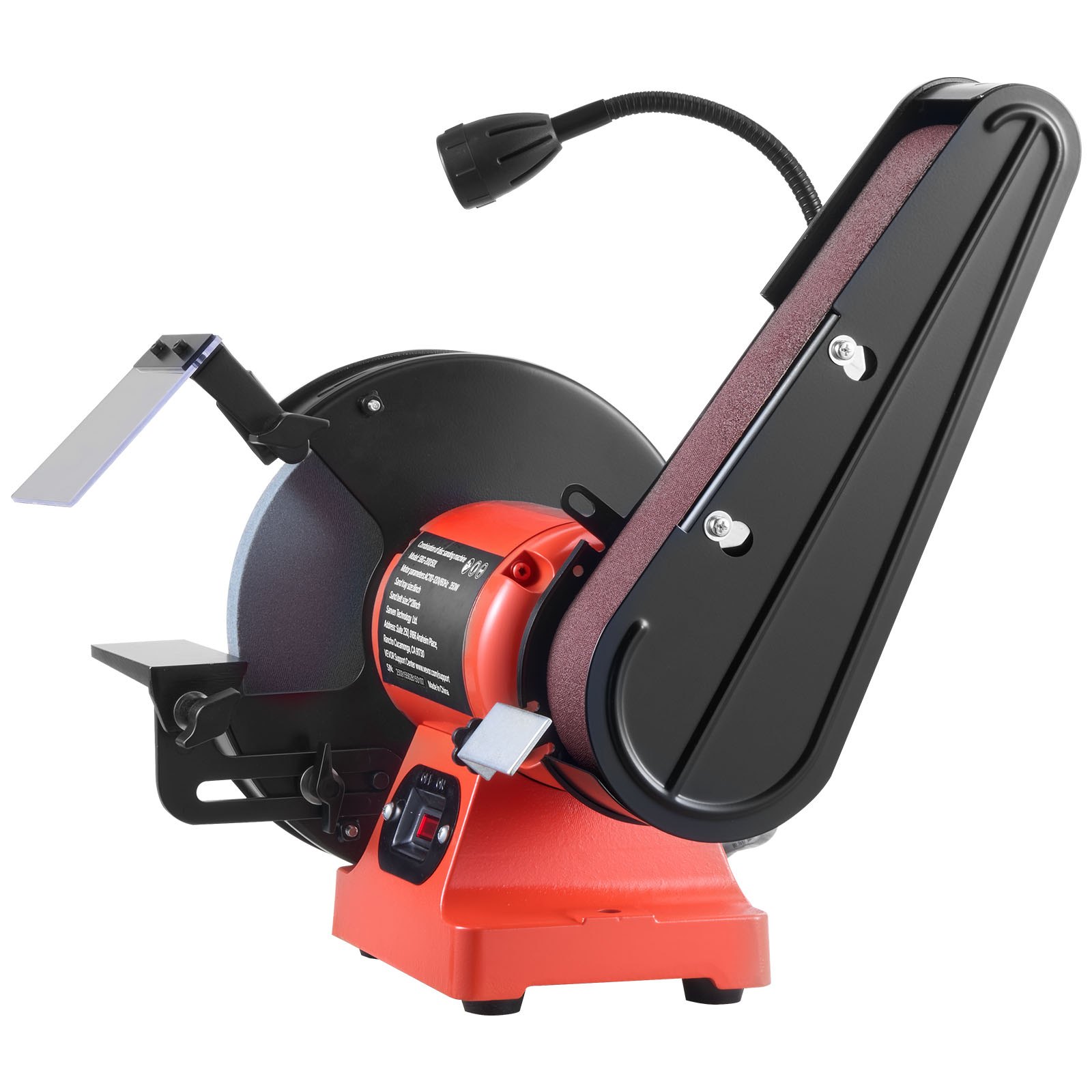
A bench grinder with belt sander combo pairs a rigid grinding wheel for heavy stock removal and edge shaping with an abrasive belt for flush sanding, deburring, and knife sharpening—all on one motorized pedestal. The primary trade-off is motor power and wheel/belt size versus bench footprint and budget: low-wattage units stall under load, while larger wheels and longer belts run cooler and last longer. The clear decision rule is to buy the largest motor (350W minimum, 500W+ preferred) and longest belt (28" minimum) your bench and circuit can support, skipping any combo with a belt under 2" wide or a wheel under 6".

Plumbing Tools

Expansion Tank

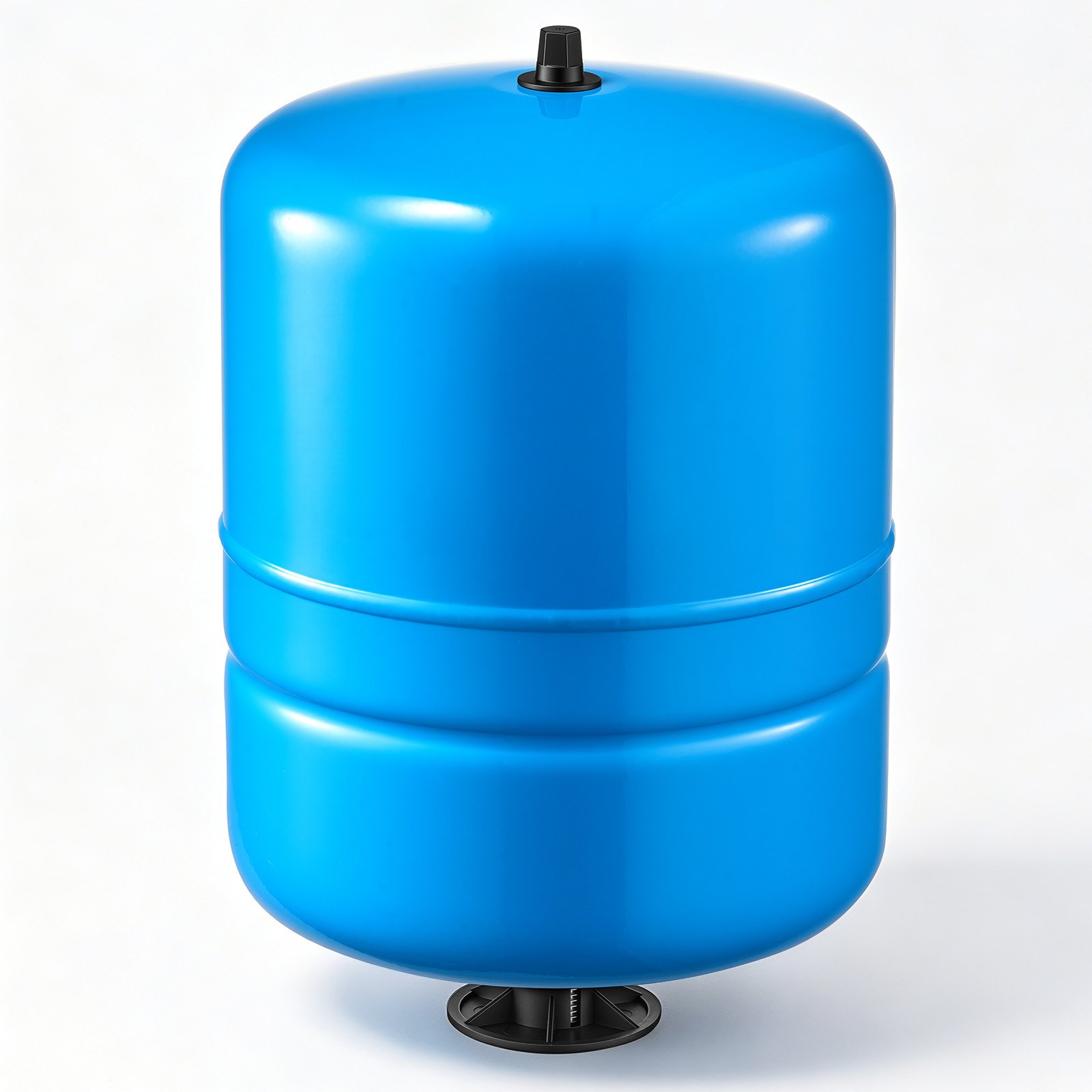
An expansion tank is a sealed steel vessel with an internal bladder that absorbs the volumetric expansion of heated water in a closed plumbing system, preventing pressure spikes and relief-valve discharge. The core trade-off is bladder material and tank construction versus pre-charge accuracy: butyl or EPDM bladders with a welded steel shell and a precise factory air charge last decades, while thin shells and natural-rubber bladders fail early. The decision rule is simple: buy a tank whose acceptance volume exceeds your system's calculated expansion volume at your actual supply pressure, with a replaceable or fully welded bladder design rated for potable water.

Dust Collection, Sanding & Finishing

Polishing Pad Grinder

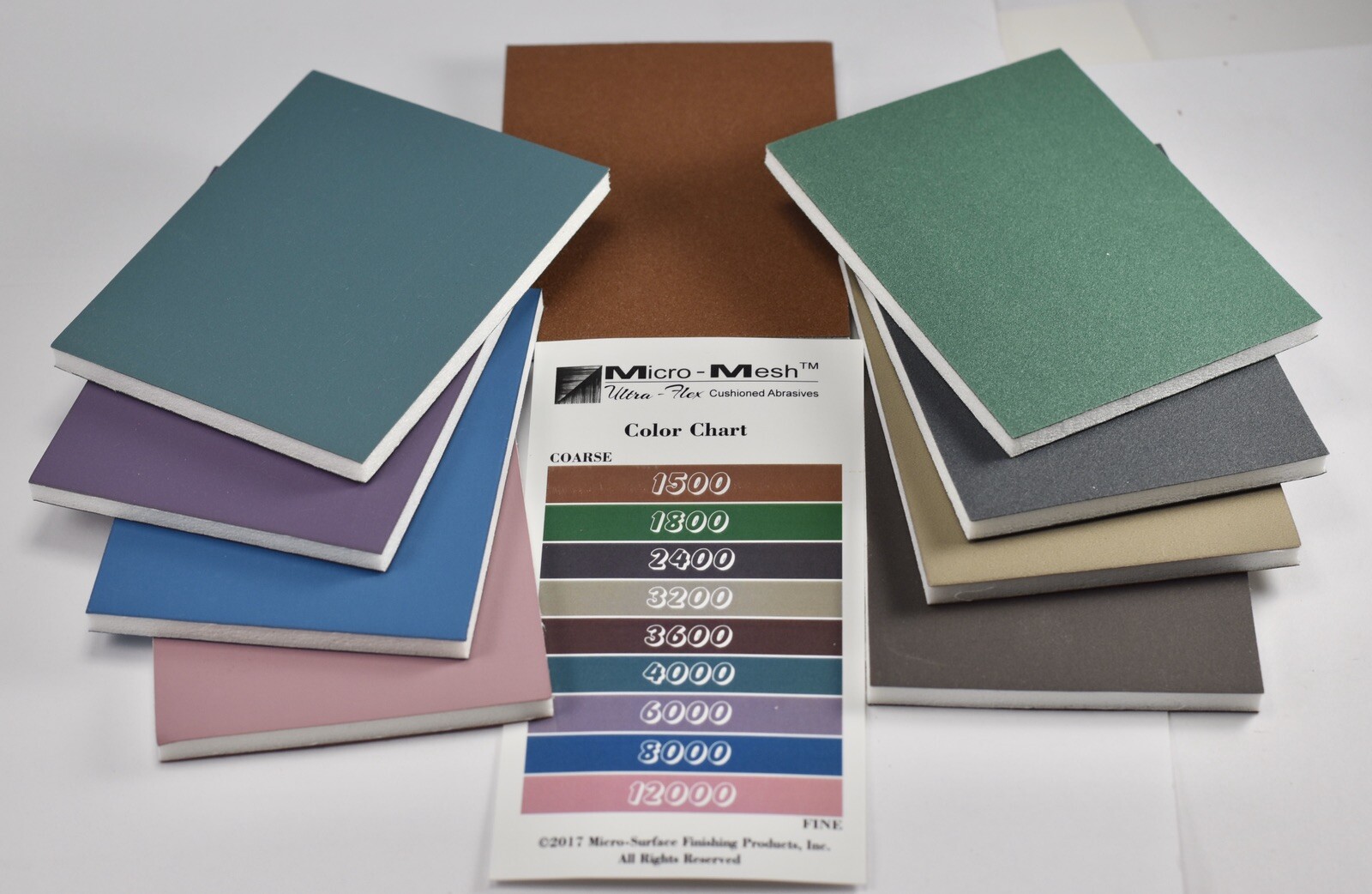
Polishing pad grinders combine a variable-speed angle grinder or rotary tool with graded abrasive pads to remove scratches and restore gloss on paint, stone, metal, and resin. The primary trade-off is between pad backing hardness (firm for flat surfaces, flexible for contours) and abrasive grade progression, which determines whether you cut fast without burning through the finish. Durable setups use hook-and-loop backing with defined grit sequences; compromises skip intermediate grades or use hard backing on curved work, causing swirl marks or burn-through.

Woodworking Hand Tools & Chisels

Wood Plane

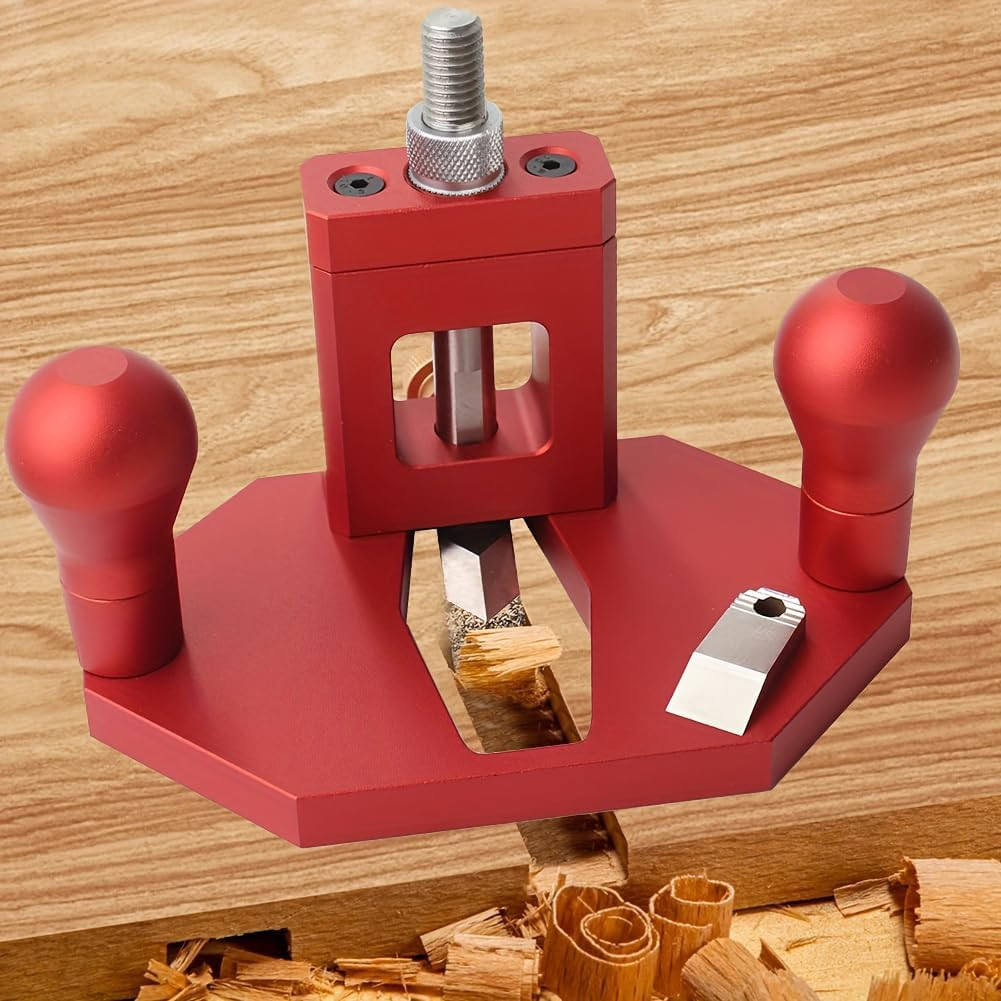
A wood plane is a hand tool that shaves thin, controlled shavings from timber using a sharpened steel iron bedded in a rigid body. The core trade-off is body rigidity versus adjustability: cast iron and bronze bodies hold flatness and damp vibration, while wooden or thin stamped bodies flex and lose setting under load. Choose a plane whose sole and frog are machined or cast—not folded sheet metal—and whose iron takes and holds a 25–30° bevel.

Woodworking Saws & Planers

Chainsaw

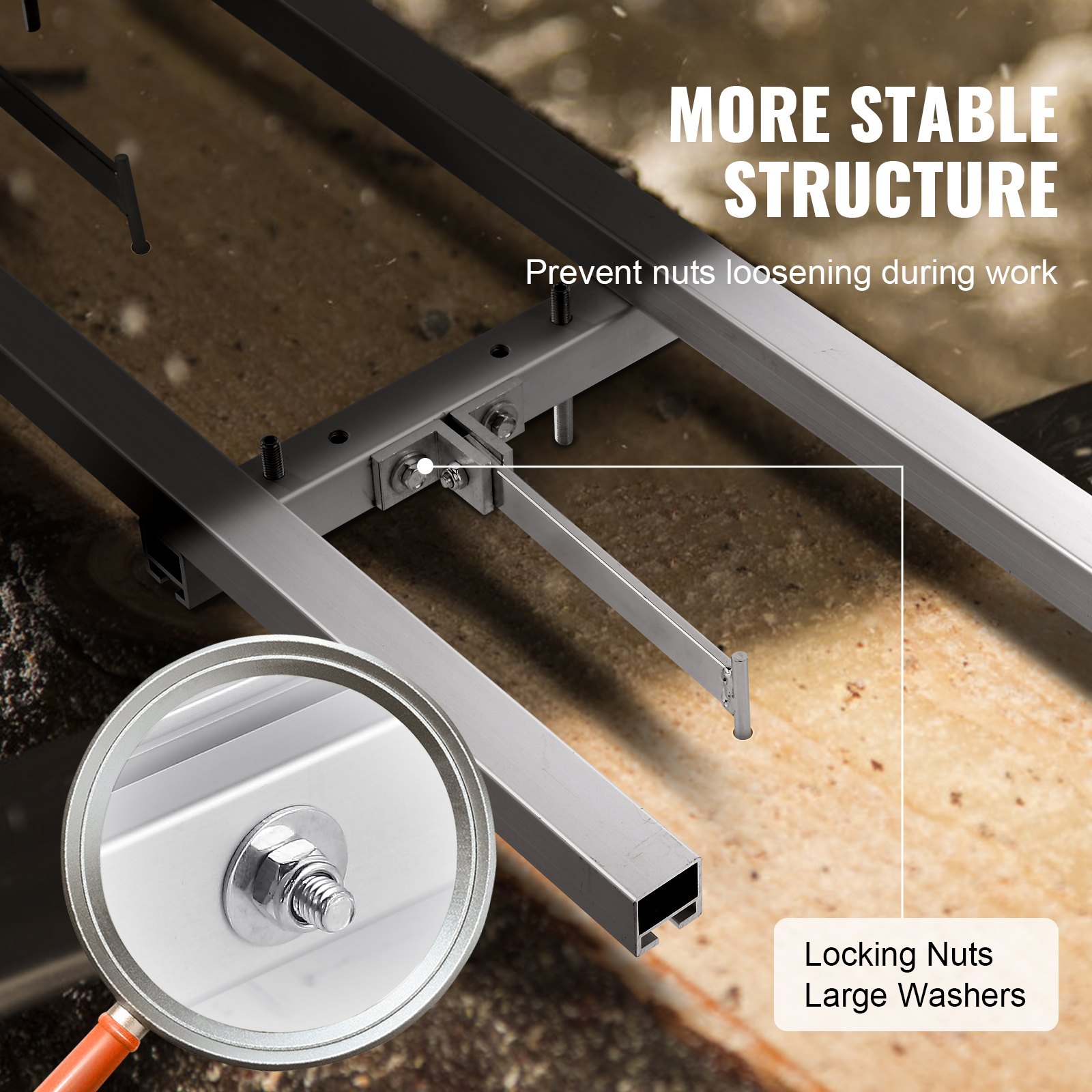
Chainsaws are portable, engine- or battery-powered saws defined by bar length, power source, and safety chain brake. The primary trade-off is between gas power for heavy felling and electric convenience for yard and property maintenance, with battery voltage and bar size dictating real cutting capacity. A durable saw has an inertia or manual chain brake, a metal or reinforced polymer body, and a bar length matched to the wood diameter you routinely cut.

Woodworking Saws & Planers

Oscillating Saw Blade

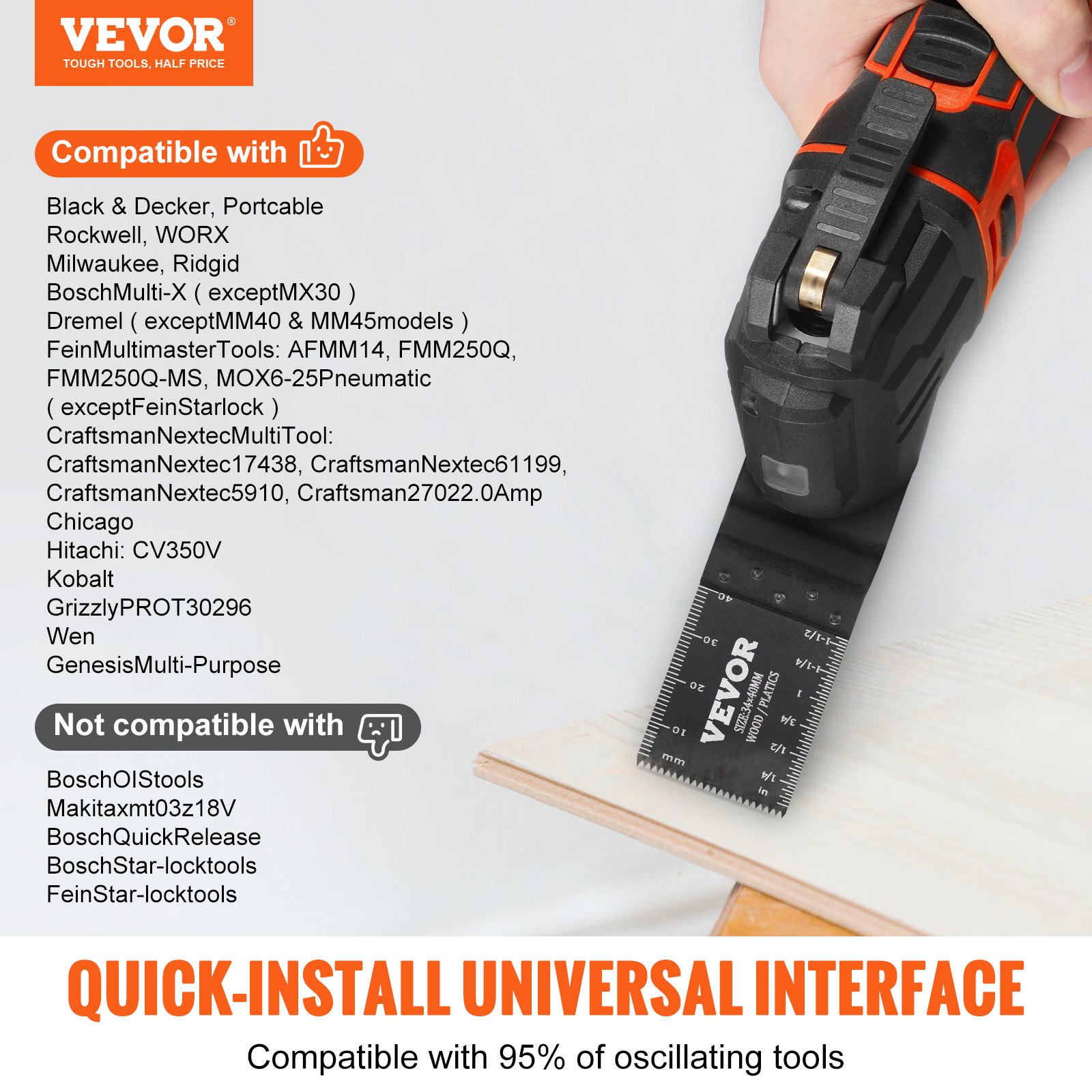
Oscillating saw blades are the consumable cutting tips that turn your oscillating multi-tool into a flush-cutter, undercut saw, or detail scraper. The key trade-off is between high-speed steel (HSS) for clean wood/plastic cuts and bi-metal or carbide grit for hardened metal, nails, and grout. The decision rule is simple: buy bi-metal or carbide for any metal-cutting task, and reserve cheap HSS or high-carbon steel blades for softwood, drywall, and plastic where shatter risk is low.

Wood Routers & Carving Tools

Trim Router

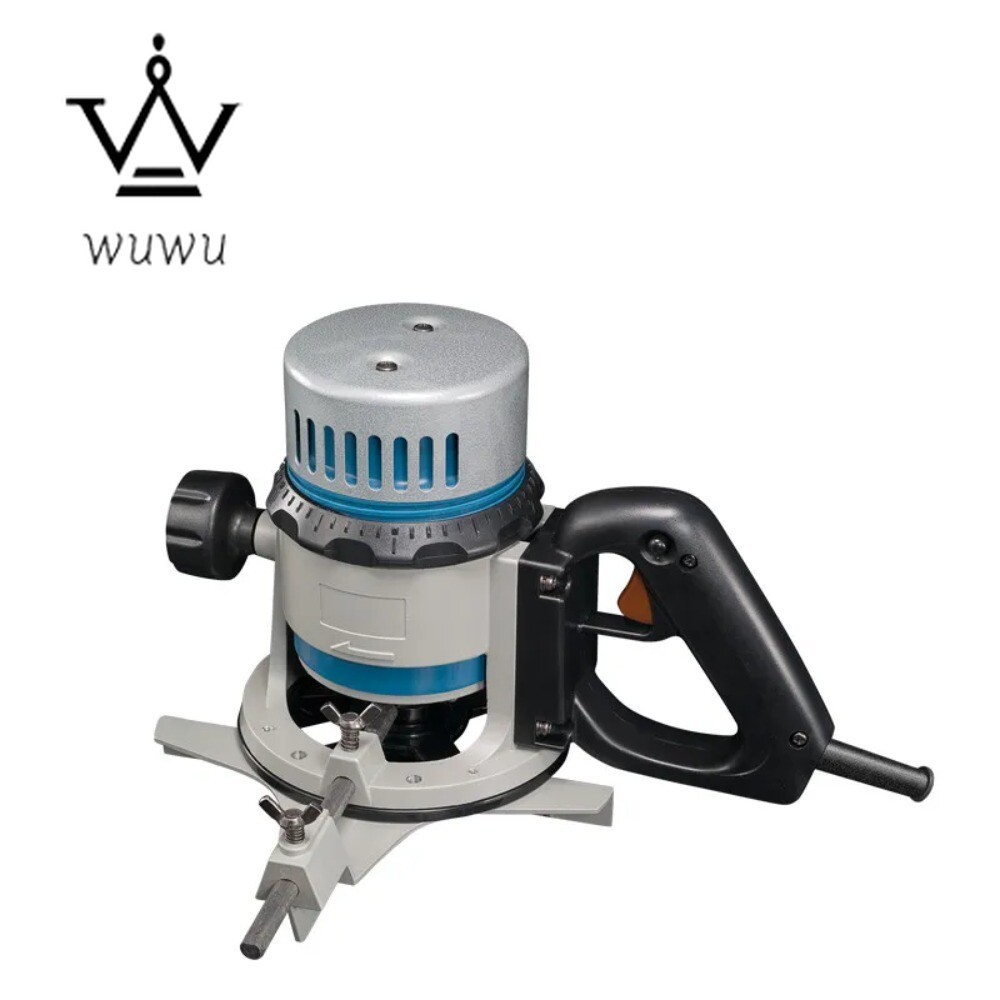
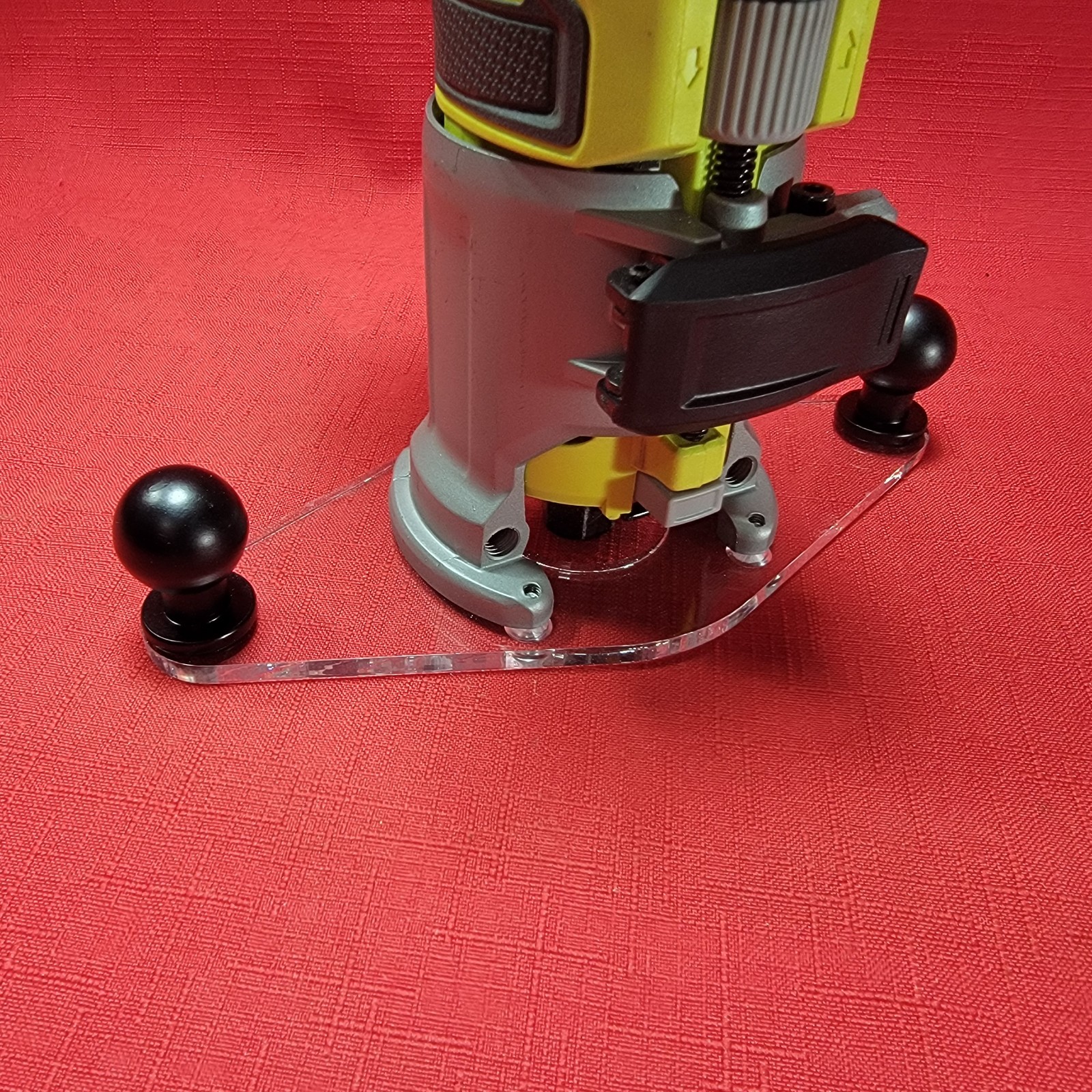
A trim router is a compact, single-hand palm router (typically 1–1.75 HP, 1/4-inch collet) built for edge trimming, laminate work, hinge mortising, and light roundovers where a full-size router is too heavy. The core trade-off is fixed vs. plunge base and brushed vs. brushless motor: fixed bases are lighter and cheaper but require bit-height changes by releasing the motor, while plunge bases add repeatable depth control at a weight penalty. Buy a fixed-base kit with a 1/4-inch collet and at least 1 HP for most trim work; step up to a plunge or brushless model only when depth repeatability or runtime per charge is critical.

Hand Tools

Button Maker

A button maker is a manual or motorized press that crimps a metal shell, graphic, and pin-back (or keychain/magnet) into a finished badge. The core trade-off is die-cast metal frames with interchangeable hardened steel dies versus stamped or plastic frames with fixed, soft dies that wear out and misalign. Buy a metal-frame press with replaceable dies sized to your standard graphic; skip plastic-body kits with glued dies if you intend to make more than a few hundred buttons.

You may also like

Finding more guides for you…