DIY Tool Picks

DIY Tool Picks

Tools & Home Improvement Reviews & Buying Guides

Compare tools & home improvement by use case, features, trade-offs, price, returns, and seller terms before you buy.

Buying guides

Power Tools

Cordless Chainsaw With Battery And Charger

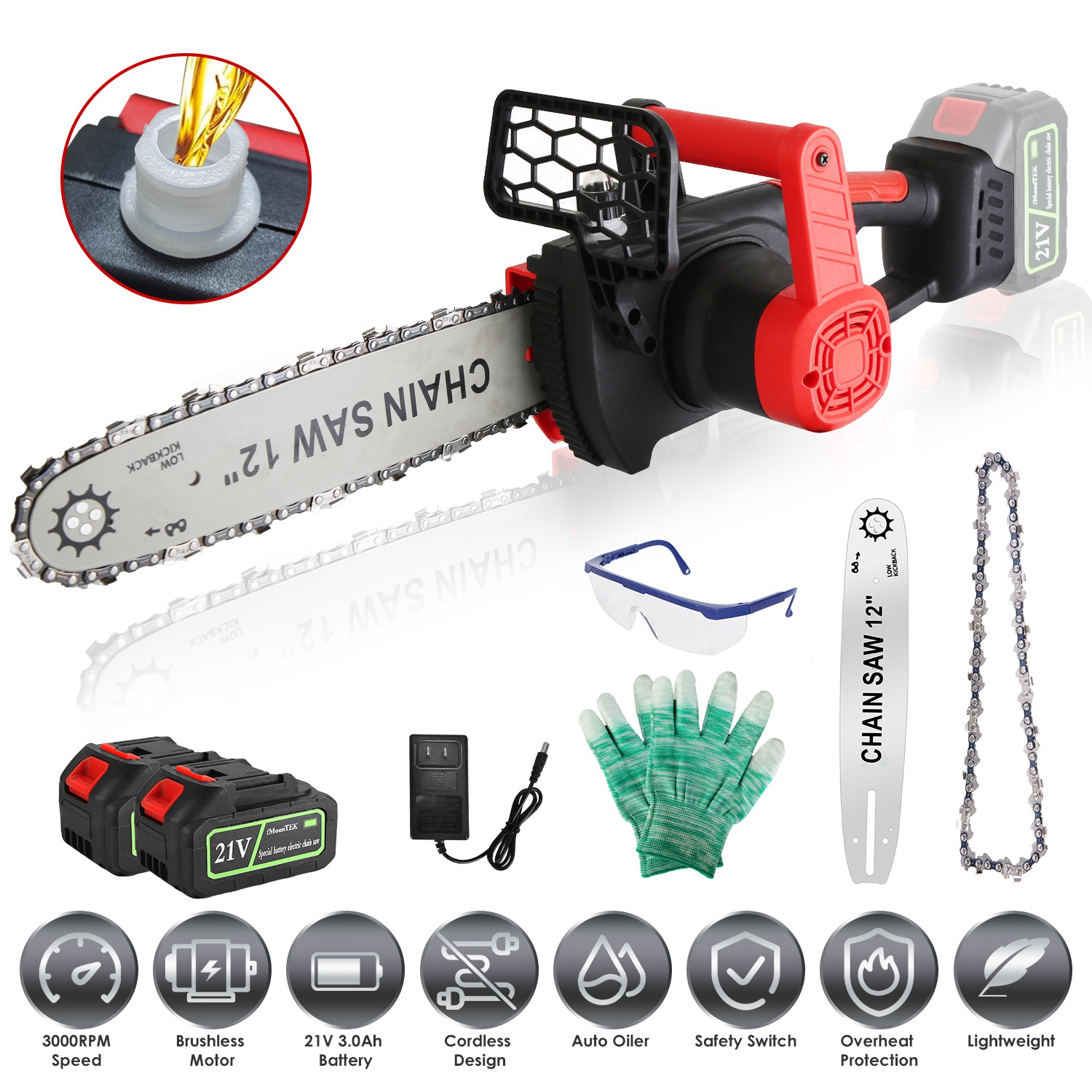
A cordless chainsaw kit pairs a battery-powered saw head with one or more rechargeable packs and a matching charger, trading raw gas-engine torque for instant starts, zero emissions, and lower noise. The core trade-off is voltage and battery architecture versus bar length and motor type: higher-voltage brushless systems cut faster and run cooler, while low-voltage brushed kits stall under load. Buy a kit only when the included battery platform and charger match your cutting volume; otherwise the saw becomes a paperweight once the pack depletes.
Flashlights & Headlamps

Mini Keychain LED Flashlight

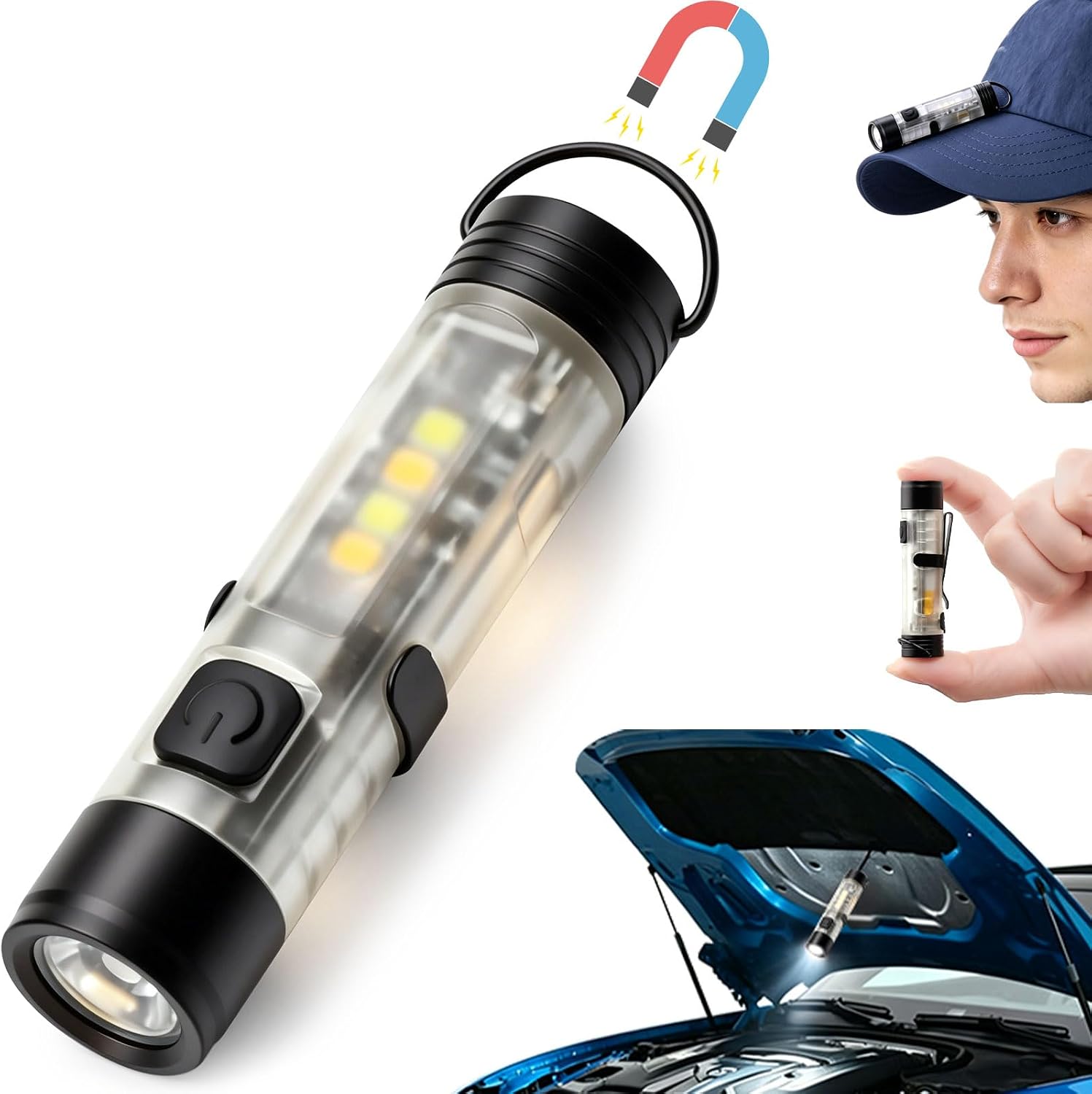
A mini keychain LED flashlight is a sub-3-inch, keyring-mounted light that trades battery capacity and beam throw for always-with-you convenience. The core trade-off is between disposable coin-cell models (ultralight, low output) and USB-rechargeable lithium-polymer units (higher lumens, recurring charge cycles). Buy rechargeable with a locking keyring gate and at least IPX4 for daily carry; accept coin-cell only for backup or ultralight keyring minimalism.

Garage Storage

Plastic Tool Box

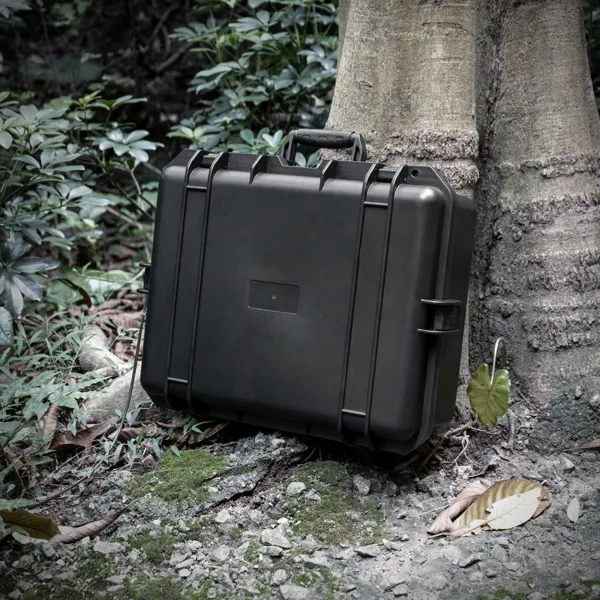
A plastic tool box is a portable, rigid container for hand tools and small equipment, available in three core architectures: simple tote trays, latching organizer boxes, and heavy-duty waterproof cases. The primary trade-off is resin grade and wall thickness versus cost: polypropylene (PP) with UV stabilizers and living hinges resists cracking and garage chemicals, while thin recycled or brittle polystyrene (PS) boxes shatter at hinge points and latches. The decision rule: buy a box with a full-length piano hinge or molded living hinge plus metal or double-throw latches and a documented IP rating for wet or dusty garages; skip thin-wall clamshell boxes with single friction latches.

Power Tools

Auger Drill Bit

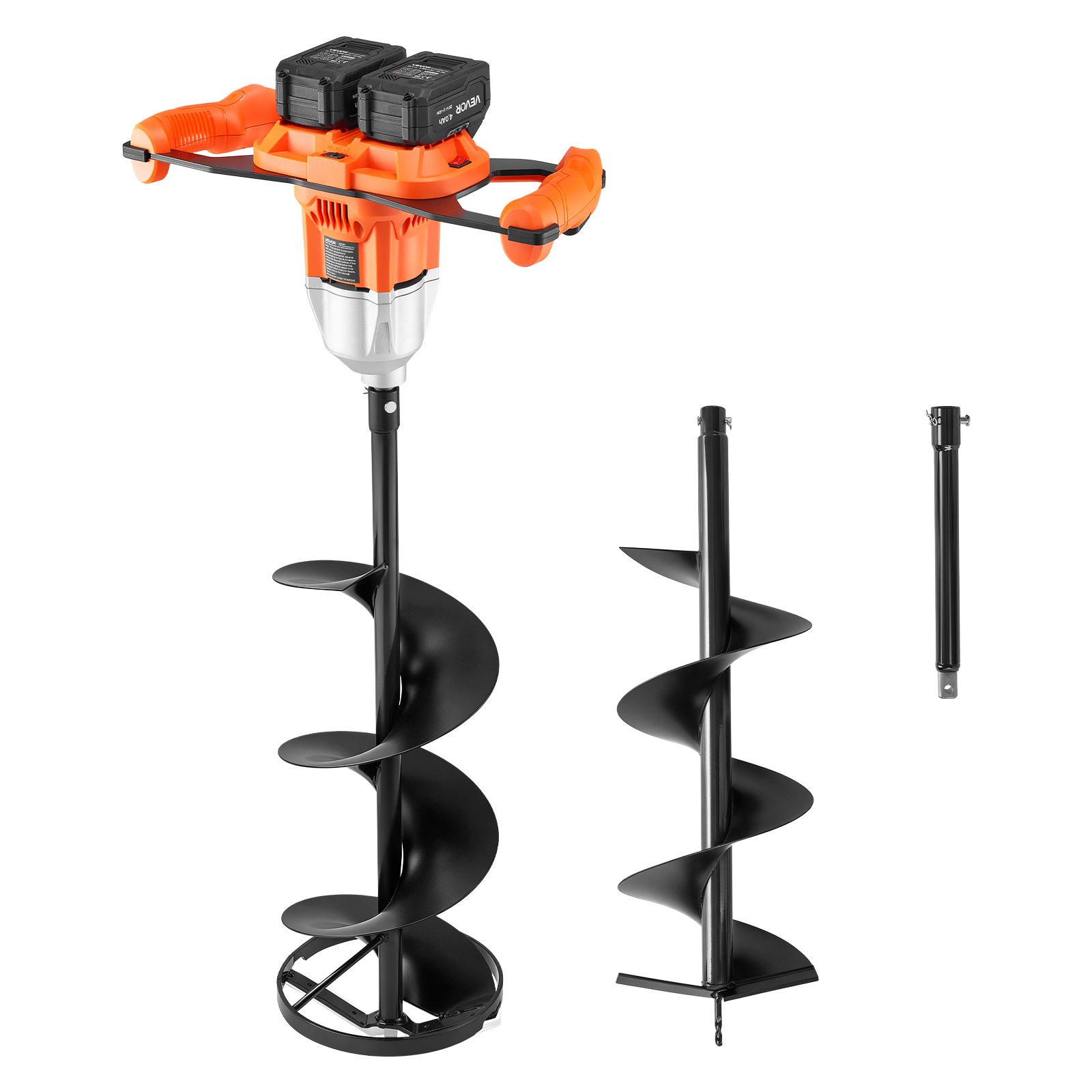
Auger drill bits are helical boring tools that convert rotational torque into vertical digging, available in three distinct architectures: handheld hex-shank bits for cordless drills, dedicated gas/earth augers, and battery-powered ice augers. The primary trade-off is shank drive compatibility and flute geometry versus the material being bored — soft soil demands wide pitch and hardened tip, ice demands chipper blades and cold-rated power, and rocky ground demands carbide or a different tool entirely. The decision rule: match the shank type (hex vs. round vs. dedicated powerhead) and cutting head material to your substrate, and skip any auger whose shank doesn't lock into your drill's chuck or whose flighting pitch is designed for the wrong medium.

Power Tools

Battery Powered Brad Nailer

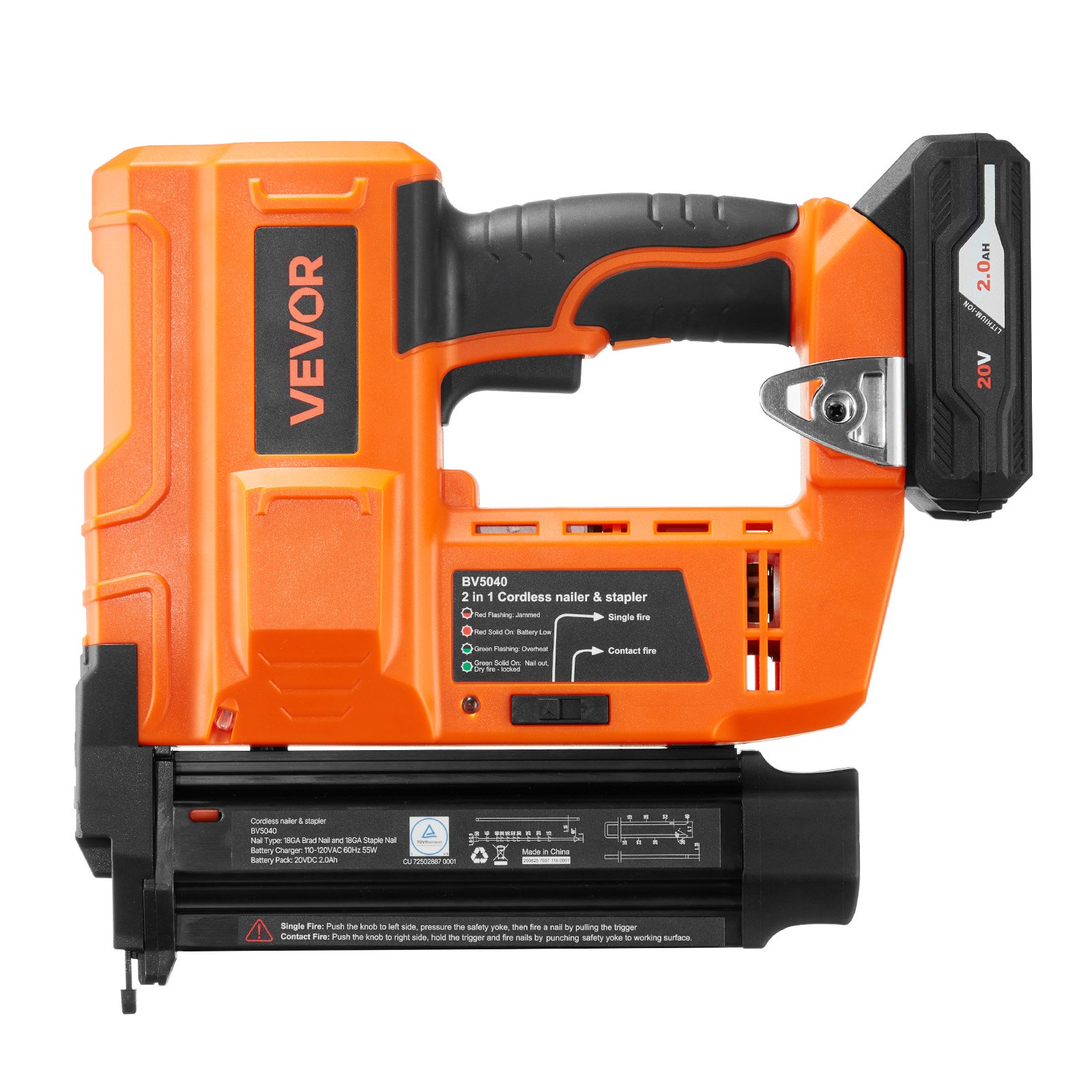
A battery-powered brad nailer is a cordless finish tool that drives 18-gauge nails (typically 5/8" to 2") for trim, casing, and light assembly without a compressor or hose. The core trade-off is between a solenoid/spring-driven mechanism (lighter, slower, limited nail length) and a flywheel-driven mechanism (faster, drives longer nails, heavier, higher cost). Choose a flywheel or premium solenoid model if you need consistent flush drives in hardwood and daily productivity; accept a basic solenoid only for occasional softwood trim and low-duty tasks.

Power Tools

Ice Auger

Ice augers are specialized cutting tools for drilling through ice, with the primary trade-off being between the torque and speed of gas-powered models versus the lighter, cleaner (but battery-limited) electric units, while manual augers trade effort for reliability. The decision rule: match auger power source to ice thickness and hole count — gas for extreme duty, high-voltage electric for moderate ice and convenience, manual for emergency backup — and always verify the cutting diameter and chuck/drill compatibility before buying.

Hand Tools

Bolt Extractor Socket Set

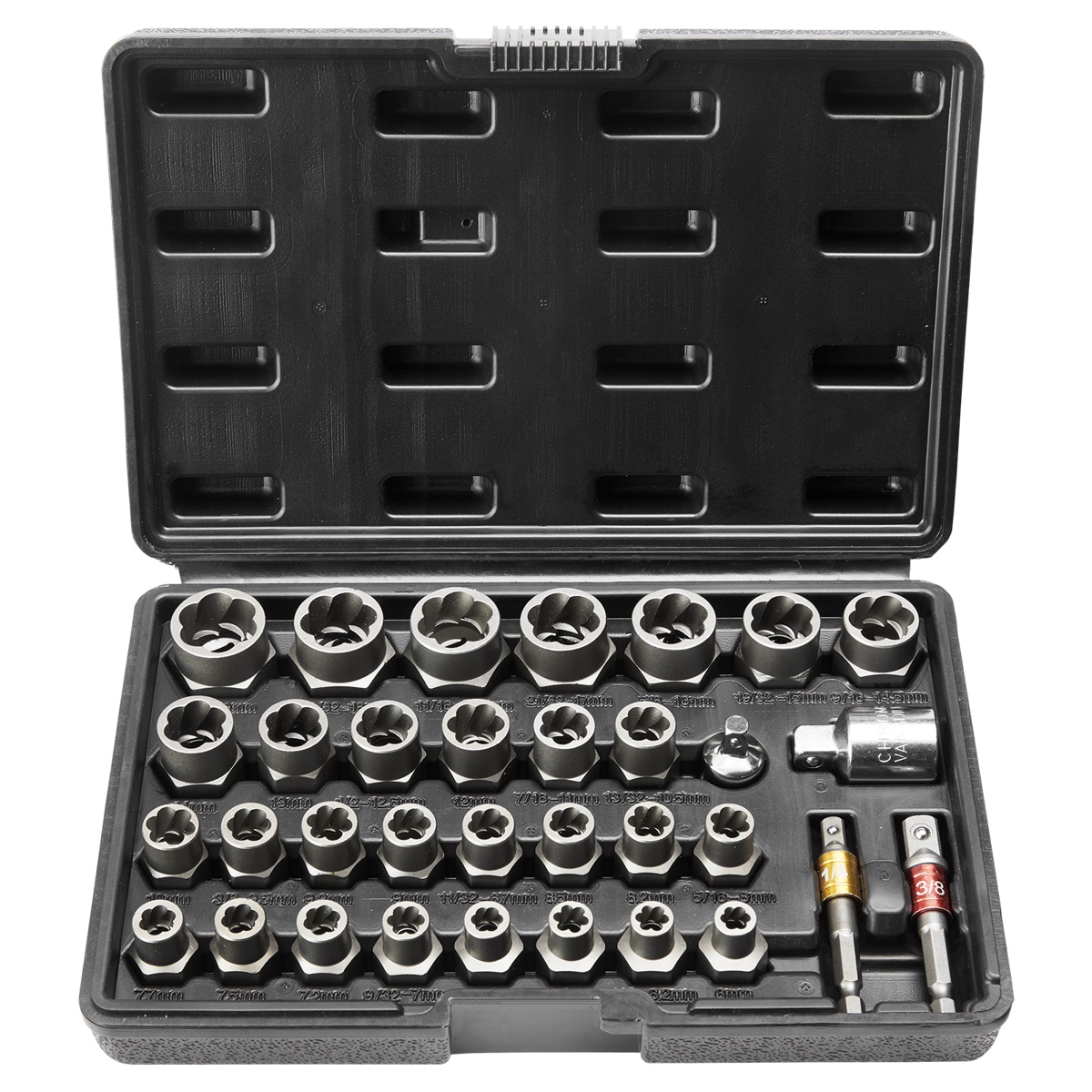
A bolt extractor socket set is a damaged-fastener removal system that bites into rounded or rusted bolt heads using reverse-fluted sockets. The core trade-off is steel grade and flute geometry: Cr-Mo (chromium-molybdenum) sockets survive high torque without cracking, while cheaper carbon-steel or thin-wall versions deform or strip the head further. Buy Cr-Mo or S2 tool-steel extractors with a deep reverse-flute pattern for any bolt you cannot sacrifice; skip low-cost carbon-steel kits for seized automotive or structural fasteners.

Hand Tools

Bolt Remover Socket Set

A bolt remover socket set is a specialized extraction kit that grips stripped, rusted, or rounded fasteners by cutting into the head rather than relying on intact corners. The core trade-off is steel grade and socket geometry: Cr-Mo (chrome-molybdenum) sockets with reverse spiral flutes survive high torque, while cheap Cr-V or shallow-flute copies cam out and fail on seized bolts. Buy Cr-Mo extraction sockets sized to the actual fastener head, and skip any set that lists only 'metal' or offers a single shallow engagement pattern.

Home Repair

Heat Tape

Heat tape is a self-regulating or fixed-resistance electrical cable used to prevent pipe freeze or maintain process temperature. The primary trade-off is between self-regulating (safe, energy-efficient, longer runs) and fixed-resistance (cheaper, must be thermostatically controlled). Choose self-regulating tape with a UL/ETL listing and a braided or polyolefin jacket for any outdoor or concealed pipe; skip unlisted plastic-jacketed liquid tape for freeze protection.

Garage Storage

Plastic Tool Box With Drawer

A plastic tool box with drawer is a portable or stackable storage unit combining a top carry compartment with one or more sliding drawers for small parts, fasteners, and hand tools. The primary trade-off is resin grade and drawer-slide construction: mass-market polypropylene boxes use friction-fit drawers that sag under load, while heavy-duty units use reinforced ribs, metal or nylon ball-bearing slides, and thicker walls that resist cracking in cold garages. The decision rule: choose a box rated for at least 30 lb total load with individual drawer slides and a positive latch; skip thin-wall promotional boxes where drawers are molded-in rails without stops.

Woodworking Clamps, Jigs & Joinery

Jorgensen Bar Clamp

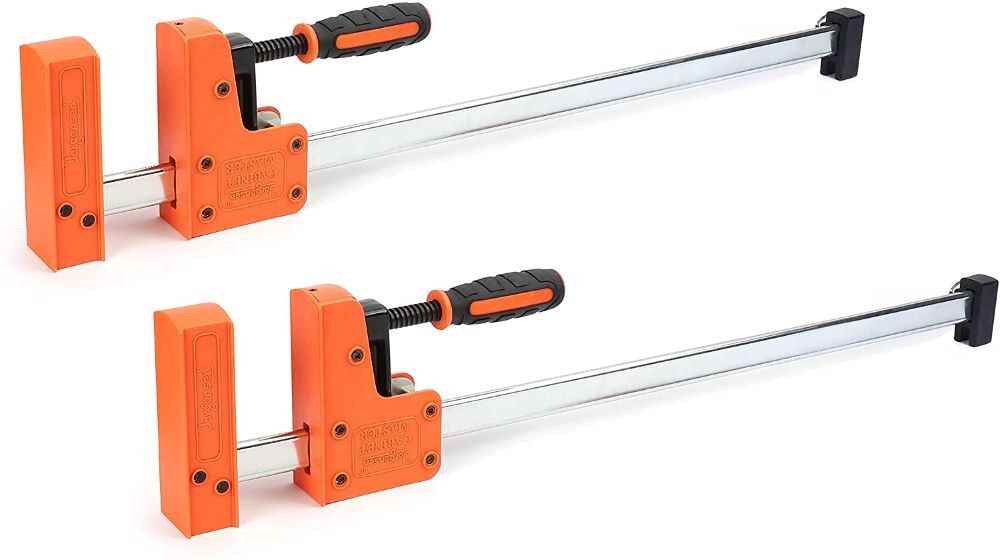
Jorgensen bar clamps are heavy-duty parallel-jaw workholding tools that trade low weight for high clamping force and long spans, typically used for edge gluing and assembly. The core trade-off is bar flex and jaw racking under load: cheaper clamps twist and bow, while quality bar clamps stay parallel and keep pressure on center. The decision rule is simple: if you need 300+ lb of consistent force over a 24-inch or longer span, buy a steel or aluminum bar clamp with a locking reversible jaw; if you only need light hold-down force for small parts, skip the bar clamp and use a lighter F-style or spring clamp.

Woodworking Clamps, Jigs & Joinery

Mortising Attachment

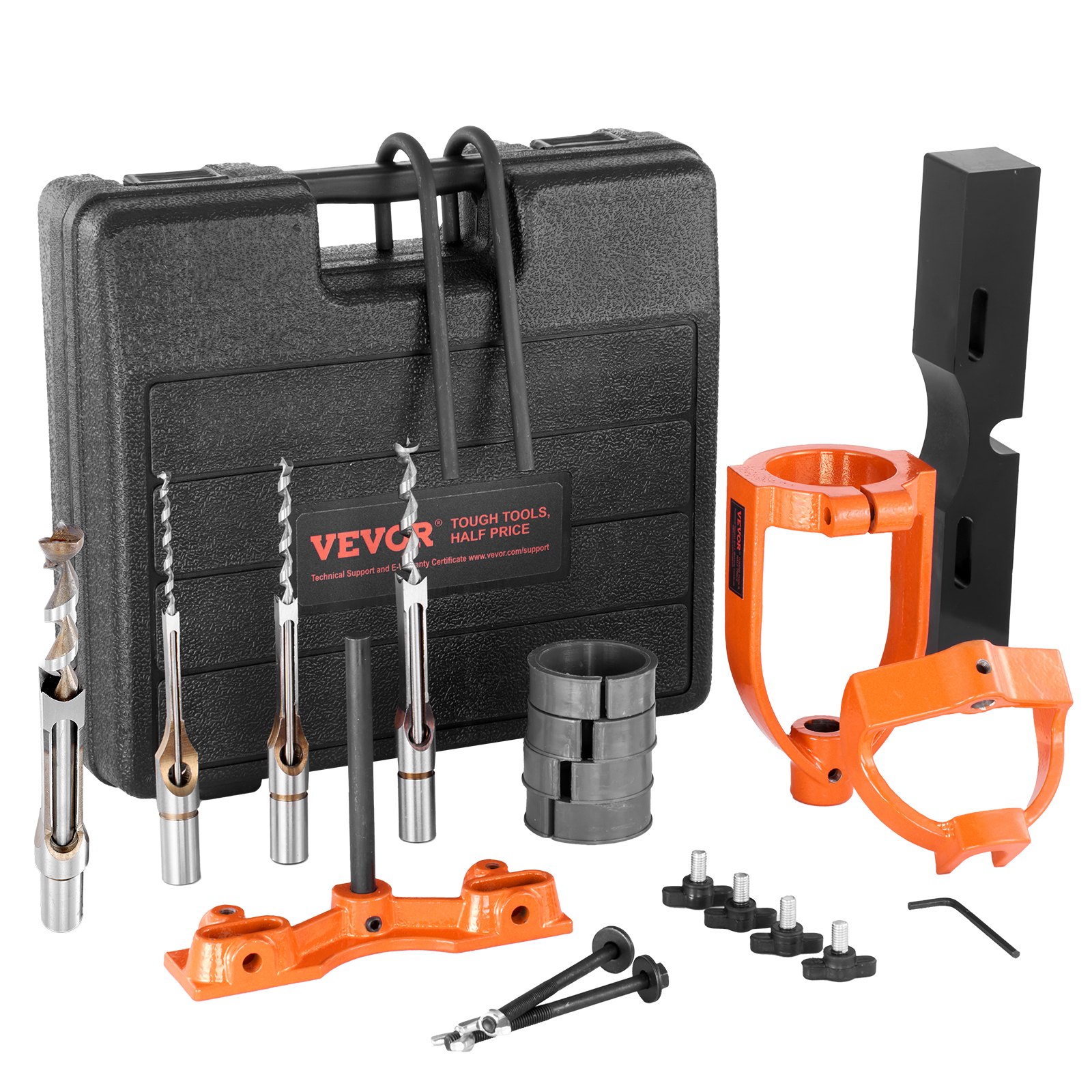
A mortising attachment converts a standard drill press into a square-hole mortising machine by adding a hollow-chisel and bit set, a fence, and a hold-down. The core trade-off is drill-press compatibility and quill/chuck capacity versus the rigidity needed for clean, tear-out-free mortises. Buy only if your drill press has a 2-1/2-inch quill collar and enough spindle travel; otherwise choose a dedicated benchtop mortiser.

Soldering & Electronics Repair Tools

Soldering Iron Station

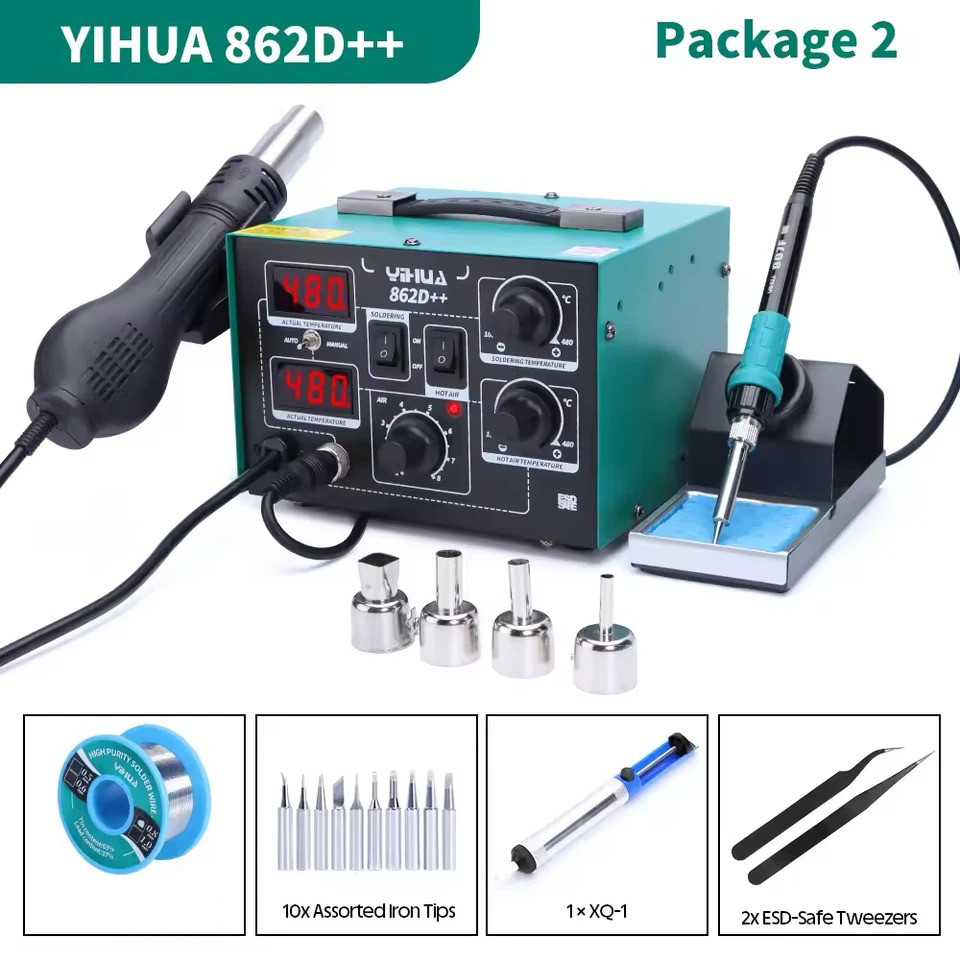
A soldering iron station pairs a temperature-controlled iron with a dedicated power base, and the primary trade-off is between fast thermal recovery (high-wattage heating element plus closed-loop feedback) and low cost. Buyers should choose a station only if it holds set temperature under repeated joints and offers replaceable tips; otherwise a direct-plug iron or simple analog station is a false economy.

Wood Routers & Carving Tools

Bearing Flush Trim Router Bit

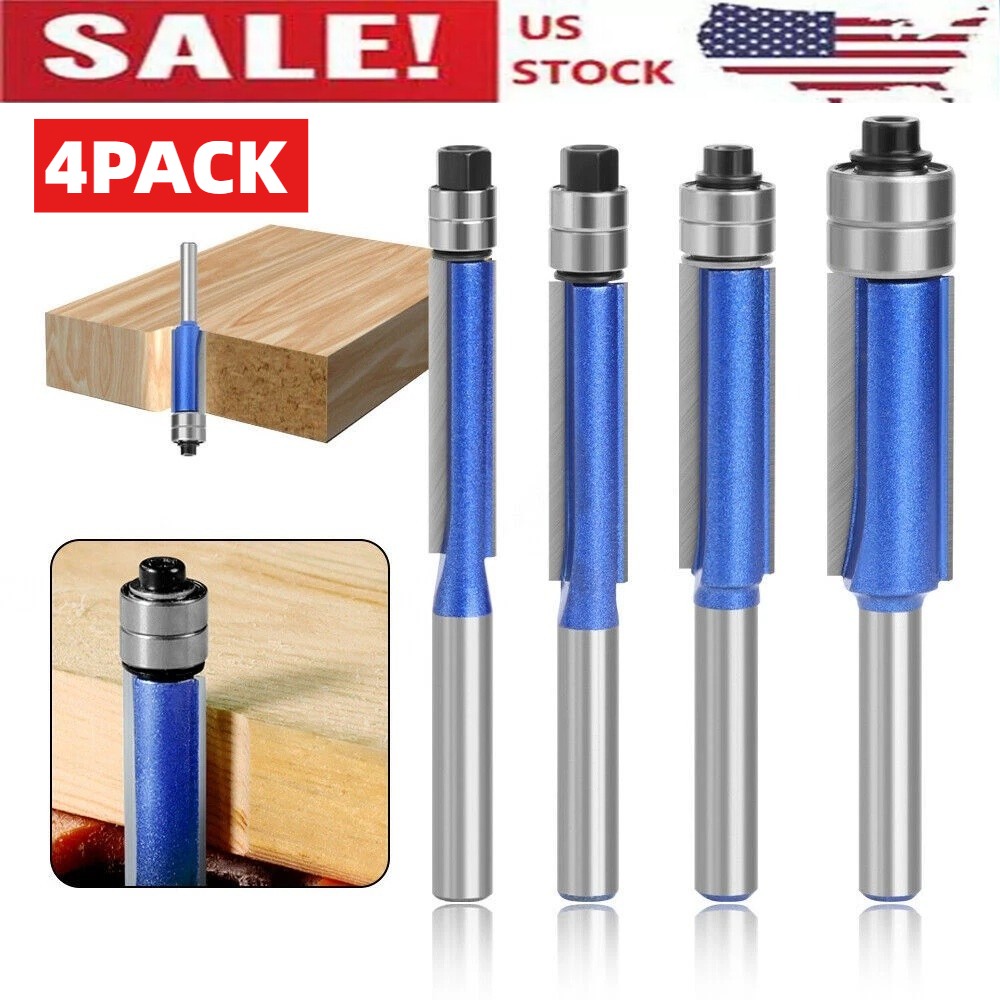
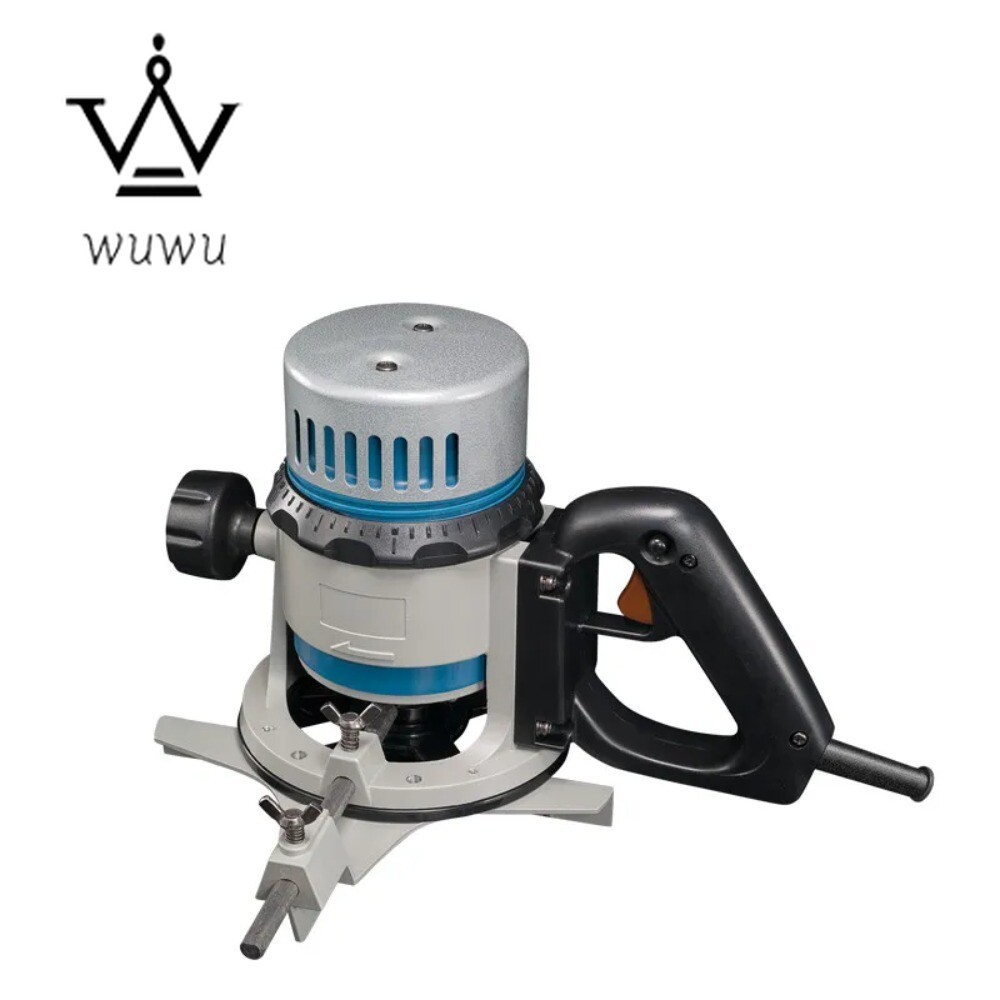
A bearing flush trim router bit uses a top-mounted ball-bearing guide to copy a template or pattern onto a workpiece, making it the core tool for template routing, pattern work, and edge trimming. The critical trade-off is bearing quality and cutter geometry: a sealed, hardened bearing and solid carbide spiral or shear-cutting flutes hold tolerance over thousands of linear feet, while loose ABEC-1 bearings and brazed straight flutes burn edges and wander. The decision rule is simple: buy bits with a fully sealed top bearing, 1/2-inch shank above 3/4-inch cutting diameter, and solid carbide cutters for production work; reserve 1/4-inch shank sets for light trim and laminate only.

Wood Routers & Carving Tools

Bearing Router Bit

Bearing router bits use a top- or bottom-mounted bearing to ride a template, edge, or workpiece for repeatable flush trimming, pattern routing, and edge profiling. The core trade-off is bearing quality and cutter geometry: sealed, hardened bearings with a precise inner race hold tolerance and resist dust, while open or soft bearings wear quickly and cause burning or tear-out. Buy a bit whose bearing inner diameter matches your arbor, whose cutter diameter matches your template offset, and whose carbide grade suits the material—anything less is a short-life compromise.

Plumbing Tools

Plumber Wrench

A plumber wrench is a broad category of hand tools for gripping, turning, and installing plumbing fittings—covering adjustable wrenches, basin wrenches, strap wrenches, and specialty angle-stop tools. The core trade-off is jaw capacity and leverage versus access in tight spaces: a standard 10–12 inch adjustable wrench handles most exposed nuts, but under-sink and behind-bowl work demands a dedicated basin or angle-stop wrench with a low-profile head. The decision rule is simple: match the wrench type to the specific fitting and access geometry—never force a full-size adjustable wrench into a cabinet where a telescoping basin wrench belongs.

Hand Tools

Flexhead Ratcheting Wrench Set

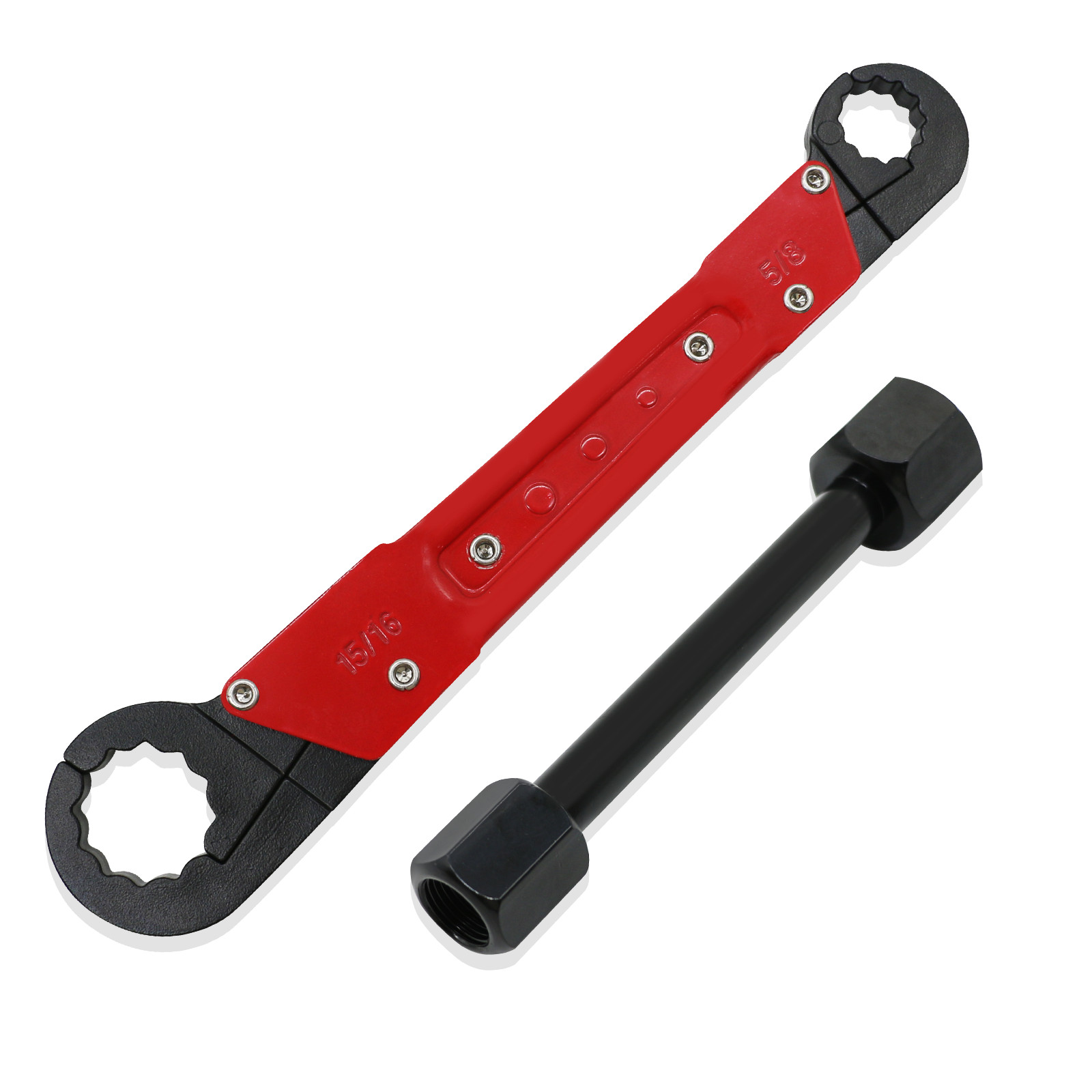
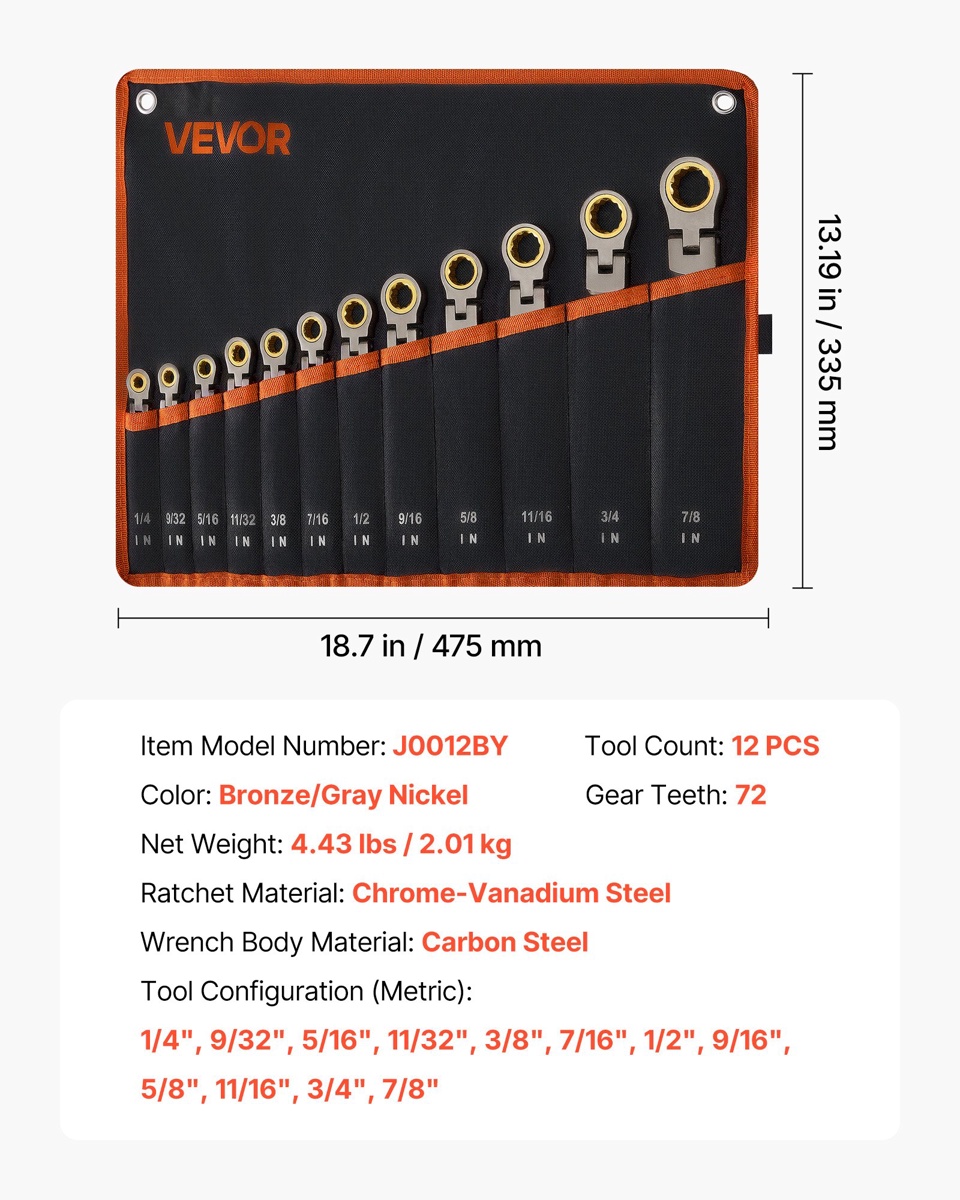
A flex-head ratcheting wrench set combines a pivoting head (usually 180° or 90°) with a fine-tooth ratchet mechanism to reach offset fasteners that fixed wrenches cannot. The core trade-off is tooth count and head-joint design versus steel grade and flex-joint durability: 72-tooth heads need under 5° swing, while 12-point box ends and low-grade Cr-V flex pins loosen or seize under torque. Buy a 72-tooth-or-finer Cr-V set with a locking or detent flex joint for regular use; skip coarse 36-tooth or non-locking heads for automotive work.

Wood Routers & Carving Tools

Wood Carving Tool

Wood carving tools are a hand-tool segment defined by the blade steel and handle geometry; the primary trade-off is edge-holding tool steel versus corrosion resistance and cost. A fixed-blade set of high-carbon or A2 steel with full-tang handles and a strop is a durable carving foundation, while stamped stainless or short-tang budget sets are for casual whittling only.

Measuring & Layout Tools

Stair Gauge

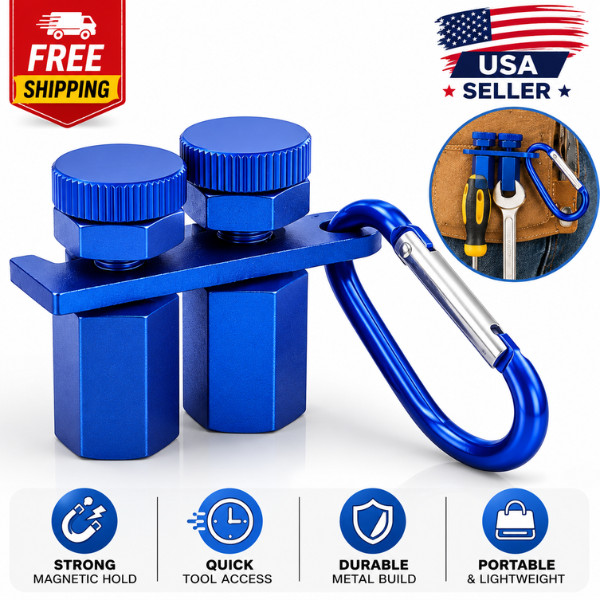
Stair gauges are precision indexing accessories that clamp onto a framing square to lock consistent rise and run angles for stair stringers, rafters, and repetitive layout. The core trade-off is between stamped aluminum with coarse thumbscrews and machined or extruded aluminum with brass or hardened steel hardware that holds angle under vibration; choose machined bodies with fine-thread brass knobs for production framing, and skip thin stamped sets for anything beyond occasional trim work.

Woodworking Saws & Planers

Plunge Saw With Track

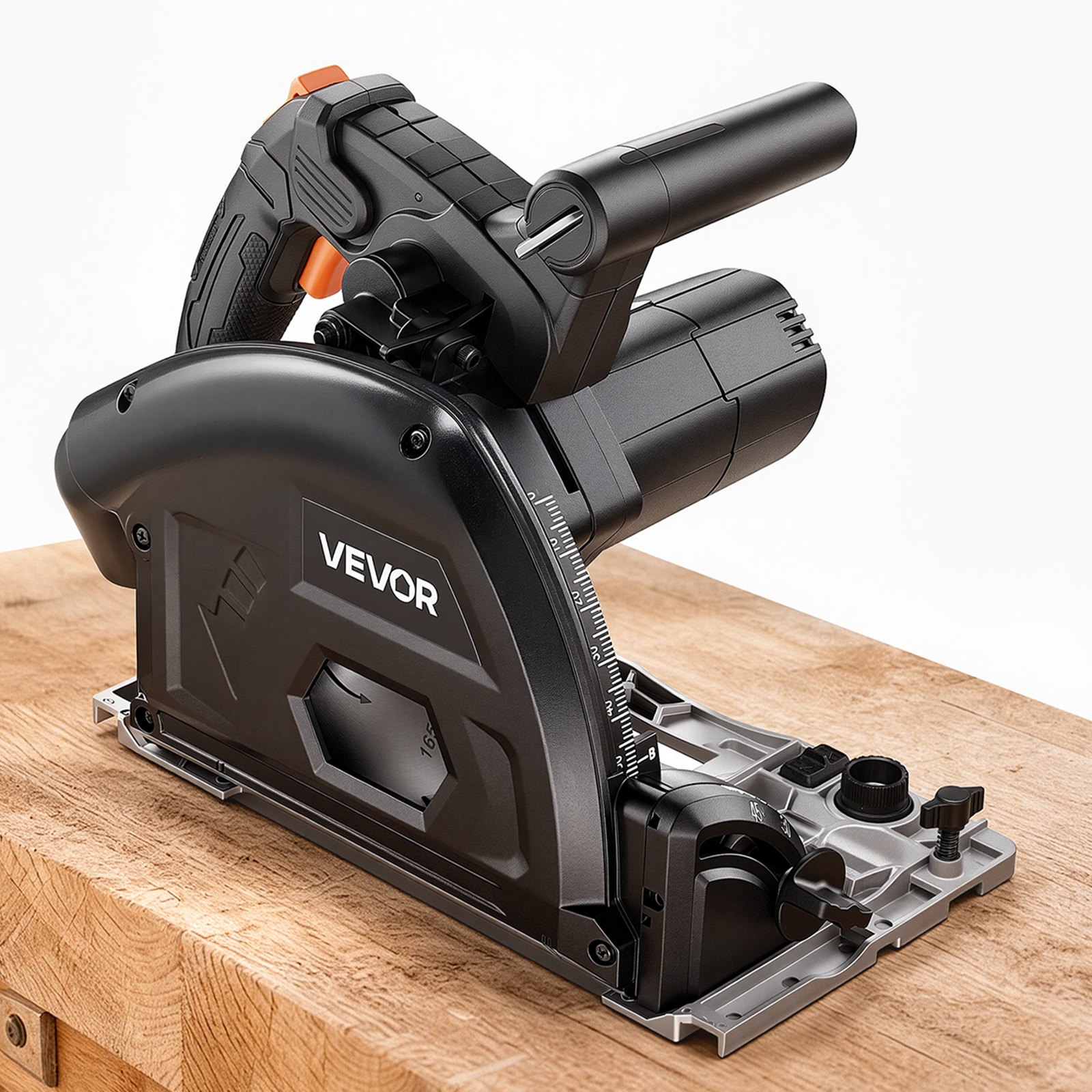
A plunge saw with track is a circular saw that drops vertically into the workpiece and rides a guide rail for splinter-free, dead-straight cuts—replacing a table saw for sheet goods breakdown. The core trade-off is rail system rigidity and saw-to-rail fit versus motor wattage: a sloppy base-to-rail interface ruins cut quality no matter the power. Buy only bundles where the rail is included or the saw is explicitly compatible with a standard rail profile; a bare saw with no rail ecosystem is a compromise.

You may also like

Finding more guides for you…