DIY Tool Picks

DIY Tool Picks

Tools & Home Improvement Reviews & Buying Guides

Compare tools & home improvement by use case, features, trade-offs, price, returns, and seller terms before you buy.

Buying guides

Electrician Hand Tools

Knockout Set

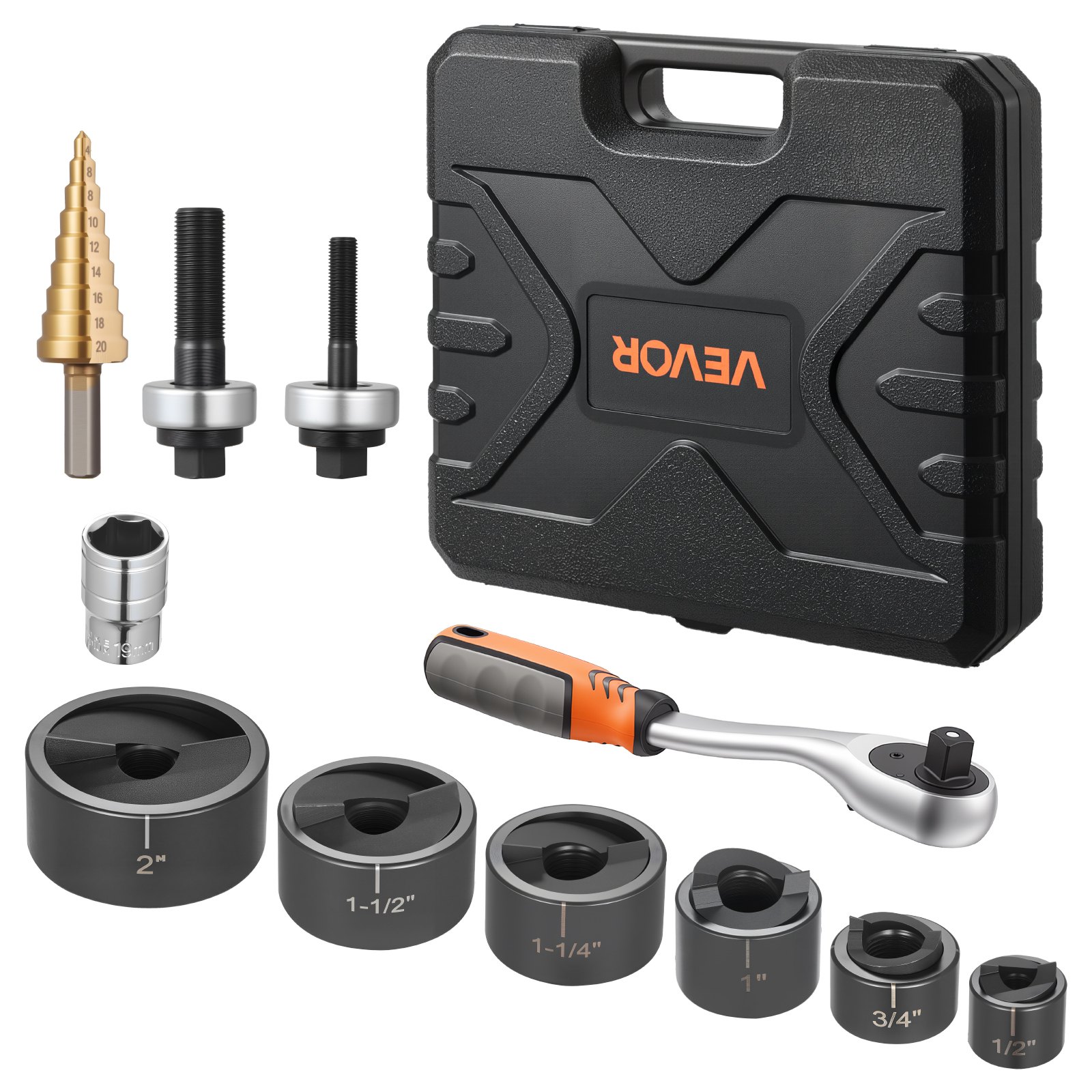
A knockout set is a hydraulic or ratchet-driven hole-punching system for cutting clean conduit and connector openings through electrical enclosures, panels, and cabinets. The critical trade-off is between manual ratchet drivers (portable, slower, high force) and hydraulic drivers (fast, low effort, heavier and costlier), with die material and conductor range determining actual cut quality and longevity. Choose a set whose die sizes match your standard trade sizes and whose driver matches your daily volume—one-off 1/2-inch holes can use a compact ratchet, but repeated 1-1/2 to 2-inch work demands hydraulic assistance.

Electrician Hand Tools

Socket Set

A socket set for electrical work is defined by its insulation rating and drive size—not by piece count. The primary trade-off is between 1000V-rated insulated sockets (VDE certified) for live-line safety and standard chrome-vanadium sockets for general mechanical durability. The decision rule: any set used near energized circuits must carry a visible 1000V VDE rating and IEC 60900 marking; unmarked sets are mechanical-only tools.

Woodworking Saws & Planers

Band Saw

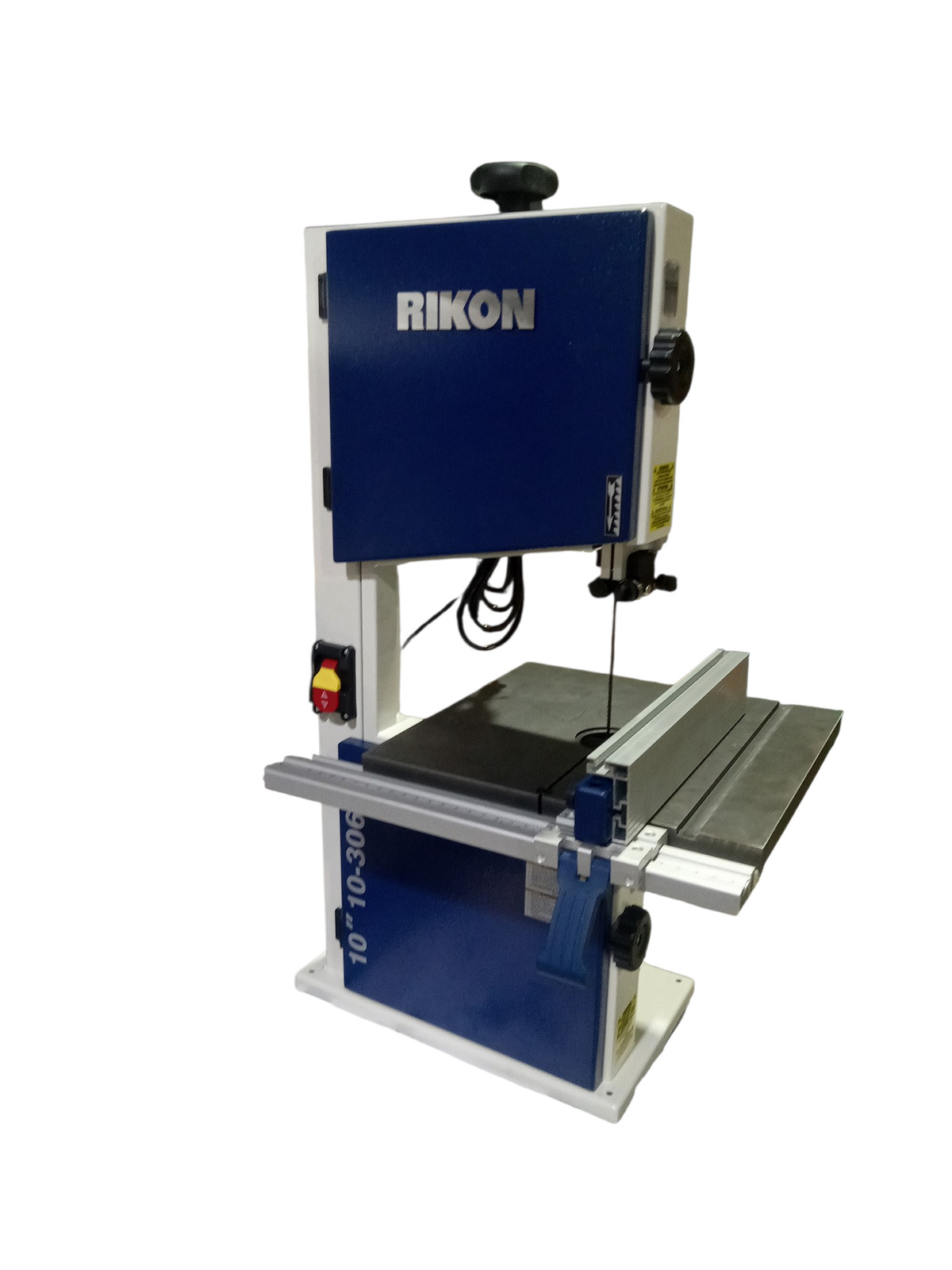
A band saw is a continuous-loop blade saw that excels at curved cuts, resawing, and veneer work, with performance dictated by motor horsepower, throat depth, and blade tensioning rigidity. The core trade-off is cast-iron wheel/frame mass for vibration-free resawing versus stamped-steel portability and lower cost. Buyers should treat any saw under 1/2 HP or with plastic trunnions as a light-duty compromise rather than a durable woodworking investment.

Woodworking Hand Tools & Chisels

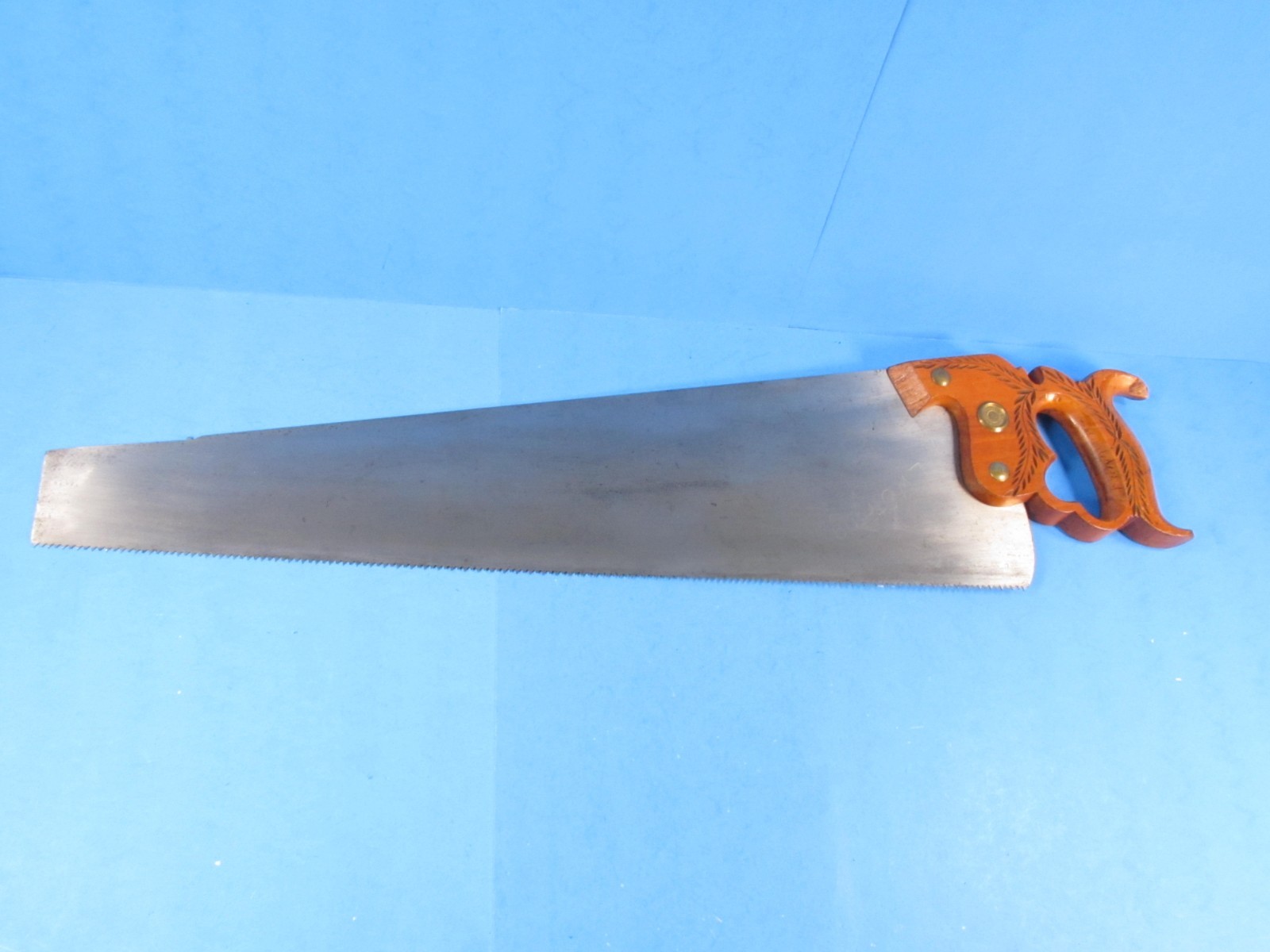
Hand Saw

A hand saw is a manual cutting tool where tooth geometry, steel hardness, and plate tension determine speed, accuracy, and longevity. The primary trade-off is between traditional taper-ground, sharpened-tooth saws that cut fast but require maintenance and hardened-tooth saws that stay sharp longer but cannot be resharpened. Choose a taper-ground carbon-steel saw if you value cut quality and resharpening; choose a hardened-tooth saw for low-maintenance general carpentry.

Electrician Hand Tools

Knockout Punch Set

A knockout punch set is a hydraulic or ratchet-driven hole-making system that punches clean, burr-free conduit and connector holes through mild steel, aluminum, fiberglass, and plastic electrical enclosures. The core trade-off is driver architecture (manual ratchet vs hydraulic pump) and die steel grade: budget sets use softer dies and thin drivers that deform under load, while professional sets use hardened 40Cr or S7 tool steel dies, thrust bearings, and sealed hydraulic cylinders rated for thousands of cycles. Buy a ratchet set for 1/2 in to 2 in work in thin-gauge enclosures, and step up to a hydraulic driver with hardened dies for 2-1/2 in to 4 in holes or repeated daily punching in 10-gauge and thicker steel.

Wood Routers & Carving Tools

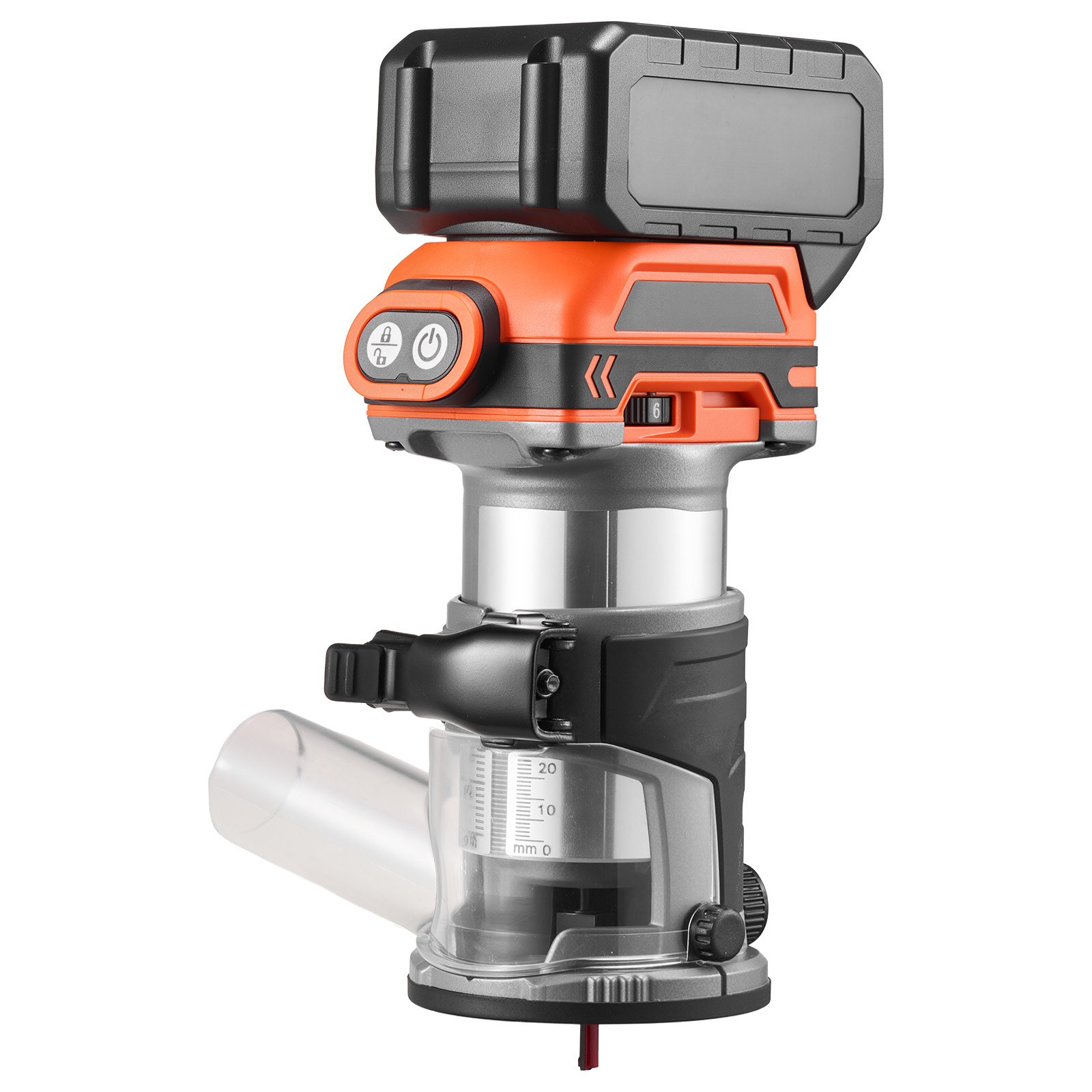
Cordless Wood Router

A cordless wood router frees you from the cord for edge profiles, hinge mortises, and trim work, but the primary trade-off is battery platform lock-in versus the consistent torque and runtime of a corded model. The clear decision rule: buy a brushless, 18V-or-higher router that shares a battery family you already own; skip any brushed or sub-12V model for sustained hardwood routing.

Power Tools

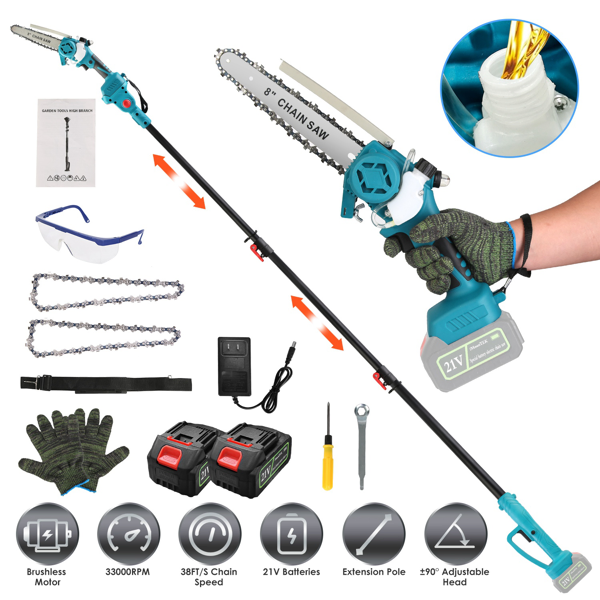
Cordless Pruning Saw

A cordless pruning saw is a battery-powered cutting tool for limbs and branches, available as a compact handheld chainsaw or a pole-mounted extended-reach model. The core trade-off is between voltage/battery capacity for sustained torque versus bar length and reach for limb diameter—brushless motors and higher voltage (18V–40V+) deliver cooler, longer runtime, while cheap brushed single-battery kits stall under load. The decision rule: buy a brushless model with at least two batteries and a bar matched to your max limb diameter; skip any brushed, single-battery kit with an unspecified bar length.

Hand Tools

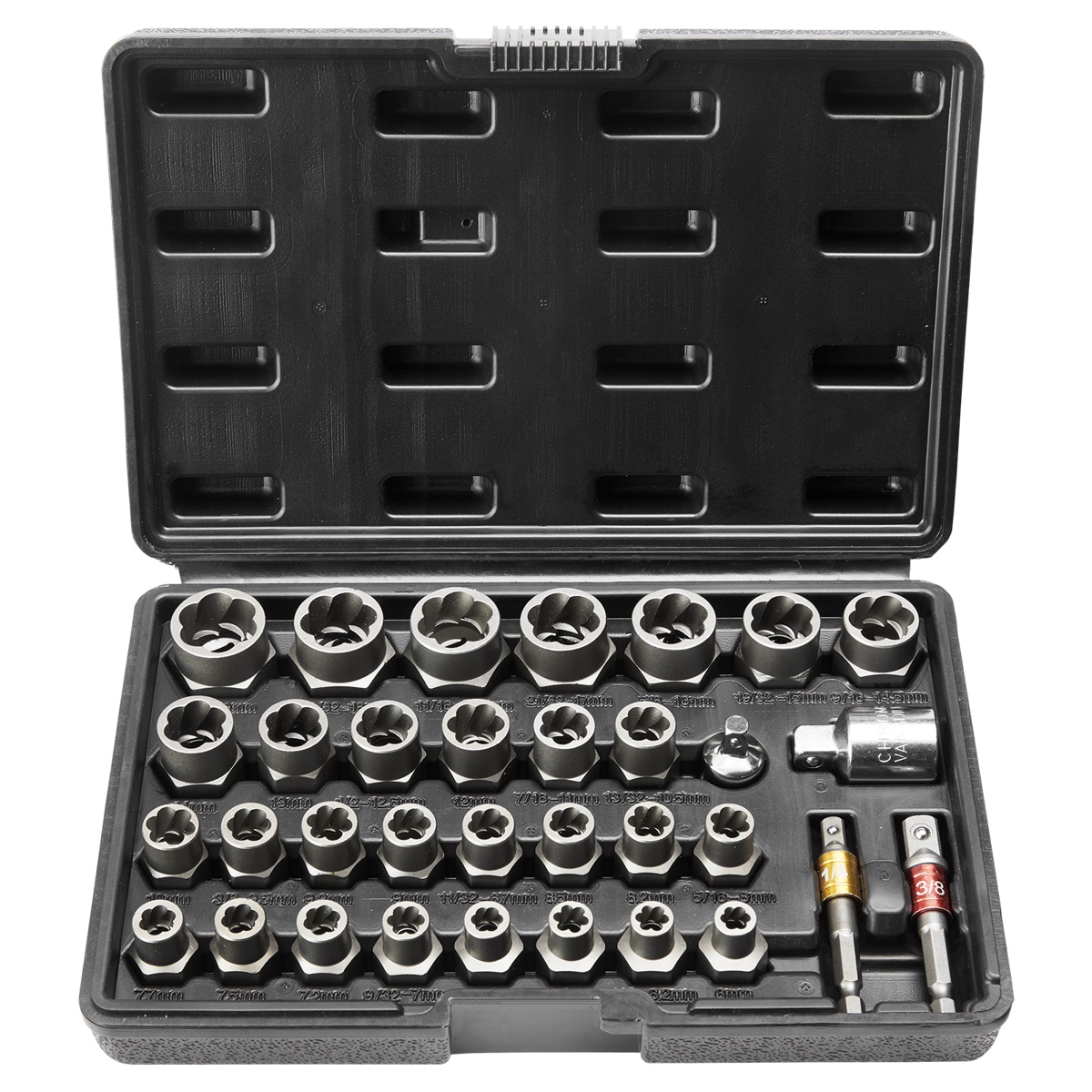
Extractor Socket Set

An extractor socket set is a specialty hand-tool kit designed to grip and remove rounded, rusted, or damaged fasteners by cutting into the head rather than turning it by flats. The primary trade-off is between chrome-molybdenum (Cr-Mo) steel sockets that survive high torque and cheaper carbon-steel or chrome-vanadium (Cr-V) versions that can crack under load. The decision rule is simple: buy Cr-Mo sockets with a spiral or spline cut and a hard storage case, and skip any set that lists only 'metal' or 'high-carbon steel' without a torque-rated grade.

Hand Tools

Heavy Duty Wire Cutter

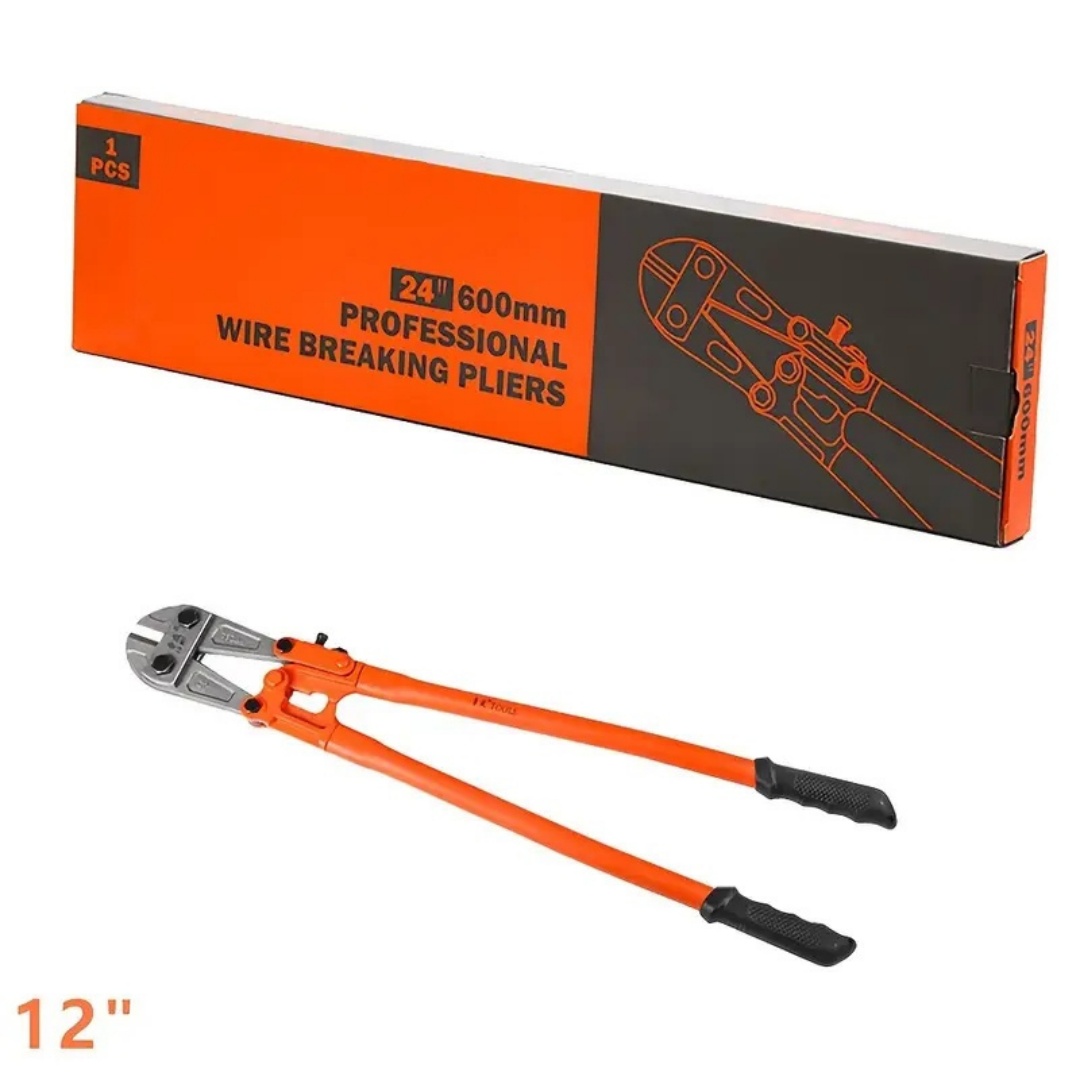
Heavy-duty wire cutters are lever-and-fulcrum cutting tools sized for hardened steel wire, chain, screws, and rivets rather than soft copper or craft wire. The core trade-off is compound leverage versus jaw hardness: longer handles and pivot geometry multiply hand force, but only through-hardened or induction-hardened jaws hold an edge under repeated hard-wire cuts. Buy compound-lever cutters sized to your wire gauge if you cut hardened stock weekly; choose single-pivot forged cutters only for soft wire and light fencing.

Garage Storage

Industrial Storage Shelf

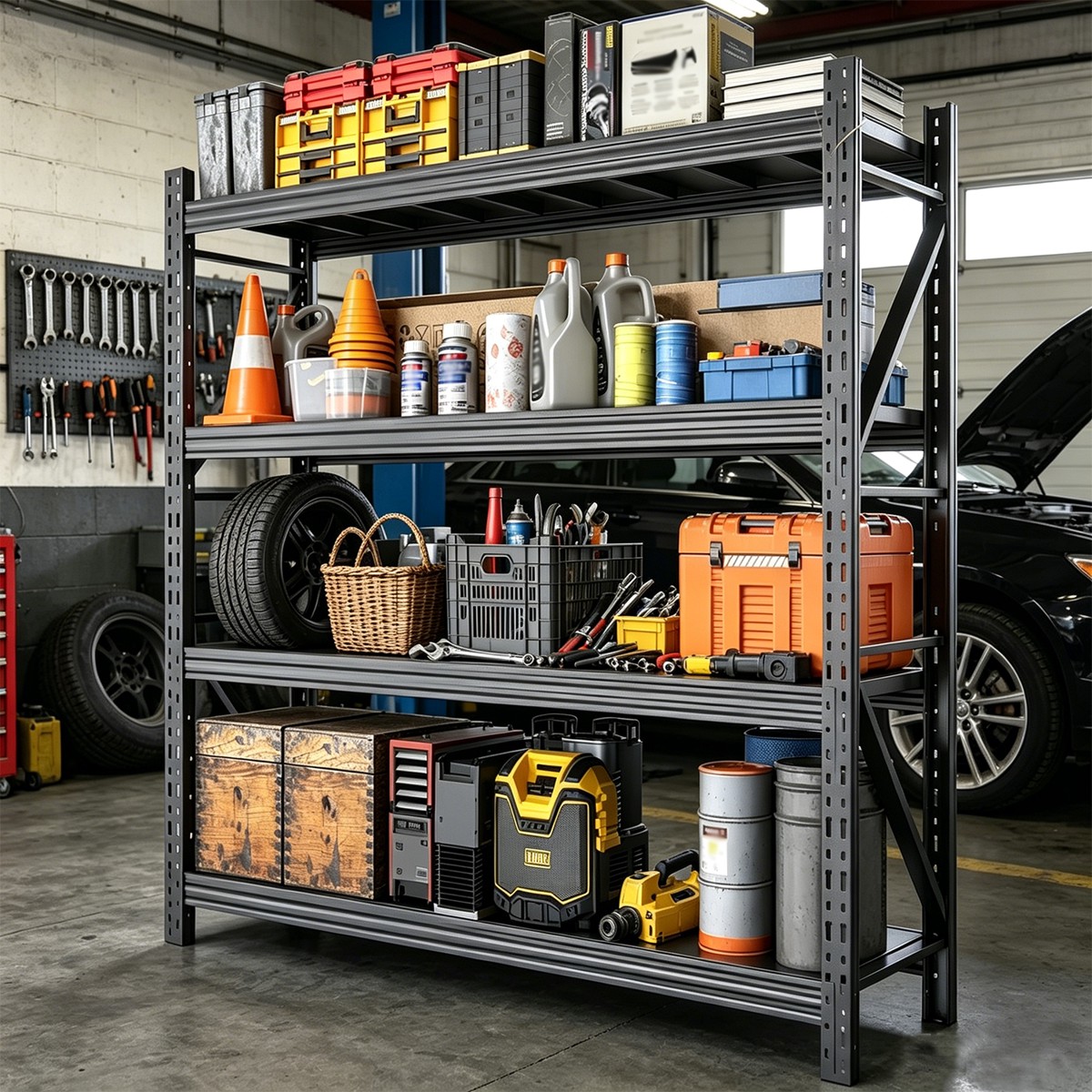
Industrial storage shelves are heavy-duty metal racking systems built to hold dense loads—tools, parts, bulk goods—without racking or bowing. The core trade-off is load capacity versus beam/deck construction: boltless rivet racks handle light-to-medium duty, while welded steel or reinforced-bolt units with particleboard or steel decks carry true industrial weight. The decisive rule: buy a shelf rated at least 1.5× your expected per-shelf load, and never trust a total capacity figure without checking the per-shelf and per-beam rating.

Electrician Hand Tools

Manual Wire Stripping Machine

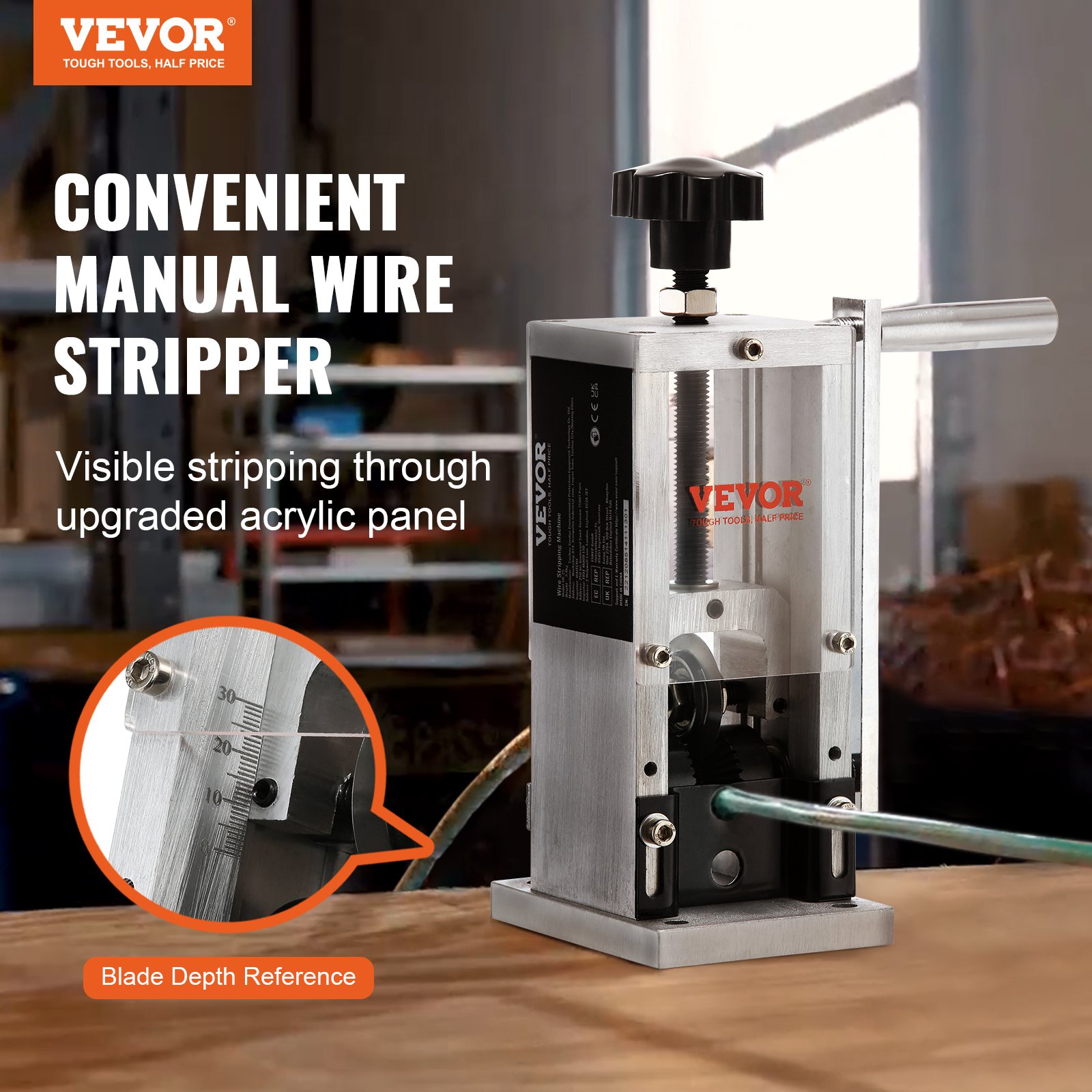
A manual wire stripping machine is a bench-mounted or portable tool that removes insulation from scrap copper or aluminum cable via a hand crank or drill-driven feed, replacing repetitive knife work. The core trade-off is frame rigidity and blade adjustability versus portability: cast-aluminum or steel frames with visible depth references hold tolerance across hundreds of feet, while stamped or plastic-bodied units flex and gouge conductors. Buy a drill-capable unit with a calibrated depth scale if you process more than a few pounds of scrap; skip hand-only, non-adjustable peelers for anything beyond occasional single-gauge work.

Hand Tools

Milwaukee 1 4 Socket Set

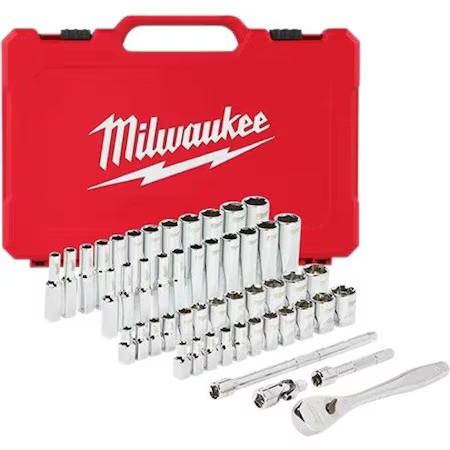
A 1/4-inch drive socket set is the go-to for precision fastening on small engines, electronics, and interior trim, where clearance and control matter more than raw torque. The core trade-off is steel grade and ratchet tooth count versus piece count and packaging bulk—chrome vanadium (CrV) with a 90-tooth or finer ratchet delivers durable, low-slip performance, while generic high-piece-count sets often use softer steel and coarse 45-tooth heads. The decision rule: buy a branded mechanics-grade set with a clearly stated CrV or CrMo steel and a ratchet of at least 72 teeth; skip any set that lists only “drop-forged” without steel grade or tooth count.

Garage Storage

Industrial Shelf Wall

Industrial wall shelves are heavy-gauge steel or wire rack systems that mount to wall studs or freestanding uprights to carry dense loads of tools, parts, and equipment. The primary trade-off is between static load rating and wall-fastener/construction quality: high capacities demand thicker steel, deeper beams, and proper stud anchoring, while lighter consumer units often use thinner gauge and plastic connectors that creep under sustained load. The clear decision rule is to match the shelf's per-tier capacity and mounting method to your actual wall substrate and load profile, not to chase a headline total weight figure.

Power Tools

Electric Chisel Hammer

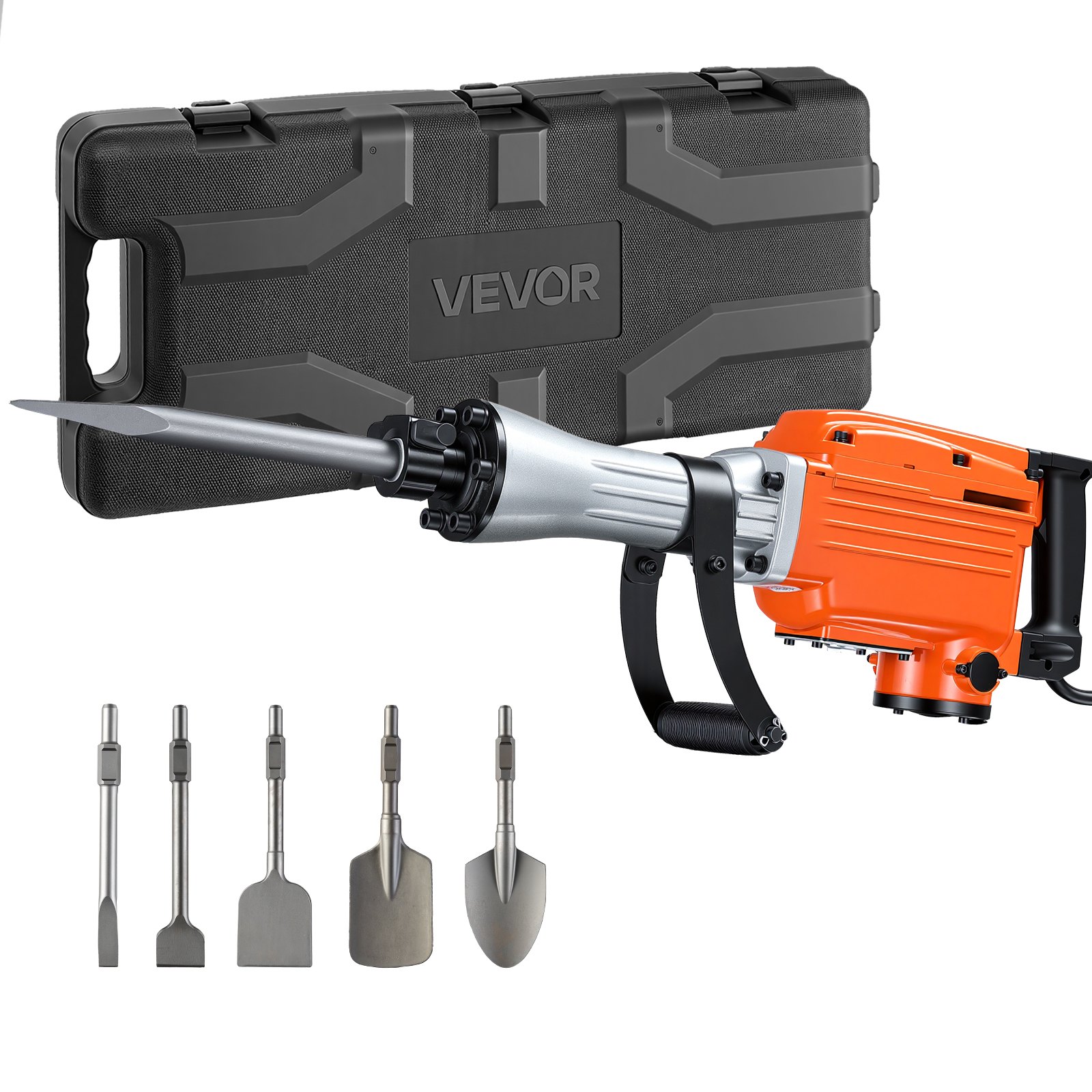
An electric chisel hammer (demolition hammer) is a corded impact tool that drives a steel chisel into concrete, masonry, and asphalt using a motor-driven piston mechanism. The core trade-off is between impact energy (joules) for breaking force and beats-per-minute for speed, with hex-shank compatibility and anti-vibration construction separating pro-duty units from light-duty compromises. Choose a SDS-max or hex-shank hammer with at least 15 J impact energy for structural demolition; skip SDS-plus or 10 J-class tools for anything beyond tile and light mortar.

Measuring & Layout Tools

Bosch Laser Measuring Tool

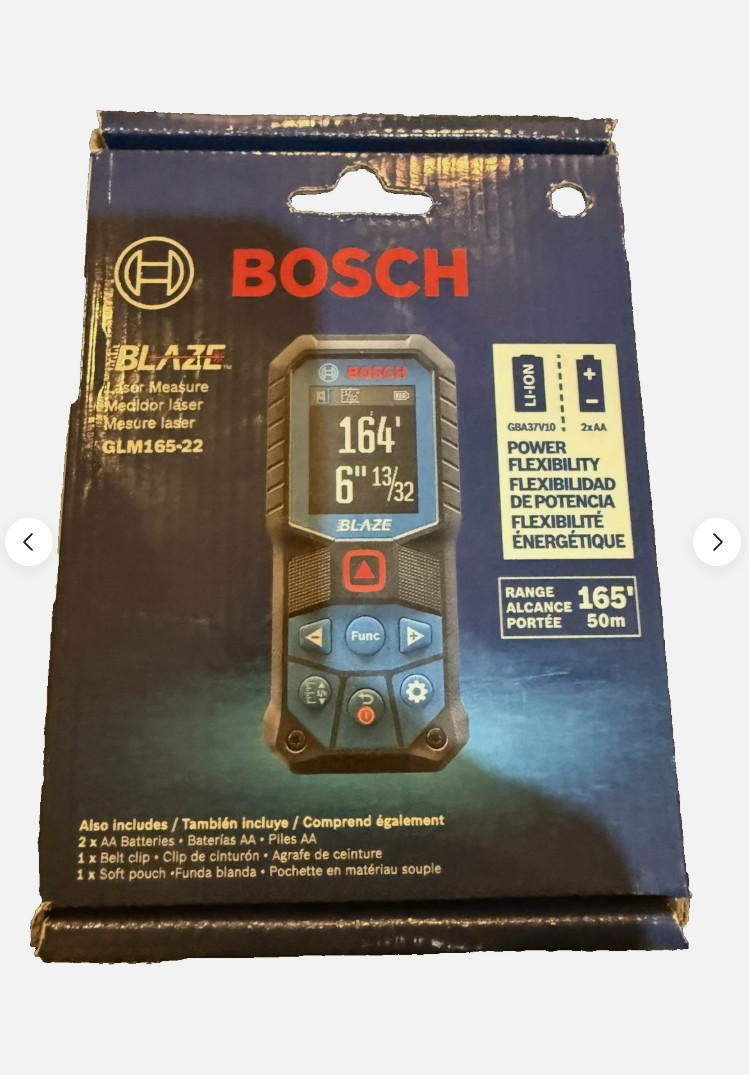
Bosch laser measuring tools are handheld distance meters that replace tape measures for interior and outdoor estimating, with accuracy and range driven by the laser class, optics, and whether the unit is a basic point-and-shoot or a Bluetooth-enabled model. The core trade-off is between a simple 2-3 button meter with a clear LCD and a connected model that logs measurements to a phone app, which adds cost and battery drain. Choose a real Bosch GLM-series meter with a stated accuracy of ±1/16 inch or better and a known working range; skip generic no-name lasers with vague specs.

Flashlights & Headlamps

Pocket Flashlight

A pocket flashlight is an EDC light small enough to carry daily, where the core trade-off is output/runtime versus true pocketability and cell chemistry. Buy by cell format and driver quality: a regulated light on a standard replaceable cell (10440/14500/16340/18650) is durable, while an unregulated sealed-cell zoomie is a compromise.

Dust Collection, Sanding & Finishing

Electric Sander

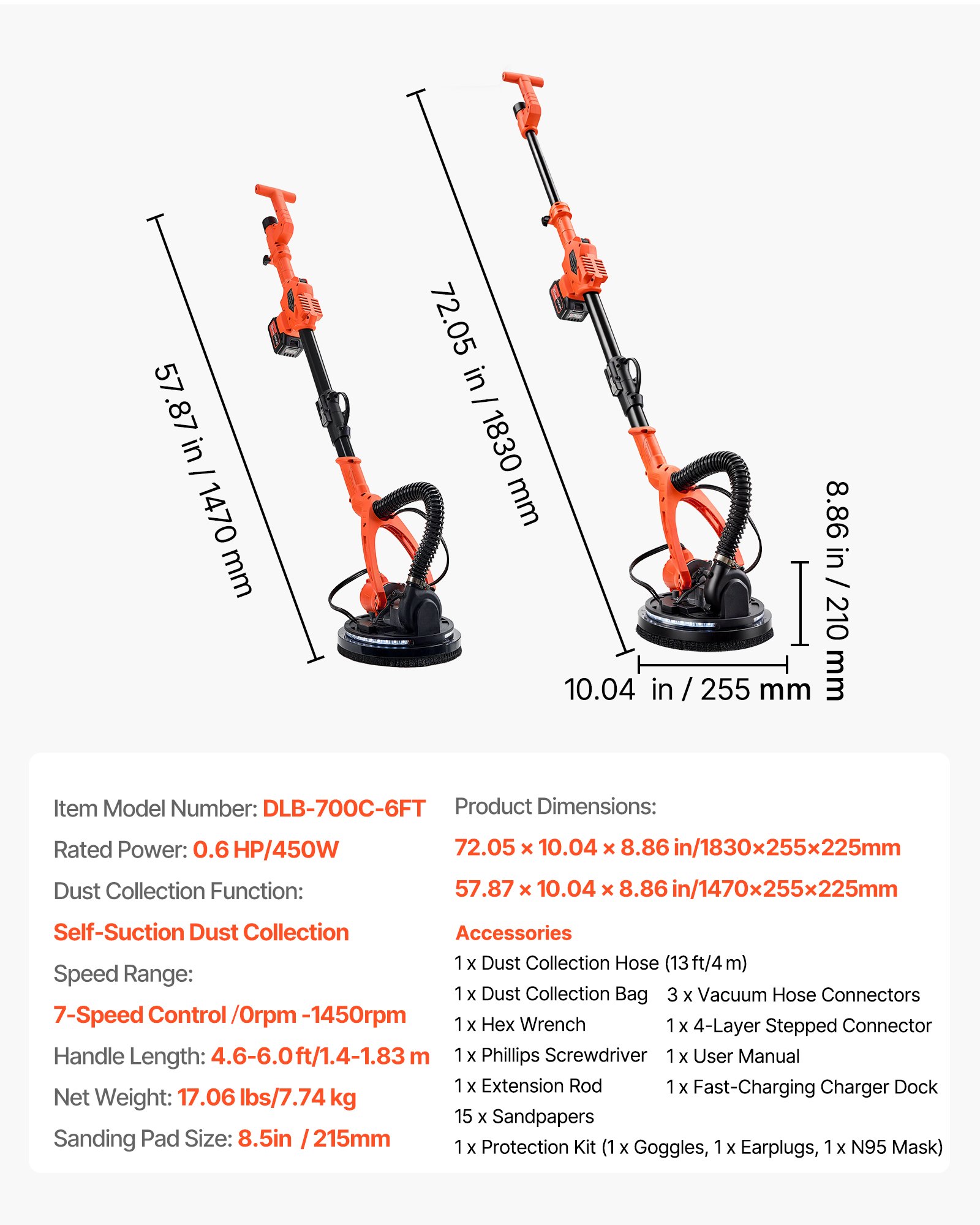
Electric sanders span compact palm random-orbit units for finish work, half-sheet straight-line sanders for flattening, and long-reach drywall sanders for walls and ceilings. The decisive trade-off is orbit/action versus power and pad size: random orbital tools blend scratches for finish-ready surfaces, while high-watt fixed-orbit and drywall units remove material fast but demand dust extraction. Buy a brushless random-orbital with a sealed bearing and a real vacuum port for wood; buy a dedicated long-reach drywall sander for walls and ceilings, and skip cordless palm sanders for anything beyond spot work.

Workbenches & Shop Equipment

Portable Table Saw Stand

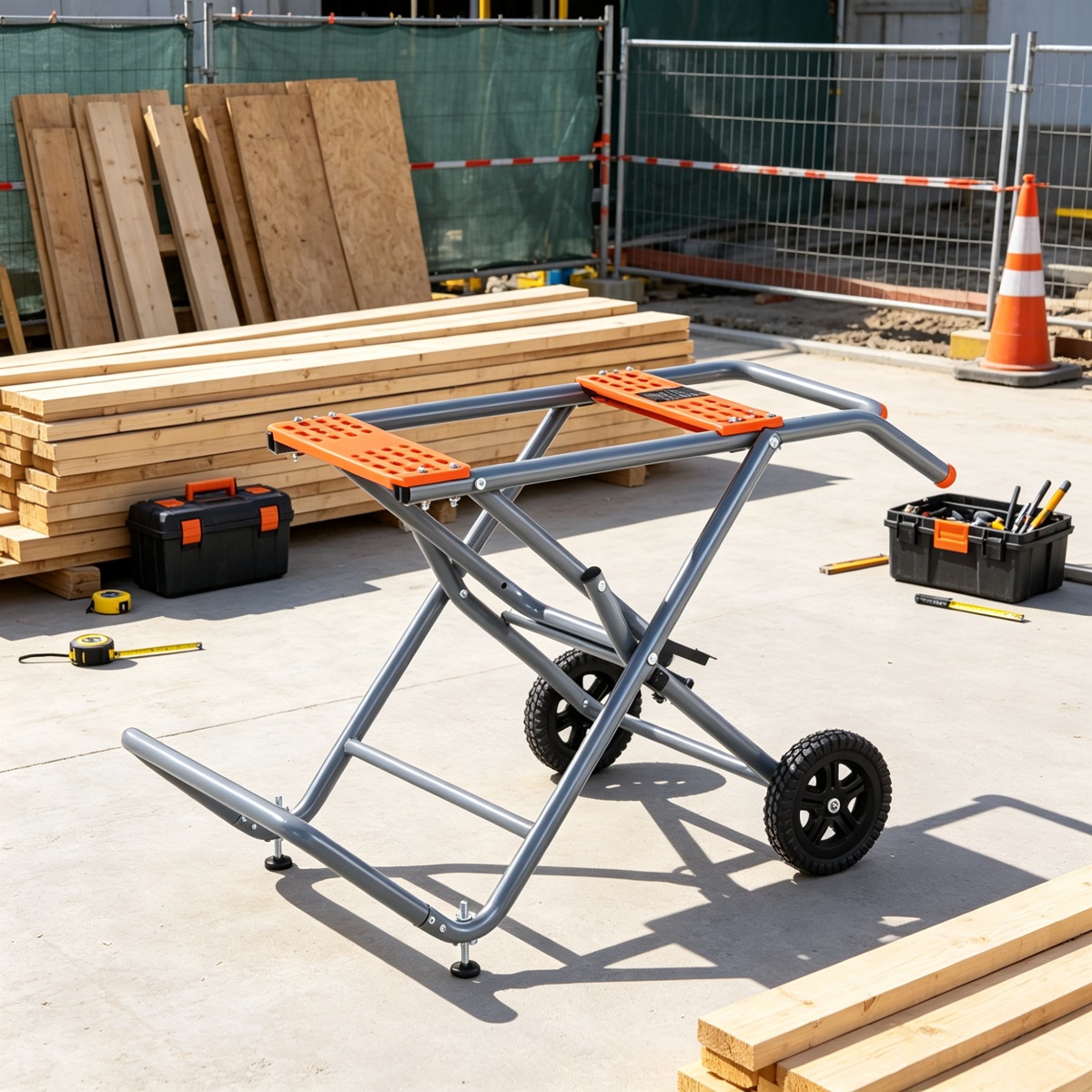
A portable table saw stand is the mobile base that turns a benchtop saw into a stable, roll-away work station. The core trade-off is fold-and-roll convenience versus vibration-damping mass: lightweight aluminum stands prioritize portability, while steel frames with locking casters and outfeed support deliver accuracy under load. Buy a stand rated at least 1.5x your saw's weight with positive caster locks; skip any folding stand that lacks a locking mechanism or rated load capacity.

Workbenches & Shop Equipment

Portable Table Saw With Stand

A portable table saw with stand is a job-site or garage woodworking system where the saw's motor, fence, and table are packaged with a folding or rolling base for transport and storage. The core trade-off is rigidity versus portability: lighter aluminum tables and plastic-bodied stands flex under heavy sheet goods, while steel-framed rolling stands and cast-iron or stamped-steel tops hold tolerance but weigh more. The decision rule is simple—buy a stand rated at least 50 lbs above your saw's shipping weight with locking casters and a steel cross-brace, and skip any universal stand that relies on a single friction strap for saw retention.

Woodworking Saws & Planers

Electric Jigsaw

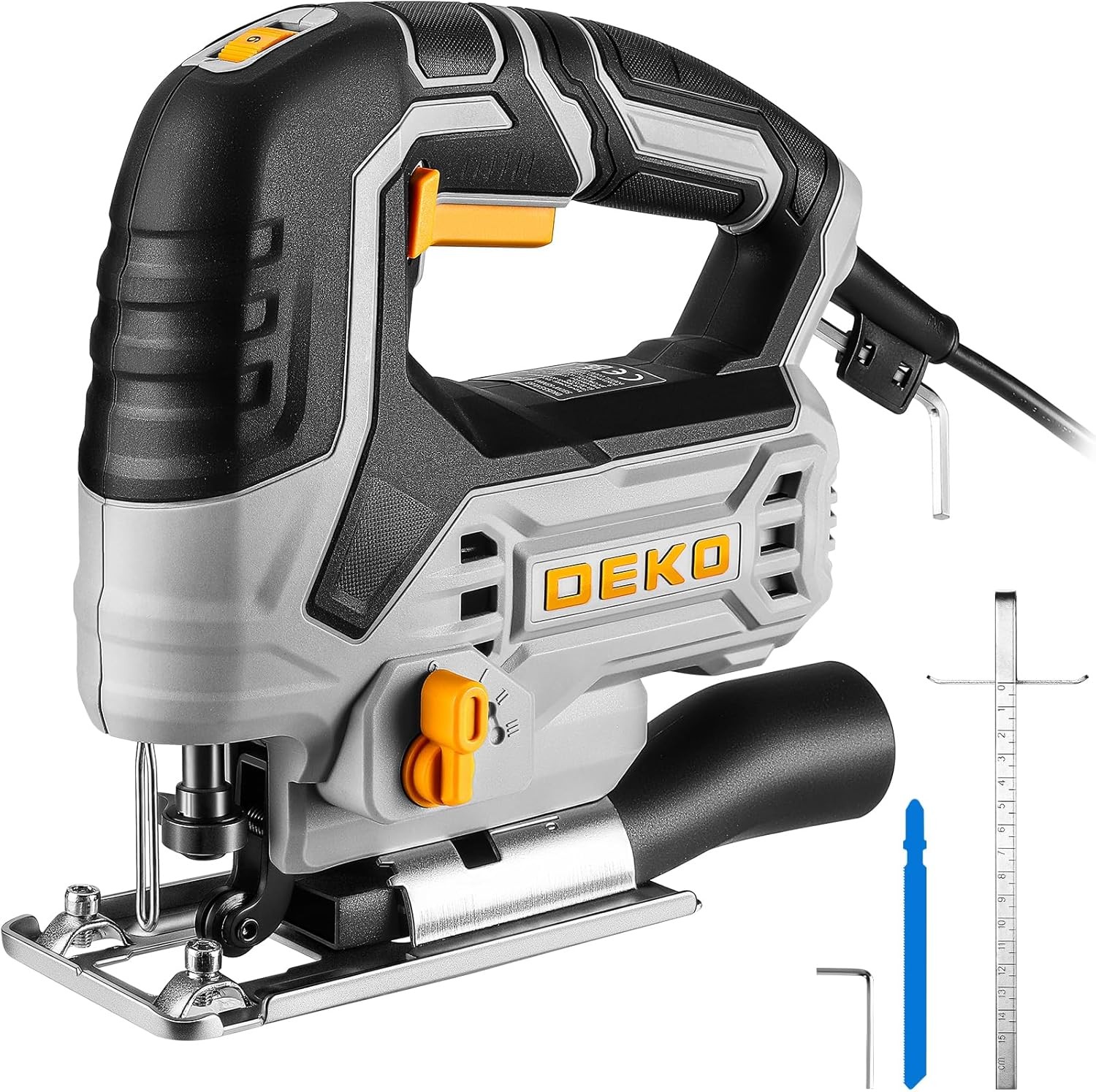
An electric jigsaw is a handheld reciprocating saw that cuts curves, straight lines, and cutouts in wood, plastic, and thin metal using a short, fast up-down blade stroke. The core trade-off is between a barrel-grip or top-handle body with a tool-free blade clamp and orbital-action switch (durable, versatile) versus a basic fixed-speed, screw-clamp model that limits control and blade changes. Buy a variable-speed, orbital-action saw with a tool-free T-shank clamp if you cut varied materials; skip any single-speed, keyed-clamp unit unless it is strictly for occasional softwood cuts.

You may also like

Finding more guides for you…